
Karē udon (Japanese curry udon)
Non-vegetarian
カレーうどん · karē udon
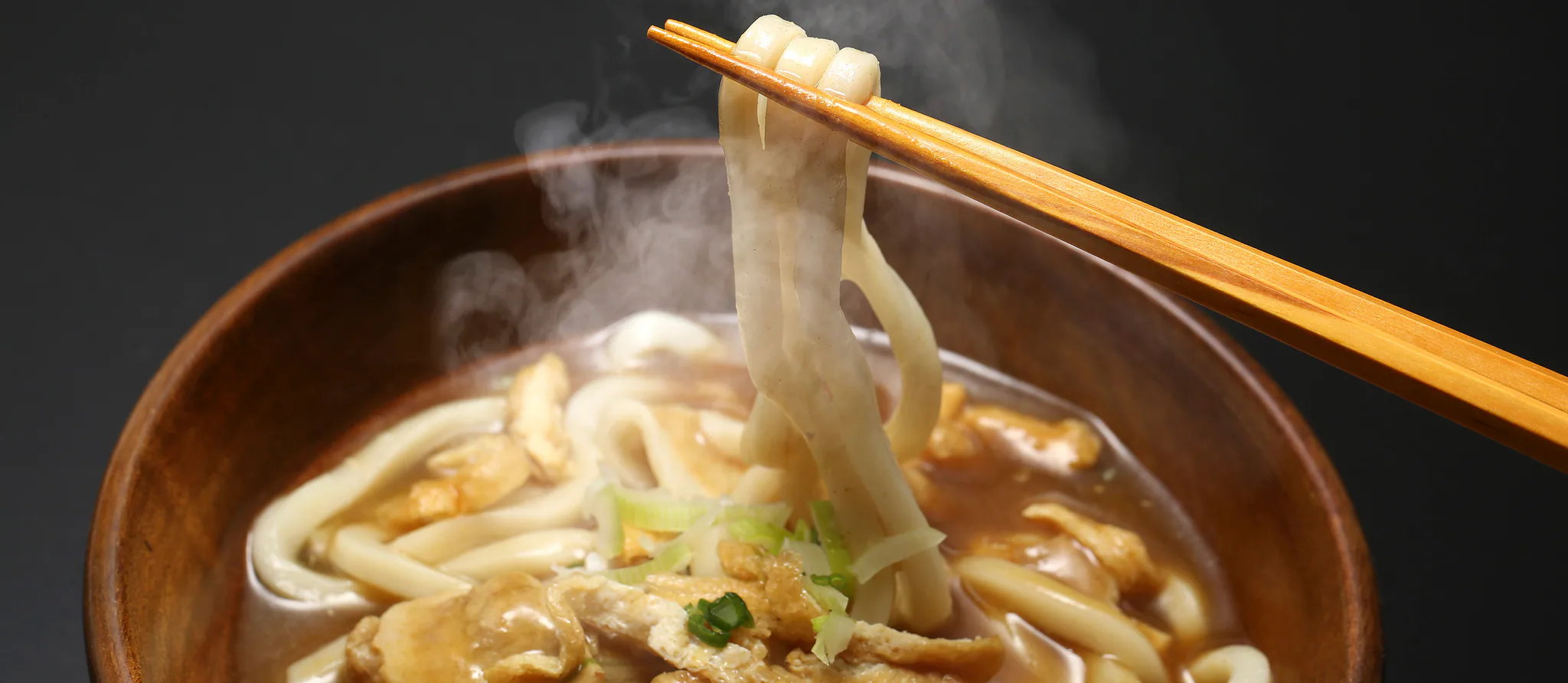
Thick, chewy udon noodles in a glossy curry broth made by thickening dashi with Japanese curry roux, with thin slices of beef, onion and plenty of spring onion. A warming winter noodle bowl served in noodle shops across Japan.
Karē udon (Japanese curry udon) is a Japanese noodle dish, ready in about 30 minutes and made with udon noodles, dashi and japanese curry roux. It serves 4 and is rated easy to cook.
- Prep
- 10 min
- Cook
- 20 min
- Total
- 30 min
- Serves
- 4
- Level
- Easy
- Calories
- —
Main ingredients
Ingredients
For the noodles
For the curry broth
To serve
Method
Curry broth
16 minStep 1
Heat the oil in a saucepan (opens in a new tab) and fry the onion (opens in a new tab) for 3–4 minutes until softened. Add the beef and stir just until it changes colour.
- 5 min
- medium-high heat
- Saucepan (opens in a new tab)
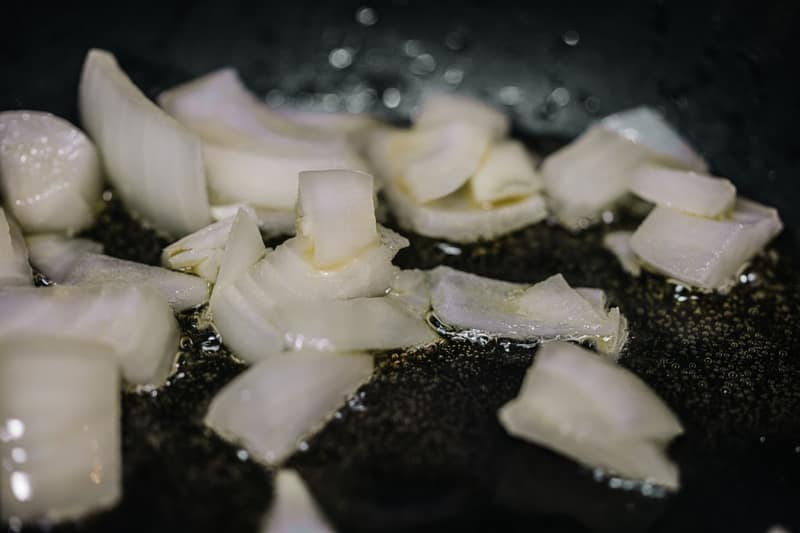
How it looks · Photo: Magda Ehlers on Pexels Step 2
Pour in the dashi (opens in a new tab), sake (opens in a new tab), mirin (opens in a new tab) and soy sauce (opens in a new tab), bring to a simmer and skim off any foam. Simmer for 5 minutes.
- 6 min
- medium heat

How it looks · Photo: Bachir Mamud on Pexels Step 3
Turn off the heat and stir in the curry roux (opens in a new tab) until completely dissolved. Return to a low simmer for 3–4 minutes, stirring, until thickened. For a thicker broth, stir in the potato starch (opens in a new tab) slurry and simmer for 1 minute more.
- 5 min
- low heat
Dissolving the roux off the heat stops it from forming lumps.
Noodles
4 minStep 4
Meanwhile, heat the udon (opens in a new tab) in a large pot of boiling water for 1–2 minutes (frozen) or cook dried noodles to the packet time. Drain well.
- 4 min
- high heat
- Stockpot / large pot (opens in a new tab)
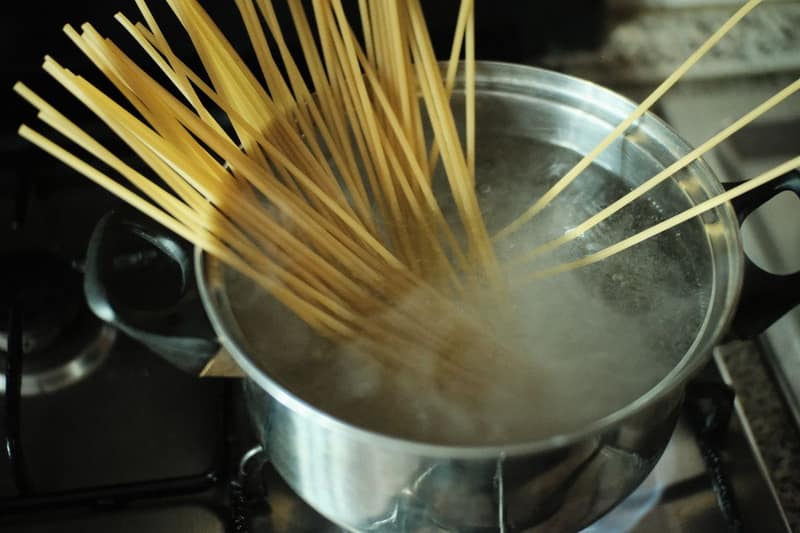
How it looks · Photo: Gianpiero Ferraro on Pexels
To serve
2 minStep 5
Divide the noodles between deep bowls, ladle (opens in a new tab) over the hot curry broth and top with a generous handful of spring onion (opens in a new tab).
At a glance
1 · Curry broth in a pot
 Neutral vegetable oil
 Beef ribeye steak
 Onion
 Dashi
 Sake
 Mirin
 Soy sauce
- Japanese curry roux
 Potato starch
then heat
2 · Noodles in a pot
 Udon noodles
then divide
3 · To serve in a pot
- Spring onion
About this dish
- Origin
- Japan · Commonly attributedCurry udon appeared in Tokyo noodle shops in the early 20th century as Western-style curry became popular; regional versions include Hokkaido's Biei and Nagoya's thick, creamy curry udon.More food from Japan
Japan - Dish
- Lunch · Dinner · Noodles · Soups · Main courses · Noodle soups
- Cooking method
- Simmered, Boiled
- Taste
- savoury, umami, spicy (chilli heat), sweet & savoury
- Diet
- No nut ingredientsWith the listed swaps: Pescatarian, Flexitarian-friendly, Beef-freeWorked out from the ingredients. How labels work
All labels
Non-vegetarian · Egg-free · No nut ingredients · Pork-free - Good for
- One-pot · Everyday
- Cook more with
- Udon noodles · Dashi · Japanese curry roux · Beef ribeye steak · Onion · Sake
- Techniques
- Boiling · Simmering · Roux thickening · Stock making
Allergens
- Contains: Milkfrom japanese curry roux
- Contains: Fishfrom dashi
- Contains: Wheatfrom udon noodles, soy sauce, japanese curry roux
- Contains: Glutenfrom udon noodles, soy sauce, japanese curry roux
- Contains: Soyfrom soy sauce, japanese curry roux
- May contain: Mustardfrom japanese curry roux
- May contain: Celeryfrom japanese curry roux
Based on typical versions of these ingredients and not verified allergen-free. Brands differ and cross-contact happens, so always check labels. For severe allergies, follow your clinician’s advice.
Nutrition
Nutrition not available for this recipe
Not enough data to calculate: Japanese curry roux. We show nothing rather than a made-up number.
Good to know
Tips
- Wear a dark top or use a paper bib — curry udon splashes; some shops hand out disposable bibs.
- Leftover Japanese curry thinned with dashi makes an instant karē udon the next day.
Serve with
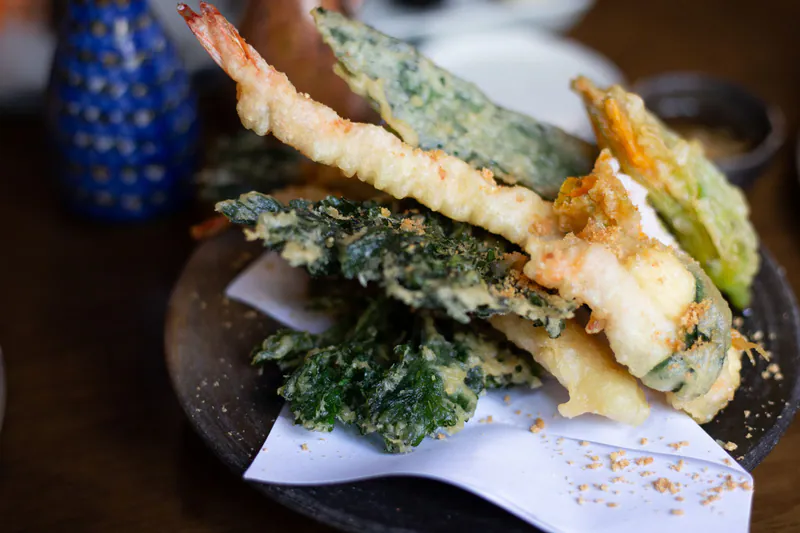
- Top with a soft-boiled egg, fried tofu or tempura flakes (tenkasu).
- A side of pickled ginger or fukujinzuke cuts through the richness.
Storage
- Keep the broth and noodles separately, refrigerated, for up to 2 days.
Reheating
- Reheat the broth gently, adding a splash of dashi as it thickens, and refresh the noodles in boiling water.
Variations
- Katsu karē udon: Topped with a sliced crisp pork cutlet.
- Nagoya-style curry udon: Thick, extra-chewy noodles in a very thick, rich curry.
- Curry nanban: Chicken or duck with long-cooked green onion in curry broth, served with soba or udon.
Original editorial recipe · FriendsPantry editorial · source: TasteAtlas (dish facts) · Not yet independently reviewed · Added
Recipe DNA
How this dish is built
Built from the recipe’s own sections. Each band’s width is its share of the dish by weight. Choose a component to see what it does.
The liquid foundation
For the curry broth
- Neutral vegetable oil1 tbsp · 14 g
- Beef ribeye steak, very thinly sliced, as for shabu-shabu or sukiyaki250 g
- Onion, halved and thinly sliced1 piece · 110 g
- Dashi1 l · 1000 g
- Sake2 tbsp · 30 g
- Mirin2 tbsp · 31 g
- Soy sauce2 tbsp · 34 g
- Japanese curry roux, about 4 cubes, chopped100 g
- Potato starch (optional)1 tbsp · 9.6 g
Masalas in this recipe
Make the masala first, then come back to finish the dish.
Gravy base
Japanese curry roux (homemade)
This recipe uses 100 g (100 g for 4 bowls).
Reviews & corrections
Reviews come from signed-in cooks and appear after a moderator checks them. We never show made-up ratings.
You might also like

Japanese curry rice
 Japanese · 1 h 5 min · 748 kcal
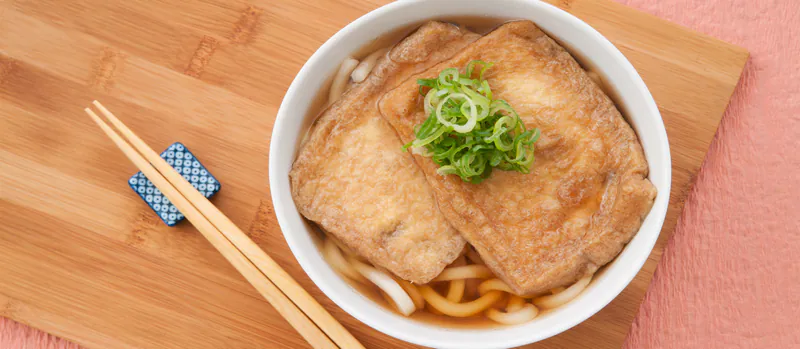
Kitsune udon
Japanese · 25 min · 548 kcal
Katsu karē (Japanese katsu curry)
Japanese · 1 h 10 minJapanese curry roux (homemade)
Japanese · 50 min · 177 kcal · Vegetarian