
Katsu karē (Japanese katsu curry)
Non-vegetarian
カツカレー · katsu karē
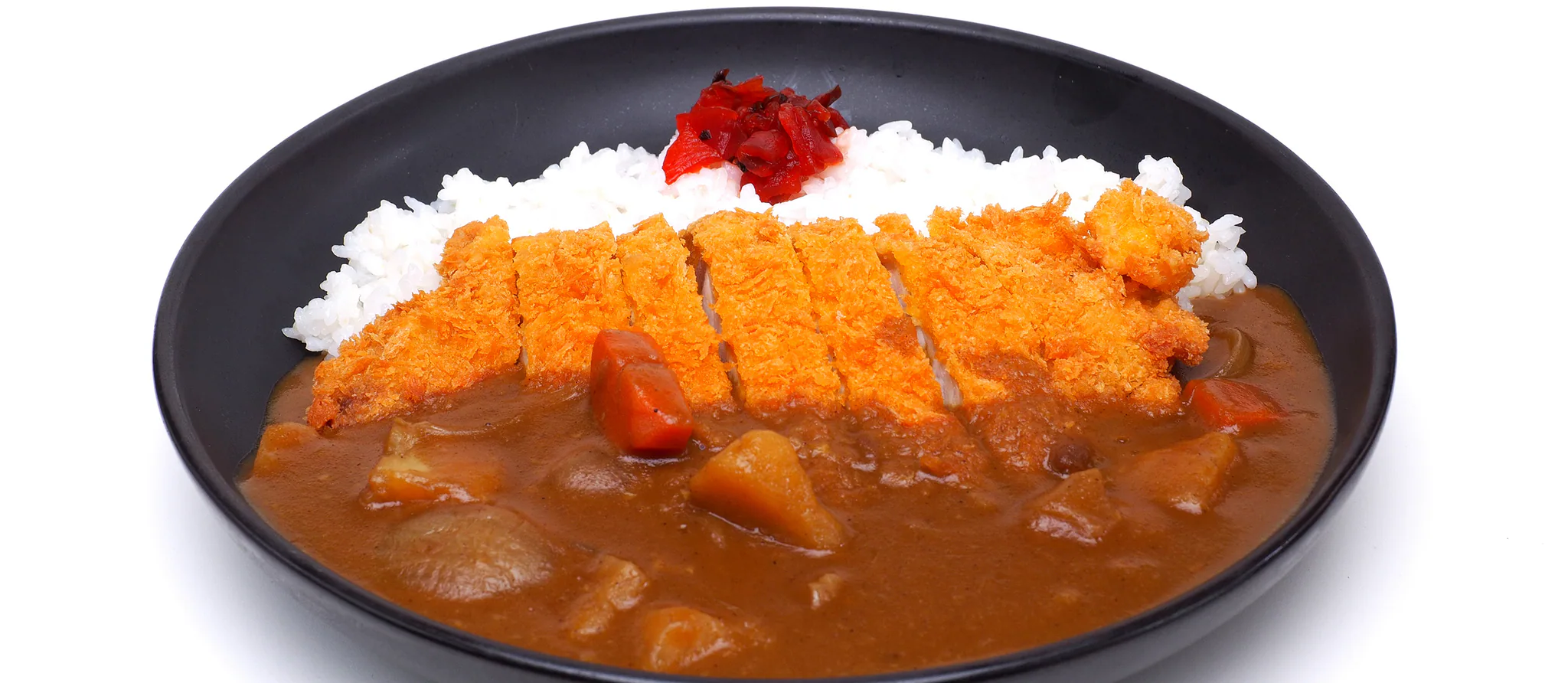
A crisp, panko-crusted pork cutlet sliced and laid over steamed rice, with a thick, mildly spiced Japanese curry of onion, carrot and potato poured alongside. Two yōshoku comfort foods on one plate.
Katsu karē (Japanese katsu curry) is a Japanese main course, ready in about 1 hour 10 minutes and made with japanese curry roux, pork loin and panko. It serves 4 and is rated intermediate to cook.
- Prep
- 25 min
- Cook
- 45 min
- Total
- 1 h 10 min
- Serves
- 4
- Level
- Intermediate
- Calories
- —
Main ingredients
Ingredients
For the rice
For the curry
For the katsu
For frying
Method
Rice
25 minStep 1
Soak the rice in the water for 30 minutes if you have time, then bring to the boil, cover and cook on the lowest heat for 13 minutes. Rest, covered, for 10 minutes (or use a rice cooker).
- 25 min
- low heat
- Saucepan (opens in a new tab)
Food safety: Cooked rice can carry Bacillus cereus spores that survive cooking; keep sushi rice at room temperature for no more than a few hours and refrigerate other leftover rice within an hour.
Curry
33 minStep 2
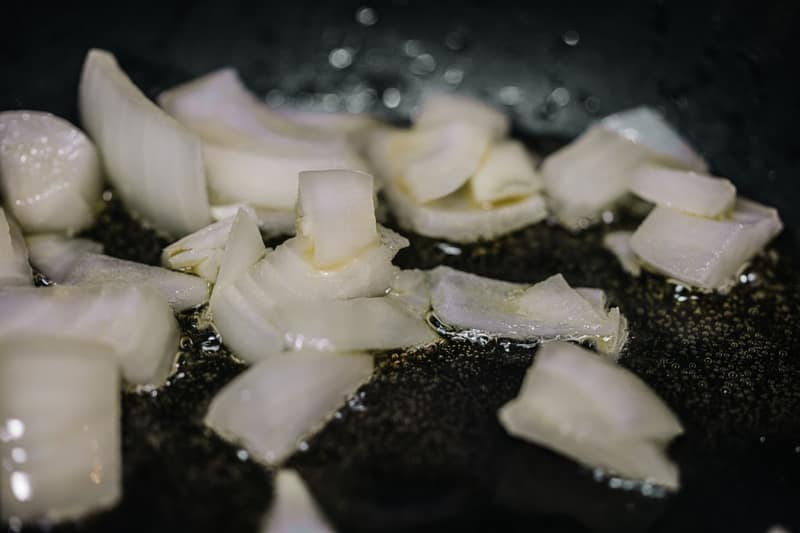
For the curry, heat 1 tbsp oil in a heavy pot and cook the onions (opens in a new tab) over medium heat for 8–10 minutes until soft and lightly golden. Add the carrot (opens in a new tab) and potato (opens in a new tab) and stir for 2 minutes.
- 12 min
- medium heat
- Dutch oven / casserole pot (opens in a new tab)
How it looks · Photo: Magda Ehlers on Pexels Step 3
Add the water and grated apple (opens in a new tab), bring to the boil, skim, and simmer for 15 minutes until the vegetables are tender.
- 15 min
- medium-low heat
Step 4
Turn off the heat, add the curry roux (opens in a new tab) pieces and stir until dissolved. Simmer gently for 5 minutes more, stirring, until thick and glossy. Keep warm.
- 6 min
- low heat
Adding the roux off the heat stops it forming lumps.
Katsu
6 minStep 5
Season the pork with salt and pepper (opens in a new tab). Dust in flour, dip in beaten egg (opens in a new tab), then press firmly into the panko (opens in a new tab) to coat completely.
- 6 min
Frying
16 minStep 6
Heat the frying oil in a deep pan to 170 °C. Fry the cutlets two at a time for 5–6 minutes, turning once, until deep golden and cooked through. Drain on a rack for 3 minutes, then slice into strips.
- 14 min
- 170°C
- medium-high heat
- Stockpot / large pot (opens in a new tab)
- Food thermometer (opens in a new tab)
- Cooling rack (opens in a new tab)
- Chef's knife (opens in a new tab)
Food safety: Use a deep, heavy pan no more than one-third full of oil, keep a lid nearby, never leave hot oil unattended and never put water on an oil fire.
Step 7
Mound rice on one side of each plate, lay the sliced katsu over it and ladle the curry beside it so the crust stays crisp.
- 2 min
At a glance
1 · Rice in a pot
 Short-grain rice
then heat
2 · Curry in a pan
 Neutral vegetable oil
 Onion
 Carrot
 Potato
 Apple
- Japanese curry roux
then season
3 · Katsu in a bowl
 Pork loin
 Salt
 Black pepper
 All-purpose flour
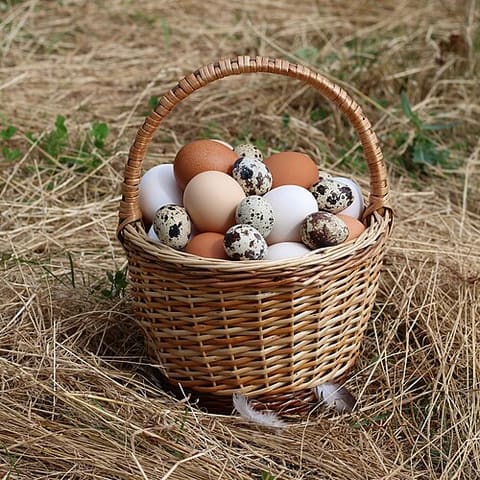 Egg
 Panko
then heat
4 · Frying in a pan
- Neutral vegetable oil
About this dish
- Origin
- Tokyo, Japan · Commonly attributedJapanese curry arrived via British-style curry in the Meiji era and tonkatsu was developed in Tokyo in the late 19th and early 20th centuries. The combination is often credited to the Ginza restaurant Swiss, which in 1948 put a cutlet on curry for a hungry baseball player, though other restaurants claim earlier versions.Also popular in United KingdomMore food from Japan
Japan - Dish
- Lunch · Dinner · Main courses · Curries · Rice dishes
- Cooking method
- Deep-fried, Simmered, Boiled
- Taste
- savoury, mild, sweet & savoury, rich
- Diet
- No nut ingredientsWorked out from the ingredients. How labels work
All labels
Non-vegetarian · No nut ingredients · No added sugar · Alcohol-free · Beef-free - Good for
- Child-friendly · Everyday
- Cook more with
- Japanese curry roux · Pork loin · Panko · Short-grain rice · Onion · Carrot
- Techniques
- Deep-frying · Boiling · Simmering · Roux thickening
Allergens
- Contains: Milkfrom japanese curry roux, panko
- Contains: Eggsfrom egg, panko
- Contains: Wheatfrom japanese curry roux, all-purpose flour, panko
- Contains: Glutenfrom japanese curry roux, all-purpose flour, panko
- May contain: Soyfrom japanese curry roux, panko
- May contain: Mustardfrom japanese curry roux
- May contain: Celeryfrom japanese curry roux
Based on typical versions of these ingredients and not verified allergen-free. Brands differ and cross-contact happens, so always check labels. For severe allergies, follow your clinician’s advice.
Nutrition
Nutrition not available for this recipe
Not enough data to calculate: Japanese curry roux. We show nothing rather than a made-up number.
Good to know
Tips
- Snip through the fat and sinew at the edge of each chop so the cutlets stay flat.
- Japanese curry tastes even better the next day; make the sauce ahead and fry the katsu to order.
Common mistakes
- Pouring curry over the whole cutlet, which turns the crust soggy.
- Frying in oil that is too cool, giving greasy katsu.
Serve with
- With fukujinzuke or rakkyō pickles and a simple shredded-cabbage salad.
Food safety
- Cook pork until the centre reaches at least 63 °C (145 °F) and rest it for 3 minutes; cook minced or marinated chopped pork to 71 °C (160 °F).
- Cooked rice can carry Bacillus cereus spores that survive cooking; keep sushi rice at room temperature for no more than a few hours and refrigerate other leftover rice within an hour.
Storage
- Curry keeps 3 days refrigerated or 1 month frozen (without potatoes, which turn grainy). Katsu is best freshly fried.
Reheating
- Reheat curry gently, stirring, adding a splash of water. Re-crisp leftover katsu in a 200 °C oven for 8–10 minutes.
Variations
- Chicken katsu curry: Chicken thigh or breast cutlets replace pork; this is the version best known in the UK.
- Katsu curry udon: The curry thinned with dashi and served over udon noodles, topped with katsu.
- Kanazawa curry: A Kanazawa style with dark, thick curry, shredded cabbage and sauce-drizzled katsu, served on a steel plate.
Original editorial recipe · FriendsPantry editorial · source: TasteAtlas (dish facts) · Not yet independently reviewed · Added
Sauces, chutneys & dips for this dish
Recipe DNA
How this dish is built
Built from the recipe’s own sections. Each band’s width is its share of the dish by weight. Choose a component to see what it does.
The body of the dish
For the curry
- Neutral vegetable oil1 tbsp · 14 g
- Onion, thinly sliced2 piece · 220 g
- Carrot, cut into chunks1 piece · 60 g
- Potato, cut into chunks2 piece · 400 g
- Water700 ml · 700 g
- Apple, grated (optional)0.5 piece · 90 g
- Japanese curry roux5 piece · 100 g
Masalas in this recipe
Make the masala first, then come back to finish the dish.
Gravy base
Japanese curry roux (homemade)
This recipe uses 5 (100 g for 4 servings).
Reviews & corrections
Reviews come from signed-in cooks and appear after a moderator checks them. We never show made-up ratings.
You might also like
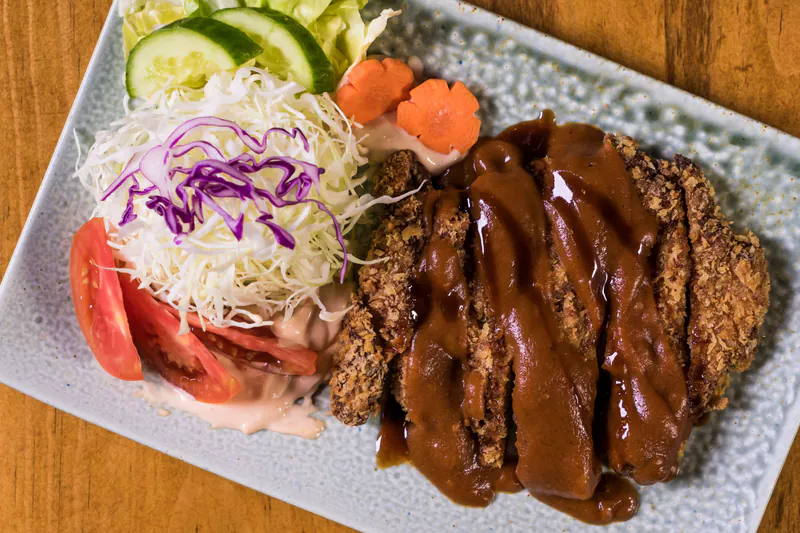
Tonkatsu
 Japanese · 35 min · 712 kcal
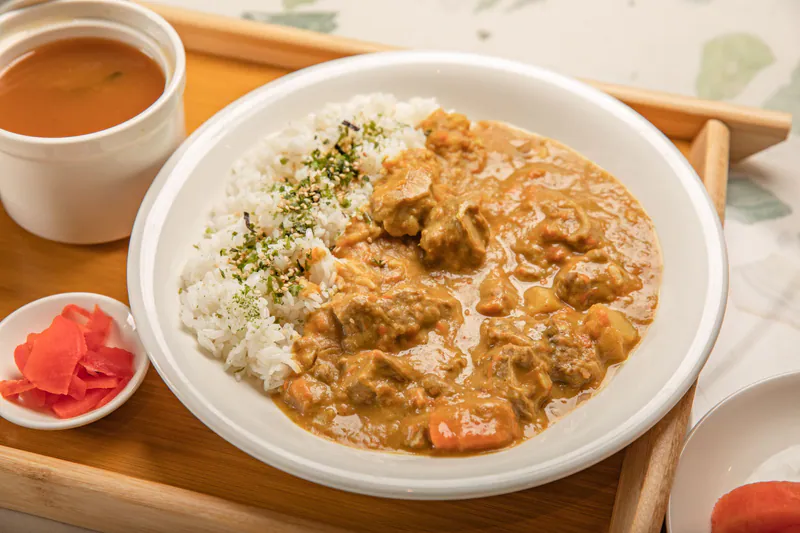
Japanese curry rice
Japanese · 1 h 5 min · 748 kcalJapanese curry roux (homemade)
Japanese · 50 min · 177 kcal · Vegetarian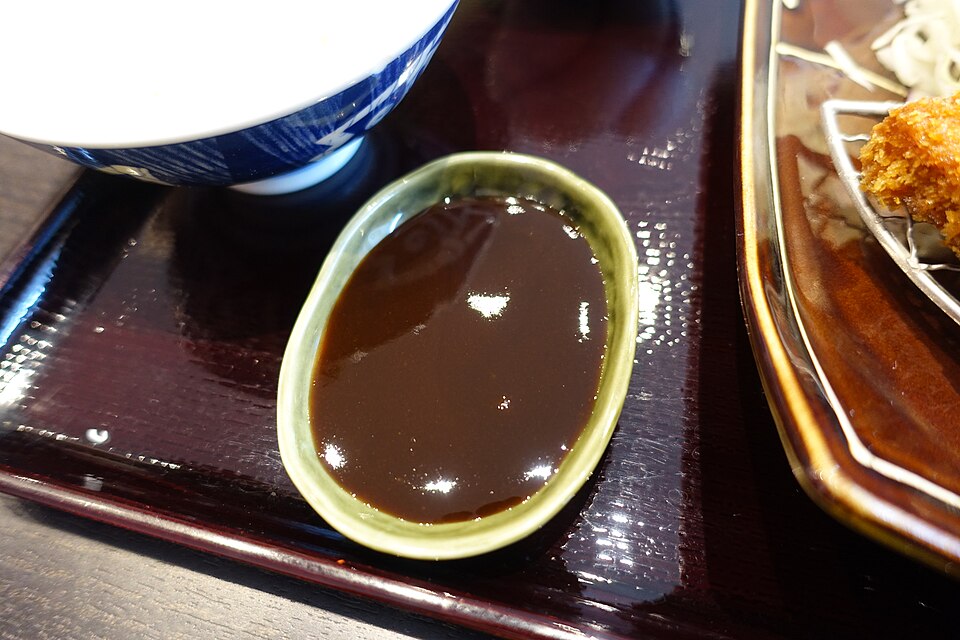
Tonkatsu sauce
Japanese · 5 min · 34 kcal