
Nature's Pantry
Leafy greens
Also: saag · spinach · kale · mustard greens · collards
Vegetables count towards the WHO's 400 g a day. Greens are rich in vitamin K, which matters on warfarin.
Overall evidence
Graded on eating vegetables in general, which authorities consistently recommend. We have not graded claims made for any single green.
Consistent results from good-quality trials or reviews, or a conclusion by a food-safety or health authority (for example an authorised EFSA claim or FDA health claim) about this food at normal food amounts.
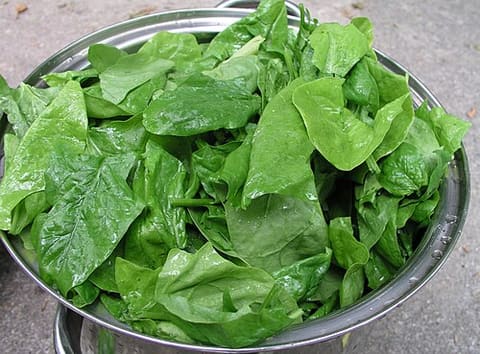
What it is
Dark green leaves such as spinach, kale, mustard greens and collards, rich in folate, vitamin K, nitrate and fibre.
Traditional use
Tradition, not evidence: how cultures use it, not proof that it works.
Punjab
Sarson ka saag (mustard greens) with makki roti is the winter dish.
American South
Collard greens slow-cooked with smoked meat, and the cooking liquid (pot likker) is drunk too.
Italy
Bitter greens sautéed with garlic and chilli are eaten often, in the belief that bitter is good for you.
What the research says
Each claim graded on its own evidence.
Vegetables in a healthy diet
Evidence level: Strong evidenceThe WHO recommends at least 400 g of fruit and vegetables a day for everyone over 10, saying this helps ensure enough fibre and is associated with lower risk of noncommunicable diseases.[1]
In food amounts
Greens count towards the WHO recommendation of at least 400 g of fruit and vegetables a day. Leaves wilt down a lot: a large bag of raw spinach cooks down to a few spoonfuls.
We describe everyday cooking amounts only, never supplement doses.
Safety
- Medicines
- If you take warfarin, keep your intake of vitamin K-rich greens steady rather than cutting them out; sudden big changes can affect how warfarin works.[2]
- Health conditions
- If you have had calcium oxalate kidney stones, your doctor may advise limiting oxalate-rich foods such as spinach.[3]
If you take regular medicines, are pregnant or breastfeeding, or are cooking for a baby or someone who is unwell, check with a doctor, pharmacist or midwife before using any food or supplement for a health reason.
Sources
- [1] Healthy diet — fact sheet — World Health Organization
- [2] Warfarin — NHS (UK)
- [3] Eating, Diet, & Nutrition for Kidney Stones — US National Institute of Diabetes and Digestive and Kidney Diseases (NIDDK, NIH)
Sources were checked when this entry was written. Research changes; if you spot something out of date, please tell us.
Cook with leafy greens
- Spinach: buying & storing
- Kale: buying & storing
- Mustard greens: buying & storing
- Collard greens: buying & storing
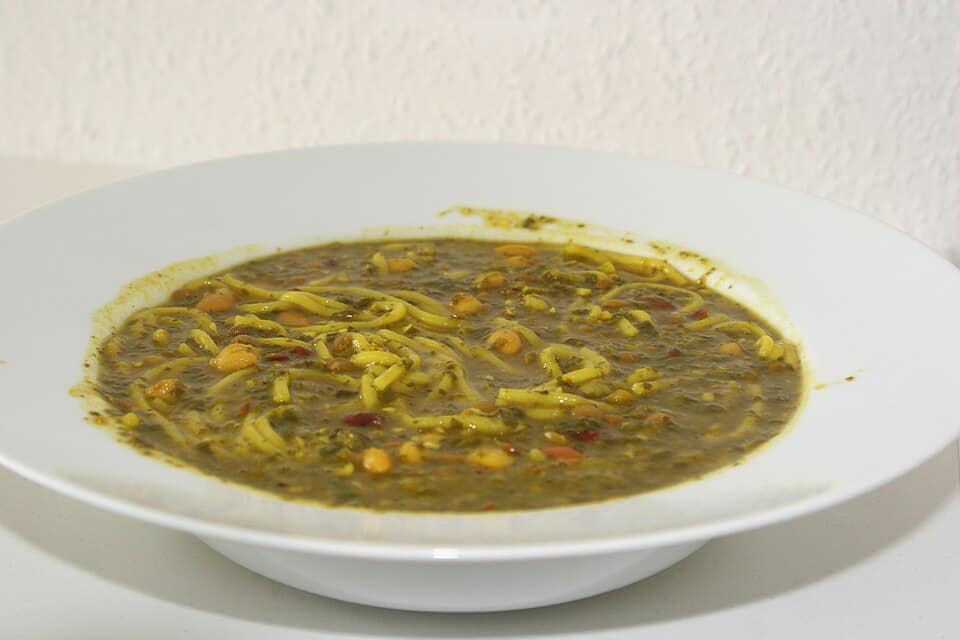
Ash reshteh
 Iranian · 1 h 45 min · 374 kcal · Vegetarian
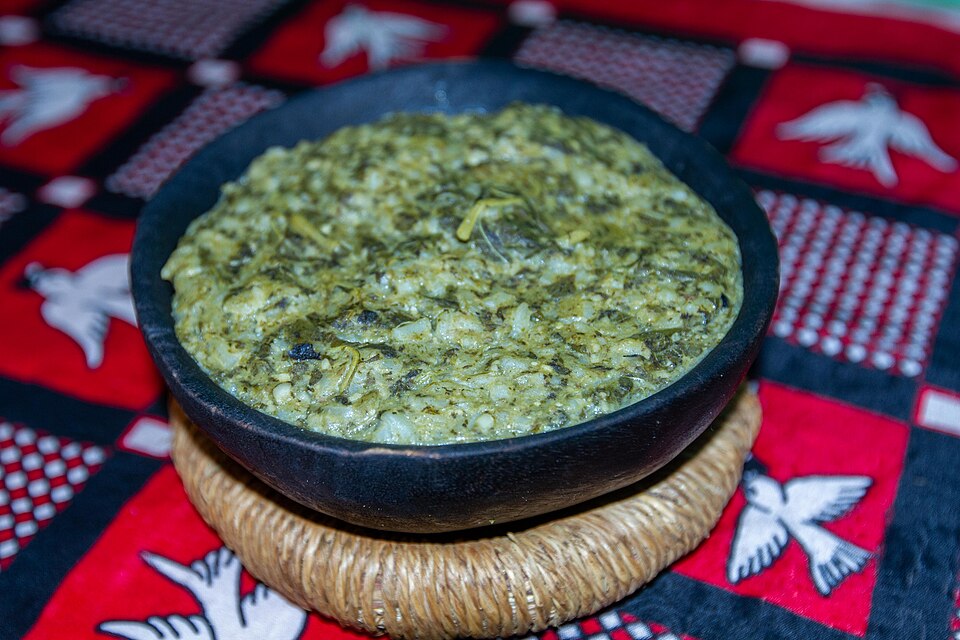
Babenda
 Burkinabè · 55 min · 297 kcal
Bai
 Indian · 40 min · 48 kcal · Vegan
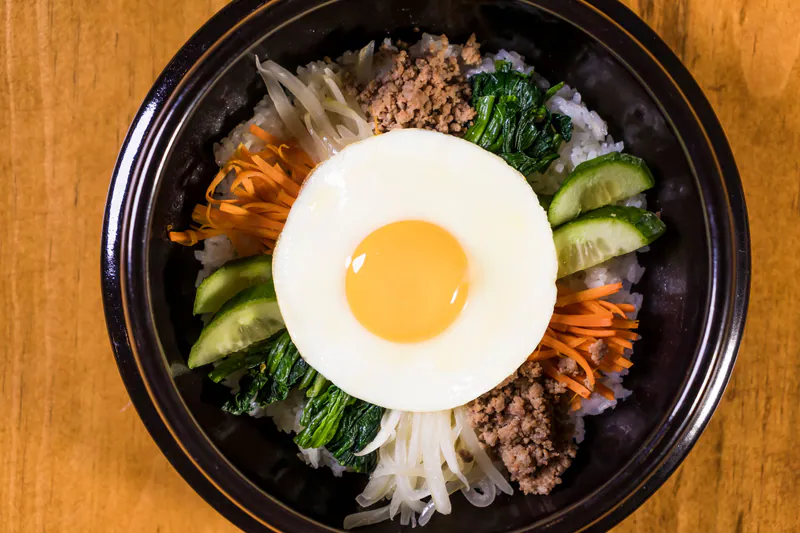
Bibimbap
 Korean · 1 h · 657 kcal
Boerenkool stamppot
 Dutch · 40 min · 362 kcal
Byrek me spinaq (Albanian spinach pie)
 Albanian · 1 h 25 min · 398 kcal · Contains egg
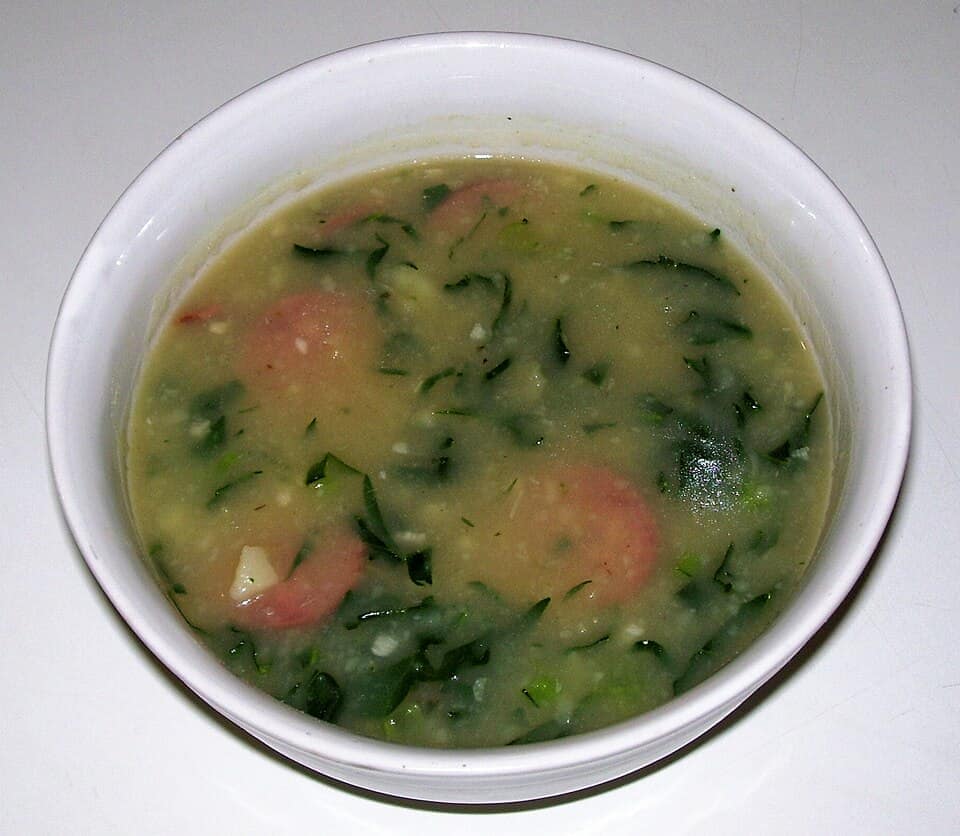
Caldo verde
 Portuguese · 50 min · 220 kcal
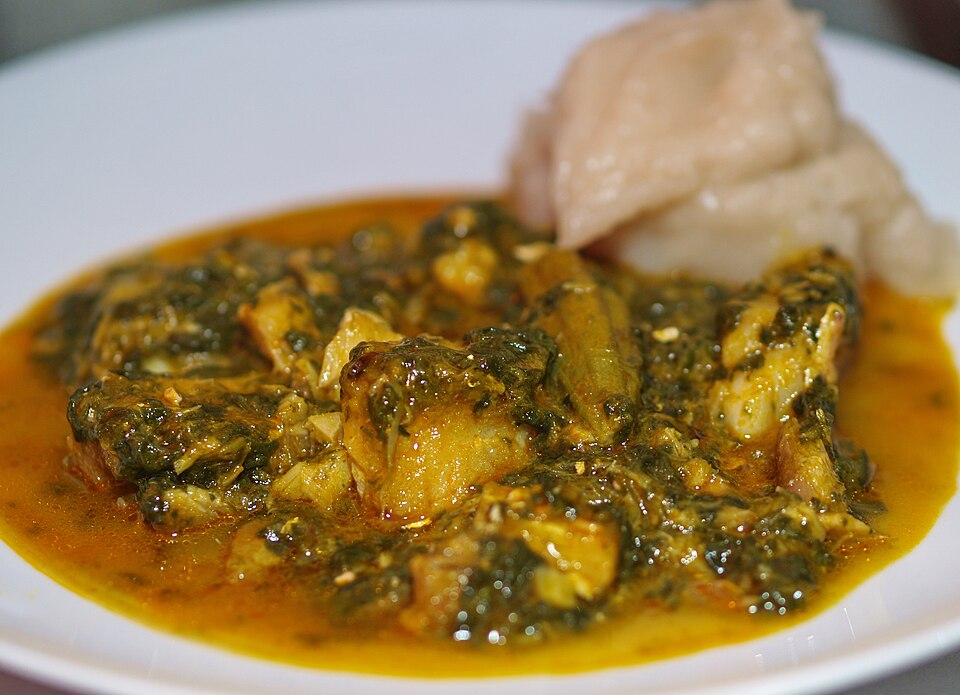
Calulu
 Angolan · 1 h 10 min · 313 kcal
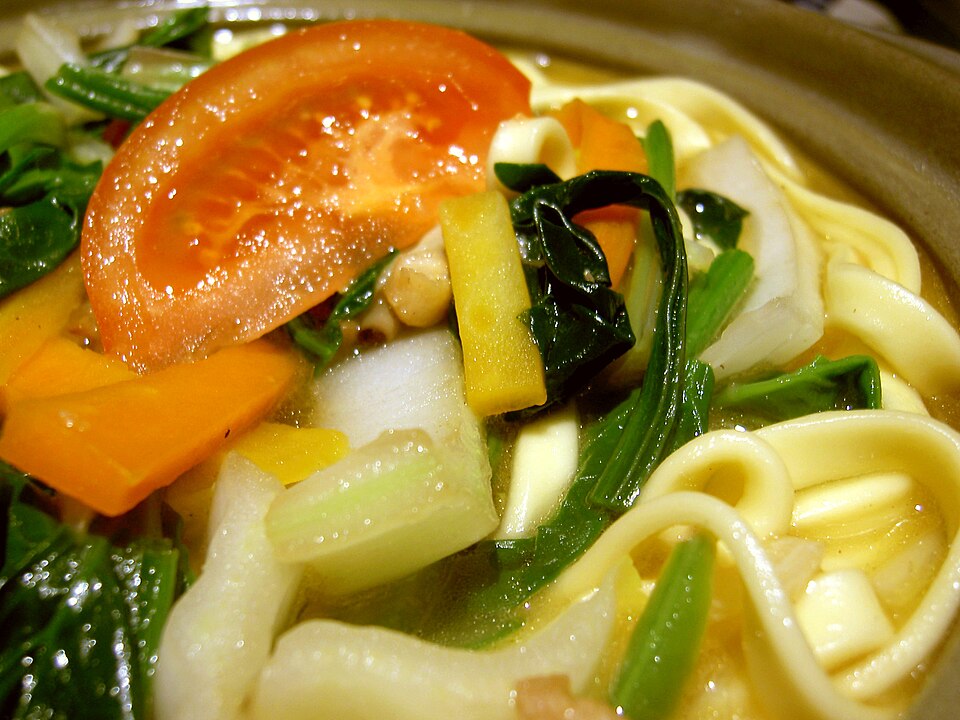
Chicken thukpa
 Nepalese · 45 min · 599 kcal
64 more
- Chicken tinola · Filipino
- Colcannon · Irish
- Dan dan noodles · Sichuan
- Daraba · Chadian
- Dovğa · Azerbaijani
- Efo riro · Nigerian
- Egusi soup · Nigerian
- Espinacas con garbanzos · Spanish
- Fatayer bi sabanekh (spinach triangles) · Lebanese
- Feijoada · Brazilian
- Fish amok · Cambodian
- Gado-gado · Indonesian
- Gboma dessi · Togolese
- Gnudi (Tuscan spinach and ricotta dumplings) · Italian
- Gomen · Ethiopian
- Göy qutabı · Azerbaijani
- Green cucumber, celery and apple juice · International
- Green spinach and banana smoothie · International
- Gua bao (Taiwanese pork belly buns) · Taiwanese
- Gya thuk · Indian
- Hearty Lentil and Vegetable Soup · International
- High-protein paneer paratha · Indian
- Huku ne dovi · Zimbabwean
- Ifisashi with nshima · Zambian
- Isombe · Rwandan
- Ispanaklı gözleme · Turkish
- Ispanaklı yumurta · Turkish
- Japchae · Korean
- Kafuli · Indian
- Khao soi gai · Thai
- Kimbap · Korean
- Koki · Cameroonian
- Ladakhi thukpa · Indian
- Muriwo une dovi · Zimbabwean
- One-Pot Tomato and Spinach Pasta · International
- Oven mumu · Papua New Guinean
- Palak paneer · Punjabi
- Palak paratha · Punjabi
- Palak shorba · Indian
- PNG chicken pot · Papua New Guinean
- Ribollita · Italian
- Ricotta and spinach ravioli with butter and sage · Italian
- Romazava · Malagasy
- Shoyu ramen (home-style) · Japanese
- Sichuan dry-fried green beans · Sichuan
- Sigeumchi namul · Korean
- Sinigang na hipon · Filipino
- Skyu · Indian
- Southern collard greens · Southern US
- Soya chunk and chickpea curry · Indian
- Spanakopita · Greek
- Spinach and artichoke dip · American
- Spinach and ricotta cannelloni · Italian
- Spinach goma-ae · Japanese
- Spinach pkhali · Georgian
- Spinach, Pepper and Feta Frittata · Italian
- Stoemp · Belgian
- Sukuma wiki · Kenyan
- Thenthuk · Indian
- Tofu and chickpea saag · Indian
- Urap sayur · Indonesian
- Vegetable Egg-White Omelette · International
- White Bean and Kale Stew · Mediterranean
- Xaak bhaji (Assamese stir-fried greens) · Indian
Showing 9 of 73 recipes.
More from Nature's Pantry
- Amla (Indian gooseberry)Evidence level: Limited or early evidence
- BarleyEvidence level: Strong evidence
- Beans, lentils and chickpeasEvidence level: Moderate evidence
- BeetrootEvidence level: Moderate evidence
- Citrus fruitEvidence level: Evidence against
- Cocoa and dark chocolateEvidence level: Strong evidence