
Vegetables · Leafy greens
Kale
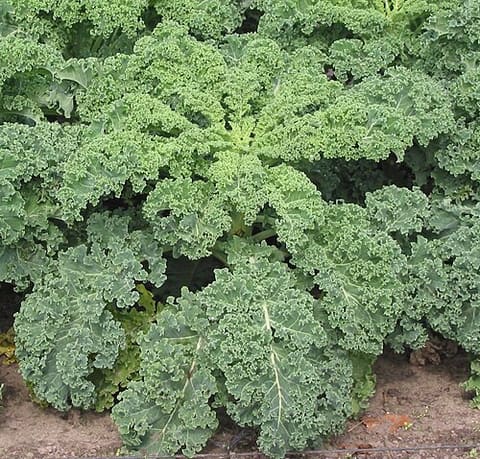
Sturdy brassica green with curly or flat dark leaves, eaten massaged raw, sautéed, braised or baked into crisps.
Also called: cavolo nero, lacinato kale, sukuma wiki
Photo: Rasbak, via Wikimedia Commons (CC-BY-SA-3.0)
What it is
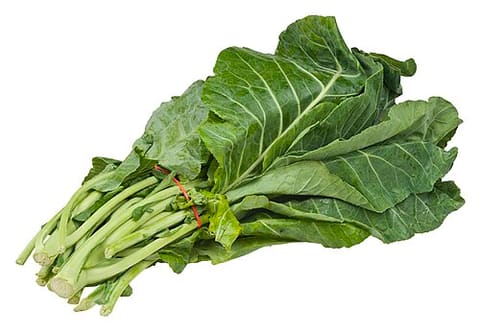
Kale is a leafy cabbage relative that does not form a head. Curly kale has frilly, bright-green leaves; cavolo nero (lacinato, Tuscan kale) has long, bumpy, blue-black leaves. The central stems are tough and usually stripped out. Collard greens are a related plant with broad, flat leaves.
Brassica oleracea (Acephala group)
How it’s used
- Massaged with dressing for raw salads
- Braised in Tuscan soups like ribollita
- Sautéed with garlic and chilli
- Baked into crisps
- Stewed with onion and tomato (sukuma wiki)
Characteristics
- Taste
- Earthy, slightly bitter and cabbage-like; sweeter after frost.
- Texture
- Firm and chewy raw; tender but robust cooked.
- When cooked
- Holds its shape in long cooking far better than spinach; massaging with salt or acid softens it for salads.
- Sold as
- fresh, frozen
- Cooking uses
- Usually eaten raw, Commonly cooked, Suitable for baking, Suitable for boiling
Varieties
- Curly kale
- Cavolo nero / lacinato
- Red Russian
Storage
Refrigerated. Refrigerate loosely wrapped; it keeps longer than tender greens. Discard if yellow or slimy.
Diet, allergens and safety
No major allergens in typical versions.
- Vegetarian
- Vegan
- Dairy-free
- Egg-free
- Gluten-free
- Nut-free
- Soy-free
- Caffeine-free
Nutrition per 100 g
- Energy
- 35 kcal
- Protein
- 2.92 g
- Carbohydrate
- 4.42 g
- Fat
- 1.49 g
- Fibre
- 4.1 g
- Sugars
- 0.99 g
USDA FoodData Central: Kale, raw.
Substitutes
Optional — what works if you don’t have it, and how it changes the dish.
- Collard greens — Best in braises; slice thinly.
- Swiss chard — Cooks faster and is softer.
Related ingredients
Recipes with kale
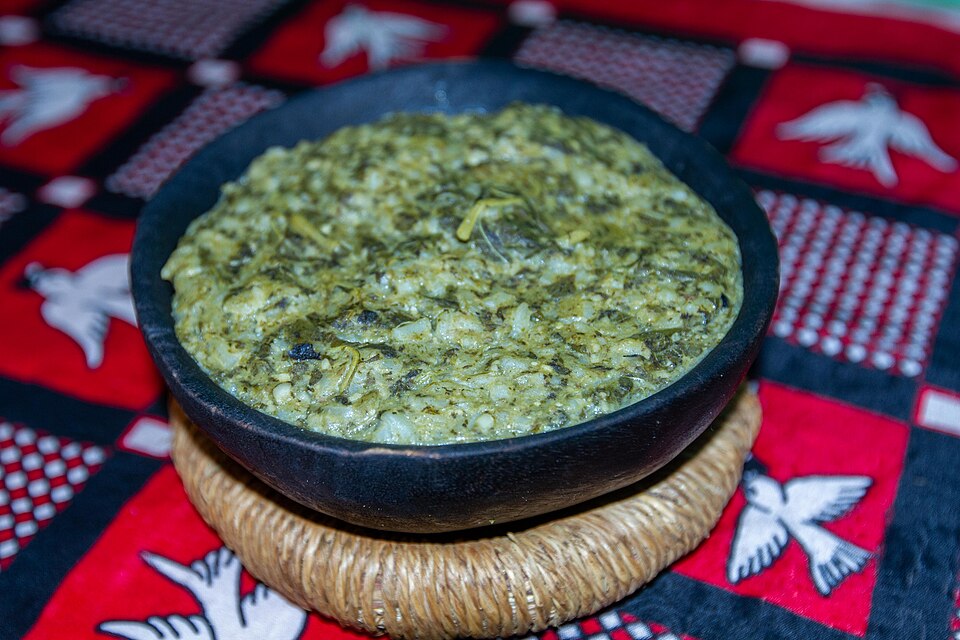
Babenda
 Burkinabè · 55 min · 297 kcal
Boerenkool stamppot
 Dutch · 40 min · 362 kcal
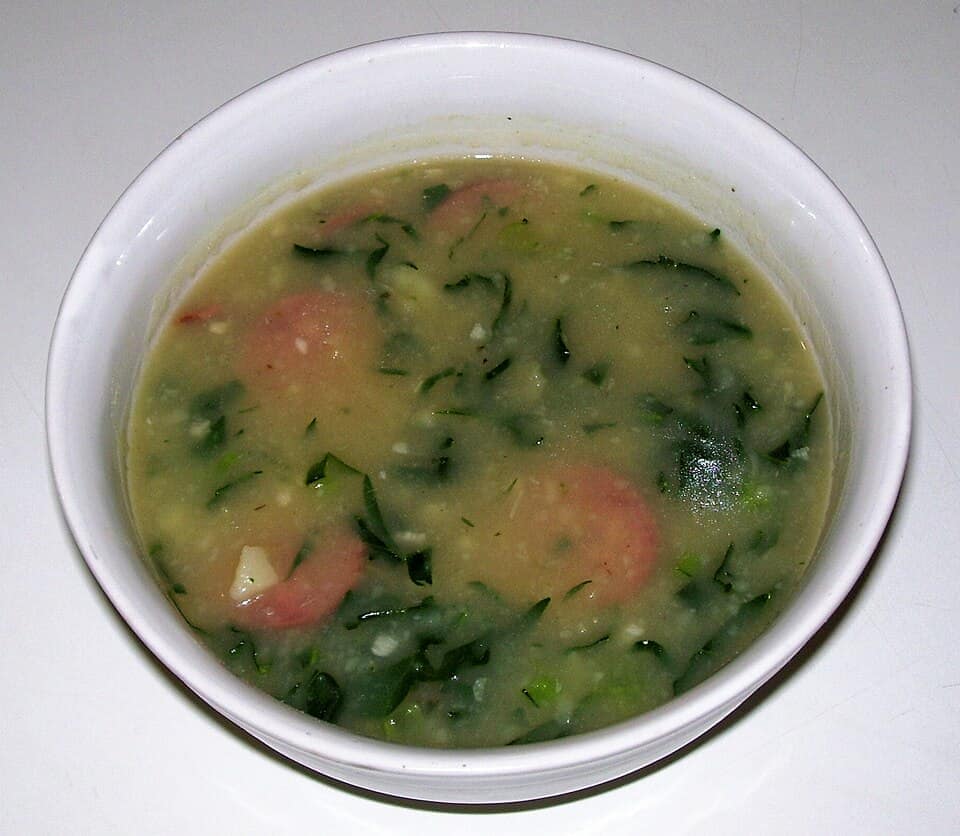
Caldo verde
 Portuguese · 50 min · 220 kcal
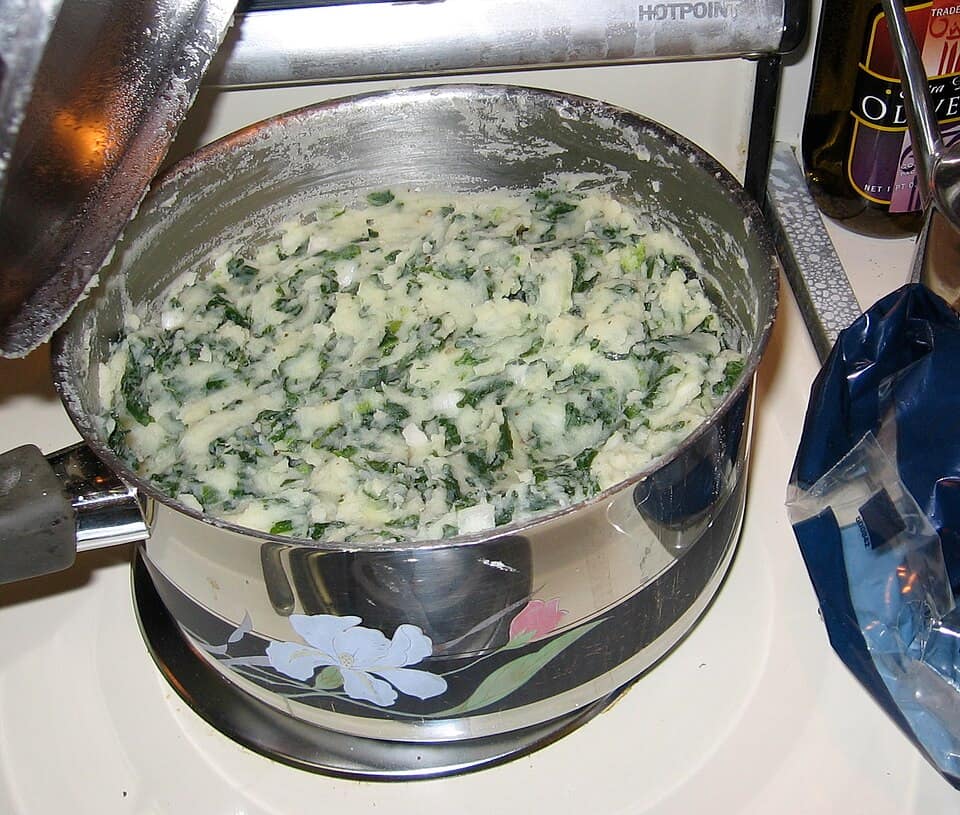
Colcannon
 Irish · 40 min · 236 kcal · Vegetarian
Feijoada
 Brazilian · 3 h 25 min · 573 kcal
Gomen
 Ethiopian · 40 min · 169 kcal · Vegan
Muriwo une dovi
 Zimbabwean · 30 min · 182 kcal · Vegan
Ribollita
 Italian · 1 h 20 min · 315 kcal · Vegan
Sukuma wiki
 Kenyan · 25 min · 126 kcal · Vegan
White Bean and Kale Stew
Mediterranean · 50 min · 272 kcal · Vegetarian
More leafy greens
Leafy greens
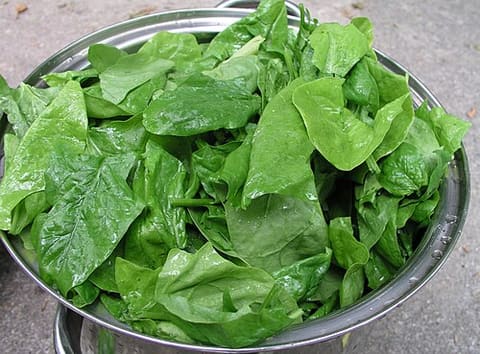
Spinach
Tender dark-green leaves eaten raw as baby spinach or wilted into curries, pies, pastas and soups.
57 recipes
Leafy greens
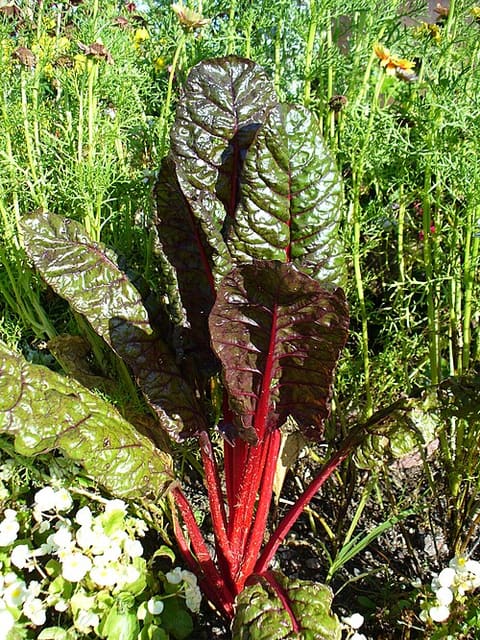
Swiss chard
Leafy green with broad leaves and thick white, red or yellow stems, cooked like spinach.
2 recipes
Leafy greens
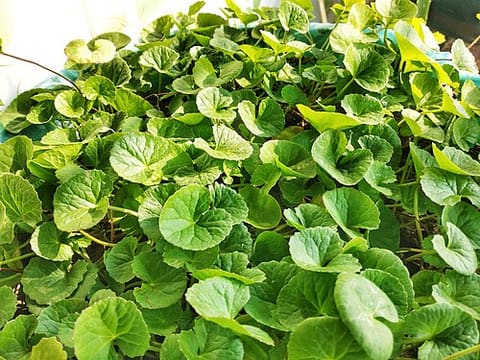
Gotu kola
Small round-leaved herb (Asiatic pennywort) eaten fresh in Sri Lankan sambols and Southeast Asian drinks.
1 recipe
Leafy greens
Mustard greens
Peppery, pungent brassica leaves cooked into sarson ka saag, stir-fries and pickles.
6 recipes
Leafy greens
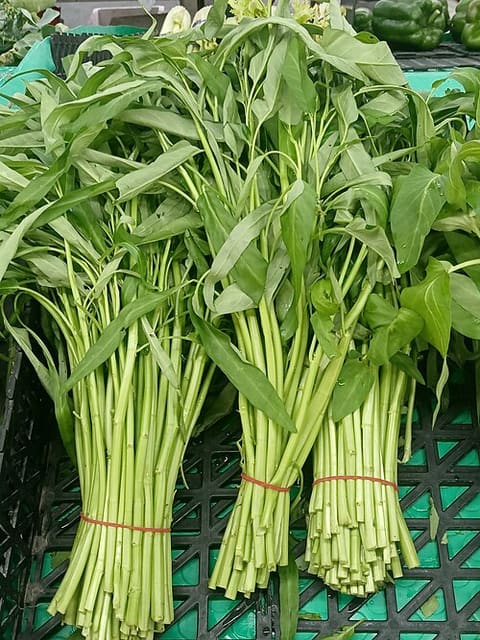
Water spinach
Hollow-stemmed green with arrow-shaped leaves (kangkung, morning glory), stir-fried quickly with garlic and chilli.
3 recipes
Leafy greens
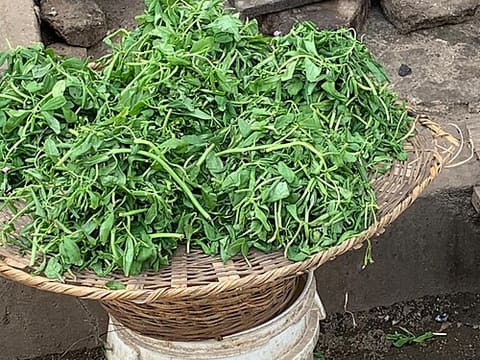
Jute leaves
Leafy green (molokhia, ewedu) that turns silky and slippery when cooked; base of Egyptian and West African soups.
2 recipes
Leafy greens
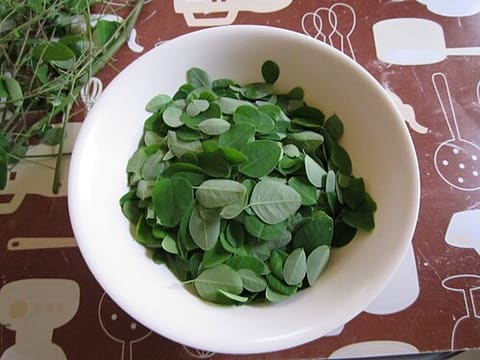
Moringa leaves
Tiny oval leaves of the drumstick tree, cooked into curries, soups and stews or dried to a powder.
1 recipe
Leafy greens
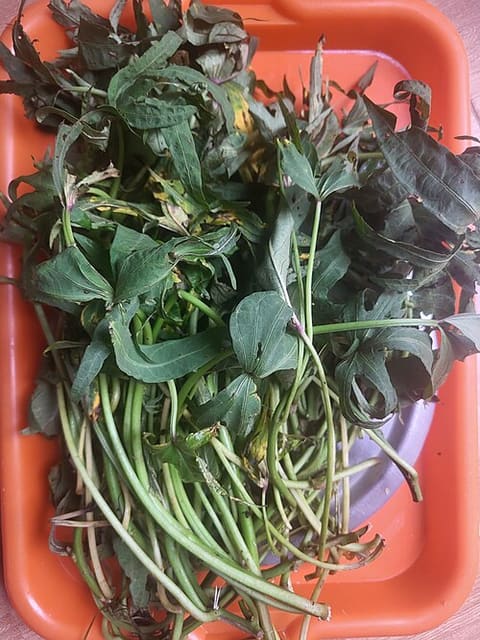
Sweet potato leaves
Tender leaves and shoots of the sweet potato vine, stewed in West African sauces or stir-fried in Asia.
2 recipes