Mexican · regional cuisine
Yucatecan
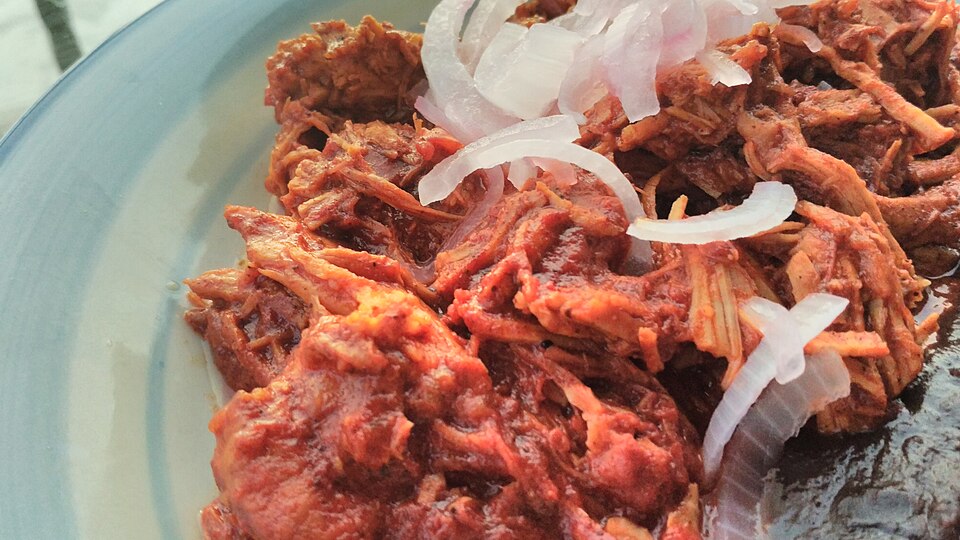
The Maya-rooted cooking of the Yucatán peninsula: achiote and sour-orange marinades, pit-cooked pork, habanero salsas and pickled red onions, distinct from central Mexican food.
Flavour character: Tangy, earthy and fragrant: achiote, sour orange, garlic, oregano and allspice; fierce habanero heat; bright pickled onions; smoky pit-roasted meat.
History
The peninsula was long isolated from central Mexico by geography, with stronger sea links to Cuba, the Caribbean and Europe than land links to Mexico City until the 20th century. Maya cooking contributed the pib (earth oven), achiote, squash seeds and turkey; Spanish rule brought pork and Seville oranges, which became the souring agent for recados. Lebanese immigrants in the late 19th and early 20th centuries added dishes such as kibi.
Commonly told; not firmly documented
Geography and influences
A flat limestone peninsula with no rivers but many cenotes, thin soils, a hot climate and Caribbean and Gulf coasts.
- Maya cooking
- Spanish colonial cooking
- Caribbean (Cuban) trade
- Lebanese immigrants
Regional variations
- Mérida and the interior
- Cochinita pibil, sopa de lima, relleno negro.
- Campeche and the coast
- Seafood such as pan de cazón (layered tortilla with shark).
Festive and seasonal food
- Mucbipollo (large pit-baked tamal) for Hanal Pixán, the Maya Day of the Dead
- Cochinita pibil on Sundays and at fiestas
Signature dishes
Not on the site yet: Poc chuc, Panuchos and salbutes, Papadzules, Relleno negro, Mucbipollo, Xnipec salsa
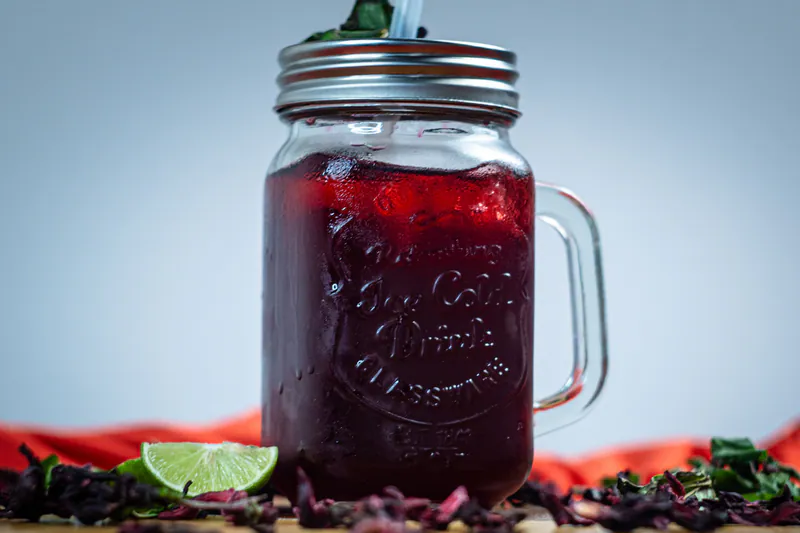
 Mexican · 1 h 10 min · 60 kcal ·
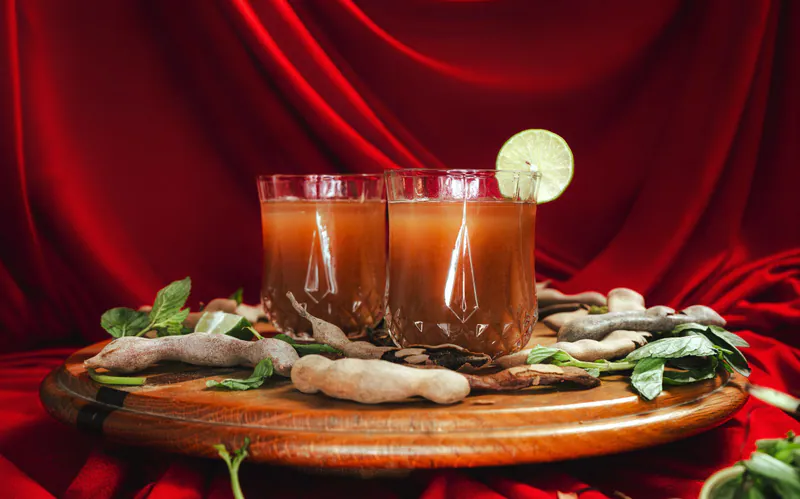
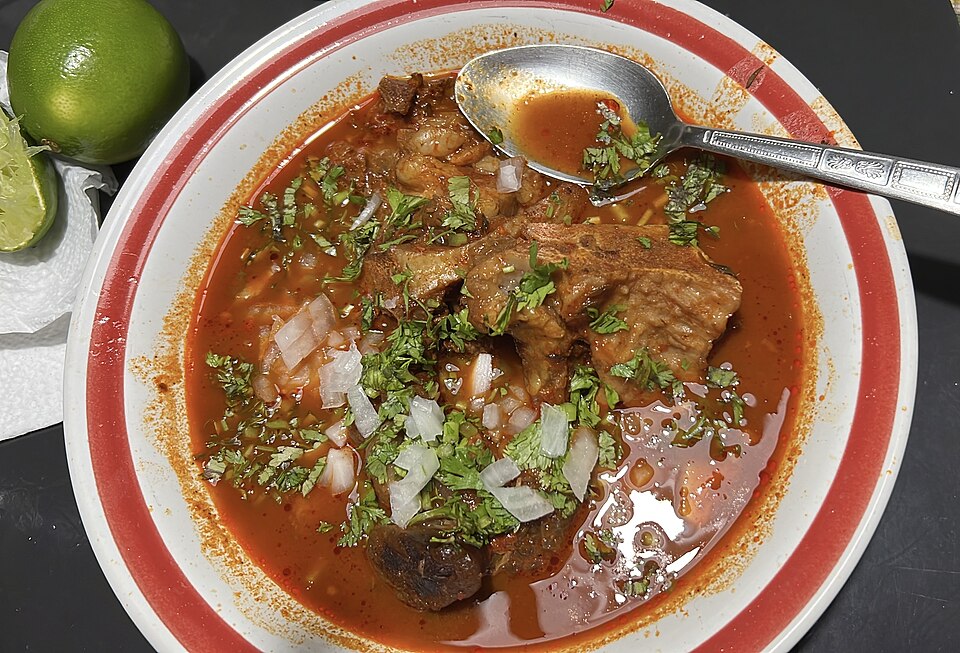
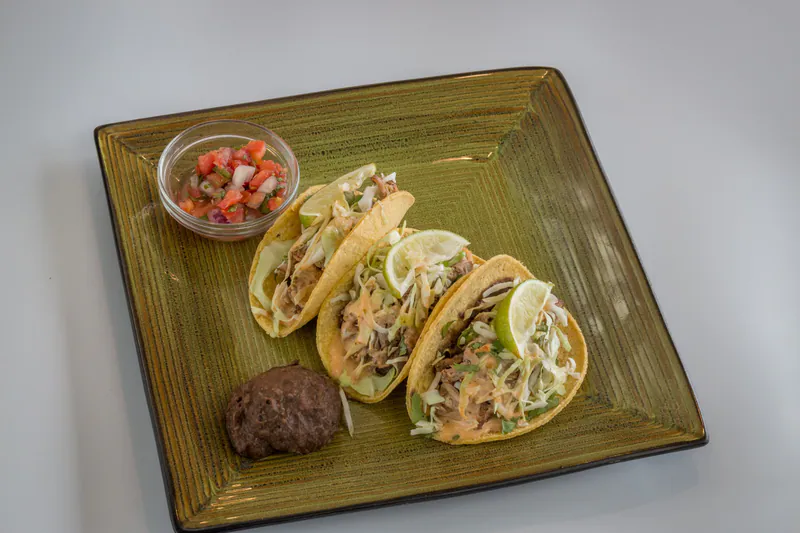
 American · 10 min · 200 kcal