
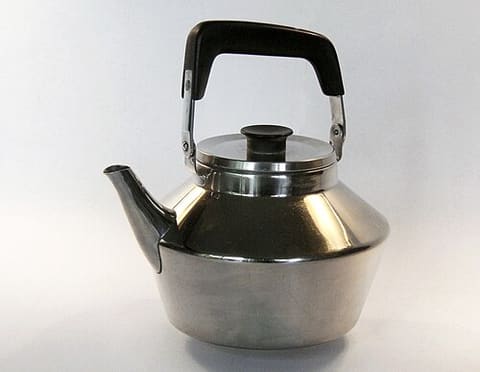
Kitchen equipment · Kettle
Kettle
A vessel with a spout for boiling water quickly, either electric or heated on the hob.
Essential in most kitchens · Electric · 32 recipes
Photo: Holger Ellgaard, via Wikimedia Commons (CC-BY-SA-3.0)
What it is
A lidded water vessel with a spout and handle. Electric kettles have a built-in element and switch off automatically when boiling; stovetop kettles sit on a burner and often whistle. Gooseneck kettles have a thin curved spout for precise pouring over coffee; some electric models let you choose a temperature.
What it’s for: Boiling water for drinks and for speeding up cooking.
How to use it
- Fill with fresh water to at least the minimum line and no higher than the maximum.
- Close the lid and switch on, or set on the hob.
- Let it boil, or stop at the chosen temperature for green tea or coffee.
- Pour steadily, holding the handle only.
Good to know
- Tasks
- boiling water for tea and coffee, preheating water for pasta and stock, rehydrating noodles and dried foods, making instant soups, topping up steamers
- Cooking methods
- Boiled
- Materials
- stainless steel, plastic, glass, enamelled steel
- Care and cleaning
- Empty after use. Descale regularly in hard-water areas by boiling a vinegar or citric-acid solution, then rinse well. Never immerse an electric kettle base.
- Limitations
- Only heats water; do not heat milk or other liquids in it.
Safety
- Keep the cord away from the counter edge.
- Do not boil an electric kettle empty.
- Steam from the spout can scald.
If you don’t have one
Equipment guide
How it works: Electric kettles heat water directly with a submerged or concealed element and switch off when steam triggers a bimetallic or electronic thermostat. Stovetop kettles heat from the burner through the base. Variable-temperature electric kettles hold water at a set point below boiling for green and white teas or coffee.
| Material | Good | Watch out |
|---|---|---|
| Stainless steel | Durable, non-reactive, dishwasher-safe, does not hold smells. | Can scratch non-stick pans; conducts heat, so all-metal handles get hot. |
| Glass (borosilicate) | You can see scale and the boil; no metallic taste. | Breakable; shows limescale quickly. |
| Plastic body | Light and cool-touch. | Some people notice a taste when new. |
| Enamelled steel | Light, inexpensive, non-reactive and easy to clean. | Thin, so hot spots and scorching are common; enamel chips and exposed steel rusts. |
- Electric kettle
- Fastest; auto shut-off.
- Variable-temperature kettle
- Set 70–100 °C for tea and coffee.
- Gooseneck kettle
- Thin spout for controlled pour-over coffee.
- Stovetop whistling kettle
- Works on any hob; no electricity needed.
Buying guidance
Starting out: A 1.5–1.7 litre electric kettle with a concealed element and auto shut-off.
Keen cook: A variable-temperature kettle if you brew green tea or pour-over coffee.
- Power: about 2–3 kW on 230 V supply, about 1.5 kW on 120 V
- Capacity: 1–1.7 litres
- Concealed element (easier to descale)
- Boil-dry protection
- Limescale filter in the spout in hard-water areas
No brands or prices — check current reviews before buying.
Related tools
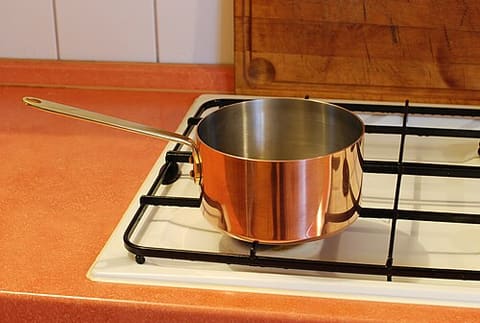
Recipes that use it
British tea with milk
 British · 6 min · 19 kcal · Vegetarian
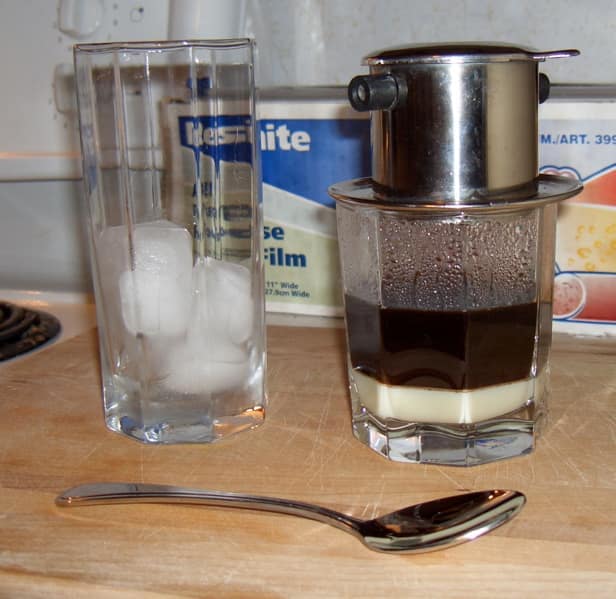
Cà phê sữa đá (Vietnamese iced coffee)
 Vietnamese · 7 min · 136 kcal · Vegetarian
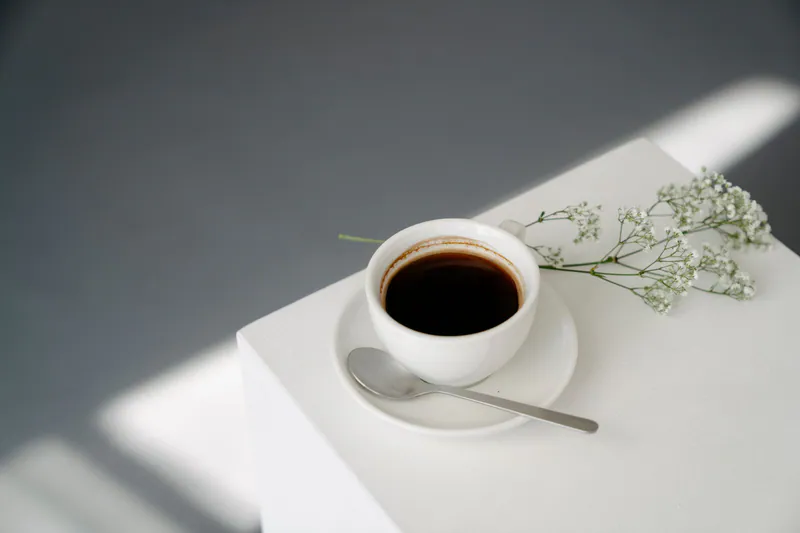
Caffè americano
International · 3 min · 3 kcal · Vegetarian
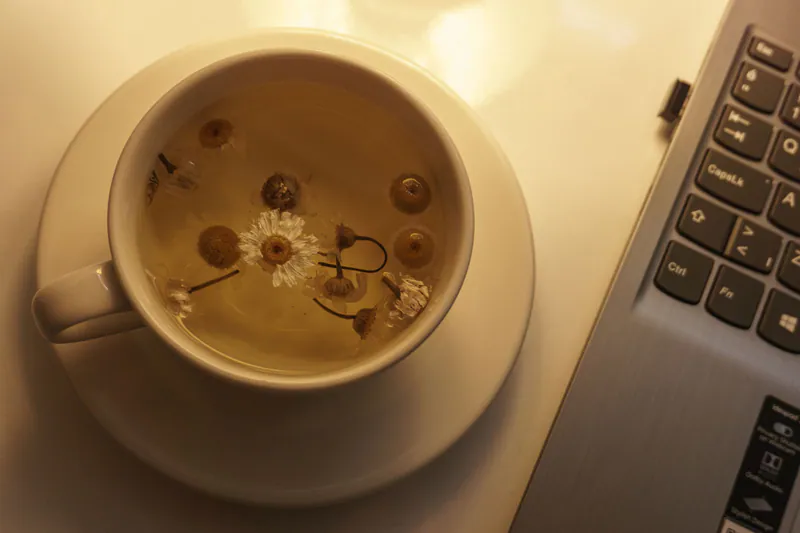
Chamomile tea
International · 9 min · 0 kcal · Vegetarian
Chickpea and Bulgur Herb Salad
Mediterranean · 40 min · 415 kcal · Vegan
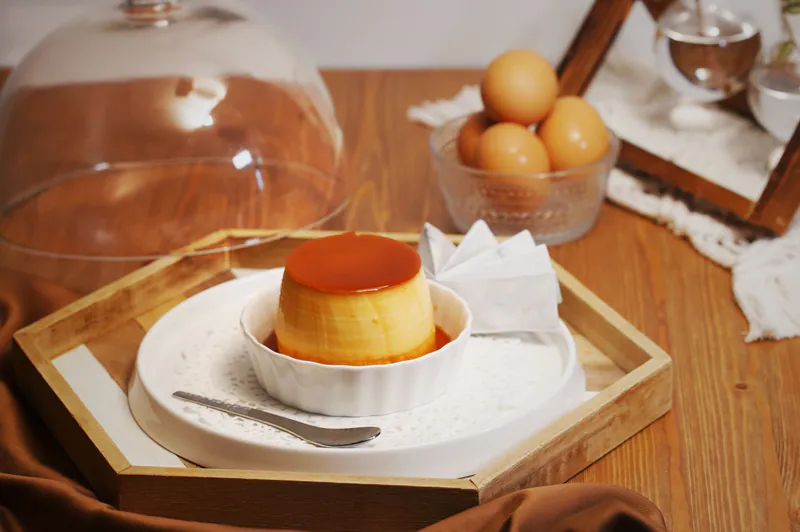
Crème caramel
 French · 5 h 5 min · 254 kcal · Contains egg
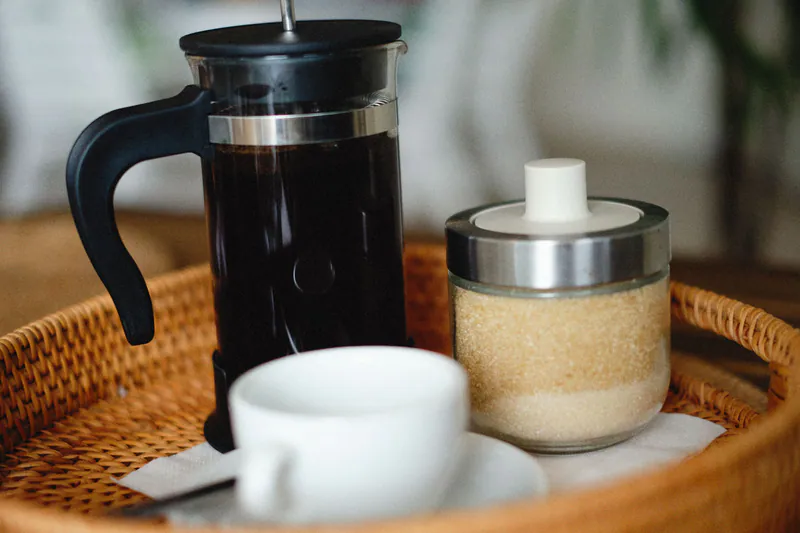
French press coffee
International · 8 min · 5 kcal · Vegetarian
Hojicha latte
 Japanese · 6 min · 113 kcal · Vegetarian
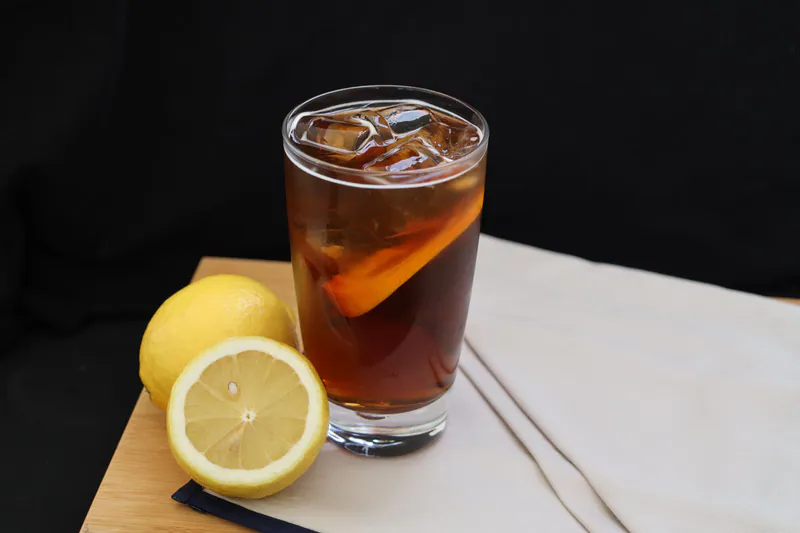
Homemade Lemon Iced Tea
International · 1 h 10 min · 48 kcal · Vegan
Iced matcha espresso fusion
International · 5 min · 97 kcal · Vegetarian
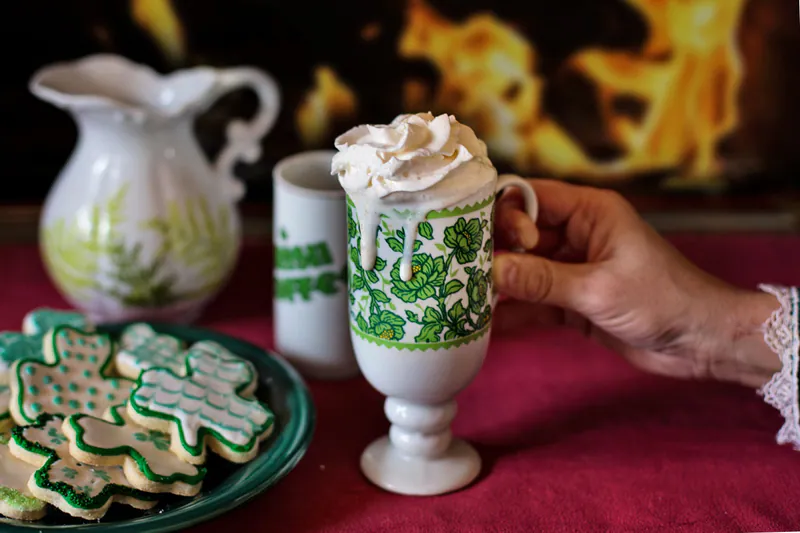
Irish coffee (contains alcohol)
 Irish · 9 min · 260 kcal · Vegetarian
Japanese iced coffee (flash-brewed)
Japanese · 8 min · 4 kcal · Vegan
20 more
- Caffè d'orzo (roasted barley coffee) · Italian
- Chicory coffee (café au lait style) · Southern US
- Kısır (bulgur salad) · Turkish
- Kopi tubruk · Indonesian
- London fog · Canadian
- Mate (yerba mate in a gourd) · Argentine
- Mint sauce · British
- Moka pot coffee · Italian
- Moroccan mint tea · Moroccan
- Œufs en cocotte (baked eggs with cream) · French
- Peach iced tea · International
- Pots de crème au chocolat · French
- Pour-over coffee (V60-style) · International
- Rooibos tea · South African
- Sencha (Japanese green tea) · Japanese
- South Indian filter coffee · Indian
- Soya paratha · Indian
- Turkish tea · Turkish
- Usucha (thin matcha) · Japanese
- Vietnamese coconut coffee (cà phê cốt dừa) · Vietnamese