
Utensils & kitchen tools · Teapot
Teapot
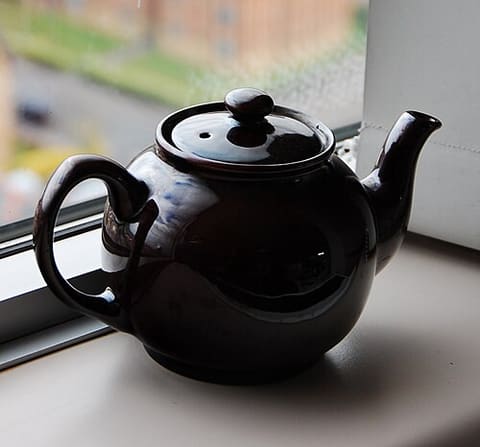
A lidded pot with a spout and handle for brewing loose-leaf tea or tea bags and serving it.
Useful to have · No power needed · 9 recipes
Photo: Mendhak, via Wikimedia Commons (CC-BY-SA-2.0)
What it is
A round or squat vessel with a spout, a handle and a lid, often with a built-in strainer or removable infuser basket. It is a serving and brewing vessel, not a heater: hot water is poured in from a kettle. Indian chai, by contrast, is usually boiled in a saucepan.
What it’s for: Steeping tea leaves in hot water and pouring it into cups without the leaves.
How to use it
- Warm the pot with a little hot water and pour it out.
- Add loose tea or bags, about one teaspoon of leaf per cup.
- Pour in water at the right temperature for the tea type.
- Steep for the recommended time, then pour, or remove the infuser to stop the brew.
Good to know
- Tasks
- brewing black, green and herbal teas, serving tea at the table, making iced tea concentrate
- Materials
- ceramic, porcelain, glass, cast iron, stainless steel, clay
- Care and cleaning
- Rinse after each use. Unglazed clay pots are rinsed with water only, as they absorb flavours. Remove tannin stains with baking soda.
- Limitations
- Not for heating water; leaves left in too long make tea bitter.
Safety
- Hold the lid while pouring.
- Cast-iron teapots get very hot; most are not meant for direct heat.
If you don’t have one
- French press / cafetière — Brews loose tea and separates the leaves with its plunger.
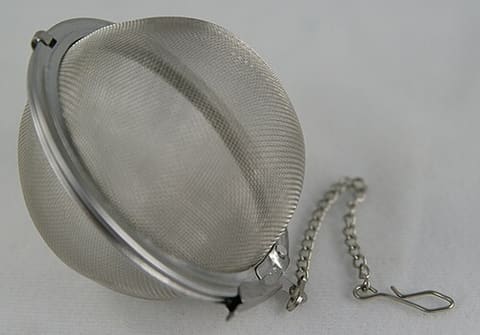
- Tea infuser / strainer — Brews straight in the cup.
Equipment guide
How it works: A teapot holds leaves and hot water together for a set time so flavour and caffeine can extract, then lets you pour the liquor away from the leaves. A heavy or pre-warmed pot keeps the water hotter for longer; a built-in or basket strainer separates leaves from the tea.
| Material | Good | Watch out |
|---|---|---|
| Porcelain or bone china | Non-porous, does not hold flavours, good for any tea. | Can chip and crack. |
| Unglazed clay | Traditionally said to round off flavour; holds heat. | Porous, so it absorbs flavours and is usually kept for one type of tea; must not be washed with soap. |
| Borosilicate or tempered glass | Non-reactive, lets you see the browning on the sides and base; holds heat well once hot. | Slow to heat; can shatter with sudden temperature changes (e.g. cold liquid into a hot dish, or from fridge to hot oven). |
| Cast iron (enamel-lined) | Retains heat very well. | Heavy; not for boiling water on the hob unless designed for it; lining can chip. |
- Western teapot
- Large pot for bags or leaves.
- Teapot with removable infuser basket
- Easy to stop steeping.
- Small gongfu pot or gaiwan
- Short, repeated infusions of high-leaf tea.
Buying guidance
Starting out: A 600–1000 ml porcelain or glass pot with a removable infuser.
- Capacity matched to how many cups you drink
- Infuser large enough for leaves to expand
- Drip-free spout
- Lid that stays on when pouring
No brands or prices — check current reviews before buying.
Related tools
Recipes that use it
British tea with milk
 British · 6 min · 19 kcal · Vegetarian
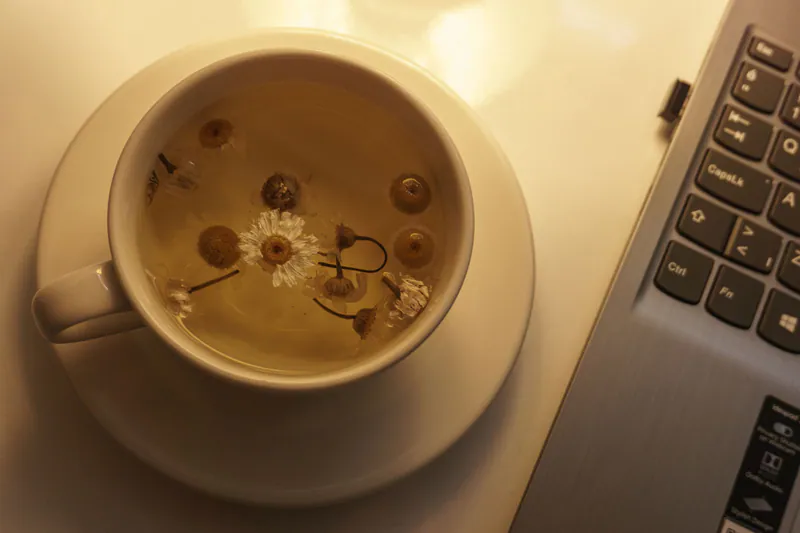
Chamomile tea
International · 9 min · 0 kcal · Vegetarian
Kashmiri kahwa
 Indian · 13 min · 43 kcal · Vegan
Mauritanian atay (green tea ceremony)
 Mauritanian · 45 min · 58 kcal · Vegan
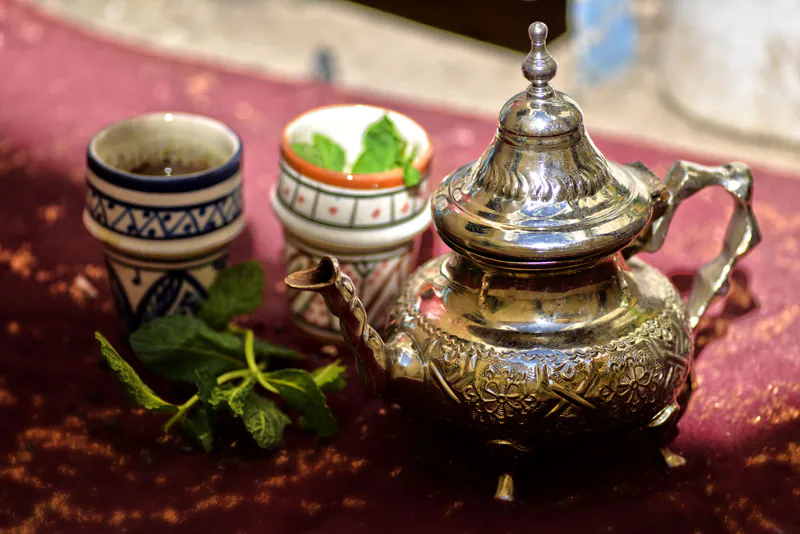
Moroccan mint tea
 Moroccan · 13 min · 37 kcal · Vegan
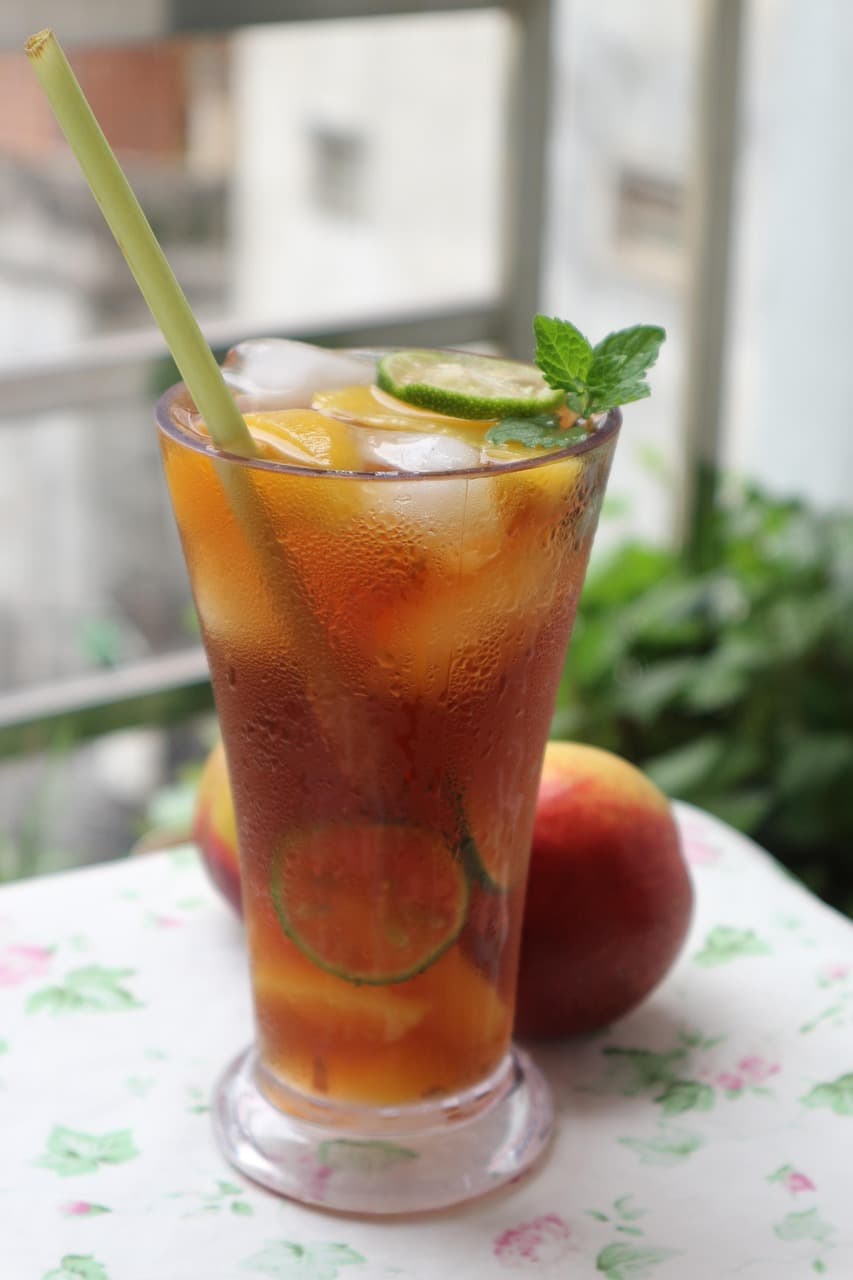
Peach iced tea
International · 1 h 25 min · 75 kcal · Vegan
Rooibos tea
 South African · 9 min · 0 kcal · Vegetarian
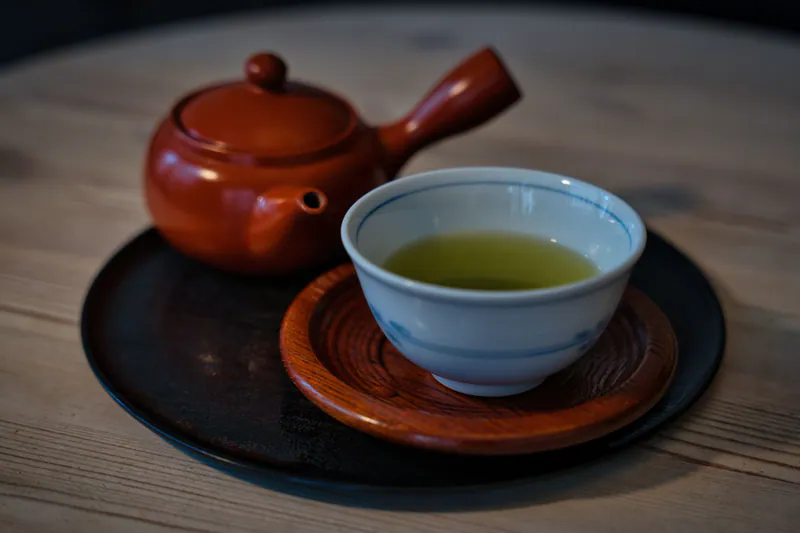
Sencha (Japanese green tea)
 Japanese · 7 min · 0 kcal · Vegan
Turkish tea
 Turkish · 22 min · 0 kcal · Vegan