
Yukgaejang (spicy Korean shredded beef soup)
Non-vegetarian
육개장 · yukgaejang
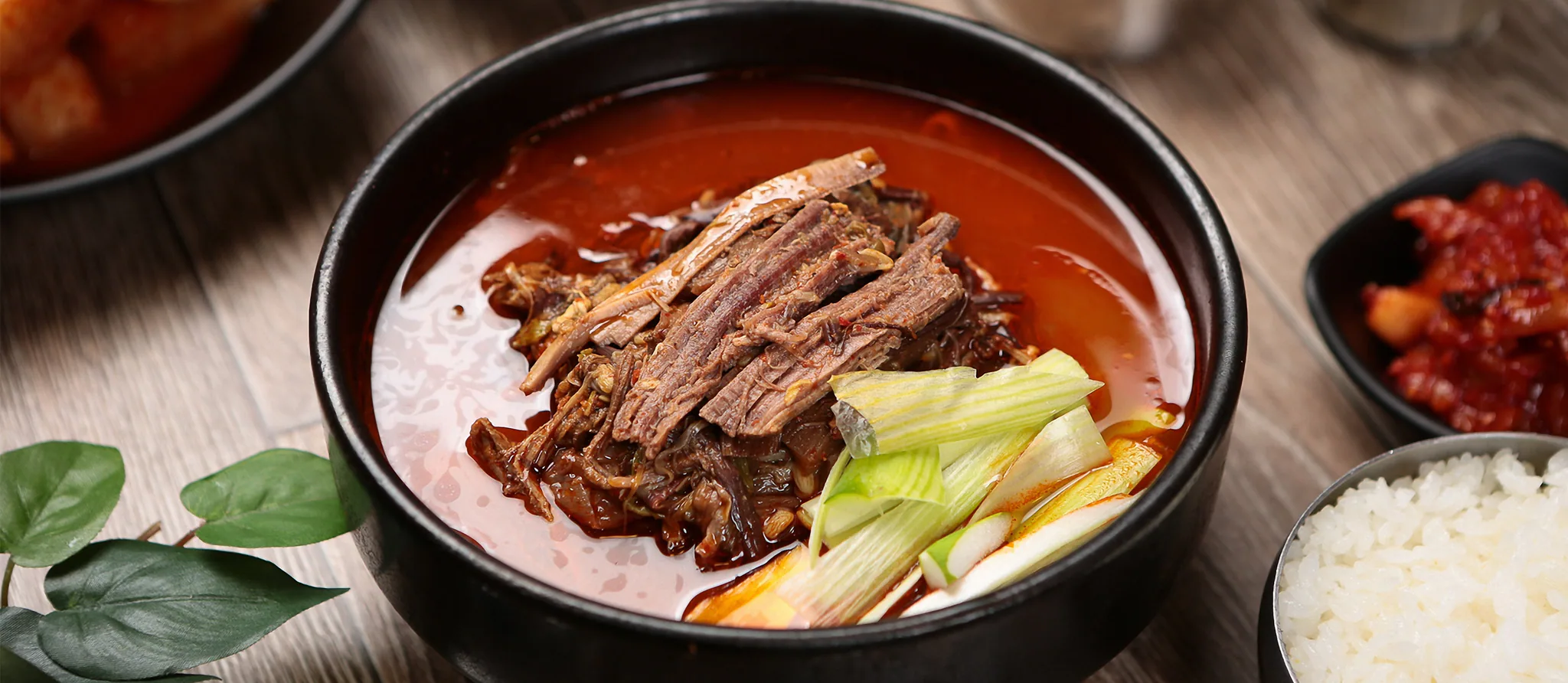
A fiery red soup of slow-simmered brisket pulled into shreds and cooked with bracken fern, bean sprouts and plenty of spring onion in a broth seasoned with chilli flakes, sesame oil, garlic and soy. Eaten piping hot with rice, often to sweat out summer heat or a cold.
Yukgaejang (spicy Korean shredded beef soup) is a Korean soup from South Korea, ready in about 2 hours 30 minutes and made with beef brisket, gochugaru (korean chilli flakes) and gosari (dried bracken fern). It serves 4 and is rated intermediate to cook.
- Prep
- 30 min
- Cook
- 2 h
- Total
- 2 h 30 min
- Serves
- 4
- Level
- Intermediate
- Calories
- 652
Plus soaking the dried gosari overnight if starting from dry.
Main ingredients
Ingredients
For the broth
For the chilli seasoning
For the soup
To serve
Method
Broth
1 h 40 minStep 1
Put the brisket (opens in a new tab), water, onion (opens in a new tab), whole garlic (opens in a new tab) and ginger in a large pot. Bring to the boil, skim off the scum, then simmer partly covered until the beef is very tender, about 1½ hours.
- 90 min
- low heat
- Stockpot / large pot (opens in a new tab)
Step 2
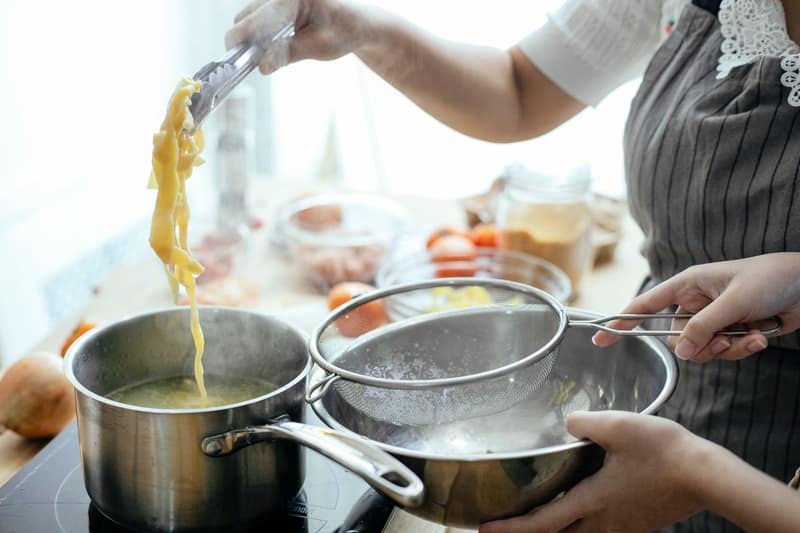
Lift out the beef and cool slightly. Strain the broth and discard the aromatics; you should have about 1.8 litres. Pull the beef into thin shreds along the grain.
- 10 min
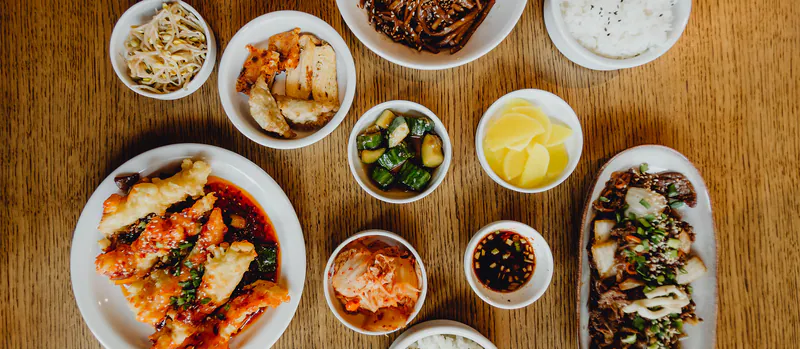
How it looks · Photo: Katerina Holmes on Pexels
Chilli seasoning
31 minStep 3
Blanch the gosari (opens in a new tab) in boiling water for 5 minutes if it is still tough, then drain. In a large bowl mix the gochugaru (opens in a new tab), sesame oil (opens in a new tab), minced garlic (opens in a new tab), soy sauce (opens in a new tab), fish sauce (opens in a new tab) and pepper (opens in a new tab) into a paste. Add the shredded beef, gosari, bean sprouts, spring onion (opens in a new tab) and mushrooms and massage the seasoning in with your hands (wear gloves).
Seasoning the meat and vegetables before they go into the broth is what gives yukgaejang its deep, even flavour.
Step 4
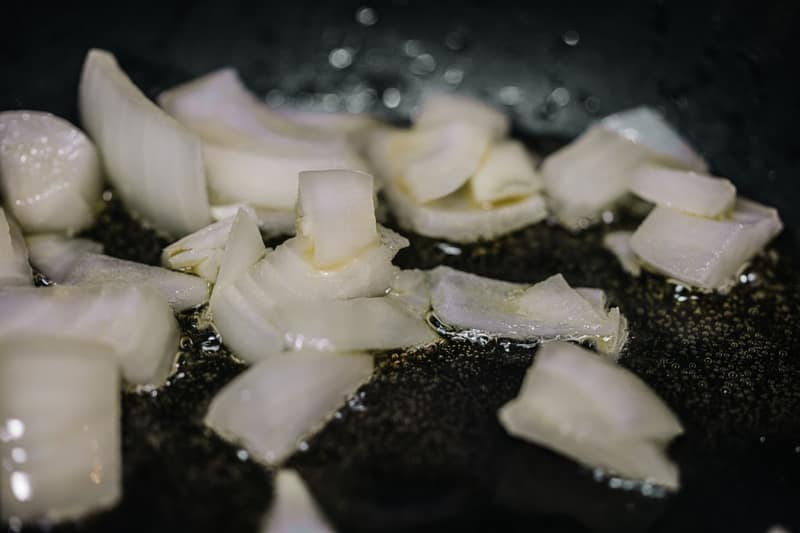
Put the seasoned beef and vegetables in the pot and fry over medium heat for 3 minutes until fragrant and the chilli oil turns red. Pour in the strained broth, bring to the boil and simmer for 20 minutes until the sprouts and spring onion (opens in a new tab) are soft and sweet.
- 23 min
- medium heat
How it looks · Photo: Magda Ehlers on Pexels
Soup
6 minStep 5
Add the drained glass noodles (opens in a new tab) for the last 5 minutes. Season with salt or more soy. Just before serving, drizzle the beaten egg (opens in a new tab) over the surface and let it set into ribbons without stirring.
- 6 min
- medium heat
To serve
2 minStep 6
Ladle (opens in a new tab) into bowls and serve bubbling hot with steamed rice.
Food safety: Cooked rice can carry Bacillus cereus spores that survive cooking; cool leftover rice quickly and refrigerate it within an hour.
At a glance
1 · Broth in a pot
 Beef brisket
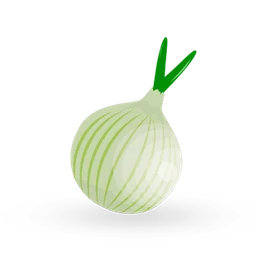 Onion
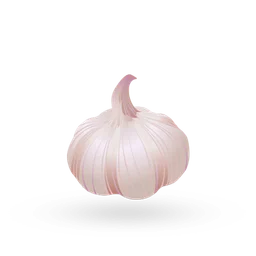 Garlic
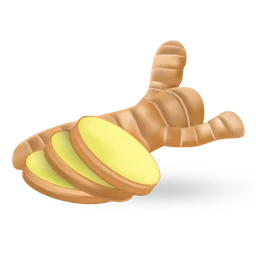 Fresh ginger
then blanch
2 · Chilli seasoning in a pot
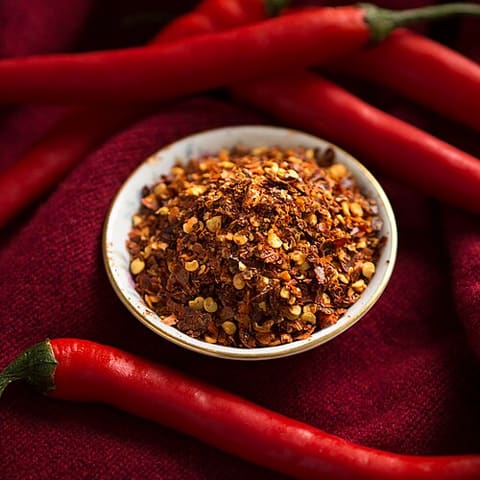 Gochugaru (Korean chilli flakes)
 Toasted sesame oil
- Garlic
 Soy sauce
 Fish sauce
 Black pepper
then add
3 · Soup in a pot
- Gosari (dried bracken fern)
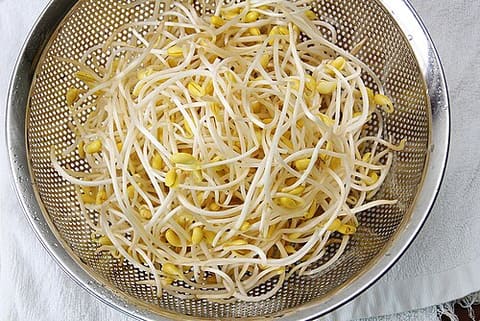 Soybean sprouts
- Spring onion
 Shiitake mushrooms
 Glass noodles
 Egg
 Salt
then ladle
4 · To serve in a pot
 Short-grain rice
About this dish
- Origin
- Korea (associated with Daegu), South Korea · Commonly attributedDeveloped as a beef alternative to dog-meat soup (gaejang); Daegu-style yukgaejang uses lots of daepa (large spring onion).More food from South Korea
South Korea - Dish
- Lunch · Dinner · Soups · Main courses
- Cooking method
- Boiled, Simmered
- Taste
- spicy (chilli heat), savoury, umami, garlicky
- Diet
- Dairy-free · No nut ingredients · High-proteinWithout the optional extras: Egg-freeWorked out from the ingredients. How labels work
All labels
Non-vegetarian · Dairy-free · No nut ingredients · No added sugar · Alcohol-free · Pork-free · High-protein · Low-fat - Good for
- Batch cooking · Freezer-friendly · One-pot
- Cook more with
- Beef brisket · Gochugaru (Korean chilli flakes) · Spring onion · Onion · Garlic · Fresh ginger
- Techniques
- Boiling · Simmering · Blanching · Stock making
Allergens
- Contains, can be adapted: Eggsfrom egg
- Contains, can be adapted: Fishfrom fish sauce
- May contain: Crustaceansfrom fish sauce
- Contains: Wheatfrom soy sauce
- Contains: Glutenfrom soy sauce
- Contains: Soyfrom soy sauce, soybean sprouts
- Contains: Sesamefrom toasted sesame oil
Based on typical versions of these ingredients and not verified allergen-free. Brands differ and cross-contact happens, so always check labels. For severe allergies, follow your clinician’s advice.
Nutrition
652 kcal per serving
Estimated1 serving ≈ 1014 g · recipe makes 4
Where the energy comes from
- Protein 25%
- Carbohydrate 47%
- Fat 28%
| Nutrient | Per serving | Per 100 g* |
|---|---|---|
| Energy | 652 kcal | 64 kcal |
| Protein | 42.6 g | 4.2 g |
| Carbohydrate | 78.6 g | 7.7 g |
| Net carbohydrate | — | — |
| Sugars | — | — |
| Added sugars | 0 g | 0 g |
| Fibre | — | — |
| Fat | 21 g | 2.1 g |
| Saturated fat | 4.6 g | 0.5 g |
| Trans fat | — | — |
| Cholesterol | 80 mg | 8 mg |
| Sodium | 1416 mg | 140 mg |
| Salt equivalent | 3.5 g | 0.3 g |
Vitamins & minerals per serving
- Potassium
- 1144 mg
- Calcium
- 180 mg
- Iron
- 5.8 mg
- Magnesium
- 125 mg
- Vitamin A (RAE)
- —
- Vitamin C
- 24 mg
- Vitamin D
- 0.1 µg
- Vitamin B12
- 2.9 µg
- Folate (DFE)
- 129 µg
How these numbers were made
- Calculated from USDA FoodData Central (SR Legacy) per-100 g values and the listed quantities.
- *Per 100 g of combined raw ingredients; the cooked dish may weigh more or less.
- Optional ingredients are not included: fish sauce, shiitake mushrooms, glass noodles, egg.
- Beef brisket: Beef chuck (raw) used as a stand-in; whole packer brisket has a similar mix of lean and fat, with more fat in the point and less in the flat.
- Gochugaru (Korean chilli flakes): Ground red (cayenne) pepper used as a stand-in: no gochugaru entry in FDC SR Legacy; both are dried, ground Capsicum annuum used in spoon amounts.
- Gosari (dried bracken fern): Canned bamboo shoots, drained (FDC 169212), used as a stand-in for rehydrated bracken fern stems, a similarly low-energy, fibrous vegetable. No bracken entry is in the imported FDC set.
- “—” means the value isn’t known for enough of the ingredients; it is never zero by default.
- Values are estimates for guidance, not for medical dosing. U.S. Department of Agriculture, Agricultural Research Service. FoodData Central, 2019. fdc.nal.usda.gov.
Good to know
Tips
- Soak dried gosari overnight, then boil it for 20 minutes and leave it to cool in the water; this removes its bitterness and makes it tender.
- Make it a day ahead — the flavour deepens overnight.
Common mistakes
- Using lean stewing beef that will not shred; brisket or flank pulls into the right long threads.
Serve with
- Serve with a bowl of rice to tip into the soup, kimchi and a few banchan.
Food safety
- Raw bracken contains ptaquiloside; always soak and boil dried gosari thoroughly before use, as Korean cooks do.
Storage
- Keeps 4 days in the fridge; freezes for 2 months (add the egg and noodles when reheating).
Reheating
- Bring back to a full boil before serving.
Variations
- Dakgaejang: Made the same way with shredded chicken instead of beef.
- Daegu yukgaejang: Uses a very large amount of daepa (Korean leek) and less beef, giving a sweeter, oniony broth.
Original editorial recipe · FriendsPantry editorial · source: TasteAtlas (dish facts) · Not yet independently reviewed · Added
Recipe DNA
How this dish is built
Built from the recipe’s own sections. Each band’s width is its share of the dish by weight. Choose a component to see what it does.
The liquid foundation
For the broth
- Beef brisket, in 2–3 large pieces, soaked in cold water for 20 minutes to draw out blood500 g
- Water2.5 l · 2500 g
- Onion, halved1 piece · 110 g
- Garlic, whole5 clove · 20 g
- Fresh ginger, sliced10 g
Reviews & corrections
Reviews come from signed-in cooks and appear after a moderator checks them. We never show made-up ratings.
You might also like
Kimchi jjigae
 Korean · 40 min · 426 kcal
Seolleongtang
Korean · 6 h 20 min · 232 kcal
Samgyetang
Korean · 2 h · 905 kcal
Sundubu jjigae
Korean · 30 min · 508 kcal