
Vegetables · Pods, beans & sprouts
Soybean sprouts
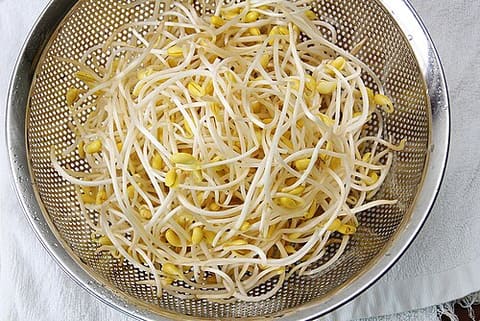
Sprouted yellow soybeans with crunchy stems and big nutty heads; central to Korean namul and soups.
Also called: kongnamul, soy bean sprouts, yellow bean sprouts
Around the world: 콩나물, kongnamul (ko)
Photo: Hyeon-Jeong Suk, via Wikimedia Commons (CC-BY-2.0)
What it is
Soybean sprouts have long, thick white stems topped with large, yellow, split bean heads, unlike mung bean sprouts with small green heads. They are nuttier and firmer and are always cooked. In Korea (kongnamul) they are blanched for side dishes and simmered in soups.
Glycine max (sprouted)
How it’s used
- Kongnamul muchim (seasoned side dish)
- Kongnamul guk soup
- Bibimbap topping
- Steamed with rice (kongnamul bap)
- Spicy braises
Characteristics
Storage
Refrigerated. Refrigerate and use within a day or two; discard if brown or slimy.
Diet, allergens and safety
Contains Soy.
- Vegetarian
- Vegan
- Dairy-free
- Egg-free
- Gluten-free
- Nut-free
- Soy-free
- Caffeine-free
- Contains soy (allergen).
- Cook sprouts thoroughly; raw sprouts carry a food-poisoning risk.
Nutrition per 100 g
- Energy
- 122 kcal
- Protein
- 13.09 g
- Carbohydrate
- 9.57 g
- Fat
- 6.7 g
- Fibre
- 1.1 g
- Sugars
- — g
USDA FoodData Central: Soybeans, mature seeds, sprouted, raw.
Substitutes
Optional — what works if you don’t have it, and how it changes the dish.
- Bean sprouts — Cook more briefly; less nutty.
Related ingredients
Recipes with soybean sprouts
Kongnamul muchim
 Korean · 11 min · 129 kcal · Vegan
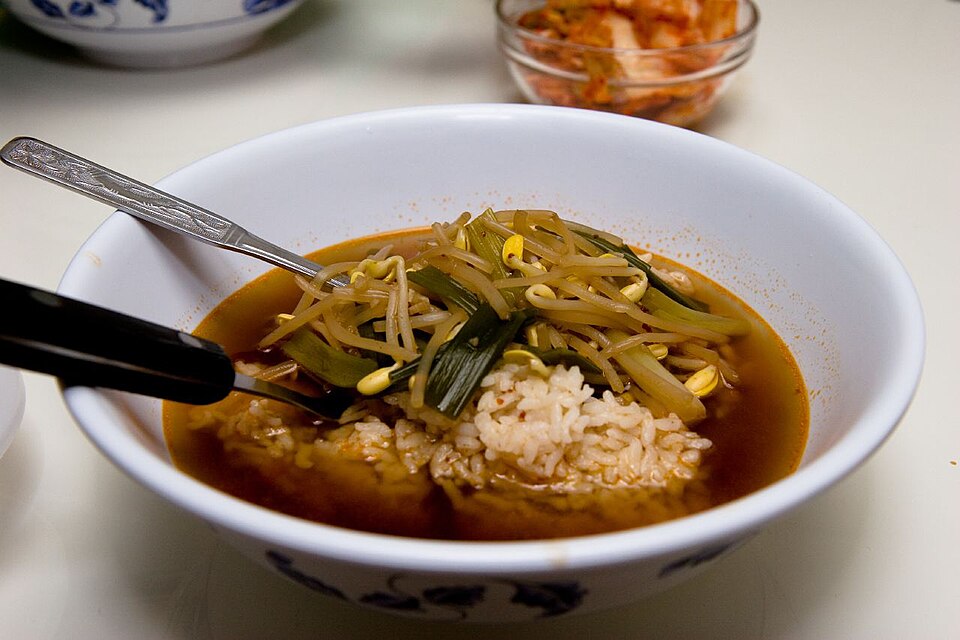
Kongnamul-guk
Korean · 30 min · 102 kcal · Vegan
More pods, beans & sprouts
Pods, beans & sprouts
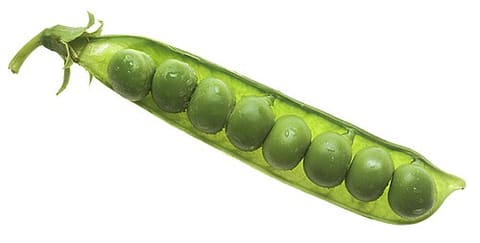
Green peas
Small, sweet green seeds from pea pods, usually sold frozen; added to curries, rice, pasta and soups.
30 recipes
Pods, beans & sprouts
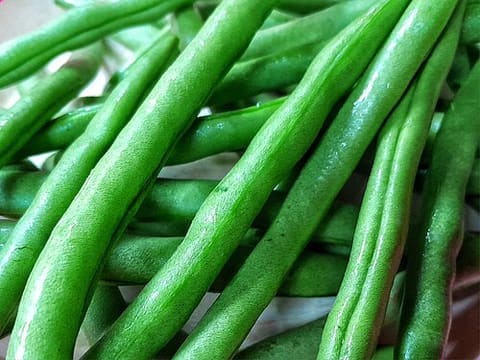
Green beans
Slender green pods (French beans) eaten whole, blanched, stir-fried or stewed.
43 recipes
Pods, beans & sprouts
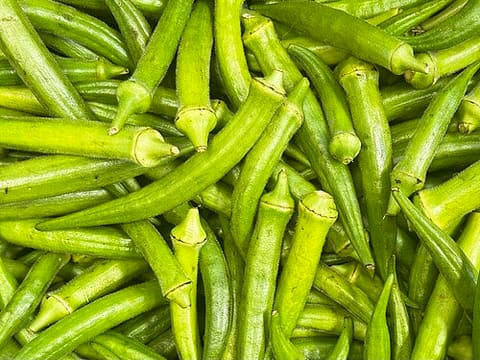
Okra
Ridged green pods (bhindi) with tender seeds; fried crisp or stewed, where they thicken the sauce.
20 recipes
Pods, beans & sprouts
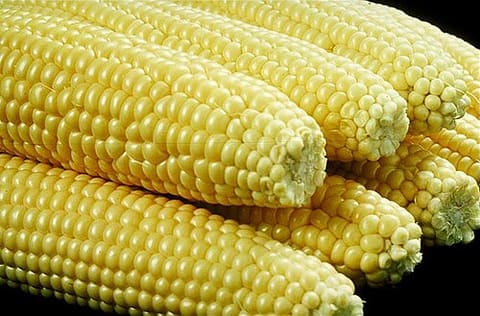
Sweet corn
Sweet yellow kernels on the cob or loose (fresh, frozen or canned), grilled, boiled or added to salads and soups.
30 recipes
Pods, beans & sprouts
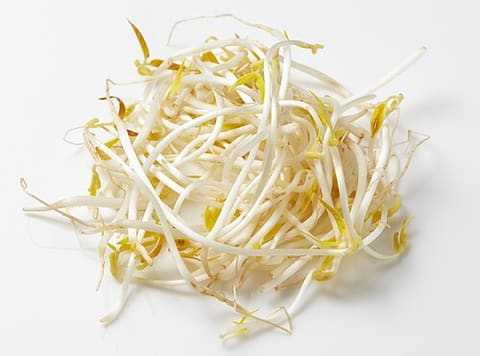
Bean sprouts
Crunchy white mung bean sprouts with tiny yellow-green heads, added raw or briefly cooked to noodles and stir-fries.
27 recipes
Pods, beans & sprouts
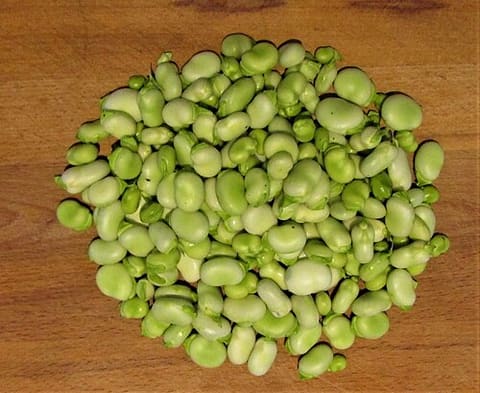
Broad beans (fresh or frozen)
Fresh or frozen green broad (fava) beans, podded and often skinned, for salads, dips, risottos and stews.
2 recipes