
Sangchu ssam (Korean lettuce wraps with pork belly)
Non-vegetarian
상추쌈 · sangchu-ssam
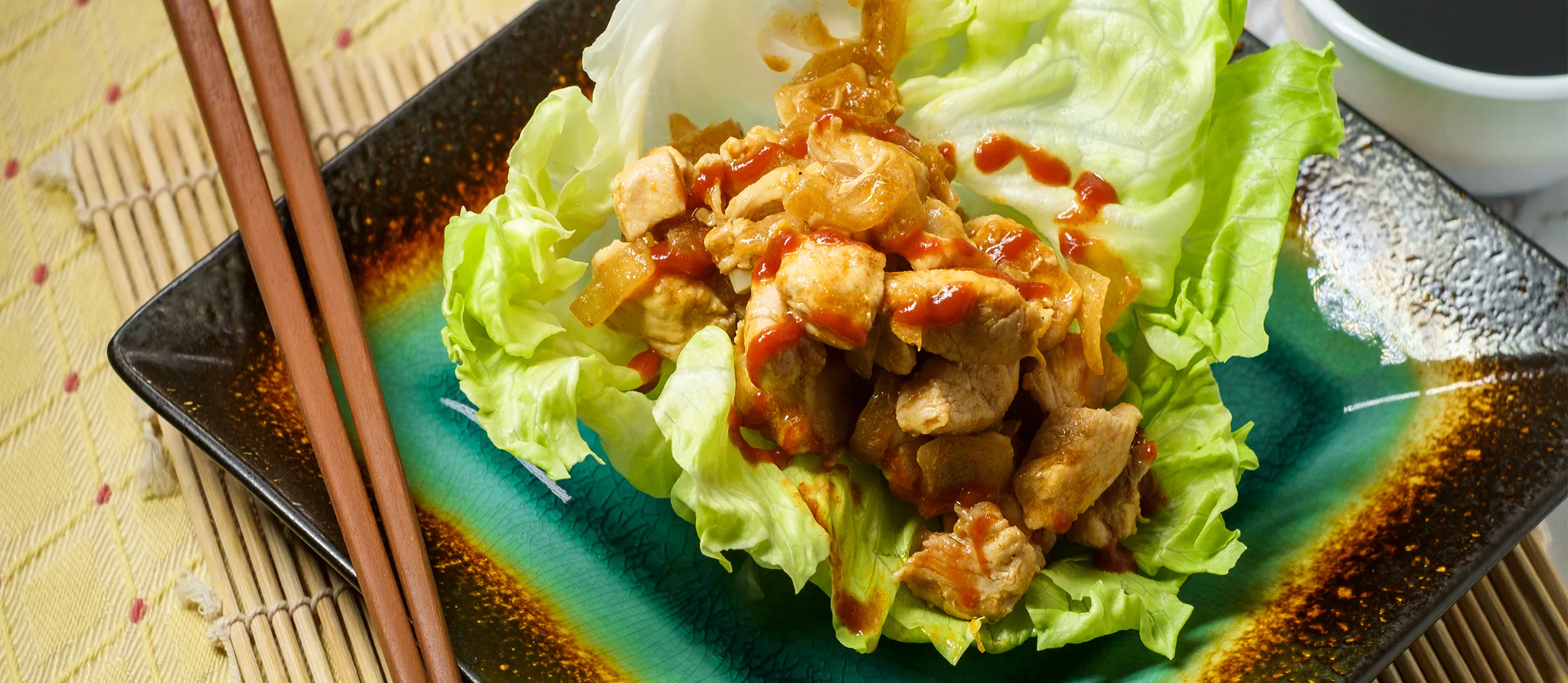
A do-it-yourself spread of crisp lettuce and perilla leaves for wrapping grilled pork belly, rice, ssamjang, raw garlic, chilli and a tangy spring-onion salad, each bite assembled at the table. The everyday way Koreans eat grilled meat, from samgyeopsal to bulgogi and galbi.
Sangchu ssam (Korean lettuce wraps with pork belly) is a Korean wrap from South Korea, ready in about 50 minutes and made with pork belly, lettuce and miso. It serves 4 and is rated easy to cook.
- Prep
- 25 min
- Cook
- 25 min
- Total
- 50 min
- Serves
- 4
- Level
- Easy
- Calories
- 1196
Main ingredients

Ingredients
For the meat
For wrapping
For the ssamjang
For the spring-onion salad (pa-muchim)
To serve
Method
Wrapping
20 minStep 1
Cook the rice in a rice cooker (opens in a new tab) or pot and keep warm.
Food safety: Cooked rice can carry Bacillus cereus spores that survive cooking; cool leftover rice quickly and refrigerate it within an hour.
Ssamjang
3 minStep 2
Mix the miso (opens in a new tab), gochujang (opens in a new tab), sesame oil (opens in a new tab), minced garlic (opens in a new tab), sesame seeds (opens in a new tab) and honey (opens in a new tab) to make the ssamjang.
Spring-onion salad (pa-muchim)
8 minStep 3
Drain the shredded spring onion (opens in a new tab) well and toss with the gochugaru (opens in a new tab), rice vinegar (opens in a new tab), soy sauce (opens in a new tab), sugar (opens in a new tab) and sesame oil (opens in a new tab) just before serving.
- 3 min
Step 4
Arrange the lettuce (opens in a new tab) and perilla leaves (opens in a new tab), sliced garlic (opens in a new tab), chillies and kimchi (opens in a new tab) on platters in the middle of the table.
Meat
15 minStep 5
Season the pork with salt and pepper (opens in a new tab) and cook on a very hot grill pan (opens in a new tab) or tabletop grill, in batches, until golden and crisp on both sides, 3–4 minutes per side. Snip into bite-size pieces with scissors as it cooks.
- 15 min
- high heat
- Grill pan (opens in a new tab)
- Tongs (opens in a new tab)
- Kitchen scissors (opens in a new tab)
Food safety: Wash hands, boards and knives after handling raw meat, and keep it apart from salad and other ready-to-eat food.
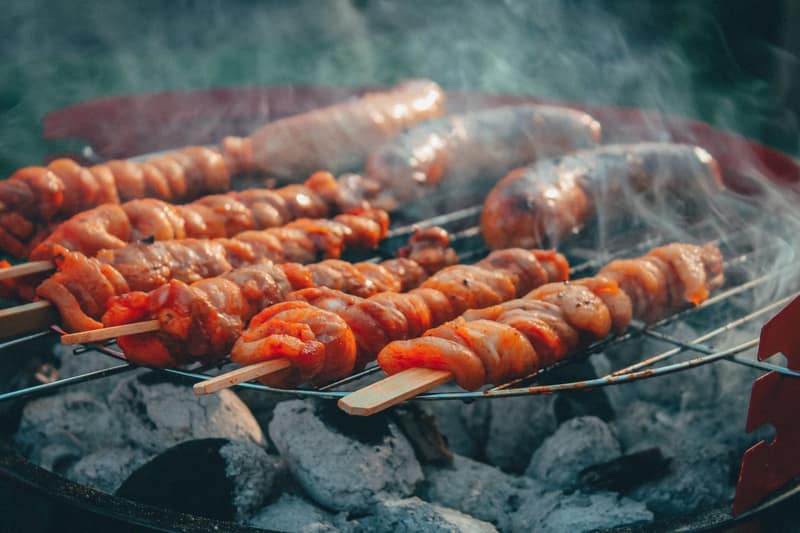
How it looks · Photo: Malte Luk on Pexels Step 6
To eat, lay a lettuce (opens in a new tab) leaf (with a perilla leaf on top) in your palm, add a little rice, a piece of pork, a dab of ssamjang, garlic (opens in a new tab), chilli and spring-onion salad, fold it into a parcel and eat it in one bite.
At a glance
1 · Wrapping in a pot
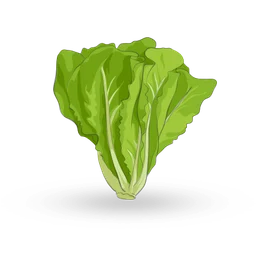 Lettuce
 Shiso leaves
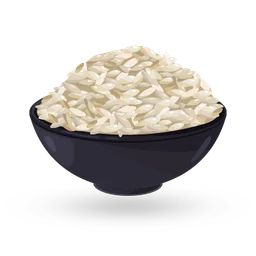 Short-grain rice
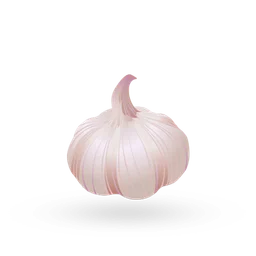 Garlic
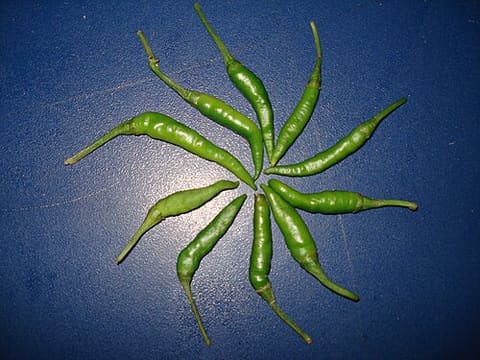 Green chilli
then mix
2 · Ssamjang in a bowl
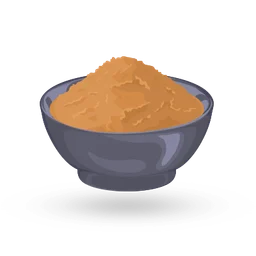 Miso
 Gochujang
 Toasted sesame oil
- Garlic
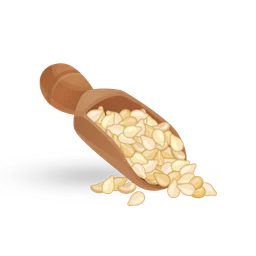 Sesame seeds
 Honey
then drain
3 · Spring-onion salad (pa-muchim) in a bowl
 Spring onion
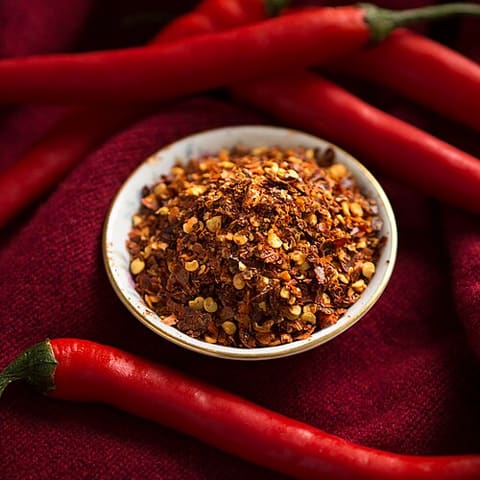 Gochugaru (Korean chilli flakes)
 Rice vinegar
 Soy sauce
 Sugar
- Toasted sesame oil
then season
4 · Meat in a pan
 Pork belly
 Salt
 Black pepper
About this dish
- Origin
- South Korea · Well documentedWrapping rice and side dishes in leaves (ssam) is an old Korean custom recorded since the Goryeo period; lettuce (sangchu) is the commonest wrapper.Also popular in United StatesMore food from South Korea
South Korea - Dish
- Lunch · Dinner · Wraps & rolls · Grills & kebabs · Main courses
- Cooking method
- Grilled, Pan-fried, Boiled
- Taste
- savoury, fresh, umami, spicy (chilli heat)
- Diet
- Dairy-free · No nut ingredients · High-proteinWorked out from the ingredients. How labels work
All labels
Non-vegetarian · Dairy-free · Egg-free · No nut ingredients · Alcohol-free · Beef-free · High-protein - Good for
- Everyday · Child-friendly
- Cook more with
- Pork belly · Lettuce · Miso · Short-grain rice · Garlic · Green chilli
- Techniques
- Grilling · Charcoal grilling · Pan-frying · Boiling
Allergens
- Contains, can be adapted: Fishfrom kimchi
- Contains, can be adapted: Crustaceansfrom kimchi
- Contains: Wheatfrom gochujang, soy sauce
- Contains: Glutenfrom miso, gochujang, soy sauce
- Contains: Soyfrom miso, gochujang, soy sauce
- Contains: Sesamefrom toasted sesame oil, sesame seeds
Based on typical versions of these ingredients and not verified allergen-free. Brands differ and cross-contact happens, so always check labels. For severe allergies, follow your clinician’s advice.
Nutrition
1196 kcal per serving
Estimated1 serving ≈ 532 g · recipe makes 4
Where the energy comes from
- Protein 8%
- Carbohydrate 26%
- Fat 65%
| Nutrient | Per serving | Per 100 g* |
|---|---|---|
| Energy | 1196 kcal | 225 kcal |
| Protein | 25.3 g | 4.8 g |
| Carbohydrate | 78.8 g | 14.8 g |
| Net carbohydrate | — | — |
| Sugars | — | — |
| Added sugars | — | — |
| Fibre | — | — |
| Fat | 86.8 g | 16.3 g |
| Saturated fat | 30.1 g | 5.7 g |
| Trans fat | — | — |
| Cholesterol | 108 mg | 20 mg |
| Sodium | 1083 mg | 204 mg |
| Salt equivalent | 2.7 g | 0.5 g |
Vitamins & minerals per serving
- Potassium
- 1090 mg
- Calcium
- 136 mg
- Iron
- 4.8 mg
- Magnesium
- 77 mg
- Vitamin A (RAE)
- —
- Vitamin C
- 23 mg
- Vitamin D
- —
- Vitamin B12
- 1.3 µg
- Folate (DFE)
- 361 µg
How these numbers were made
- Calculated from USDA FoodData Central (SR Legacy) per-100 g values and the listed quantities.
- *Per 100 g of combined raw ingredients; the cooked dish may weigh more or less.
- Optional ingredients are not included: shiso leaves, kimchi.
- Gochujang: Miso (FDC 172442) as a stand-in fermented soy paste; gochujang is sweeter (rice syrup) and hotter, so carbohydrate is understated.
- Gochugaru (Korean chilli flakes): Ground red (cayenne) pepper used as a stand-in: no gochugaru entry in FDC SR Legacy; both are dried, ground Capsicum annuum used in spoon amounts.
- Rice vinegar: Distilled vinegar (FDC 172237) used as a stand-in for unseasoned rice vinegar.
- “—” means the value isn’t known for enough of the ingredients; it is never zero by default.
- Values are estimates for guidance, not for medical dosing. U.S. Department of Agriculture, Agricultural Research Service. FoodData Central, 2019. fdc.nal.usda.gov.
Good to know
Tips
- Dry the leaves thoroughly; wet lettuce makes the wraps soggy and the ssamjang slides off.
- Keep each wrap small enough to eat in one bite, as Koreans do.
Common mistakes
- Overfilling the leaves so they tear.
Serve with
- Serve with doenjang-jjigae, kimchi and soju; finish with leftover rice fried in the pork fat.
Food safety
- Wash hands, boards and knives after handling raw meat, and keep it apart from salad and other ready-to-eat food.
- Cooked rice can carry Bacillus cereus spores that survive cooking; cool leftover rice quickly and refrigerate it within an hour.
Storage
- Prepared leaves keep 1 day wrapped in damp paper in the fridge; ssamjang keeps 2 weeks.
Variations
- Bulgogi ssam: Sweet soy-marinated beef bulgogi replaces pork belly.
- Hoe ssam: Raw fish slices wrapped with lettuce, chogochujang and garlic.
- Bossam: Boiled pork belly served with kimchi filling and napa cabbage leaves.
Original editorial recipe · FriendsPantry editorial · source: TasteAtlas (dish facts) · Not yet independently reviewed · Added
Sauces, chutneys & dips for this dish
Recipe DNA
How this dish is built
Built from the recipe’s own sections. Each band’s width is its share of the dish by weight. Choose a component to see what it does.
What the dish is built around
For the meat
- Pork belly, skinless, sliced 5 mm thick600 g
- Salt0.5 tsp · 3 g
- Black pepper0.25 tsp · 0.6 g
Reviews & corrections
Reviews come from signed-in cooks and appear after a moderator checks them. We never show made-up ratings.
You might also like
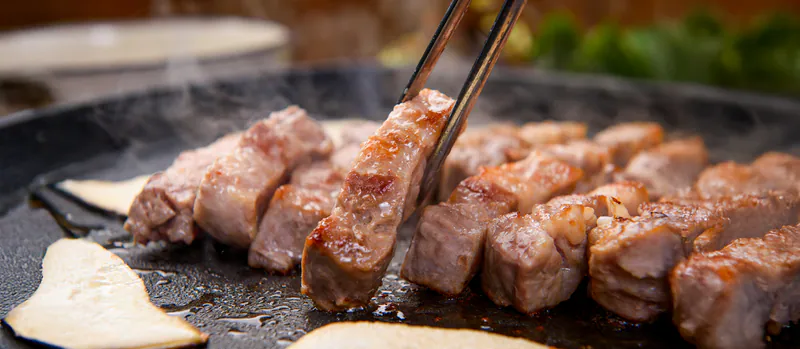
Samgyeopsal (Korean grilled pork belly)
 Korean · 45 min · 1276 kcal
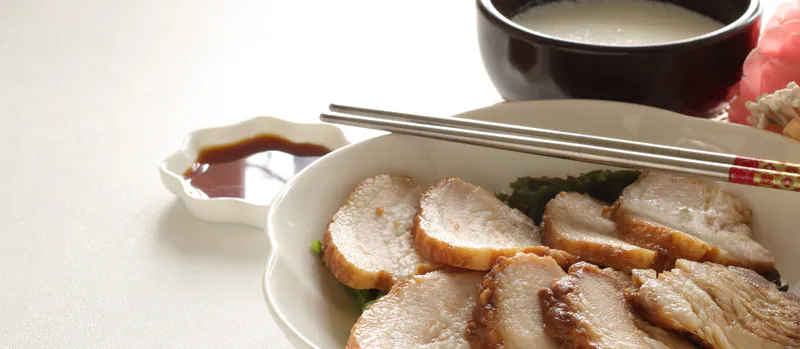
Bossam (Korean boiled pork wraps)
Korean · 3 h 40 min · 1449 kcal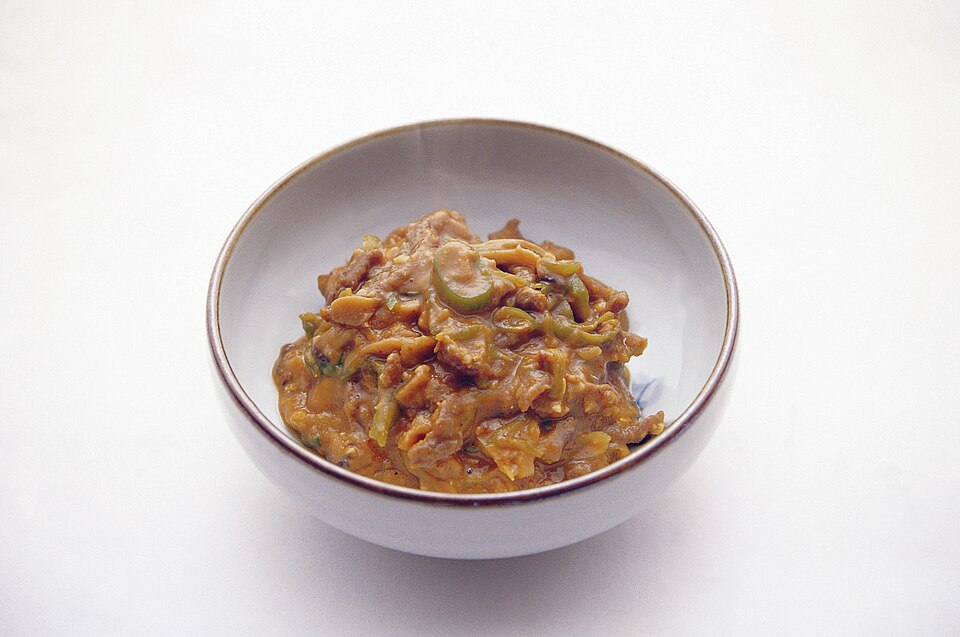
Ssamjang
Korean · 5 min · 51 kcal · Vegan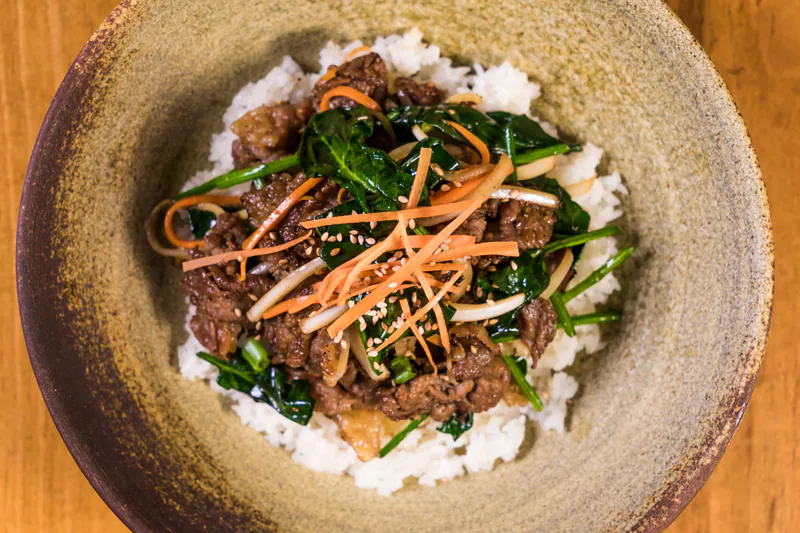
Beef bulgogi
Korean · 55 min · 288 kcal