
Vegetables · Pickled & preserved
Kimchi
Korean fermented napa cabbage with chilli, garlic, ginger and seafood seasonings; tangy, spicy and crunchy.
Also called: kimchee, baechu kimchi
Around the world: 김치 (ko)
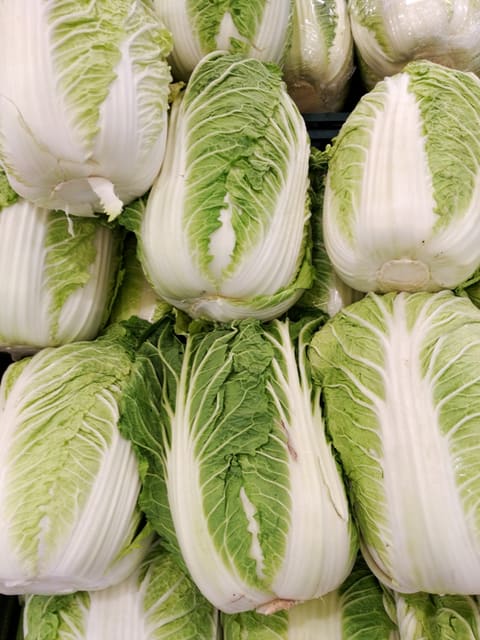
A kind of napa cabbage
What it is
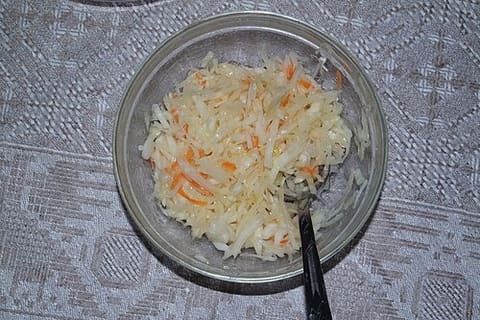
Kimchi is vegetables, most often napa cabbage, salted then fermented with gochugaru chilli, garlic, ginger, spring onion and usually fish sauce or salted shrimp. It starts fresh and crunchy and becomes sourer as it ages. Other kimchis use radish (kkakdugi) or cucumber. Sauerkraut is a European salted cabbage without chilli or seafood.
How it’s used
- Served as banchan with rice
- Fried into kimchi fried rice and pancakes
- Simmered in kimchi jjigae
- Topping for noodles, tacos and toasties
Characteristics
- Taste
- Sour, spicy, garlicky and savoury.
- Texture
- Crunchy, softening as it ages.
- When cooked
- Older, sourer kimchi is preferred for cooking; it keeps fermenting and building gas, so open jars carefully.
- Sold as
- fermented
- Cooking uses
- Usually eaten raw, Commonly cooked, Suitable for frying
- Common in
- Korean
Storage
Refrigerated. Refrigerate in a sealed container, pressing it under its juices; it continues to sour slowly. Discard if fuzzy mould appears.
Diet, allergens and safety
Contains Fish, Crustaceans.
- Vegetarian
- Vegan
- Dairy-free
- Egg-free
- Gluten-free
- Nut-free
- Soy-free
- Caffeine-free
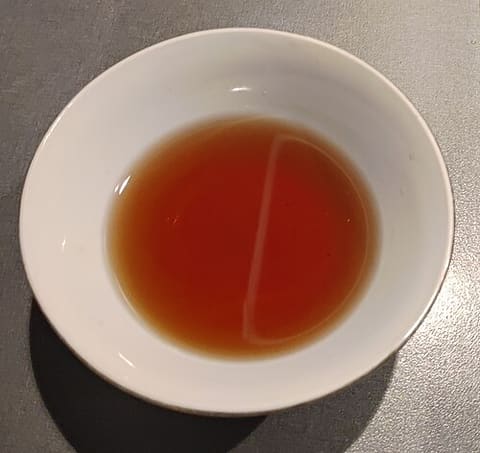
- Usually contains fish sauce and/or salted shrimp (fish and crustacean allergens); vegan kimchi is made without them.
Nutrition per 100 g
- Energy
- 15 kcal
- Protein
- 1.1 g
- Carbohydrate
- 2.4 g
- Fat
- 0.5 g
- Fibre
- 1.6 g
- Sugars
- 1.06 g
USDA FoodData Central: Cabbage, kimchi.
Substitutes
Optional — what works if you don’t have it, and how it changes the dish.
- Sauerkraut — With chilli flakes and garlic added; less complex.
Related ingredients
Recipes with kimchi
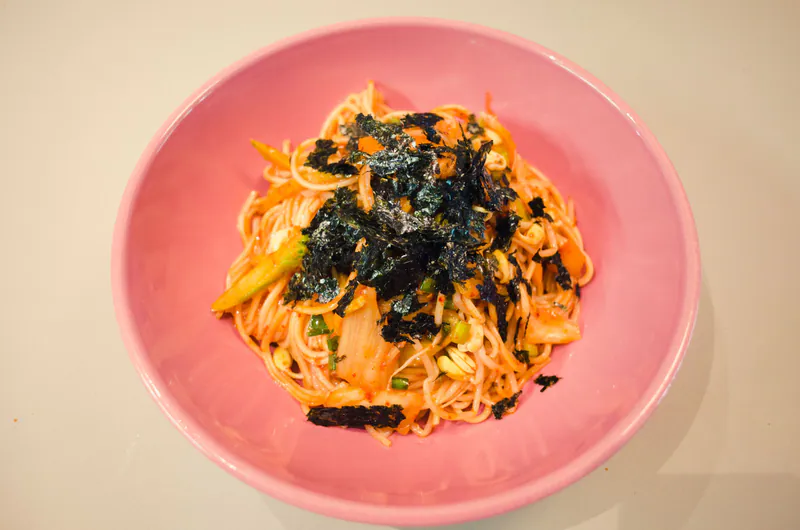
Bibim guksu
 Korean · 15 min · 527 kcal
Budae jjigae (army base stew)
Korean · 30 min · 740 kcal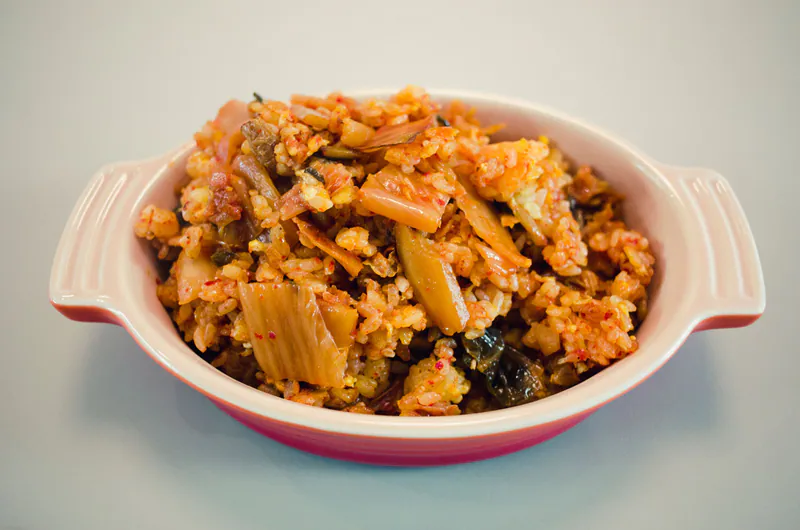
Kimchi fried rice
Korean · 22 min · 457 kcal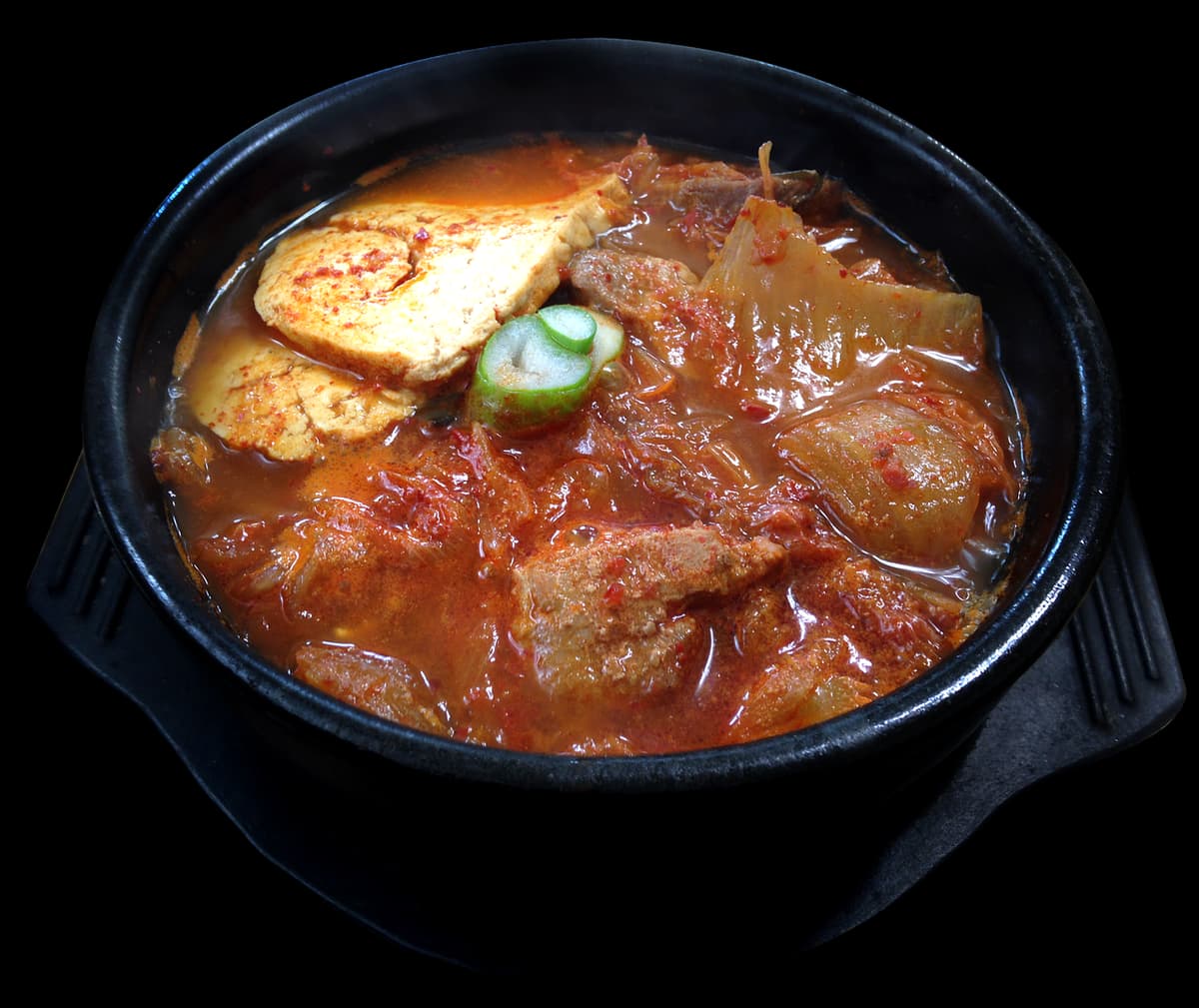
Kimchi jjigae
Korean · 40 min · 426 kcal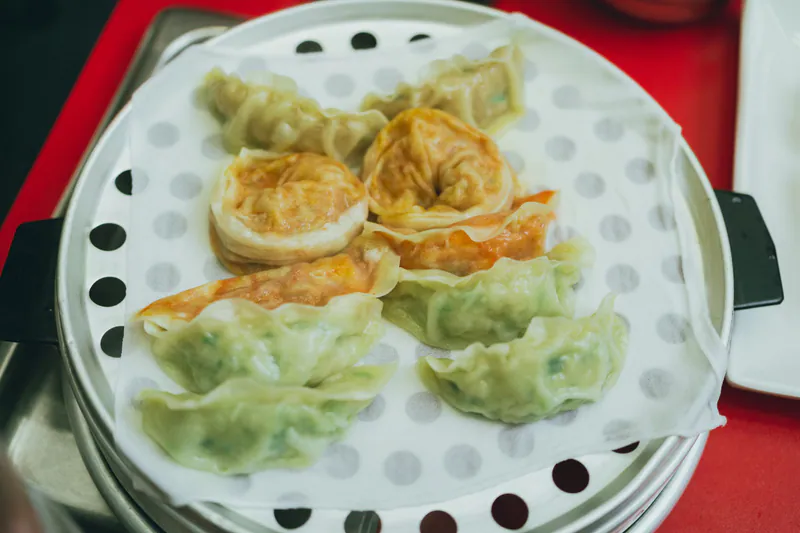
Kimchi mandu (kimchi dumplings)
Korean · 57 min · 546 kcal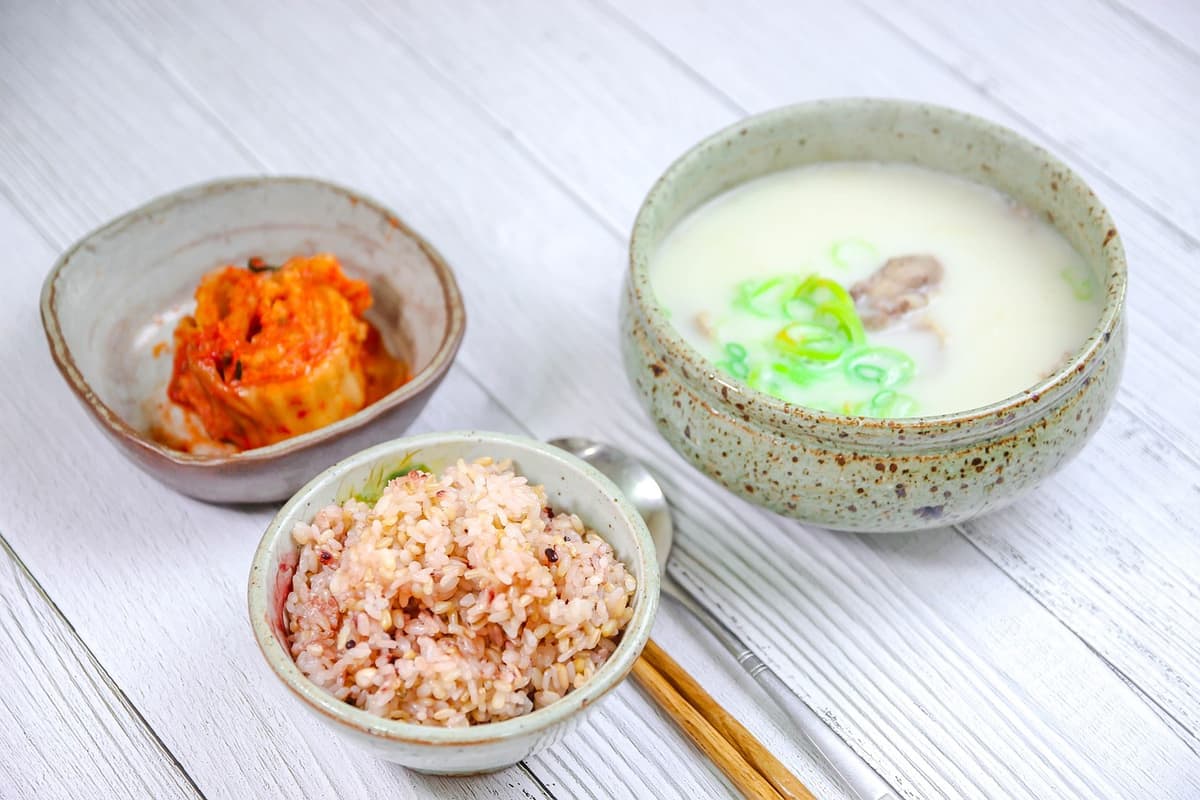
Seolleongtang
Korean · 6 h 20 min · 232 kcal
More pickled & preserved
Pickled & preserved
Canned tomatoes
Peeled tomatoes packed in juice, whole, chopped or crushed; a reliable base for sauces, soups and stews.
43 recipes
Pickled & preserved
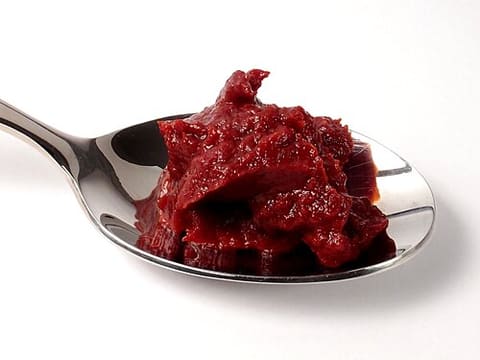
Tomato paste
Thick, concentrated cooked tomato sold in tubes, cans or jars, used by the spoonful for colour and depth.
114 recipes
Pickled & preserved
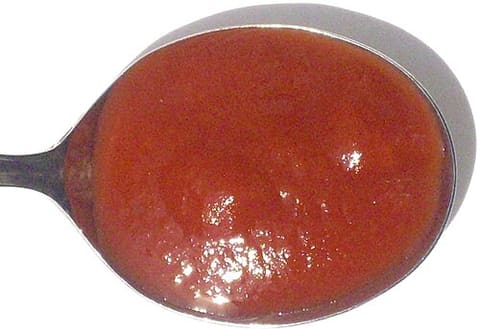
Tomato passata
Smooth, uncooked tomato purée strained of skins and seeds, sold in bottles or cartons as a ready sauce base.
20 recipes
Pickled & preserved
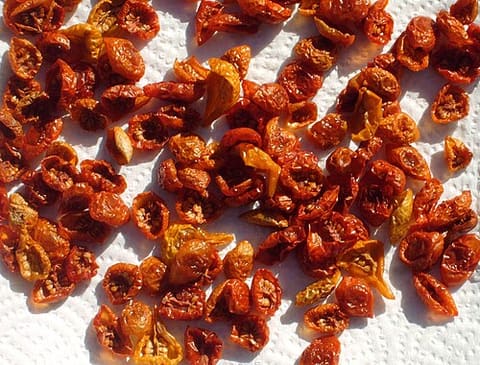
Sun-dried tomatoes
Tomato halves dried until chewy and intensely sweet-savoury, sold dry or packed in oil.
No recipes yet
Pickled & preserved
Roasted red peppers (jarred)
Red peppers roasted, peeled and preserved in jars; soft, smoky and ready for dips, salads and sauces.
5 recipes
Pickled & preserved
Black olives
Cured black or dark olives, such as Kalamata, eaten as a snack and used in salads, pizzas, stews and tapenade.
39 recipes
Pickled & preserved
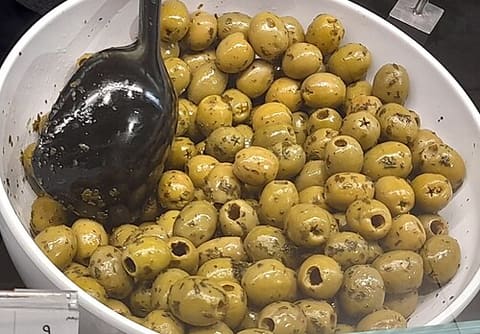
Green olives
Unripe olives cured in brine; firm, tangy and often stuffed with pimiento, garlic or almond.
15 recipes
Pickled & preserved
Capers
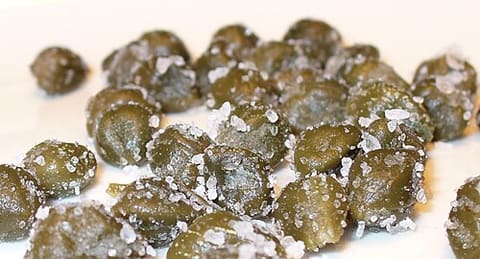
Small pickled flower buds of the caper bush, adding salty, tangy bursts to sauces, salads and fish.
21 recipes