
 French · Sweets & confectionery
Sablés (French butter cookies)
Contains egg (no meat or fish)
Sablés
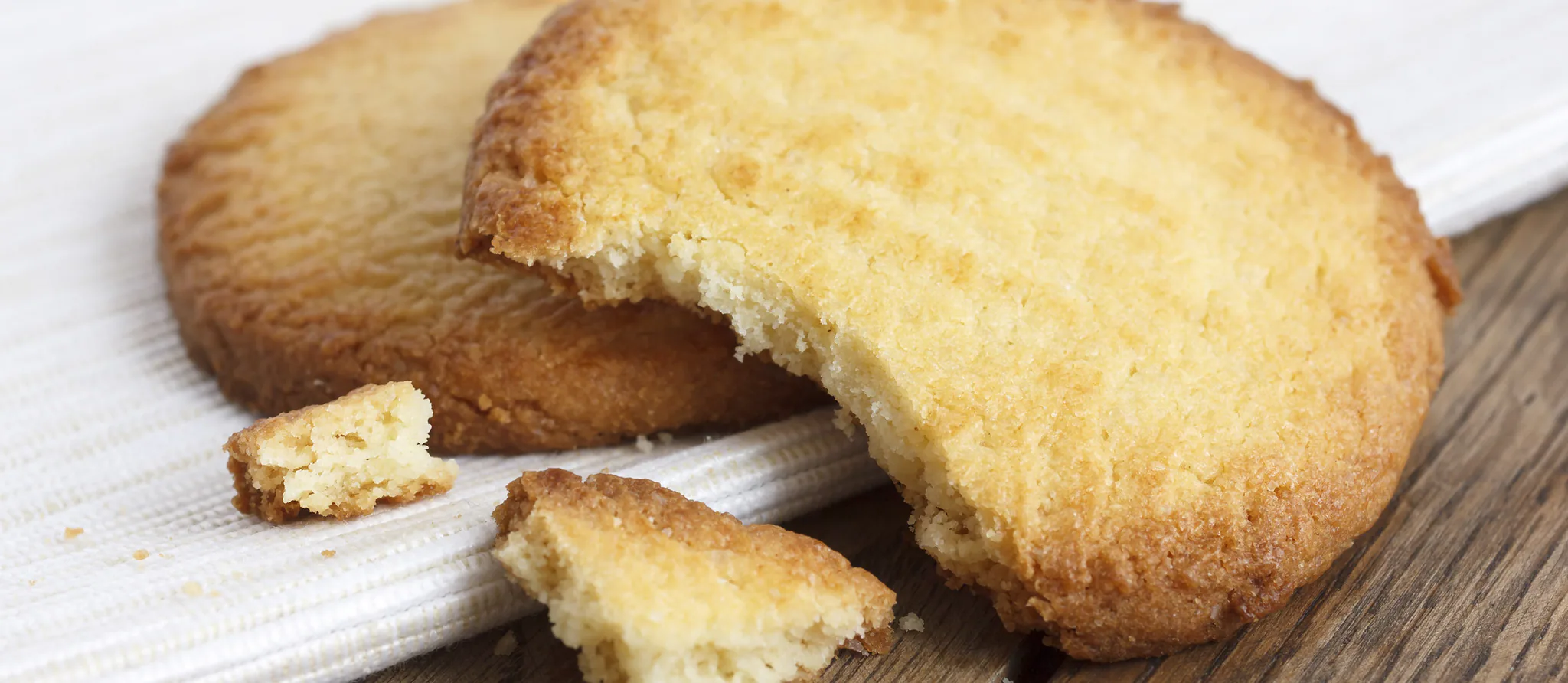
Crumbly, sandy-textured French butter cookies made with plenty of butter and egg yolks, rolled into a log, sliced and baked until just golden at the edges. Plain, vanilla or lemon-scented, they are a teatime classic all over France.
Sablés (French butter cookies) is a French sweet from France, ready in about 1 hour 50 minutes and made with all-purpose flour, unsalted butter and egg yolk. It serves 12 and is rated easy to cook.
- Prep
- 20 min
- Cook
- 30 min
- Rest
- 1 h
- Total
- 1 h 50 min
- Serves
- 12
- Level
- Easy
- Calories
- 228
Main ingredients
Method
Dough
9 minStep 1
Beat the soft butter with the icing sugar (opens in a new tab), salt, vanilla (opens in a new tab) and zests until smooth and creamy but not fluffy. Beat in the 2 egg yolks (opens in a new tab).
Step 2
Add the flour and mix just until it disappears; do not knead. Divide in two, roll each into a log 4 cm thick, wrap and chill for at least 1 hour, until firm.
- 5 min
Overworking the dough develops gluten and spoils the sandy texture.
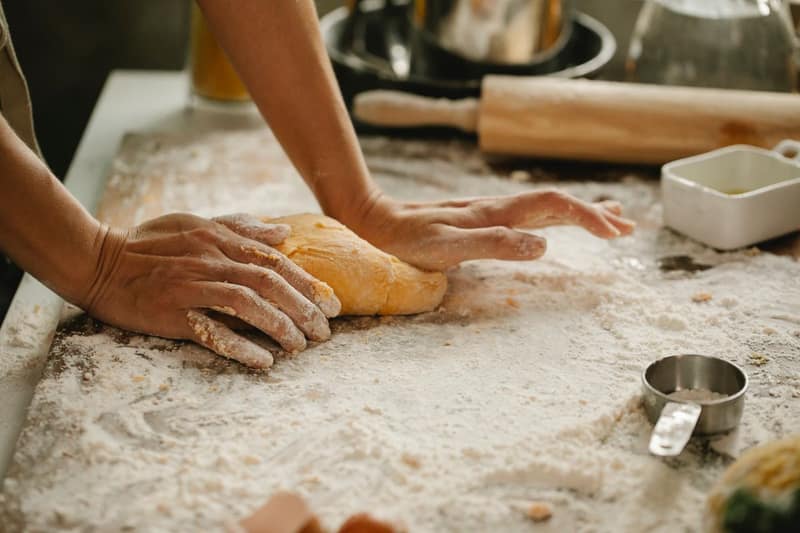
How it looks · Photo: Klaus Nielsen on Pexels
Glaze
35 minStep 3
Heat the oven (opens in a new tab) to 170 °C and line two trays. Brush the logs with the egg-yolk glaze and roll them in sugar (opens in a new tab) if you like, then cut into 7–8 mm slices.
Step 4
Bake one tray at a time for 13–15 minutes, until golden at the edges and pale in the centre. Cool on the tray for 5 minutes, then on a rack; they firm up as they cool.
- 30 min
- 170°C
- Cooling rack (opens in a new tab)
At a glance
1 · Dough in a bowl
 All-purpose flour
 Unsalted butter
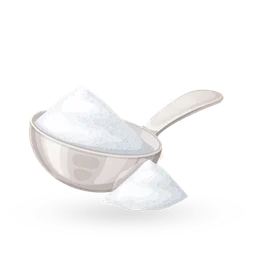 Icing sugar
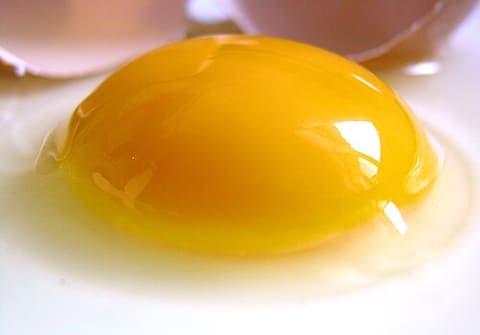 Egg yolk
 Salt
 Vanilla extract
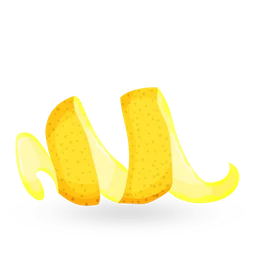 Lemon zest
 Orange zest
then heat
2 · Glaze in a pan
- Egg yolk
 Sugar
About this dish
- Origin
- Sablé-sur-Sarthe (Pays de la Loire); Normandy and Brittany, France · Commonly attributedLegend links the first sablés to Sablé-sur-Sarthe in 1670, named after the Marquise de Sablé. 'Sablé' also means sandy in French, describing the texture. Breton sablés use salted butter and are thicker.Also popular in BelgiumMore food from France
France - Dish
- Snack · Dessert · Sweets & confectionery · Desserts · Cookies & biscuits
- Cooking method
- Oven-baked
- Taste
- buttery, sweet, rich
- Diet
- Vegetarian (lacto-ovo) · No nut ingredientsWorked out from the ingredients. How labels work
All labels
Vegetarian (lacto-ovo) · Eggetarian · Pescatarian · Flexitarian-friendly · No nut ingredients · Pork-free · Beef-free - Good for
- Make-ahead · Child-friendly · Freezer-friendly
- Cook more with
- All-purpose flour · Unsalted butter · Egg yolk · Icing sugar · Vanilla extract
Allergens
- Contains: Milkfrom unsalted butter
- Contains: Eggsfrom egg yolk
- Contains: Wheatfrom all-purpose flour
- Contains: Glutenfrom all-purpose flour
Based on typical versions of these ingredients and not verified allergen-free. Brands differ and cross-contact happens, so always check labels. For severe allergies, follow your clinician’s advice.
Nutrition
228 kcal per serving
Calculated1 serving ≈ 42 g · recipe makes 12
Where the energy comes from
- Protein 5%
- Carbohydrate 43%
- Fat 52%
| Nutrient | Per serving | Per 100 g |
|---|---|---|
| Energy | 228 kcal | 546 kcal |
| Protein | 3 g | 7.1 g |
| Carbohydrate | 24.4 g | 58.6 g |
| Net carbohydrate | 23.9 g | 57.3 g |
| Sugars | 8.3 g | 19.9 g |
| Added sugars | 8.2 g | 19.6 g |
| Fibre | 0.6 g | 1.4 g |
| Fat | 13.2 g | 31.6 g |
| Saturated fat | 7.8 g | 18.7 g |
| Trans fat | — | — |
| Cholesterol | 77 mg | 186 mg |
| Sodium | 101 mg | 243 mg |
| Salt equivalent | 0.3 g | 0.6 g |
Vitamins & minerals per serving
- Potassium
- 31 mg
- Calcium
- 12 mg
- Iron
- 1.1 mg
- Magnesium
- 5 mg
- Vitamin A (RAE)
- 116 µg
- Vitamin C
- 0 mg
- Vitamin D
- 0.2 µg
- Vitamin B12
- 0.1 µg
- Folate (DFE)
- 67 µg
How these numbers were made
- Calculated from USDA FoodData Central (SR Legacy) per-100 g values and the listed quantities.
- Optional ingredients are not included: lemon zest, orange zest, sugar.
- “—” means the value isn’t known for enough of the ingredients; it is never zero by default.
- Values are estimates for guidance, not for medical dosing. U.S. Department of Agriculture, Agricultural Research Service. FoodData Central, 2019. fdc.nal.usda.gov.
Good to know
Tips
- For Breton-style galettes, roll the dough 1 cm thick, cut rounds, glaze, score with a fork and bake in rings for 18–20 minutes.
Common mistakes
- Creaming the butter until fluffy, which makes the cookies spread.
- Overbaking: sablés should stay pale in the middle.
Serve with
- Serve with tea or coffee, or alongside poached fruit, ice cream or a crème anglaise.
Storage
- Keeps 2 weeks in an airtight tin. The raw dough logs freeze for 3 months.
Variations
- Sablés diamants: The log is rolled in coarse sugar before slicing so each cookie has a sparkling rim.
- Sablés bretons: Thicker, made with salted butter and baked in rings, with a crisscross-glazed top.
- Almond sablés: A few drops of almond extract or 50 g ground almonds replace part of the flour.
Original editorial recipe · FriendsPantry editorial · source: TasteAtlas (dish facts) · Not yet independently reviewed · Added
Sauces, chutneys & dips for this dish
Recipe DNA
How this dish is built
Reviews & corrections
Reviews come from signed-in cooks and appear after a moderator checks them. We never show made-up ratings.
You might also like
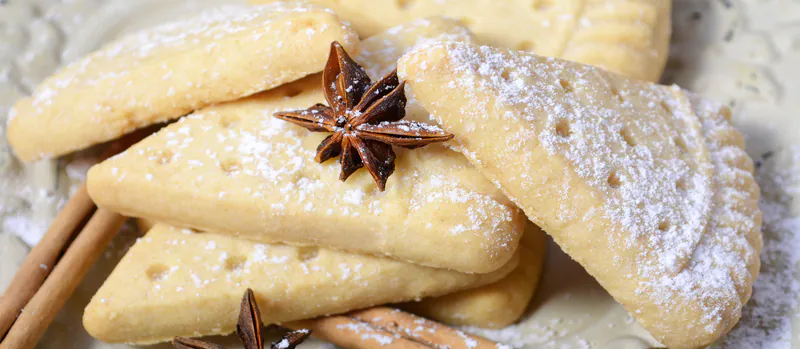
Scottish shortbread
 British · 1 h 45 min · 204 kcal · Vegetarian
Melting moments
 Australian · 1 h 16 min · 248 kcal · Vegetarian
Crème anglaise
French · 35 min · 130 kcal · Contains egg
Paris-Brest
French · 3 h 25 min · 630 kcal · Contains egg