
Eggs & dairy · Butter
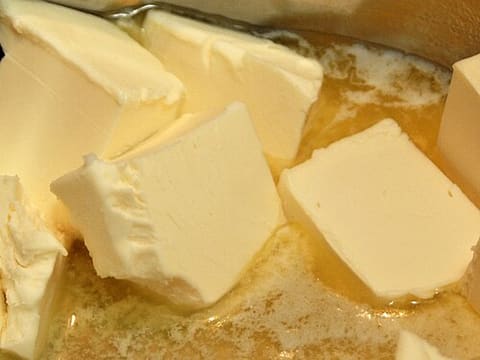
Unsalted butter
Butter with no added salt, preferred in baking and delicate sauces so the seasoning can be controlled.
Also called: sweet butter
A kind of butter
Photo: Matěj Baťha, via Wikimedia Commons (CC-BY-SA-3.0)
What it is
Also called sweet butter, it is the same churned cream fat as ordinary butter (about 80% fat) but without salt. Salt content in salted butter varies between brands, so baking recipes often ask for unsalted and add a measured pinch. Its flavour is cleaner and creamier.
How it’s used
- Cakes, cookies, pastry and buttercream
- Beurre blanc and hollandaise
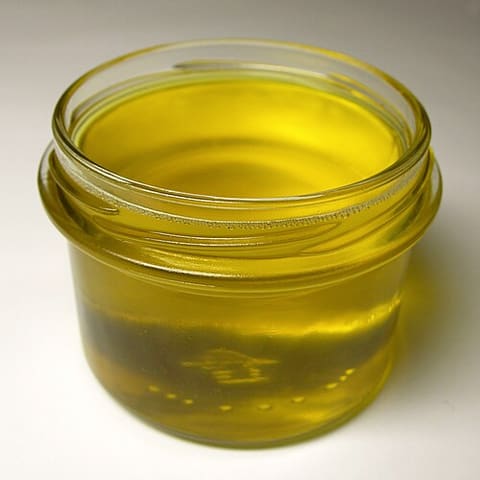
- Clarifying into ghee or clarified butter
- Brown-butter sauces and desserts
- Finishing risotto and pasta
Characteristics
- Taste
- Sweet, creamy and fresh.
- Texture
- Firm when cold, waxy-soft at room temperature.
- When cooked
- Behaves exactly like salted butter in cooking; without salt it may brown a little more evenly and its flavour shows more clearly.
- Sold as
- fresh
- Cooking uses
- Commonly cooked, Suitable for baking, Suitable for frying
Storage
Refrigerated. Keep wrapped in the fridge; it absorbs odours and turns stale a little faster than salted butter. Freeze for longer storage.
Diet, allergens and safety
Contains Milk.
- Vegetarian
- Vegan
- Dairy-free
- Egg-free
- Gluten-free
- Nut-free
- Soy-free
- Caffeine-free
- Contains milk (allergen).
Nutrition per 100 g
- Energy
- 717 kcal
- Protein
- 0.85 g
- Carbohydrate
- 0.06 g
- Fat
- 81.11 g
- Fibre
- 0 g
- Sugars
- 0.06 g
USDA FoodData Central: Butter, without salt.
Substitutes
Optional — what works if you don’t have it, and how it changes the dish.
- Butter — 1:1; reduce added salt in the recipe by about 1/4 tsp per 100 g butter.
Related ingredients
Recipes with unsalted butter
See all 76Alfajores de maicena
 Argentine · 1 h 50 min · 170 kcal · Contains egg
Anpan (sweet red bean buns)
 Japanese · 2 h 45 min · 266 kcal · Contains egg
Anzac biscuits
 Australian · 44 min · 148 kcal · Vegetarian
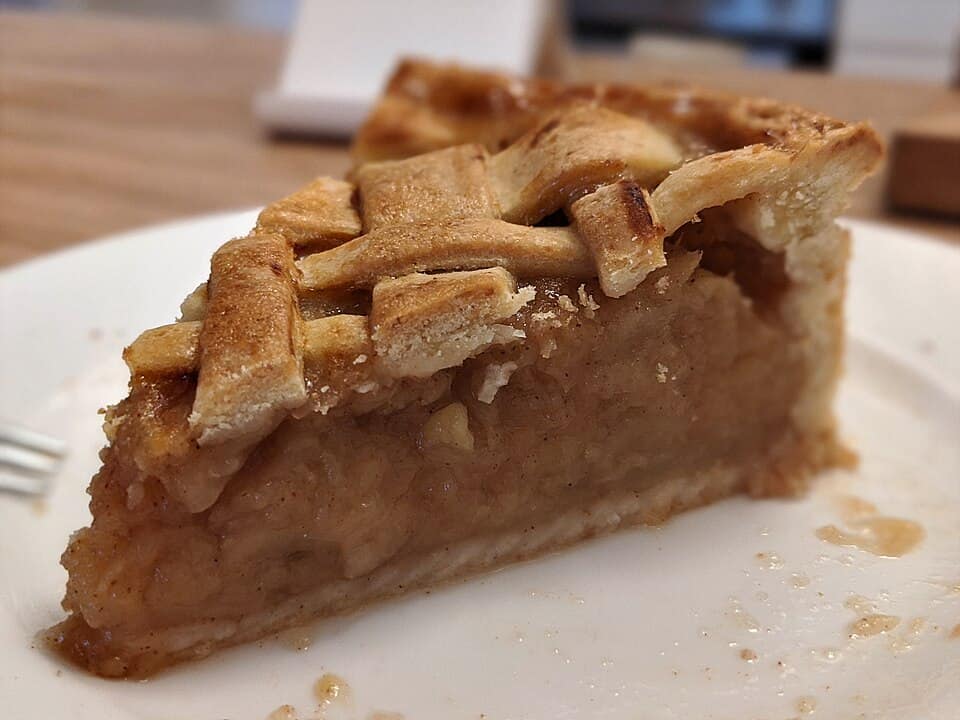
Apple pie
 American · 4 h 45 min · 551 kcal · Contains egg
Aussie meat pie
Australian · 2 h 50 min · 596 kcalBakewell tart
 British · 2 h 25 min · 423 kcal · Contains egg
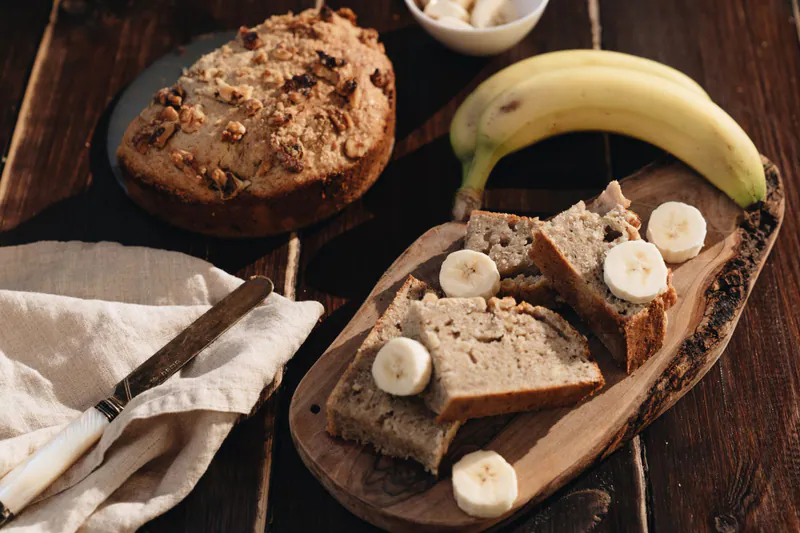
Banana bread
American · 1 h 45 min · 278 kcal · Contains eggBéarnaise sauce
 French · 25 min · 251 kcal · Contains egg
Beurre blanc
French · 20 min · 261 kcal · Vegetarian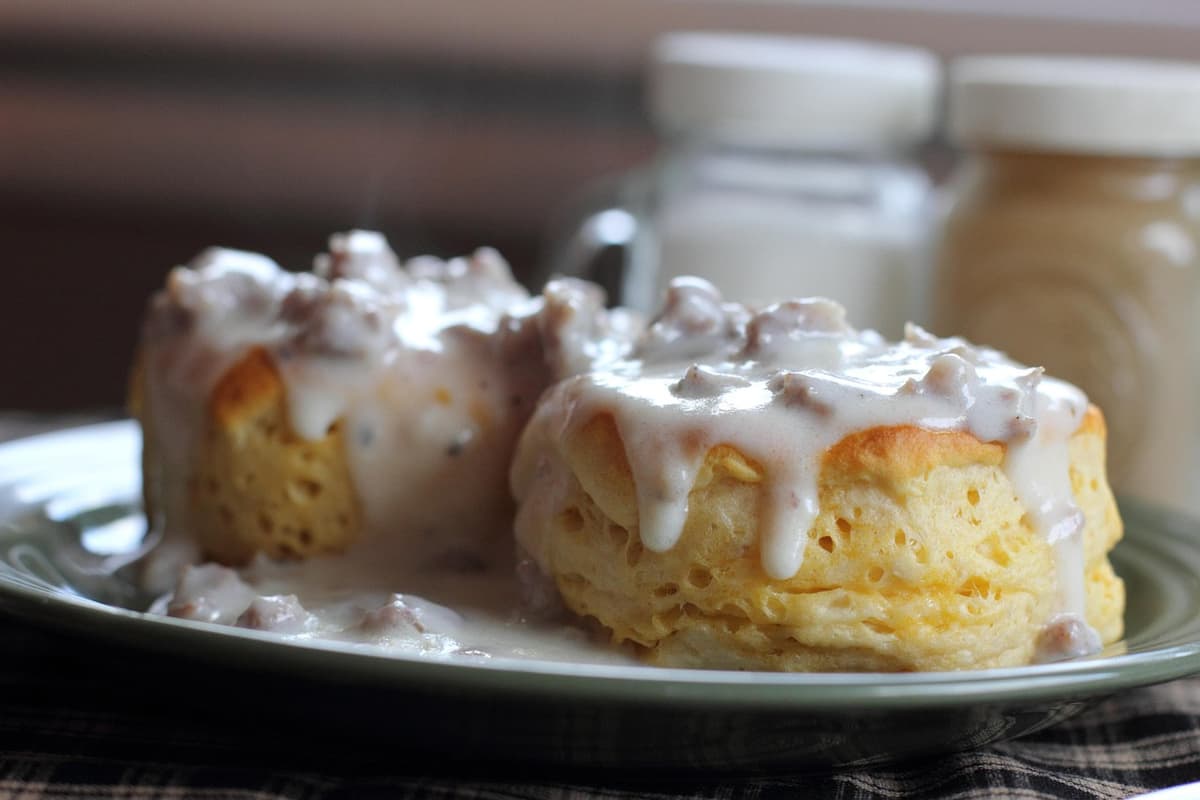
Biscuits and sausage gravy
Southern US · 45 min · 919 kcalBrioche Nanterre
French · 17 h 45 min · 274 kcal · Contains egg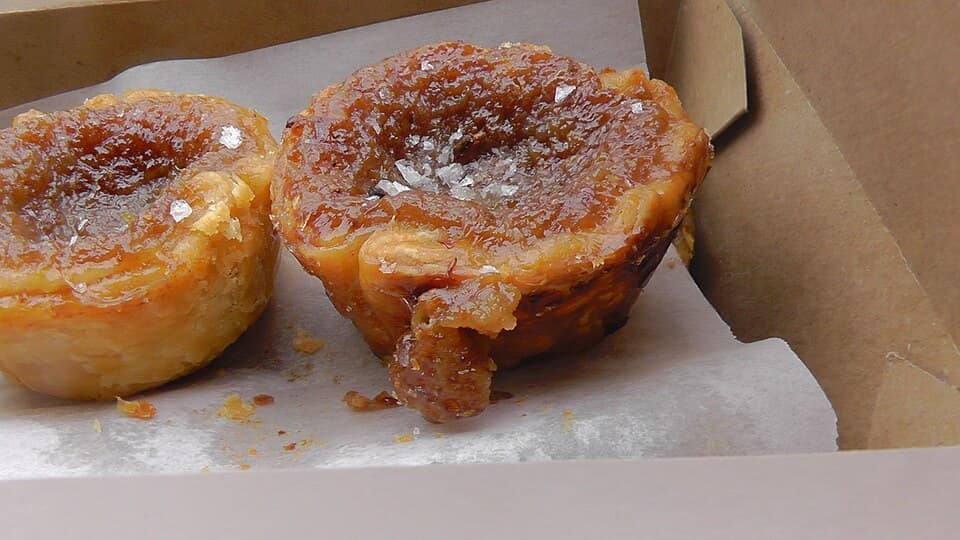
Butter tarts
 Canadian · 1 h 40 min · 258 kcal · Contains egg
64 more
- Butterscotch sauce · British
- Cantonese egg tarts · Cantonese
- Carrot cake with cream cheese frosting · American
- Cheese soufflé · French
- Chocolate babka · Polish
- Chocolate chip cookies · American
- Chocolate éclairs · French
- Cinnamon rolls with cream cheese frosting · American
- Conchas (Mexican sweet bread) · Mexican
- Crème pâtissière (pastry cream) · French
- Croissants · French
- Danish pastries (spandauer) · Danish
- Dresden Christmas stollen · German
- Eggs Benedict · American
- English egg custard tart · British
- Espagnole sauce · French
- Fettuccine al burro (the original fettuccine Alfredo) · Italian
- Financiers (brown-butter almond cakes) · French
- Fudgy chocolate brownies · American
- Galette des rois · French
- Gnocchi alla romana (baked semolina gnocchi) · Italian
- Gnudi (Tuscan spinach and ricotta dumplings) · Italian
- Hollandaise sauce · French
- Hot cross buns · British
- Jamaican beef patties · Jamaican
- Japanese milk bread (tangzhong shokupan) · Japanese
- Khari biscuit · Indian
- Lamingtons · Australian
- Lemon drizzle cake · British
- Madeleines · French
- Medialunas (Argentine croissants) · Argentine
- Melonpan · Japanese
- Melting moments · Australian
- Nanaimo bars · Canadian
- New York cheesecake · American
- Œufs en cocotte (baked eggs with cream) · French
- Pain au chocolat · French
- Pan de muerto · Mexican
- Pappardelle ai funghi (pappardelle with mushrooms) · Italian
- Pecan pie · Southern US
- Penne alla vodka · Italian
- Pineapple bun (bo lo bao) · Hong Kong
- Pouding chômeur · Canadian
- Pound cake · British
- Profiteroles with chocolate sauce · French
- Quiche Lorraine · French
- Ricotta and spinach ravioli with butter and sage · Italian
- Ricotta gnocchi with butter and sage · Italian
- Rough puff pastry · British
- Salted caramel sauce · French
- Sauce tomate (classical tomato sauce) · French
- Southern buttermilk biscuits · Southern US
- Spaghetti al limone · Italian
- Spaghetti alla Nerano · Italian
- Spinach and ricotta cannelloni · Italian
- Swedish gingerbread biscuits (pepparkakor) · Swedish
- Swiss butter plait (Zopf) · Swiss
- Taiwanese pineapple cakes · Taiwanese
- Tarte au citron (French lemon tart) · French
- Torta caprese (chocolate almond cake) · Italian
- Tortellini in brodo · Italian
- Tourtière · Canadian
- Vanilla cupcakes with buttercream · American
- Velouté sauce · French