
 Ukrainian · Breads & flatbreads
Paska (Ukrainian Easter bread)
Contains egg (no meat or fish)
Паска · paska
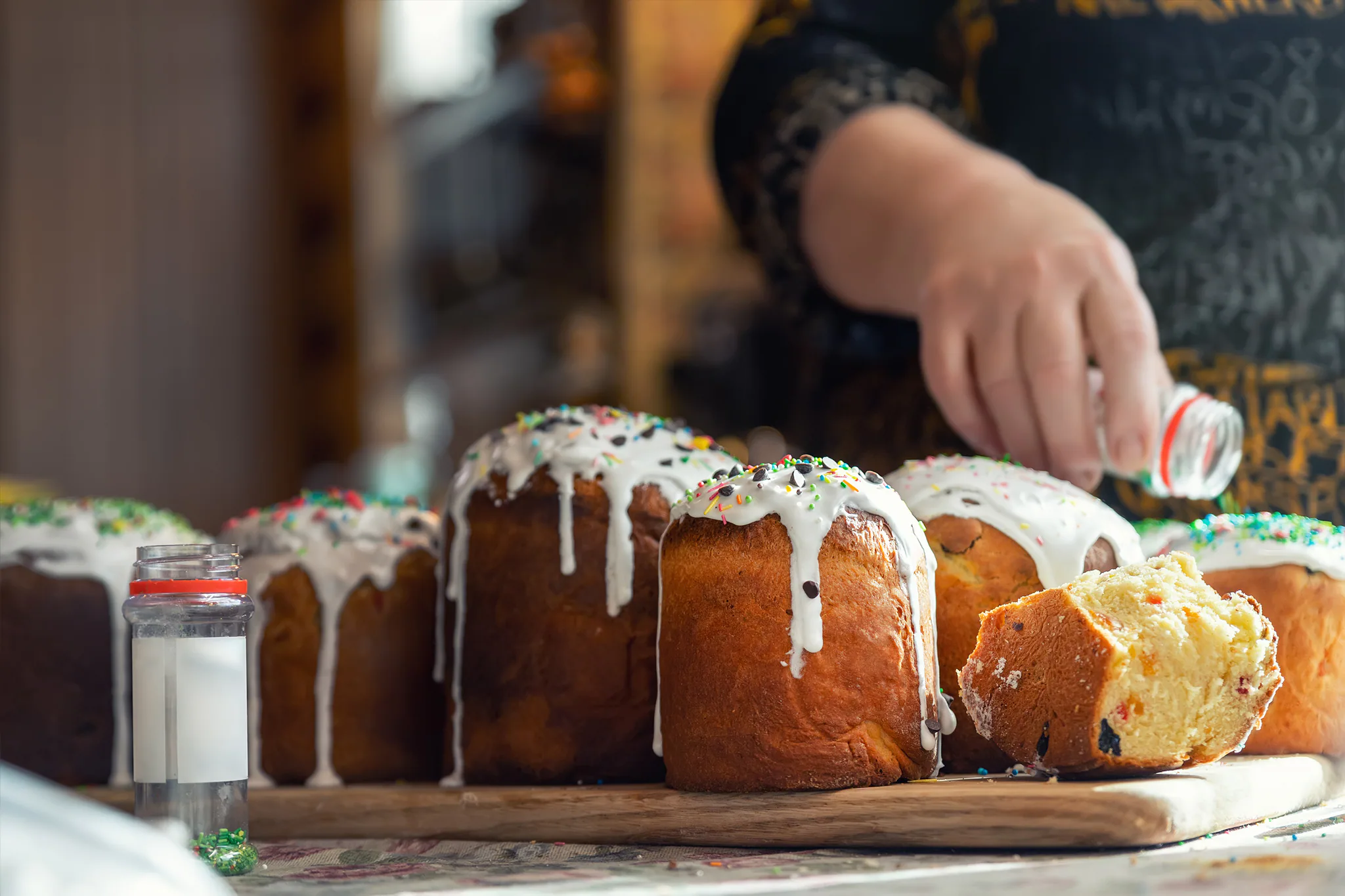
A rich, golden Easter loaf of yeast dough enriched with eggs, butter and sugar, scented with vanilla and lemon and crowned with a braided dough cross. Baked in Holy Week and carried to church in the Easter basket to be blessed.
Paska (Ukrainian Easter bread) is an Ukrainian bread from Ukraine, ready in about 4 hours 50 minutes and made with bread flour, egg and butter. It serves 16 and is rated advanced to cook.
- Prep
- 50 min
- Cook
- 45 min
- Rest
- 3 h 15 min
- Total
- 4 h 50 min
- Serves
- 16
- Level
- Advanced
- Calories
- 315
Main ingredients
Ingredients
For the dough
For the glaze
Method
Step 1
Stir the yeast and 1 tbsp of the sugar (opens in a new tab) into the warm milk (opens in a new tab), then beat in 150 g of the flour to a thick batter. Cover and leave for 30 minutes until bubbly.
Step 2
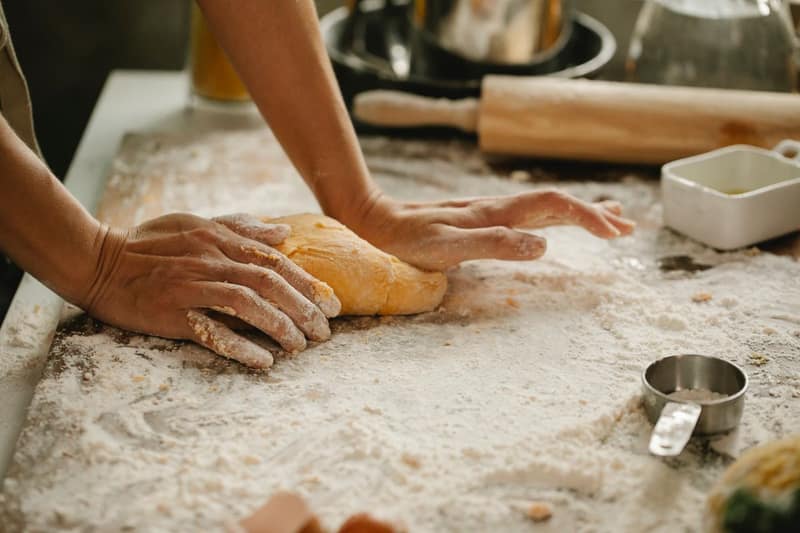
Beat the 4 eggs (opens in a new tab) and 2 yolks with the remaining sugar (opens in a new tab), vanilla (opens in a new tab) and lemon zest (opens in a new tab) until pale. Add to the sponge with the salt and most of the remaining flour and knead for 8 minutes, then add the soft butter (opens in a new tab) a spoonful at a time and knead for 8–10 minutes more until the dough is glossy and pulls away from the bowl. Knead in the raisins (opens in a new tab), if using.
The dough is soft and slightly sticky; resist adding too much flour or the bread will be dry.
How it looks · Photo: Klaus Nielsen on Pexels Step 3
Cover and leave in a warm, draught-free place for 1½–2 hours, until doubled.
Step 4
Line two 20 cm round cake tins (opens in a new tab) with baking paper, letting it stand 5 cm above the rim. Cut off about a fifth of the dough for decoration. Shape the rest into two smooth balls and set them in the tins.
Step 5
Roll the reserved dough into thin ropes. Twist pairs into braids and lay a braided cross over each loaf with a braid round the edge, or shape small rosettes and leaves. Stick them on with a little water. Cover and prove for 45 minutes. Heat the oven (opens in a new tab) to 175 °C.
- 15 min
Step 6
Brush the loaves gently with the beaten egg (opens in a new tab) and bake for 40–45 minutes until deep golden and a skewer comes out clean; cover loosely with foil after 20 minutes if the decorations brown too quickly.
Step 7
Cool in the tins for 10 minutes, then lift out and cool completely on a rack, on their sides if the loaves are tall, so they do not sink.
At a glance
1 · Dough in a bowl
 Milk
 Instant yeast
 Sugar
 Bread flour
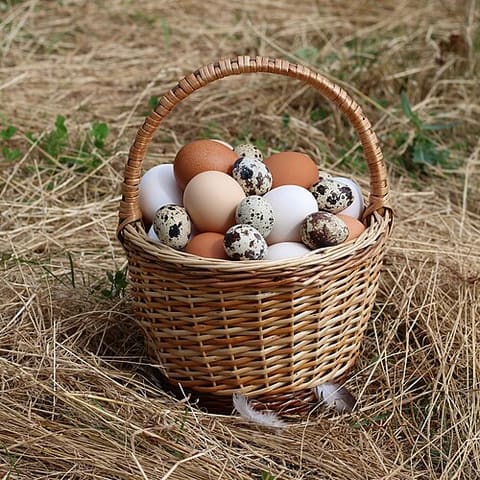 Egg
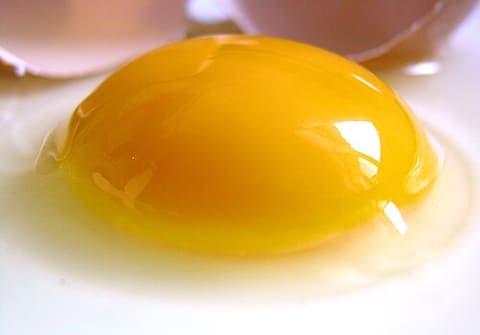 Egg yolk
 Butter
 Salt
 Vanilla extract
 Lemon zest
 Raisins
then
2 · Glaze in a pan
- Egg
About this dish
- Origin
- Ukraine · Well documentedUkrainian paska is traditionally round and decorated with dough ornaments; in many regions the word also covers the tall, iced kulich-style loaf.Also popular in Poland, RussiaMore food from Ukraine
Ukraine - Dish
- Breakfast · Snack · Breads & flatbreads · Sweets & confectionery
- Cooking method
- Oven-baked
- Taste
- sweet, buttery, aromatic / warmly spiced, citrusy
- Diet
- Vegetarian (lacto-ovo) · No nut ingredientsWorked out from the ingredients. How labels work
All labels
Vegetarian (lacto-ovo) · Eggetarian · Pescatarian · Flexitarian-friendly · No nut ingredients · Pork-free · Beef-free - Good for
- Festive & celebration · Make-ahead · Freezer-friendly
- Cook more with
- Bread flour · Egg · Butter · Milk · Instant yeast · Sugar
- Techniques
- Baking · Kneading · Fermentation
Allergens
- Contains: Milkfrom milk, butter
- Contains: Eggsfrom egg, egg yolk
- Contains: Wheatfrom bread flour
- Contains: Glutenfrom bread flour
- May contain: Sulphitesfrom raisins
Based on typical versions of these ingredients and not verified allergen-free. Brands differ and cross-contact happens, so always check labels. For severe allergies, follow your clinician’s advice.
Nutrition
315 kcal per serving
Calculated1 serving ≈ 101 g · recipe makes 16
Where the energy comes from
- Protein 11%
- Carbohydrate 57%
- Fat 32%
| Nutrient | Per serving | Per 100 g* |
|---|---|---|
| Energy | 315 kcal | 311 kcal |
| Protein | 8.8 g | 8.6 g |
| Carbohydrate | 44.7 g | 44.1 g |
| Net carbohydrate | 43.4 g | 42.8 g |
| Sugars | 10.5 g | 10.3 g |
| Added sugars | 9.4 g | 9.2 g |
| Fibre | 1.3 g | 1.3 g |
| Fat | 11 g | 10.9 g |
| Saturated fat | 5.9 g | 5.8 g |
| Trans fat | — | — |
| Cholesterol | 103 mg | 102 mg |
| Sodium | 237 mg | 234 mg |
| Salt equivalent | 0.6 g | 0.6 g |
Vitamins & minerals per serving
- Potassium
- 102 mg
- Calcium
- 40 mg
- Iron
- 2.4 mg
- Magnesium
- 16 mg
- Vitamin A (RAE)
- 105 µg
- Vitamin C
- 0 mg
- Vitamin D
- 0.6 µg
- Vitamin B12
- 0.3 µg
- Folate (DFE)
- 161 µg
How these numbers were made
- Calculated from USDA FoodData Central (SR Legacy) per-100 g values and the listed quantities.
- *Per 100 g of combined raw ingredients; the cooked dish may weigh more or less.
- Optional ingredients are not included: raisins.
- “—” means the value isn’t known for enough of the ingredients; it is never zero by default.
- Values are estimates for guidance, not for medical dosing. U.S. Department of Agriculture, Agricultural Research Service. FoodData Central, 2019. fdc.nal.usda.gov.
Good to know
Tips
- Keep everything warm — rich, eggy dough rises slowly in a cool kitchen.
- Some families brush the decorations with yolk and the rest of the loaf with whole egg for a two-tone finish.
Common mistakes
- Adding the butter too early or too fast, which stops the gluten developing and gives a heavy loaf.
Serve with
- Slice on Easter morning with butter, alongside the blessed basket of eggs, ham, kovbasa and horseradish.
Storage
- Keeps 4–5 days well wrapped at room temperature, or freeze for up to 2 months.
Variations
- Iced paska: Tall, cylindrical loaves topped with white icing and sprinkles, similar to Russian kulich.
- Syrna paska: A no-bake moulded Easter dessert of sweetened farmer's cheese, butter and dried fruit.
Original editorial recipe · FriendsPantry editorial · source: TasteAtlas (dish facts) · Not yet independently reviewed · Added
Recipe DNA
How this dish is built
Reviews & corrections
Reviews come from signed-in cooks and appear after a moderator checks them. We never show made-up ratings.
You might also like
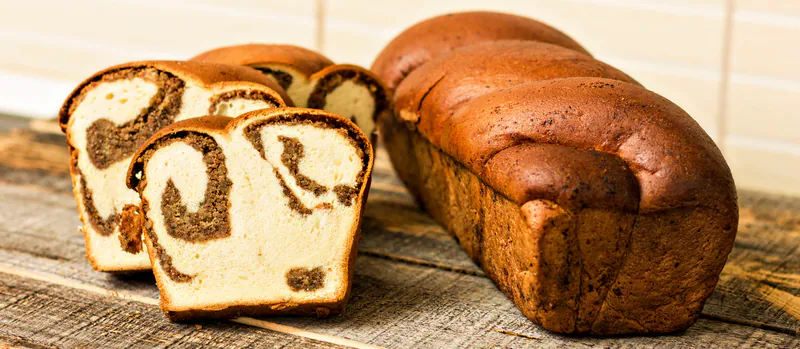
Kozunak (Bulgarian Easter sweet bread)
 Bulgarian · 4 h 20 min · 2234 kcal · Contains egg
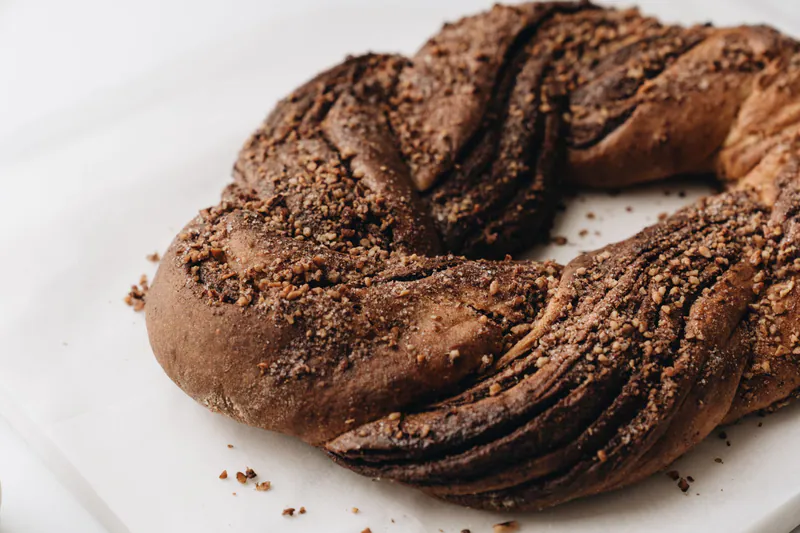
Chocolate babka
 Polish · 15 h 25 min · 349 kcal · Contains egg
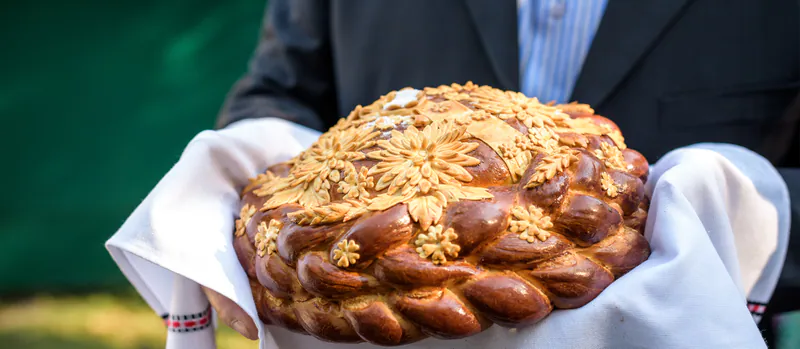
Korovai (Ukrainian wedding bread)
Ukrainian · 5 h 40 min · 340 kcal · Contains egg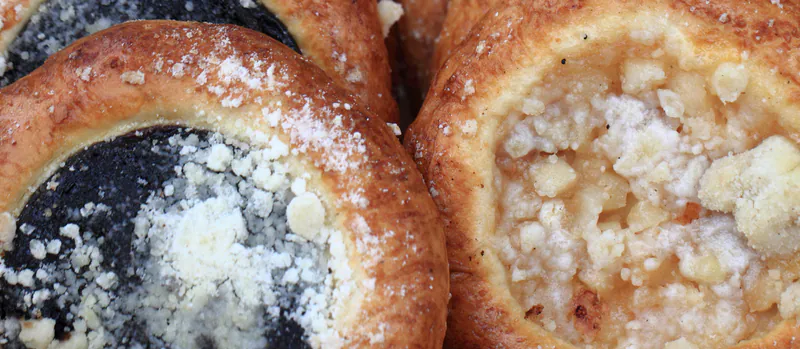
Koláče (Czech filled sweet buns)
 Czech · 3 h · 354 kcal · Contains egg