
 Hungarian · Breads & flatbreads
Kifli (Hungarian crescent rolls)
Contains egg (no meat or fish)
Kifli
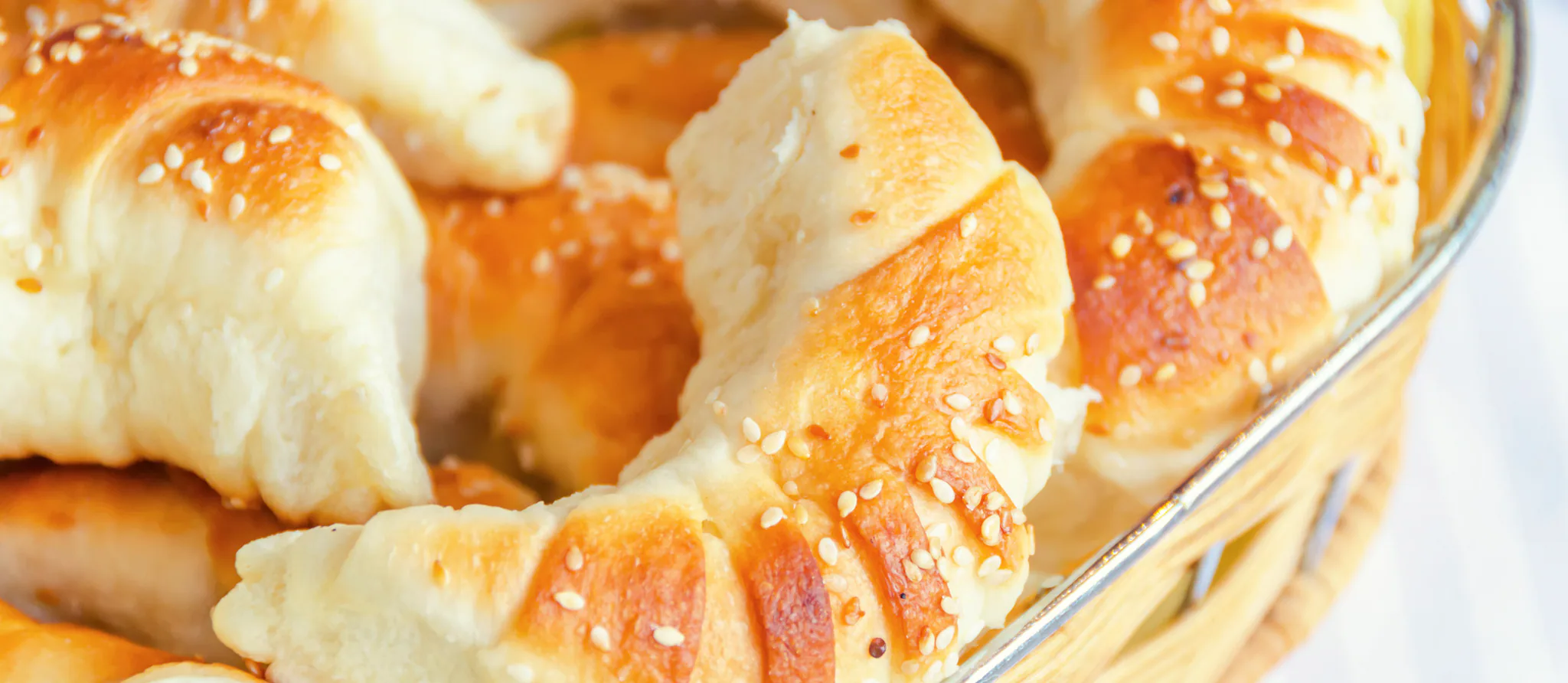
Soft, buttery yeast rolls rolled from triangles into slim crescents, brushed with egg and finished plain or with poppy, sesame or caraway seeds. Hungary's everyday breakfast bread and a Christmas bake, eaten with butter and jam or honey.
Kifli (Hungarian crescent rolls) is a Hungarian bread from Hungary, ready in about 2 hours 26 minutes and made with all-purpose flour and butter. It serves 16 and is rated easy to cook.
- Prep
- 30 min
- Cook
- 16 min
- Rest
- 1 h 40 min
- Total
- 2 h 26 min
- Serves
- 16
- Level
- Easy
- Calories
- 191
Main ingredients
Ingredients
For the dough
For shaping
For the topping
Method
Dough
28 minStep 1
Mix the flour, yeast, sugar (opens in a new tab), vanilla (opens in a new tab) and salt. Add the milk (opens in a new tab) and egg (opens in a new tab) and knead for 5 minutes, then add the soft butter (opens in a new tab) a little at a time and knead for another 5 minutes to a smooth, soft, elastic dough. Cover and leave to rise until doubled, about 1 hour.

How it looks · Photo: Klaus Nielsen on Pexels Step 2
Divide the dough in two. Roll each half into a circle about 35 cm across and brush with very soft butter (opens in a new tab). Cut each circle into 8 wedges like a pizza.
Step 3
Starting at the wide end, roll up each wedge tightly towards the point, stretching it slightly as you go. Bend the ends inwards into a crescent and set on lined trays with the point underneath.
- 8 min
Step 4
Cover loosely and leave to rise for 30–40 minutes until puffy. Heat the oven (opens in a new tab) to 200 °C.
- 200°C
Topping
16 minStep 5
Brush with the egg (opens in a new tab) wash and sprinkle with poppy, sesame (opens in a new tab) or caraway seeds (opens in a new tab), or leave plain. Bake for 14–16 minutes until golden. Cool on a rack.
How it looks · Photo: Klaus Nielsen on Pexels
At a glance
1 · Dough in a bowl
 All-purpose flour
 Instant yeast
 Sugar
 Vanilla extract
 Salt
 Milk
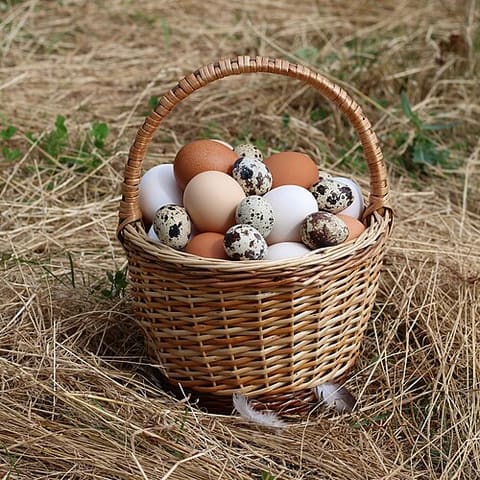 Egg
 Butter
then brush
2 · Topping in a bowl
- Egg
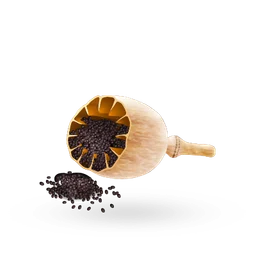 Poppy seeds
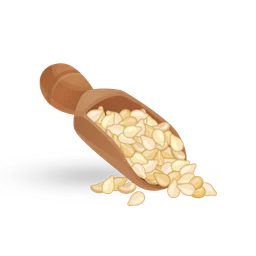 Sesame seeds
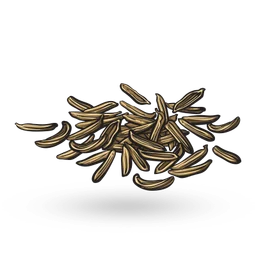 Caraway seeds
About this dish
- Origin
- Hungary · Commonly attributedCrescent rolls are eaten across Central Europe (Austrian Kipferl, Czech rohlík, Serbian kiflice); a legend ties the crescent shape to Buda's bakers celebrating victory over the Ottomans.Also popular in Austria, Serbia, Croatia, Slovakia, CzechiaMore food from Hungary
Hungary - Dish
- Breakfast · Snack · Breads & flatbreads
- Cooking method
- Oven-baked
- Taste
- buttery, mild
- Diet
- Vegetarian (lacto-ovo) · No nut ingredientsWithout the optional extras: Alcohol-freeWorked out from the ingredients. How labels work
All labels
Vegetarian (lacto-ovo) · Eggetarian · Pescatarian · Flexitarian-friendly · No nut ingredients · Pork-free · Beef-free - Good for
- Everyday · Freezer-friendly · Child-friendly
- Cook more with
- All-purpose flour · Butter · Instant yeast · Sugar · Milk · Egg
- Techniques
- Baking · Kneading · Fermentation
Allergens
- Contains: Milkfrom milk, butter
- Contains: Eggsfrom egg
- Contains: Wheatfrom all-purpose flour
- Contains: Glutenfrom all-purpose flour
- Contains, can be adapted: Sesamefrom sesame seeds
Based on typical versions of these ingredients and not verified allergen-free. Brands differ and cross-contact happens, so always check labels. For severe allergies, follow your clinician’s advice.
Nutrition
191 kcal per serving
Calculated1 serving ≈ 64 g · recipe makes 16
Where the energy comes from
- Protein 10%
- Carbohydrate 56%
- Fat 34%
| Nutrient | Per serving | Per 100 g* |
|---|---|---|
| Energy | 191 kcal | 298 kcal |
| Protein | 4.8 g | 7.5 g |
| Carbohydrate | 26.8 g | 41.8 g |
| Net carbohydrate | 25.8 g | 40.3 g |
| Sugars | 2.8 g | 4.4 g |
| Added sugars | 1.9 g | 2.9 g |
| Fibre | 1 g | 1.5 g |
| Fat | 7.1 g | 11 g |
| Saturated fat | 4.1 g | 6.4 g |
| Trans fat | — | — |
| Cholesterol | 40 mg | 62 mg |
| Sodium | 280 mg | 437 mg |
| Salt equivalent | 0.7 g | 1.1 g |
Vitamins & minerals per serving
- Potassium
- 70 mg
- Calcium
- 29 mg
- Iron
- 1.6 mg
- Magnesium
- 10 mg
- Vitamin A (RAE)
- 65 µg
- Vitamin C
- 0 mg
- Vitamin D
- 0.3 µg
- Vitamin B12
- 0.1 µg
- Folate (DFE)
- 105 µg
How these numbers were made
- Calculated from USDA FoodData Central (SR Legacy) per-100 g values and the listed quantities.
- *Per 100 g of combined raw ingredients; the cooked dish may weigh more or less.
- Optional ingredients are not included: vanilla extract, poppy seeds, sesame seeds, caraway seeds.
- “—” means the value isn’t known for enough of the ingredients; it is never zero by default.
- Values are estimates for guidance, not for medical dosing. U.S. Department of Agriculture, Agricultural Research Service. FoodData Central, 2019. fdc.nal.usda.gov.
Good to know
Tips
- For crisper bakery-style kifli, put a tray of boiling water in the bottom of the oven for the first 5 minutes.
Common mistakes
- Rolling the triangles loosely, which gives flat, shapeless rolls.
Serve with
- Serve warm with butter and apricot jam or honey, or with cold cuts, cheese and peppers for a Hungarian breakfast.
Storage
- Keeps 2 days in a bag; freezes well for 1 month.
Reheating
- Warm in a 180 °C oven for 5 minutes.
Variations
- Lekváros kifli: Small crescents rolled around plum or apricot jam, often from a rich sour-cream dough.
- Diós and mákos kifli: Christmas crescents filled with sweetened walnut or poppy seed.
Original editorial recipe · FriendsPantry editorial · source: TasteAtlas (dish facts) · Not yet independently reviewed · Added
Recipe DNA
How this dish is built
Built from the recipe’s own sections. Each band’s width is its share of the dish by weight. Choose a component to see what it does.
Structure
For the dough
- All-purpose flour, plain or bread flour500 g
- Instant yeast7 g
- Sugar30 g
- Vanilla extract (optional)0.5 tsp · 2.2 g
- Salt1.5 tsp · 9 g
- Milk, lukewarm260 ml · 268 g
- Egg1 piece · 50 g
- Butter, soft80 g
Reviews & corrections
Reviews come from signed-in cooks and appear after a moderator checks them. We never show made-up ratings.
You might also like
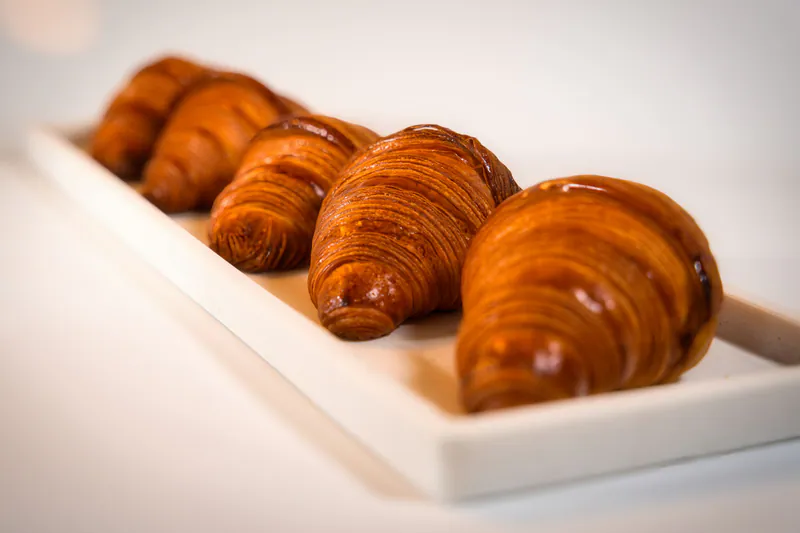
Croissants
 French · 19 h 20 min · 281 kcal · Contains egg
Vanillekipferl (Viennese vanilla crescents)
 Austrian · 2 h 4 min · 74 kcal · Contains egg
Lángos
Hungarian · 1 h 40 min · 601 kcal · Vegetarian
Koláče (Czech filled sweet buns)
 Czech · 3 h · 354 kcal · Contains egg