
Chashu (Japanese braised pork belly)
Non-vegetarian
チャーシュー · chāshū
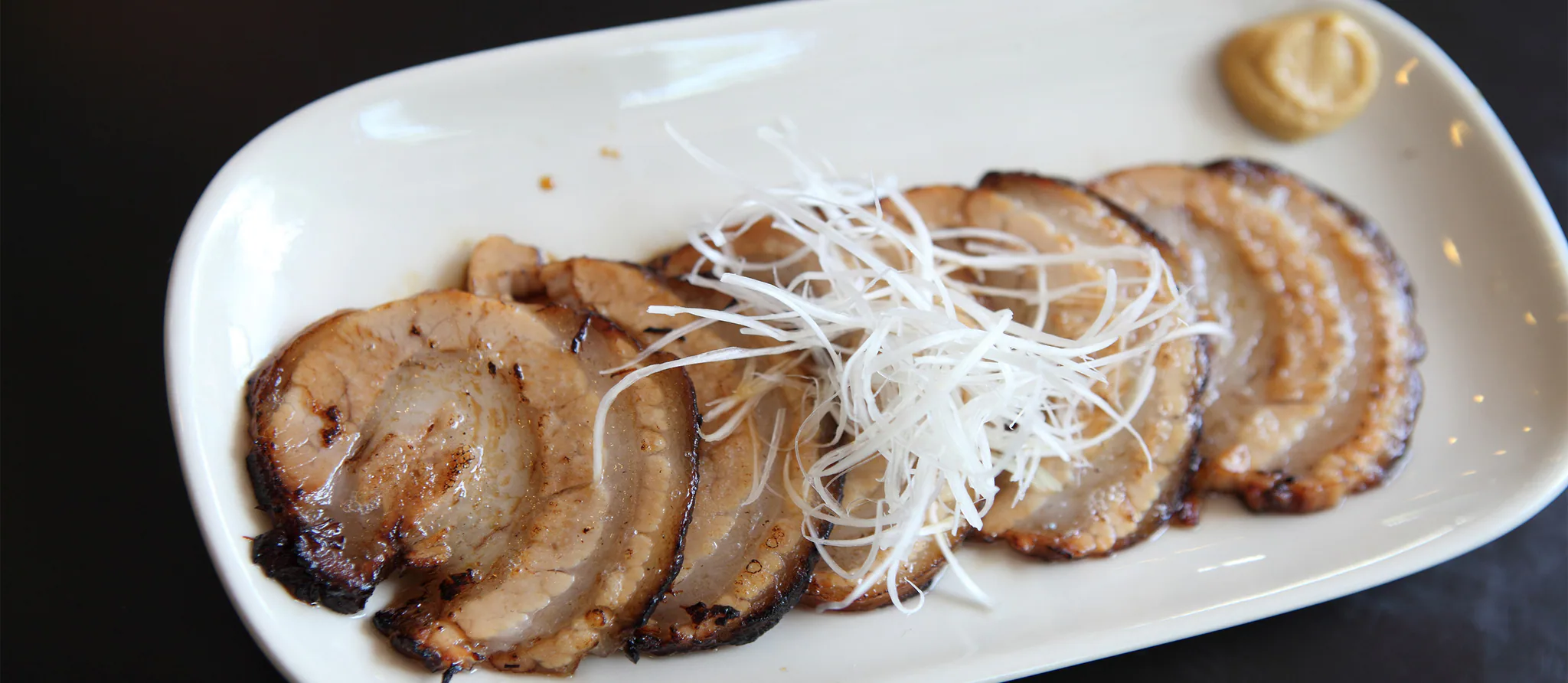
A rolled slab of pork belly seared and slowly braised in soy sauce, sake, mirin, sugar and ginger until meltingly tender, then chilled and sliced. The classic ramen topping, also served over rice or as a side.
Chashu (Japanese braised pork belly) is a Japanese main course, ready in about 6 hours 35 minutes and made with pork belly and soy sauce. It serves 6 and is rated easy to cook.
- Prep
- 15 min
- Cook
- 2 h 20 min
- Rest
- 4 h
- Total
- 6 h 35 min
- Serves
- 6
- Level
- Easy
- Calories
- 811
Rest includes chilling the pork so it slices neatly; overnight is best.
Main ingredients
Ingredients
For the pork
For the braise
For marinated eggs (optional)
Method
Pork
8 minStep 1
Sear the rolled pork in the oil in a heavy pan over medium-high heat, turning, until browned on all sides, about 8 minutes.
- 8 min
- medium-high heat
- Frying pan / skillet (opens in a new tab)
- Tongs (opens in a new tab)
Food safety: Belly fat spits as it renders; use a splatter guard.
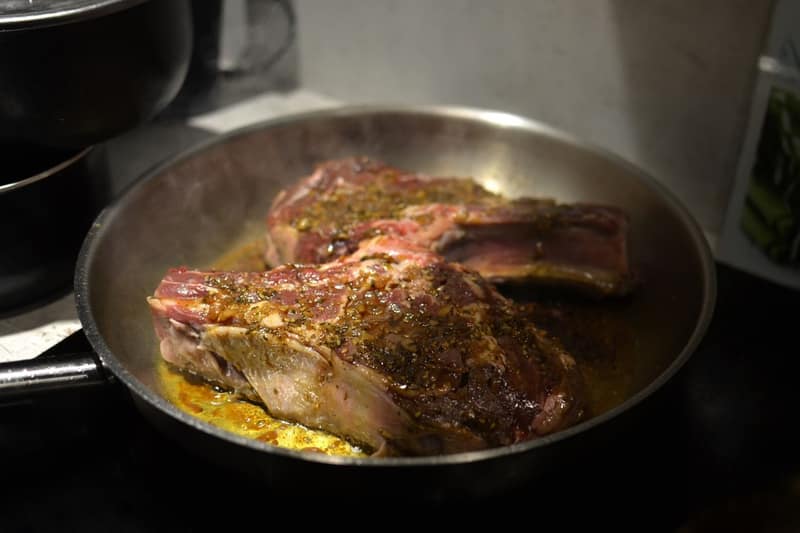
How it looks · Photo: Skylar Kang on Pexels
Braise
2 h 5 minStep 2
Put the soy sauce (opens in a new tab), sake (opens in a new tab), mirin (opens in a new tab), sugar (opens in a new tab), water, ginger, garlic (opens in a new tab) and spring onion (opens in a new tab) in a saucepan (opens in a new tab) just big enough to hold the pork. Bring to a simmer, add the pork and cover with a lid or a circle of baking paper (otoshibuta).
- 5 min
- medium heat
- Saucepan (opens in a new tab)
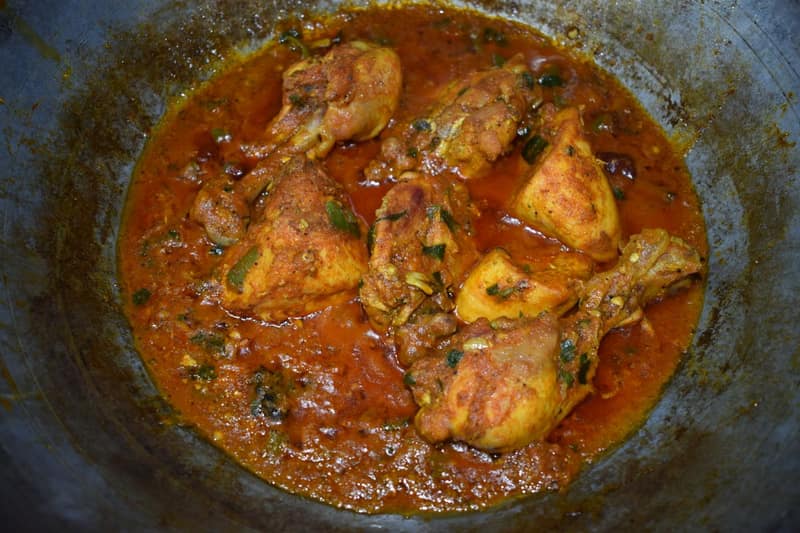
How it looks · Photo: Bachir Mamud on Pexels Step 3
Simmer very gently for 2 hours, turning the pork every 20–30 minutes so it colours evenly, until a skewer slides in with no resistance.
- 120 min
- low heat
The liquid should barely tremble; a hard boil makes the meat stringy.
Marinated eggs (optional)
20 minStep 4
If making eggs (opens in a new tab), boil them for 6½ minutes, cool in iced water and peel.
- 10 min
- high heat
Step 5
Let the pork cool in the liquid, then put pork and strained liquid (and the eggs (opens in a new tab)) in a container and refrigerate for at least 4 hours, ideally overnight.
Step 6
Remove the string and slice the cold pork 5 mm thick. Warm the slices in hot ramen broth, or sear them briefly in a hot pan or with a blowtorch before serving.
At a glance
1 · Pork in a pan
 Pork belly
 Neutral vegetable oil
then put
2 · Braise in a pan
 Soy sauce
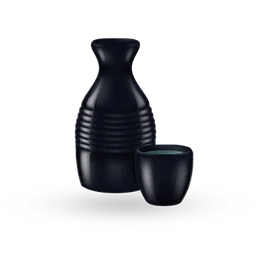 Sake
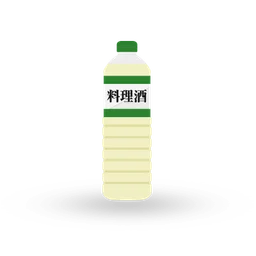 Mirin
 Sugar
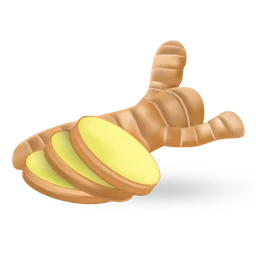 Fresh ginger
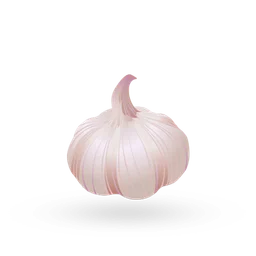 Garlic
 Spring onion
then boil
3 · Marinated eggs (optional) in a pan
 Egg
About this dish
- Origin
- Japan · Well documentedThe name comes from Cantonese char siu, but the Japanese version is braised rather than roasted (nibuta, 'simmered pork'). Ramen shops vary from rolled belly to shoulder or loin.More food from Japan
Japan - Dish
- Lunch · Dinner · Main courses
- Cooking method
- Braised, Pan-fried
- Taste
- sweet & savoury, umami, rich
- Diet
- Dairy-free · No nut ingredients · Low-carbWithout the optional extras: Egg-freeWorked out from the ingredients. How labels work
All labels
Non-vegetarian · Dairy-free · No nut ingredients · Beef-free · Low-carb - Good for
- Make-ahead · Meal-prep friendly · Freezer-friendly
- Cook more with
- Pork belly · Soy sauce · Sake · Mirin · Sugar · Fresh ginger
- Techniques
- Searing · Pan-frying · Simmering · Braising · Slow-cooked gravy
Allergens
- Contains, can be adapted: Eggsfrom egg
- Contains: Wheatfrom soy sauce
- Contains: Glutenfrom soy sauce
- Contains: Soyfrom soy sauce
Based on typical versions of these ingredients and not verified allergen-free. Brands differ and cross-contact happens, so always check labels. For severe allergies, follow your clinician’s advice.
Nutrition
811 kcal per serving
Estimated1 serving ≈ 283 g · recipe makes 6
Where the energy comes from
- Protein 8%
- Carbohydrate 6%
- Fat 86%
| Nutrient | Per serving | Per 100 g* |
|---|---|---|
| Energy | 811 kcal | 286 kcal |
| Protein | 14.8 g | 5.2 g |
| Carbohydrate | 11.5 g | 4 g |
| Net carbohydrate | 11 g | 3.9 g |
| Sugars | 6.9 g | 2.4 g |
| Added sugars | — | — |
| Fibre | 0.4 g | 0.1 g |
| Fat | 73.1 g | 25.8 g |
| Saturated fat | 26 g | 9.2 g |
| Trans fat | — | — |
| Cholesterol | 96 mg | 34 mg |
| Sodium | 1310 mg | 462 mg |
| Salt equivalent | 3.3 g | 1.2 g |
Vitamins & minerals per serving
- Potassium
- 393 mg
- Calcium
- 31 mg
- Iron
- 1.2 mg
- Magnesium
- 29 mg
- Vitamin A (RAE)
- 7 µg
- Vitamin C
- 2 mg
- Vitamin D
- —
- Vitamin B12
- 1.1 µg
- Folate (DFE)
- 8 µg
How these numbers were made
- Calculated from USDA FoodData Central (SR Legacy) per-100 g values and the listed quantities.
- *Per 100 g of combined raw ingredients; the cooked dish may weigh more or less.
- Optional ingredients are not included: egg.
- Mirin: Sake (FDC 167723) used as a stand-in; true mirin is sweeter, so sugar is underestimated.
- “—” means the value isn’t known for enough of the ingredients; it is never zero by default.
- Values are estimates for guidance, not for medical dosing. U.S. Department of Agriculture, Agricultural Research Service. FoodData Central, 2019. fdc.nal.usda.gov.
Good to know
Tips
- Keep the braising liquid: it is a ready-made ramen tare and seasoning for rice bowls; it keeps a week refrigerated.
- Cold pork slices far more cleanly than warm.
Common mistakes
- Rolling loosely, so the slices fall apart.
- Boiling instead of simmering.
Serve with
- On shoyu, miso or tonkotsu ramen with a marinated egg.
- Chashu-don: sliced over rice with a drizzle of the reduced braising liquid and spring onion.
Food safety
- Cool the pork and liquid within 2 hours and keep refrigerated.
Storage
- Keeps 5 days in its liquid in the fridge, or 2 months frozen in slices.
Reheating
- Warm slices in hot broth or sear in a pan until heated through.
Variations
- Aburi chashu: Slices torched until the fat caramelises, a ramen-shop finish.
- Shoulder chashu: Made with pork shoulder (kata) for leaner, meatier slices.
Original editorial recipe · FriendsPantry editorial · source: TasteAtlas (dish facts) · Not yet independently reviewed · Added
Recipe DNA
How this dish is built
Reviews & corrections
Reviews come from signed-in cooks and appear after a moderator checks them. We never show made-up ratings.
You might also like
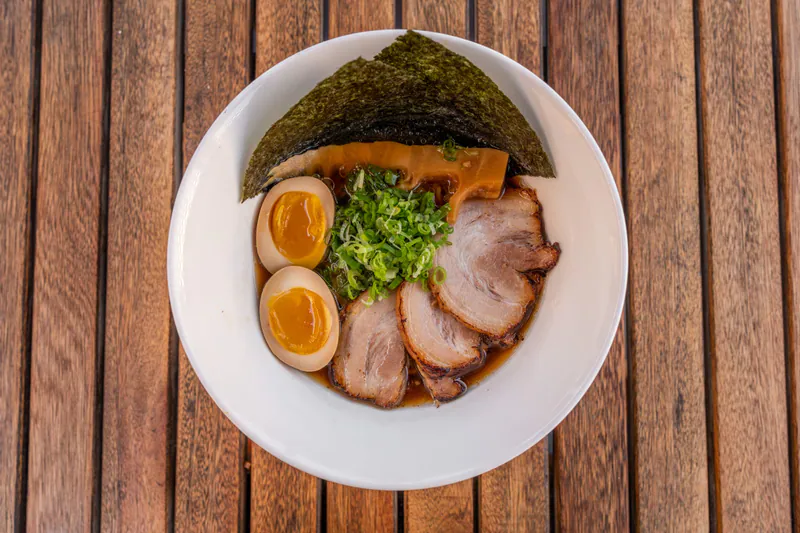
Shoyu ramen (home-style)
 Japanese · 40 min · 751 kcal
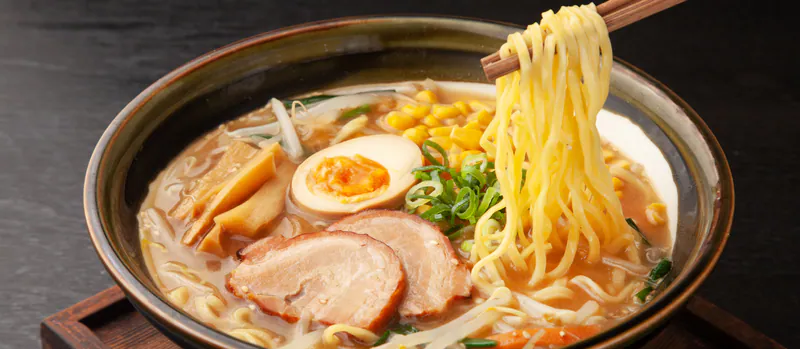
Miso ramen (Sapporo-style)
Japanese · 40 min · 1357 kcal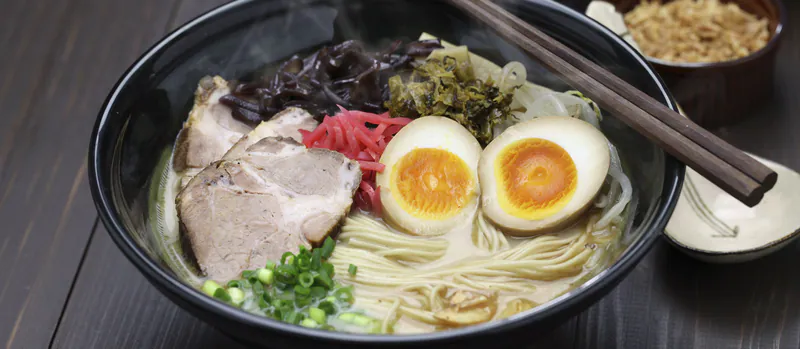
Tonkotsu ramen
Japanese · 13 h 40 min · 1939 kcal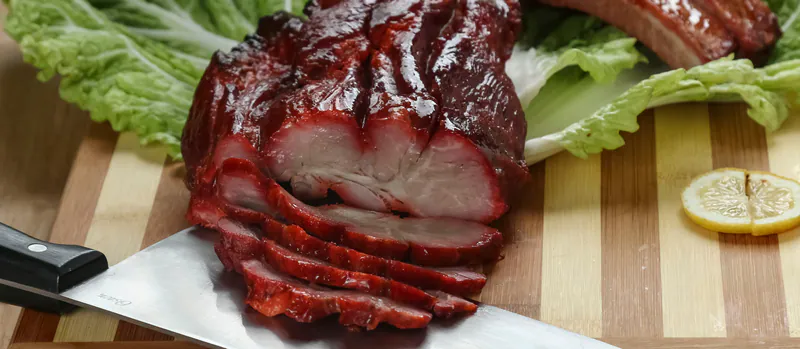
Char siu (Cantonese barbecue pork)
 Cantonese · 1 h 10 min · 392 kcal