
Cuisine
South African
A 'rainbow' cuisine of maize pap and braai, Cape Malay curries and bredies, Afrikaner baking and Durban Indian dishes.
Flavour character: Hearty and smoky from the braai; gently sweet-spiced Cape Malay curries with fruit chutney; Durban curries hotter and redder; Afrikaner baking rich with butter and syrup.
History
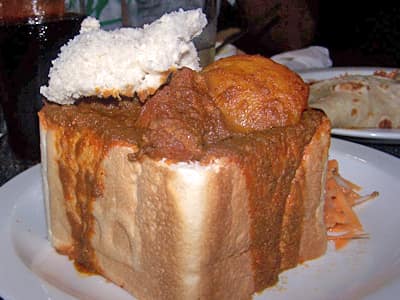
Indigenous Nguni, Sotho and Khoisan peoples ate sorghum, wild greens (morogo) and meat; maize from the Americas became the main staple as pap. Dutch settlement at the Cape from 1652 brought Dutch cooking and enslaved people from Indonesia, Malaysia, India and Madagascar, whose descendants created Cape Malay cooking (bobotie, bredie, spiced koesisters). Indentured Indian workers arrived in Natal from 1860, and Durban's bunny chow emerged from that community. Braai (barbecue) is a national social ritual.
Well documented
Geography and influences
A Mediterranean-climate Cape with vineyards, a dry interior plateau (Karoo) with sheep, subtropical KwaZulu-Natal and two oceans.
- Indigenous African foodways
- Dutch and Afrikaner settlers
- Cape Malay (Southeast Asian) communities
- Indian (Durban) communities
- British colonial period
Regional variations
- Western Cape (Cape Malay)
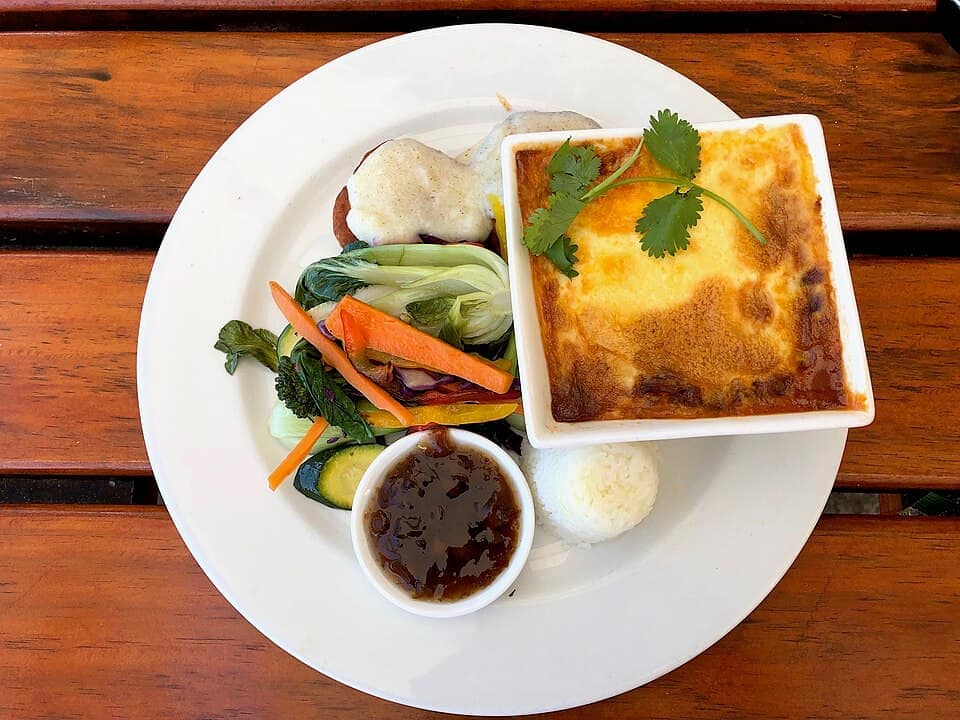
- Bobotie, bredies, sweet-spiced curries and koesisters (spiced, coconut-coated doughnuts, distinct from Afrikaner syrup-plaited koeksisters).
- KwaZulu-Natal (Durban)
- Indian-South African curries and bunny chow.
- Interior (Highveld, Karoo)
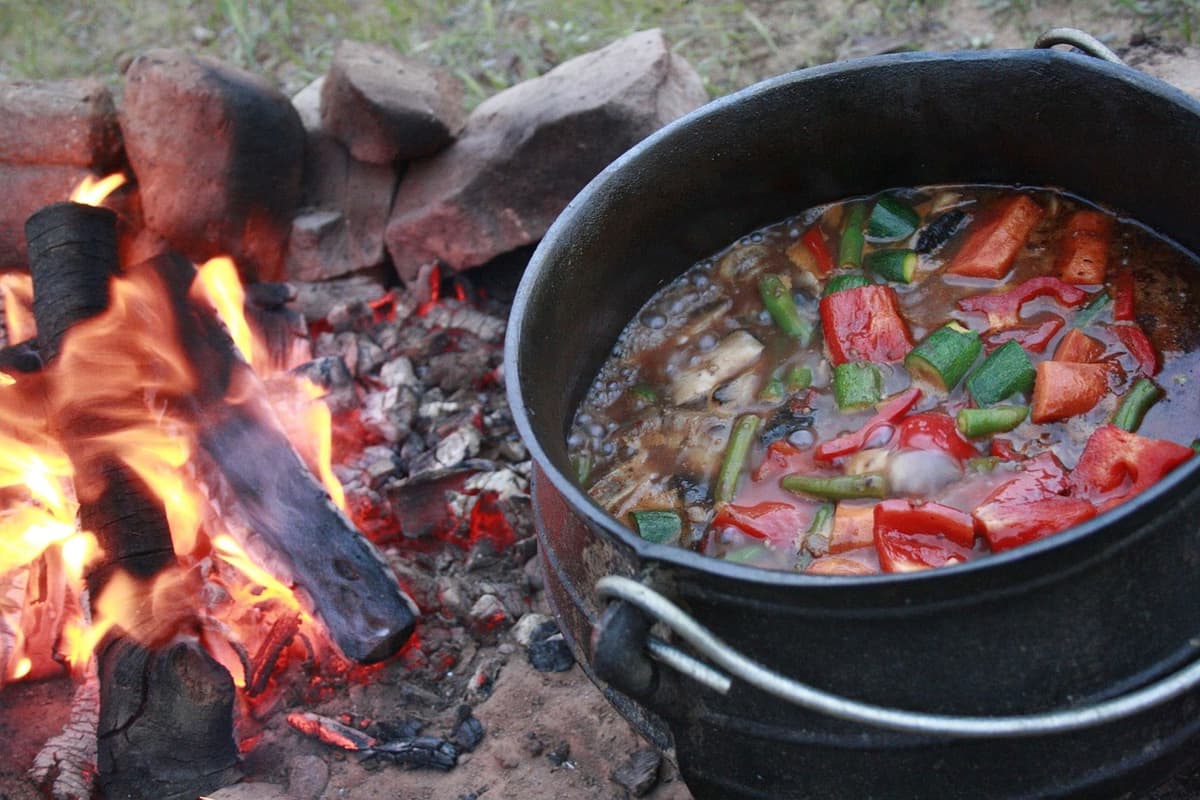
- Pap and braai, Karoo lamb, potjiekos.
Festive and seasonal food
- Braai on Heritage Day (24 September)
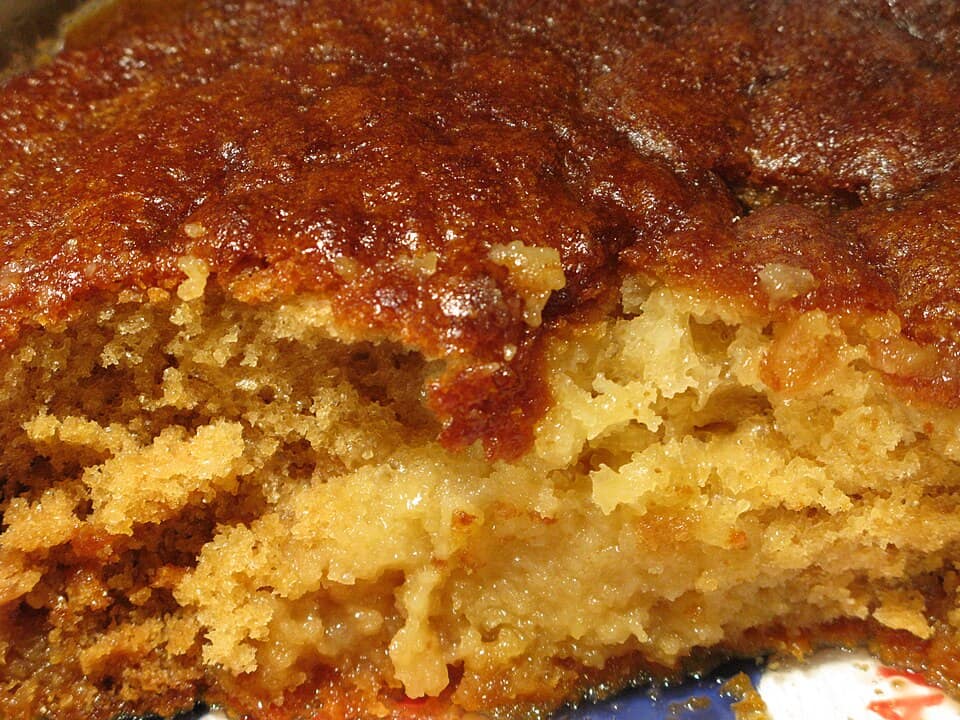
- Gammon and malva pudding at Christmas
- Koesisters on Sunday mornings and bobotie for Cape Malay celebrations and Eid
Signature dishes
- Bobotie
- Cape Malay chicken curry
- Bunny chow
- Boerewors with pap and sous
- Chakalaka
- Potjiekos
- Malva pudding
- Koeksisters
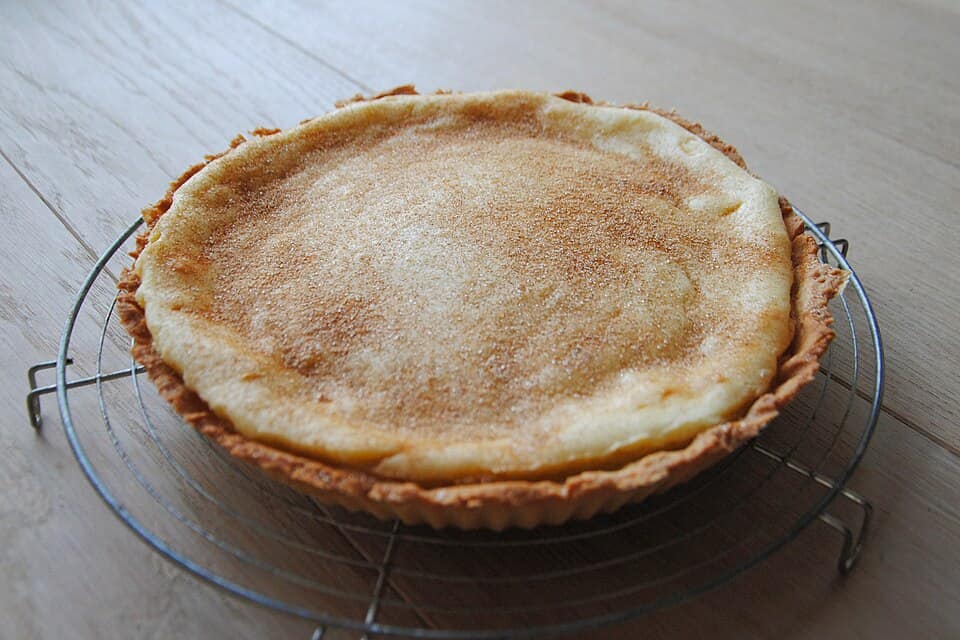
- Melktert
- Umngqusho
- Vetkoek
- South African buttermilk rusks
- Rooibos tea
- Morogo
Not on the site yet: Biltong and droewors, Bredie (tomato or waterblommetjie), Sosaties, Walkie talkies (township chicken feet and heads)
 Cape Malay · 1 h 25 min · 480 kcal
 Zimbabwean · 1 h 20 min · 104 kcal ·
 Botswanan · 30 min · 81 kcal ·
 Namibian · 3 h 25 min · 674 kcal