
Fruits · Stone fruit
Apricot
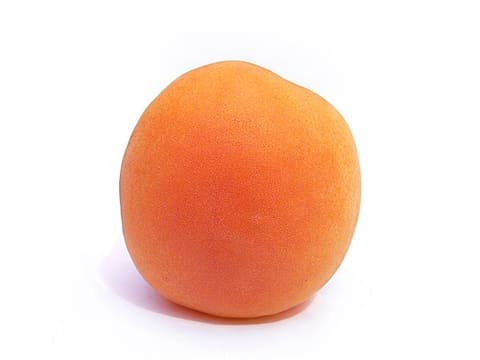
Small, golden-orange stone fruit with velvety skin; eaten fresh, baked into tarts or cooked into jam.
Also called: apricots, kayısı, albaricoque
Photo: Benjamint444, via Wikimedia Commons (CC-BY-SA-3.0)
What it is
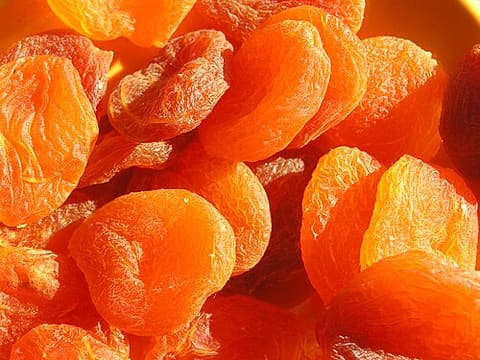
Apricots are small, round stone fruits with lightly fuzzy orange skin, often blushed red, and a single smooth stone. Ripe ones are fragrant and slightly soft. They are smaller and less juicy than peaches, with a tangier flavour, and are widely dried.
Prunus armeniaca
How it’s used
- Halved in tarts, clafoutis and cakes
- Cooked into jam and compote
- Roasted or grilled with honey
- Added to tagines and lamb stews
Characteristics
Storage
At room temperature. Ripen at room temperature, then refrigerate and eat within a few days.
Diet, allergens and safety
No major allergens in typical versions.
- Vegetarian
- Vegan
- Dairy-free
- Egg-free
- Gluten-free
- Nut-free
- Soy-free
- Caffeine-free
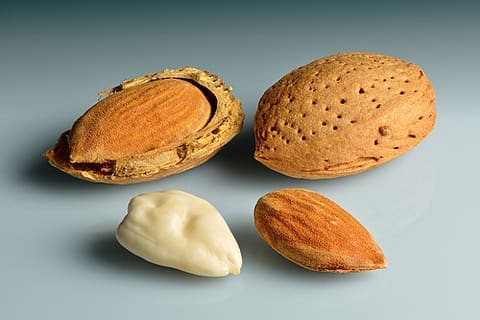
- Do not eat raw apricot kernels: they contain amygdalin, which releases cyanide.
Nutrition per 100 g
- Energy
- 48 kcal
- Protein
- 1.4 g
- Carbohydrate
- 11.12 g
- Fat
- 0.39 g
- Fibre
- 2 g
- Sugars
- 9.24 g
USDA FoodData Central: Apricots, raw.
Substitutes
Optional — what works if you don’t have it, and how it changes the dish.
- Peach — In tarts and compotes; juicier and less tangy.
Related ingredients
Recipes with apricot
No recipe in the catalogue uses it yet.
More stone fruit
Stone fruit
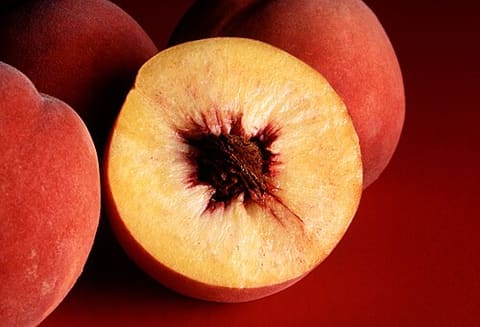
Peach
Juicy, fuzzy-skinned stone fruit with sweet yellow or white flesh; eaten fresh, grilled or baked.
3 recipes
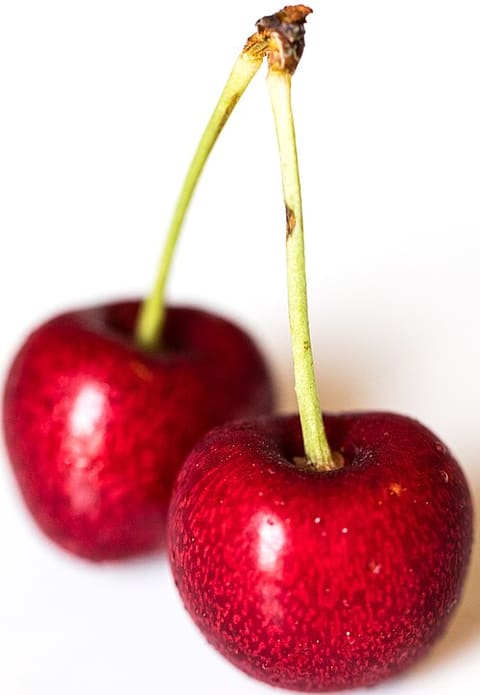
Stone fruit
Cherries
Small, round stone fruits, sweet or sour, red to near-black; eaten fresh or cooked into pies and sauces.
8 recipes
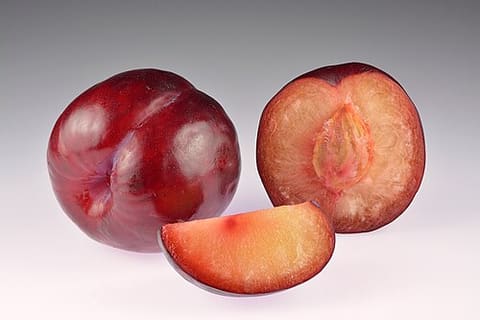
Stone fruit
Plum
Smooth-skinned stone fruit, from sweet dessert plums to sour green and cherry plums used in sauces.
6 recipes
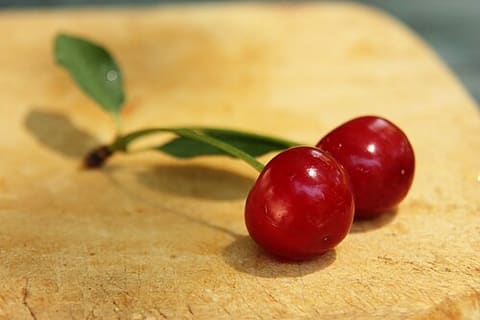
Stone fruit
Sour cherries
Bright red, tart cherries (morello, vişne) that shine in pies, preserves, syrups and savoury rice dishes.
1 recipe