
Vdolky (Czech jam doughnuts with tvaroh and cream)
Contains egg (no meat or fish)
Vdolky
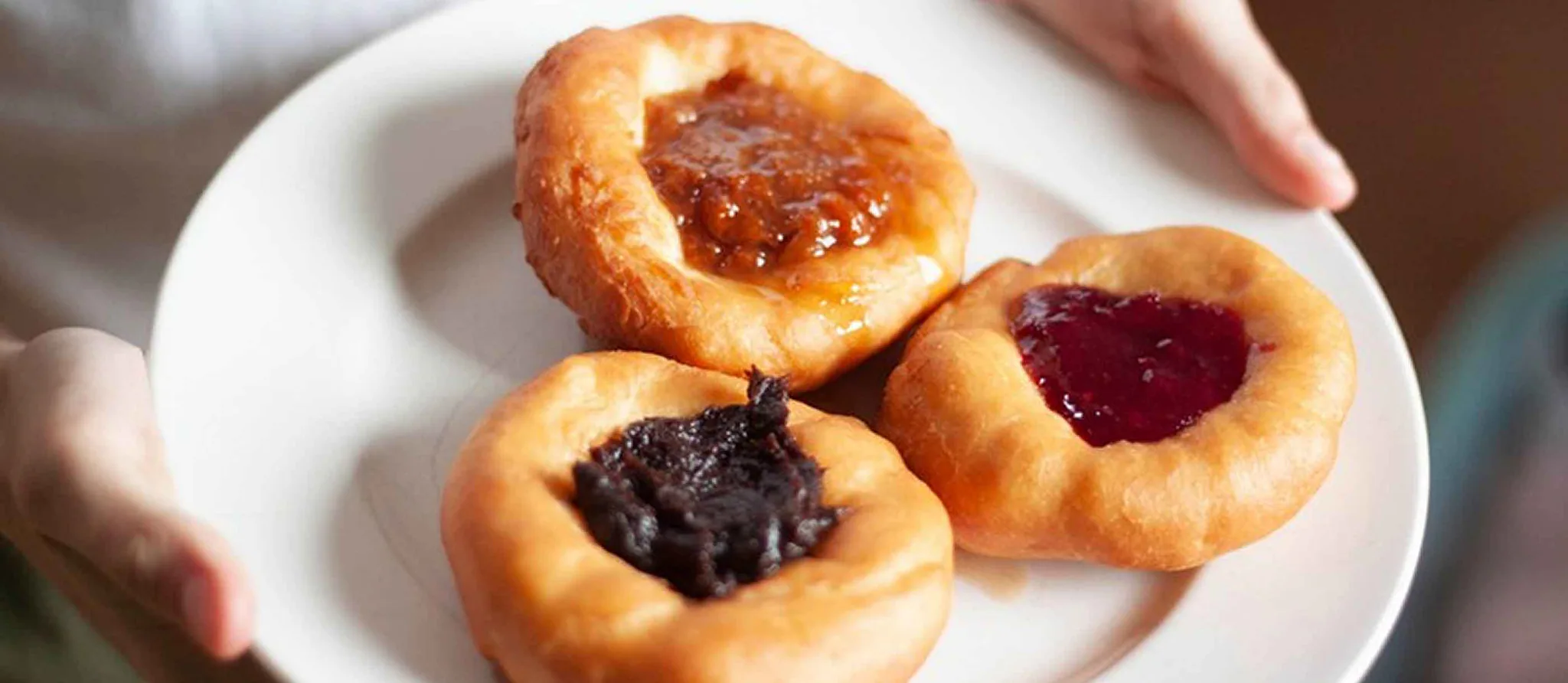
Soft, flat yeast doughnuts with a dip in the middle, fried golden and then topped with plum or fruit jam, crumbled sweet tvaroh curd cheese and whipped cream. A Czech village-fair and Sunday-afternoon treat, best eaten warm.
Vdolky (Czech jam doughnuts with tvaroh and cream) is a Czech pastry from Czechia, ready in about 2 hours 30 minutes and made with all-purpose flour, jam and twaróg (polish curd cheese). It serves 18 and is rated intermediate to cook.
- Prep
- 40 min
- Cook
- 30 min
- Rest
- 1 h 20 min
- Total
- 2 h 30 min
- Serves
- 18
- Level
- Intermediate
- Calories
- 290
Main ingredients
Ingredients
For the dough
For frying
For the topping
Method
Dough
22 minStep 1
Crumble the yeast into half the lukewarm milk (opens in a new tab) with 1 tsp of the sugar (opens in a new tab) and 1 tbsp flour. Leave in a warm place for 10 minutes until foamy (this starter is called kvásek).
- 2 min
Step 2
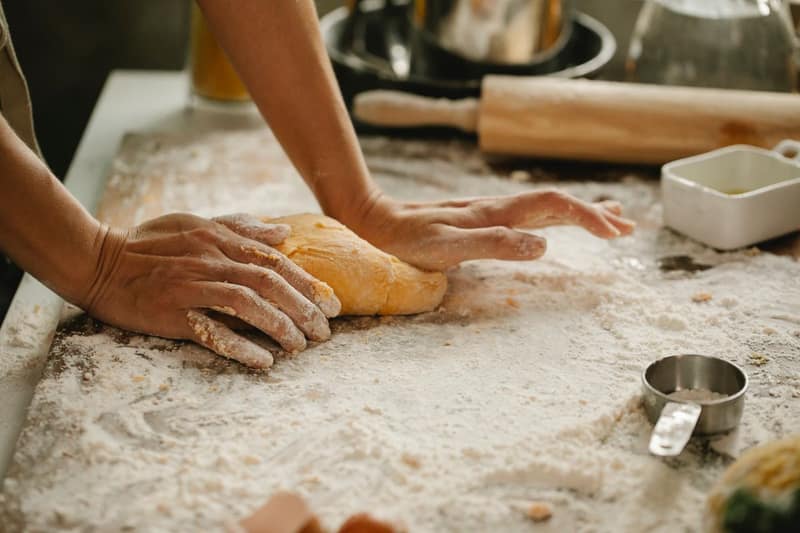
Put the rest of the flour, sugar (opens in a new tab) and salt in a bowl. Add the starter, the remaining milk (opens in a new tab), egg yolks (opens in a new tab), melted butter, rum (opens in a new tab) and lemon zest (opens in a new tab) and knead into a soft, smooth dough that comes away from the bowl, about 8 minutes. Cover and leave to rise until doubled, about 1 hour.
How it looks · Photo: Klaus Nielsen on Pexels Step 3
Roll the dough out on a floured surface to 1.5 cm thick and cut out 7–8 cm rounds, re-rolling the scraps once. Lay them on a floured cloth, cover and leave to rise for 20 minutes.
Topping
5 minStep 4
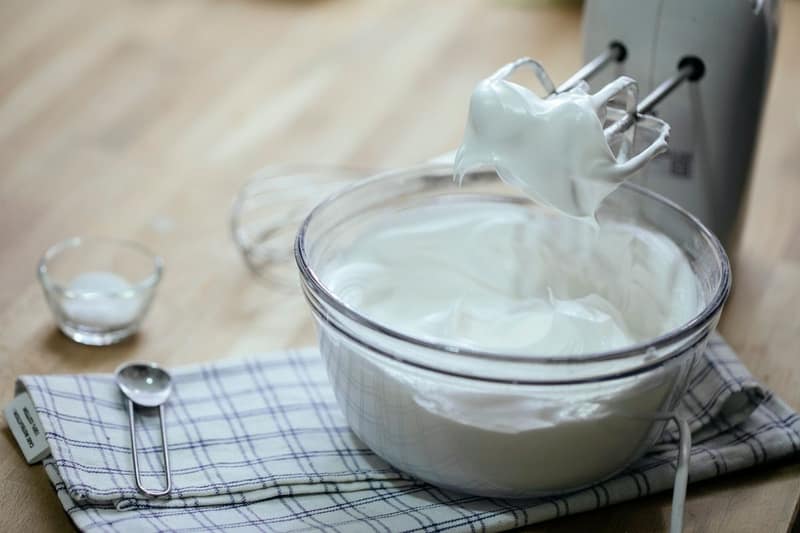
Mix the tvaroh with the sugar (opens in a new tab) and sour cream (opens in a new tab) until crumbly-creamy, and whip the cream with a spoon of sugar.
How it looks · Photo: Katerina Holmes on Pexels
Frying
30 minStep 5
Heat the oil to 170 °C. Press a dip into the centre of each round with your thumbs or the bottom of a small glass dipped in flour. Fry 3–4 at a time, dimpled side down first, with a lid on for 2 minutes, then turn and fry uncovered for 1½–2 minutes until golden. Drain on paper.
- 25 min
- 170°C
- medium heat
- Dutch oven / casserole pot (opens in a new tab)
- Food thermometer (opens in a new tab)
- Slotted spoon (opens in a new tab)
Food safety: Never leave hot oil unattended; keep the pan's handle turned inwards and lower food in gently, away from you.
Covering the pan for the first side makes the doughnuts puff and gives the classic pale ring around the middle.
Step 6
While still warm, fill the dip of each vdolek with jam (opens in a new tab), scatter with the tvaroh mixture and top with whipped cream.
- 5 min
How it looks · Photo: Klaus Nielsen on Pexels
At a glance
1 · Dough in a bowl
 All-purpose flour
 Milk
 Fresh yeast
 Sugar
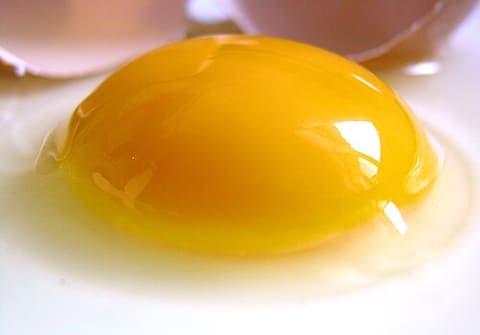 Egg yolk
 Unsalted butter
 Rum
 Lemon zest
 Salt
then mix
2 · Topping in a bowl
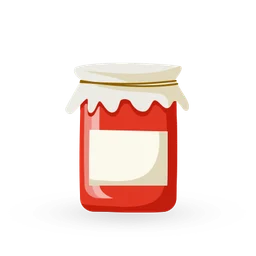 Jam
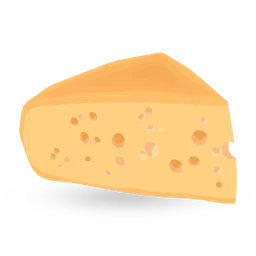 Twaróg (Polish curd cheese)
- Sugar
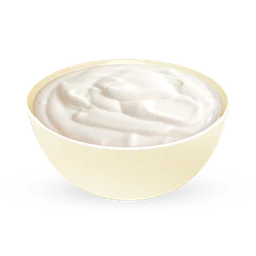 Sour cream
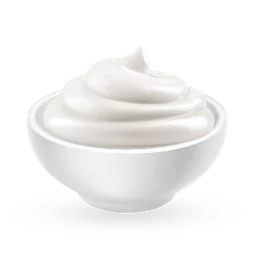 Heavy cream
then heat
3 · Frying in a pan
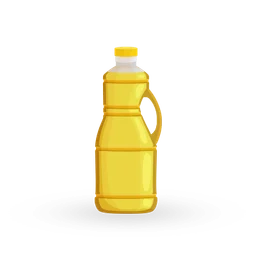 Neutral vegetable oil
About this dish
- Origin
- Bohemia (especially the Chodsko region), Czechia · Commonly attributedDespite the name 'Bavarian' vdolečky, they are thoroughly Czech; a pale ring around the middle, left by frying the first side covered, is the sign of a well-made vdolek. Baked versions also exist.More food from Czechia
Czechia - Dish
- Dessert · Snack · Pastries · Desserts · Sweets & confectionery · Fried dough & doughnuts
- Cooking method
- Deep-fried
- Taste
- sweet, fruity, creamy
- Diet
- Vegetarian (lacto-ovo) · No nut ingredientsWorked out from the ingredients. How labels work
All labels
Vegetarian (lacto-ovo) · Eggetarian · Pescatarian · Flexitarian-friendly · No nut ingredients · Pork-free · Beef-free - Good for
- Festive & celebration · Child-friendly
- Cook more with
- All-purpose flour · Jam · Twaróg (Polish curd cheese) · Milk · Fresh yeast · Sugar
- Techniques
- Deep-frying · Kneading · Fermentation
Allergens
- Contains: Milkfrom milk, unsalted butter, twaróg (polish curd cheese), sour cream, heavy cream
- Contains: Eggsfrom egg yolk
- Contains: Wheatfrom all-purpose flour
- Contains: Glutenfrom all-purpose flour
Based on typical versions of these ingredients and not verified allergen-free. Brands differ and cross-contact happens, so always check labels. For severe allergies, follow your clinician’s advice.
Nutrition
290 kcal per serving
Estimated1 serving ≈ 98 g · recipe makes 18
Where the energy comes from
- Protein 8%
- Carbohydrate 48%
- Fat 43%
| Nutrient | Per serving | Per 100 g* |
|---|---|---|
| Energy | 290 kcal | 295 kcal |
| Protein | 5.9 g | 6 g |
| Carbohydrate | 35 g | 35.5 g |
| Net carbohydrate | 34 g | 34.5 g |
| Sugars | 11.2 g | 11.4 g |
| Added sugars | — | — |
| Fibre | 1 g | 1 g |
| Fat | 13.9 g | 14.1 g |
| Saturated fat | 5.7 g | 5.8 g |
| Trans fat | — | — |
| Cholesterol | 56 mg | 57 mg |
| Sodium | 125 mg | 127 mg |
| Salt equivalent | 0.3 g | 0.3 g |
Vitamins & minerals per serving
- Potassium
- 97 mg
- Calcium
- 50 mg
- Iron
- 1.5 mg
- Magnesium
- 11 mg
- Vitamin A (RAE)
- 95 µg
- Vitamin C
- 1 mg
- Vitamin D
- 0.5 µg
- Vitamin B12
- 0.2 µg
- Folate (DFE)
- 98 µg
How these numbers were made
- Calculated from USDA FoodData Central (SR Legacy) per-100 g values and the listed quantities.
- *Per 100 g of combined raw ingredients; the cooked dish may weigh more or less.
- Twaróg (Polish curd cheese): Creamed cottage cheese used as a stand-in; twaróg is a dry, crumbly fresh curd cheese similar to quark or farmer's cheese, usually a little lower in moisture.
- “—” means the value isn’t known for enough of the ingredients; it is never zero by default.
- Values are estimates for guidance, not for medical dosing. U.S. Department of Agriculture, Agricultural Research Service. FoodData Central, 2019. fdc.nal.usda.gov.
Good to know
Tips
- Warm, not hot, ingredients keep the yeast happy: the milk should feel just warm on your wrist.
- In Chodsko, a spoon of plum povidla thinned with a little rum is the classic topping.
Common mistakes
- Frying in oil that is too hot, so the outside browns before the middle is cooked.
- Rolling the dough too thin, which gives flat, chewy doughnuts.
Serve with
- Serve warm with coffee or a glass of cold milk.
Food safety
- Never leave hot oil unattended; keep the pan's handle turned inwards and lower food in gently, away from you.
- Refrigerate leftover cream and curd topping.
Storage
- Best the day they are made; store untopped vdolky in a tin for 1 day.
Reheating
- Warm untopped vdolky in a 150 °C oven for 5 minutes before topping.
Variations
- Baked vdolky: Brushed with egg and baked at 180 °C instead of fried, for a lighter, bun-like result.
- Chodské vdolky: Larger, flatter discs from western Bohemia topped with povidla, tvaroh and sometimes poppy seeds.
Original editorial recipe · FriendsPantry editorial · source: TasteAtlas (dish facts) · Not yet independently reviewed · Added
Recipe DNA
How this dish is built
Built from the recipe’s own sections. Each band’s width is its share of the dish by weight. Choose a component to see what it does.
Structure
For the dough
- All-purpose flour500 g
- Milk, lukewarm250 ml · 258 g
- Fresh yeast20 g
- Sugar50 g
- Egg yolk3 piece · 51 g
- Unsalted butter, melted and cooled60 g
- Rum1 tbsp · 14 g
- Lemon zest1 tsp · 2 g
- Salt0.5 tsp · 3 g
Reviews & corrections
Reviews come from signed-in cooks and appear after a moderator checks them. We never show made-up ratings.
You might also like
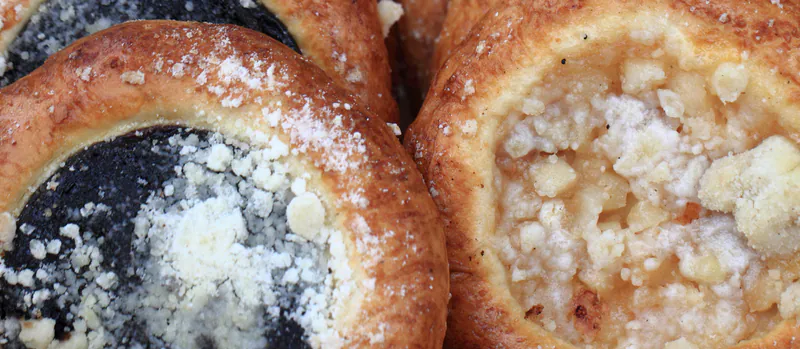
Koláče (Czech filled sweet buns)
 Czech · 3 h · 354 kcal · Contains egg
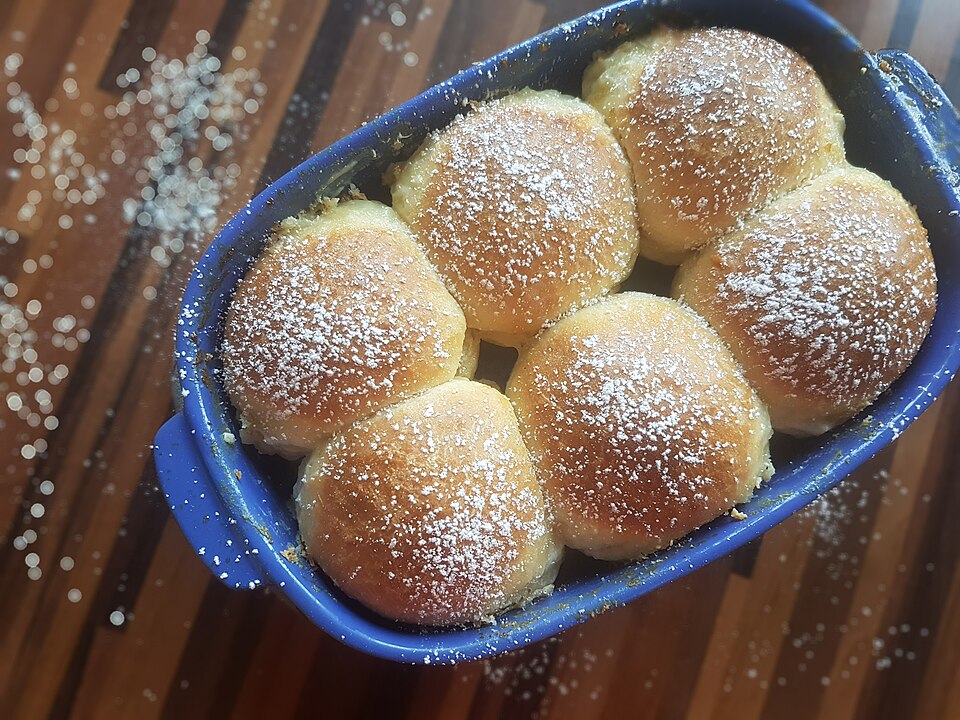
Buchty
Czech · 2 h 30 min · 245 kcal · Contains egg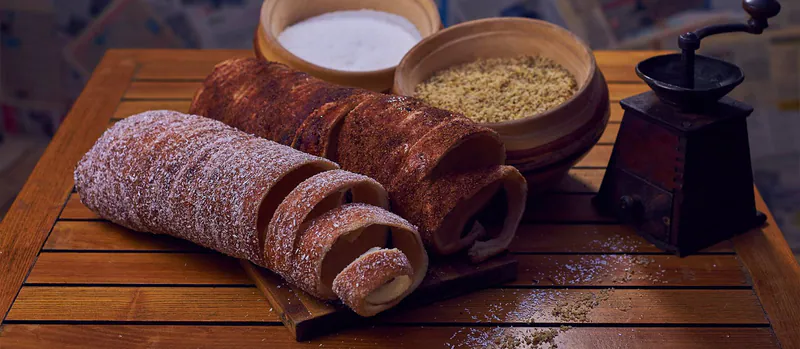
Trdelník (chimney cake)
Czech · 2 h 20 min · 508 kcal · Contains egg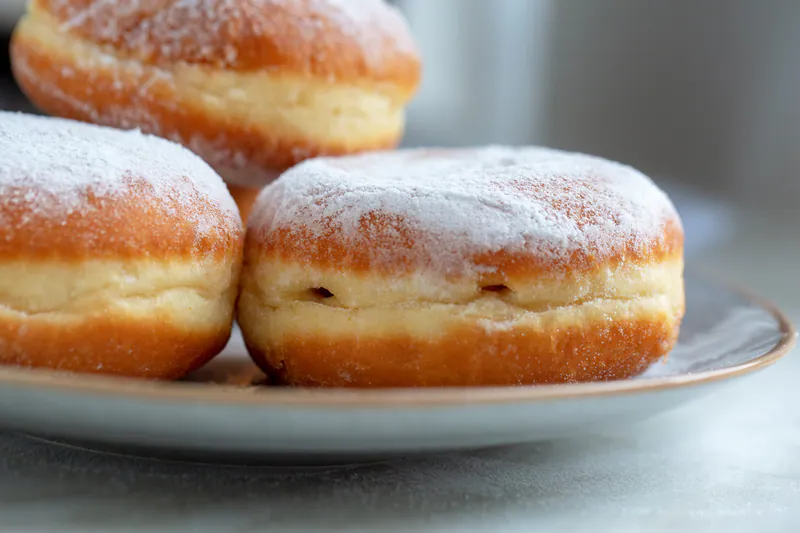
Fánk (Hungarian carnival doughnuts)
 Hungarian · 2 h 30 min · 545 kcal · Contains egg