
Tangbao (crab and pork soup buns)
Non-vegetarian
汤包 · tāngbāo
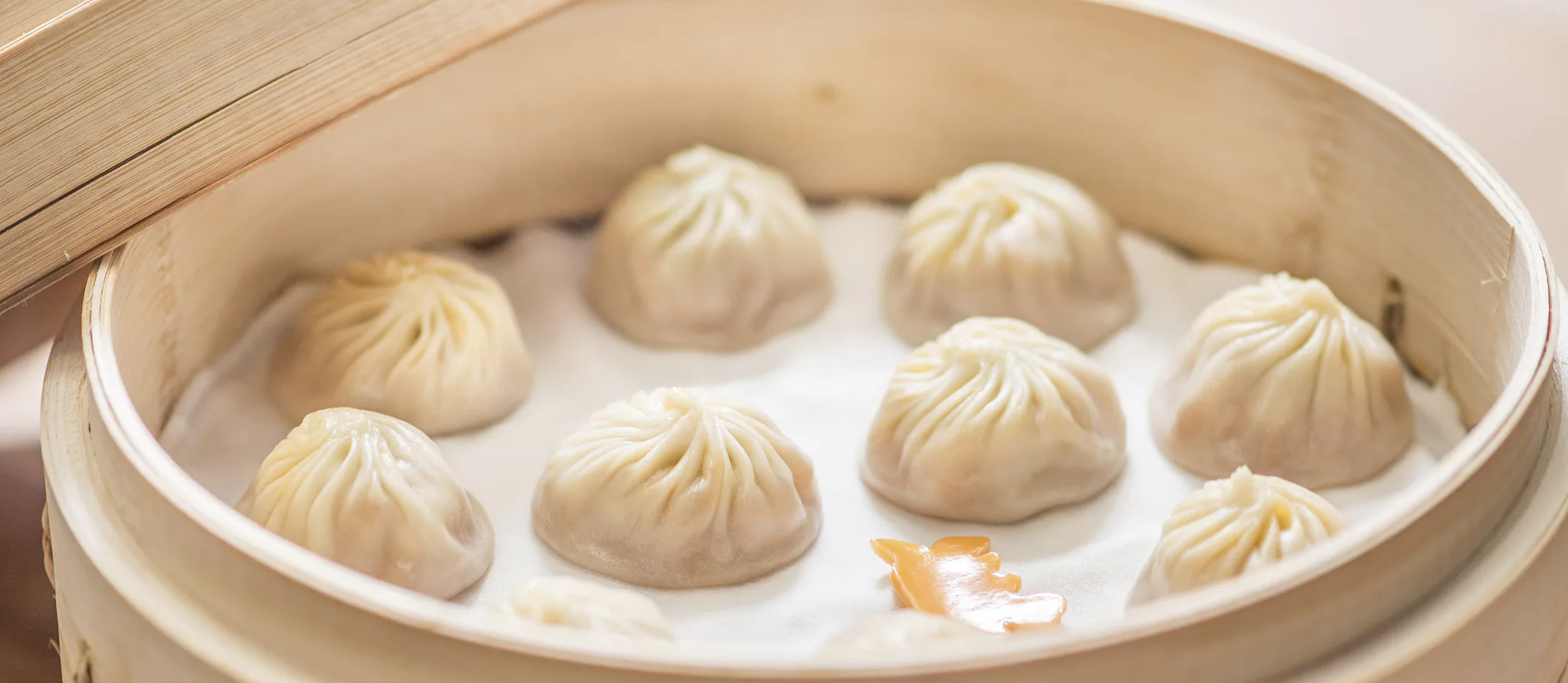
Large, thin-skinned steamed buns pleated around a filling of pork, crab and set stock that melts into a rich, hot soup as they cook. Bite a small hole, sip the broth, then eat the bun with black vinegar and ginger.
Tangbao (crab and pork soup buns) is a Chinese dumpling dish from China, ready in about 4 hours 35 minutes and made with ground pork, crab meat and all-purpose flour. It serves 4 and is rated advanced to cook.
- Prep
- 1 h 15 min
- Cook
- 20 min
- Rest
- 3 h
- Total
- 4 h 35 min
- Serves
- 4
- Level
- Advanced
- Calories
- 536
Includes setting the aspic (about 3 hours, or overnight) and resting the dough.
Main ingredients
Ingredients
For the aspic
For the filling
For the dough
To serve
Method
Aspic
8 minStep 1
Sprinkle the gelatine (opens in a new tab) over 100 ml of the cold stock and leave for 5 minutes, then heat the rest of the stock, stir in the soaked gelatine until dissolved and pour into a shallow dish. Chill until firmly set, at least 3 hours. Chop the aspic into small cubes.
- 8 min
- medium-low heat
- Saucepan (opens in a new tab)
Dough
10 minStep 2
Mix the flour and a pinch of salt with the lukewarm water and knead for 8 minutes to a smooth, elastic dough. Cover and rest for 30 minutes.

How it looks · Photo: Klaus Nielsen on Pexels
Filling
1 h 3 minStep 3
Stir the pork in one direction with the grated ginger, spring onion (opens in a new tab), soy sauce (opens in a new tab), Shaoxing wine (opens in a new tab), sugar (opens in a new tab), sesame oil (opens in a new tab), white pepper (opens in a new tab) and salt until it turns sticky and springy, 2–3 minutes. Fold in the crab meat (opens in a new tab) and then the aspic cubes. Chill until needed.
Step 4
Roll the dough into a log and cut into 16 pieces. Roll each into a 10–11 cm round, thinner at the edges than in the middle.
Step 5
Hold a wrapper in your palm, put a heaped tablespoon of filling in the centre and pleat the edge with your other hand, making 18–20 small folds as you rotate the bun, then twist the top closed. Set the buns on squares of baking paper in a steamer (opens in a new tab) basket, 3 cm apart.
Keep the filling cold so the aspic does not melt while you work.
Step 6
Steam over rapidly boiling water for 8–10 minutes until the skins turn slightly translucent and the buns look swollen with soup.
- 10 min
- high heat
- Steamer (opens in a new tab)
Food safety: The soup inside is scalding: let each bun cool for a minute and bite a small hole to let the steam escape before sipping.
To serve
2 minStep 7
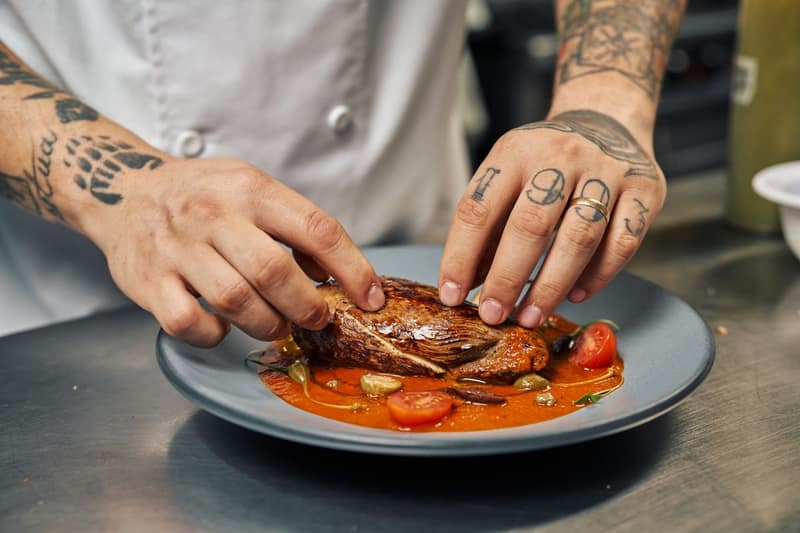
Serve straight from the steamer (opens in a new tab) with small dishes of black vinegar and shredded ginger. Lift each bun gently onto a spoon by its top knot.
- 2 min
How it looks · Photo: Willians Huerta on Pexels
At a glance
1 · Aspic in a pan
 Chicken stock
 Gelatine
then mix
2 · Dough in a bowl
 All-purpose flour
 Salt
then stir
3 · Filling in a bowl
 Ground pork
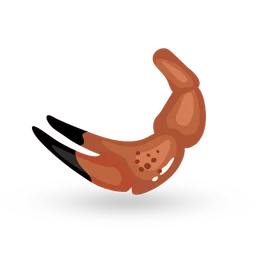 Crab meat
 Fresh ginger
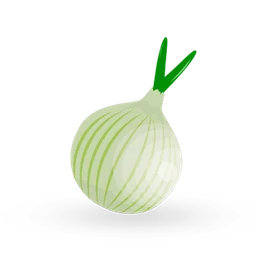 Spring onion
 Soy sauce
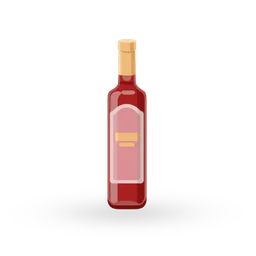 Shaoxing wine
 Sugar
 Toasted sesame oil
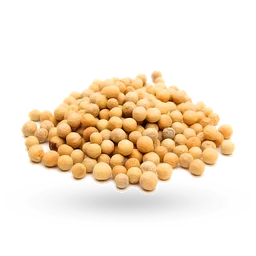 White pepper
- Salt
then serve
4 · To serve in a bowl
 Chinese black vinegar
- Fresh ginger
About this dish
- Origin
- Jiangsu (Yangzhou, Jingjiang, Nanjing), China · Well documentedTangbao is the umbrella name for soup-filled buns of the lower Yangtze; the large crab-roe buns of Jingjiang and Yangzhou are sipped through a straw, while Shanghai's small xiaolongbao are the best-known relatives.Also popular in Taiwan, Hong KongMore food from China
China - Dish
- Breakfast · Lunch · Snack · Dumplings · Breakfast dishes
- Cooking method
- Steamed
- Taste
- umami, savoury, rich, aromatic / warmly spiced
- Diet
- Dairy-free · No nut ingredients · High-proteinWorked out from the ingredients. How labels work
All labels
Non-vegetarian · Dairy-free · Egg-free · No nut ingredients · Beef-free · High-protein - Good for
- Festive & celebration · Freezer-friendly
- Cook more with
- Ground pork · Crab meat · All-purpose flour · Chicken stock · Gelatine · Fresh ginger
- Techniques
- Boiling · Steaming · Kneading · Gelification
Allergens
- Contains: Crustaceansfrom crab meat
- Contains: Wheatfrom soy sauce, shaoxing wine, all-purpose flour, chinese black vinegar
- Contains: Glutenfrom soy sauce, shaoxing wine, all-purpose flour, chinese black vinegar
- Contains: Soyfrom soy sauce
- Contains: Sesamefrom toasted sesame oil
- May contain: Celeryfrom chicken stock
Based on typical versions of these ingredients and not verified allergen-free. Brands differ and cross-contact happens, so always check labels. For severe allergies, follow your clinician’s advice.
Nutrition
536 kcal per serving
Estimated1 serving ≈ 332 g · recipe makes 4
Where the energy comes from
- Protein 23%
- Carbohydrate 44%
- Fat 33%
| Nutrient | Per serving | Per 100 g* |
|---|---|---|
| Energy | 536 kcal | 161 kcal |
| Protein | 30 g | 9 g |
| Carbohydrate | 56.9 g | 17.1 g |
| Net carbohydrate | 54.8 g | 16.5 g |
| Sugars | — | — |
| Added sugars | 1 g | 0.3 g |
| Fibre | 2.1 g | 0.6 g |
| Fat | 19.1 g | 5.8 g |
| Saturated fat | 6.5 g | 2 g |
| Trans fat | — | — |
| Cholesterol | 80 mg | 24 mg |
| Sodium | 832 mg | 251 mg |
| Salt equivalent | 2.1 g | 0.6 g |
Vitamins & minerals per serving
- Potassium
- 562 mg
- Calcium
- 67 mg
- Iron
- 4.4 mg
- Magnesium
- 53 mg
- Vitamin A (RAE)
- 7 µg
- Vitamin C
- 3 mg
- Vitamin D
- —
- Vitamin B12
- 3.2 µg
- Folate (DFE)
- 210 µg
How these numbers were made
- Calculated from USDA FoodData Central (SR Legacy) per-100 g values and the listed quantities.
- *Per 100 g of combined raw ingredients; the cooked dish may weigh more or less.
- Shaoxing wine: Sake (FDC 167723) used as a stand-in for Chinese rice cooking wine.
- Chinese black vinegar: Balsamic vinegar (FDC 172241) used as a stand-in for Chinkiang/Zhenjiang black rice vinegar; both are dark, aged and slightly sweet.
- “—” means the value isn’t known for enough of the ingredients; it is never zero by default.
- Values are estimates for guidance, not for medical dosing. U.S. Department of Agriculture, Agricultural Research Service. FoodData Central, 2019. fdc.nal.usda.gov.
Good to know
Tips
- Freeze shaped, unsteamed buns on a tray and then bag them; steam from frozen for 12–14 minutes.
- A spoonful of crab roe or salted egg yolk mixed into the filling gives the golden colour of Jiangsu crab tangbao.
Common mistakes
- Rolling the wrapper edges thick, which leaves a doughy knot at the top.
- Overfilling — the bun tears in the steamer and loses its soup.
Serve with
- Serve as part of a dim-sum style breakfast with plain soy milk or jasmine tea.
Food safety
- Cook the pork filling through: the buns are done when the filling reaches 71 °C.
Storage
- Steamed buns are best eaten at once. Uncooked buns freeze for up to 1 month.
Reheating
- Re-steam leftovers for 5 minutes; the soup will have been reabsorbed.
Variations
- Jingjiang / Yangzhou guantang bao: A single very large bun filled almost entirely with crab and pork soup, served with a straw to drink it.
- Xiaolongbao: The small Shanghai/Changzhou pork soup dumplings steamed in bamboo baskets.
- Kaifeng guantang baozi: Henan's version, made with a lightly leavened dough.
Original editorial recipe · FriendsPantry editorial · source: TasteAtlas (dish facts) · Not yet independently reviewed · Added
Sauces, chutneys & dips for this dish
Recipe DNA
How this dish is built
Built from the recipe’s own sections. Each band’s width is its share of the dish by weight. Choose a component to see what it does.
Reviews & corrections
Reviews come from signed-in cooks and appear after a moderator checks them. We never show made-up ratings.
You might also like
Xiaolongbao (soup dumplings)
 Chinese · 3 h 25 min · 482 kcal
Pork baozi (steamed pork buns)
Chinese · 2 h 25 min · 244 kcalChinese dumpling dipping sauce
Chinese · 15 min · 56 kcal · Vegan
Shengjian bao (pan-fried pork soup buns)
Chinese · 3 h 25 min · 755 kcal