
 Cantonese · Hong Kong · Main courses
Siu yuk (Cantonese crispy roast pork belly)
Non-vegetarian
燒肉 · siu1 juk6
A slab of pork belly seasoned underneath with five-spice and rice wine, its skin dried and salt-crusted, then roasted until the crackling puffs into a glassy, bubbly layer above juicy meat. One of the great siu mei roast meats of Cantonese barbecue shops.
Siu yuk (Cantonese crispy roast pork belly) is a Cantonese main course from China, ready in about 2 hours 25 minutes and made with pork belly and five-spice powder. It serves 6 and is rated advanced to cook.
No licensed photograph of this dish yet.
- Prep
- 30 min
- Cook
- 1 h 40 min
- Rest
- 15 min
- Total
- 2 h 25 min
- Serves
- 6
- Level
- Advanced
- Calories
- 1048
Plus 12–24 hours drying the skin in the fridge.
Main ingredients
Ingredients
For the meat rub
For the skin
To serve
Method
Meat rub
20 minStep 1
Pour boiling water over the skin to tighten it, then pat completely dry. Prick the skin all over, very densely, with a sharp skewer or meat tenderiser, without going through to the meat.
- 15 min
Food safety: Wash hands, boards and knives after handling raw meat, and keep it apart from salad and other ready-to-eat food.
The more holes, the better the crackling bubbles.
Step 2
Mix the salt, five-spice, white pepper (opens in a new tab) and sugar (opens in a new tab). Turn the pork over, make a few shallow cuts in the meat side, brush with the Shaoxing wine (opens in a new tab) and rub in the spice mix, keeping it off the skin.
- 5 min
Skin
1 h 40 minStep 3
Turn the pork skin side up, wipe the skin with the rice vinegar (opens in a new tab) mixed with the baking soda (opens in a new tab) and set it on a rack. Refrigerate uncovered for 12–24 hours until the skin is dry and leathery.
Step 4
Heat the oven (opens in a new tab) to 180 °C. Wrap foil tightly around the sides of the pork so only the skin is exposed, forming a tray. Pack the coarse salt over the skin in an even layer. Roast on a rack over a tray for 60 minutes.
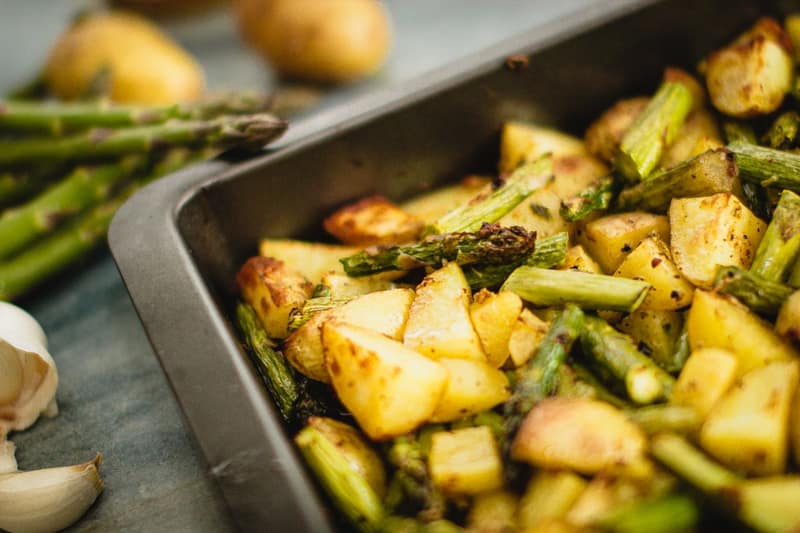
How it looks · Photo: locrifa on Pexels Step 5
Remove the salt crust and brush away any loose salt. Turn the oven (opens in a new tab) up to 230 °C (or switch to the grill) and roast for 25–40 minutes more, watching closely, until the whole skin puffs and turns crisp and golden. Scrape off any blackened spots with a knife.
- 35 min
- 230°C
- Oven (opens in a new tab)
Food safety: Cook pork until the juices run clear and the centre reaches at least 71 °C (63 °C for whole roasts, followed by a rest).
To serve
15 minStep 6
Rest for 15 minutes, then turn the pork skin side down and cut through the meat into bite-sized pieces with a heavy knife. Serve with mustard and sugar (opens in a new tab) for dipping.
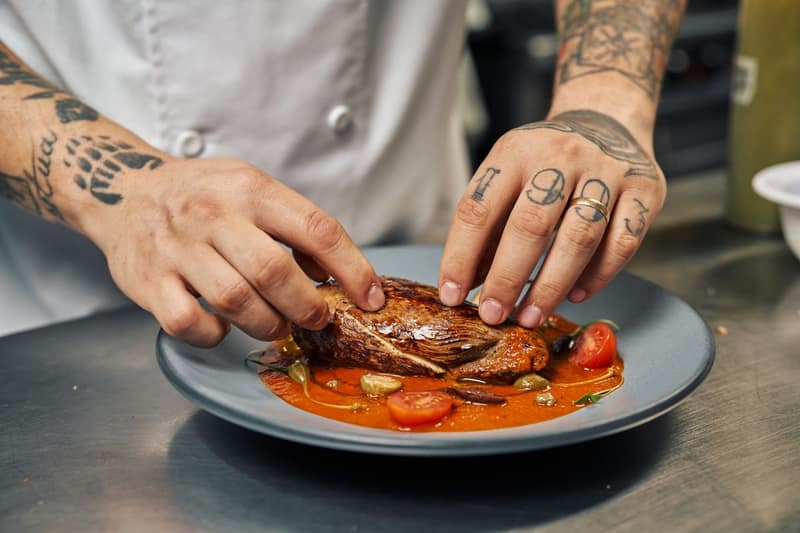
How it looks · Photo: Willians Huerta on Pexels
At a glance
1 · Meat rub in a bowl
 Salt
 Five-spice powder
 White pepper
 Sugar
 Shaoxing wine
then turn
2 · Skin in a pan
 Rice vinegar
 Baking soda
- Salt
then rest
3 · To serve in a bowl
 Prepared mustard
- Sugar
About this dish
- Origin
- Guangdong and Hong Kong, China · Well documentedSiu mei ('roast flavour') is the Cantonese family of roast meats hung in shop windows: char siu, siu yuk, roast goose and duck, soy sauce chicken and white-cut chicken. Whole roast suckling pig is the festive form of siu yuk.Also popular in Hong Kong, Malaysia, SingaporeMore food from China
China - Dish
- Lunch · Dinner · Main courses
- Cooking method
- Roasted, Marinated / cured
- Taste
- savoury, salty, aromatic / warmly spiced, rich
- Diet
- Dairy-free · No nut ingredients · Keto-style · Low-carbWorked out from the ingredients. How labels work
All labels
Non-vegetarian · Dairy-free · Egg-free · No nut ingredients · Beef-free · Keto-style · Low-carb - Good for
- Festive & celebration · Make-ahead
- Cook more with
- Pork belly · Five-spice powder · White pepper · Sugar · Shaoxing wine · Rice vinegar
- Techniques
- Roasting · Boiling · Marinating · Curing
Allergens
- Contains: Wheatfrom shaoxing wine
- Contains: Glutenfrom shaoxing wine
- Contains: Mustardfrom prepared mustard
- May contain: Sulphitesfrom prepared mustard
Based on typical versions of these ingredients and not verified allergen-free. Brands differ and cross-contact happens, so always check labels. For severe allergies, follow your clinician’s advice.
Nutrition
1048 kcal per serving
Estimated1 serving ≈ 216 g · recipe makes 6
Where the energy comes from
- Protein 7%
- Carbohydrate 1%
- Fat 92%
| Nutrient | Per serving | Per 100 g* |
|---|---|---|
| Energy | 1048 kcal | 486 kcal |
| Protein | 19 g | 8.8 g |
| Carbohydrate | 1.4 g | 0.7 g |
| Net carbohydrate | 1 g | 0.5 g |
| Sugars | 0.8 g | 0.4 g |
| Added sugars | 0.7 g | 0.3 g |
| Fibre | 0.4 g | 0.2 g |
| Fat | 106.3 g | 49.3 g |
| Saturated fat | 38.7 g | 17.9 g |
| Trans fat | — | — |
| Cholesterol | 144 mg | 67 mg |
| Sodium | 926 mg | 430 mg |
| Salt equivalent | 2.3 g | 1.1 g |
Vitamins & minerals per serving
- Potassium
- 383 mg
- Calcium
- 16 mg
- Iron
- 1.2 mg
- Magnesium
- 12 mg
- Vitamin A (RAE)
- 6 µg
- Vitamin C
- 1 mg
- Vitamin D
- —
- Vitamin B12
- 1.7 µg
- Folate (DFE)
- 3 µg
How these numbers were made
- Calculated from USDA FoodData Central (SR Legacy) per-100 g values and the listed quantities.
- *Per 100 g of combined raw ingredients; the cooked dish may weigh more or less.
- Optional ingredients are not included: baking soda, sugar.
- Not counted (tiny amounts or “to taste”): five-spice powder.
- Shaoxing wine: Sake (FDC 167723) used as a stand-in for Chinese rice cooking wine.
- Rice vinegar: Distilled vinegar (FDC 172237) used as a stand-in for unseasoned rice vinegar.
- “—” means the value isn’t known for enough of the ingredients; it is never zero by default.
- Values are estimates for guidance, not for medical dosing. U.S. Department of Agriculture, Agricultural Research Service. FoodData Central, 2019. fdc.nal.usda.gov.
Good to know
Tips
- Level the slab with scrunched foil underneath so the skin is flat and cooks evenly.
- Cutting skin side down keeps the crackling intact.
Common mistakes
- Not drying the skin long enough, which gives chewy rather than puffed crackling.
Serve with
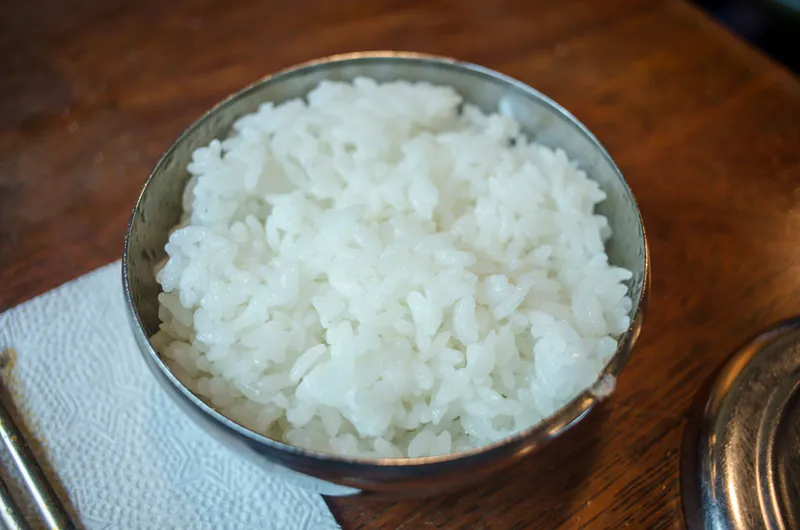
- Over steamed rice with blanched gai lan, or as part of a siu mei platter with char siu and soy sauce chicken.
Food safety
- Cook pork until the juices run clear and the centre reaches at least 71 °C (63 °C for whole roasts, followed by a rest).
- Wash hands, boards and knives after handling raw meat, and keep it apart from salad and other ready-to-eat food.
Storage
- Keeps 3 days refrigerated, uncovered so the skin stays as dry as possible.
Reheating
- Re-crisp skin side up in a 200 °C oven or air fryer for 8–10 minutes.
Variations
- Roast suckling pig: A whole young pig roasted the same way for weddings and festivals.
- Fermented bean curd rub: Many shops add a spoonful of red fermented bean curd to the meat rub for colour and depth.
Original editorial recipe · FriendsPantry editorial · source: TasteAtlas (dish facts) · Not yet independently reviewed · Added
Recipe DNA
How this dish is built
Built from the recipe’s own sections. Each band’s width is its share of the dish by weight. Choose a component to see what it does.
What the dish is built around
For the meat rub
- Salt1.5 tsp · 9 g
- Five-spice powder1 tsp · 2.2 g
- White pepper0.5 tsp · 1.2 g
- Sugar1 tsp · 4.2 g
- Shaoxing wine1 tbsp · 15 g
Masalas in this recipe
Make the masala first, then come back to finish the dish.
Dry spice blend
Chinese five-spice powder
This recipe uses 1 tsp (2.2 g for 6 servings).
Reviews & corrections
Reviews come from signed-in cooks and appear after a moderator checks them. We never show made-up ratings.
You might also like
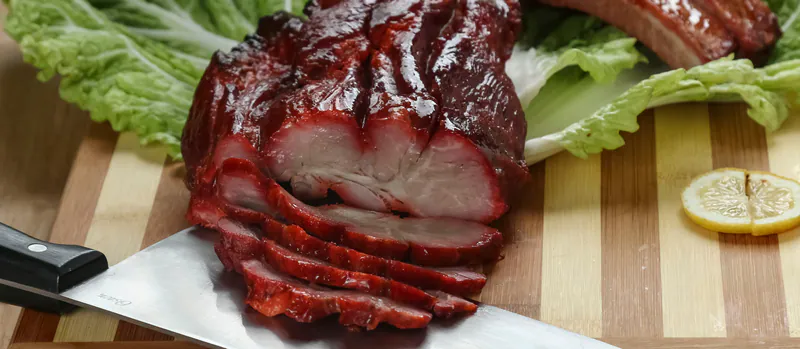
Char siu (Cantonese barbecue pork)
Cantonese · 1 h 10 min · 392 kcal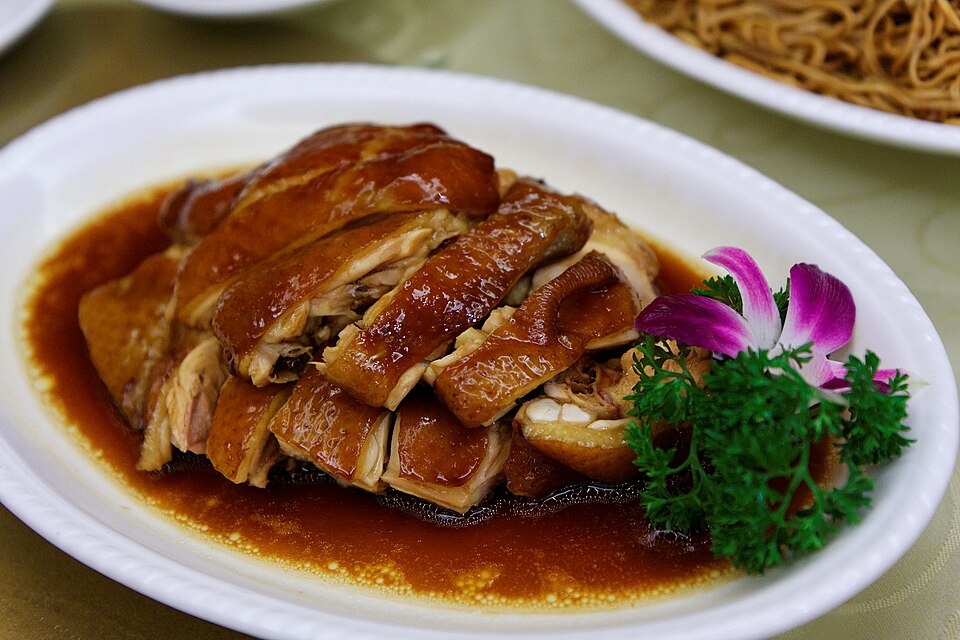
Cantonese soy sauce chicken
Cantonese · 1 h 5 min · 466 kcal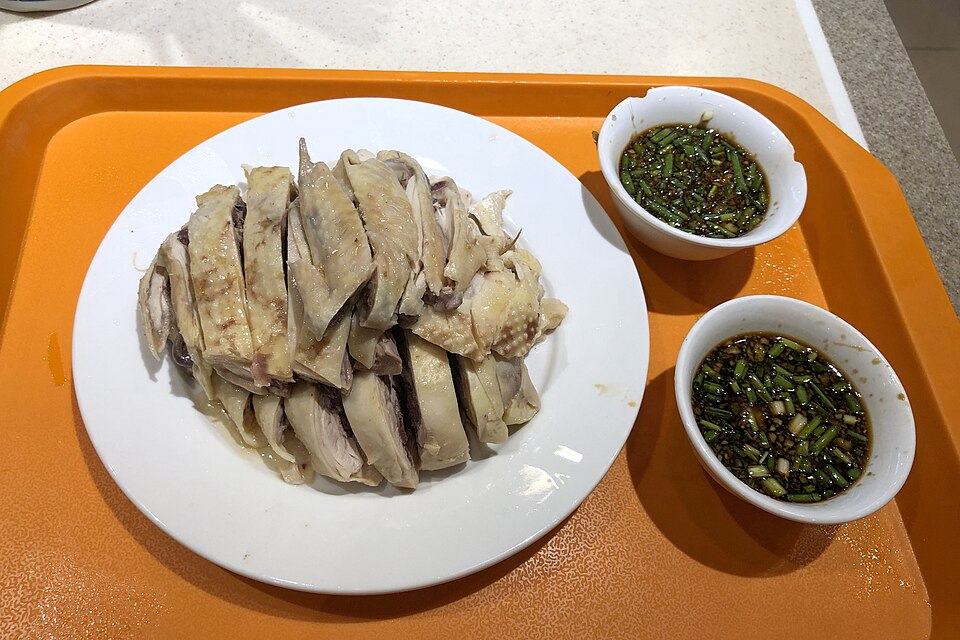
White cut chicken with ginger-scallion sauce
Cantonese · 1 h 15 min · 654 kcal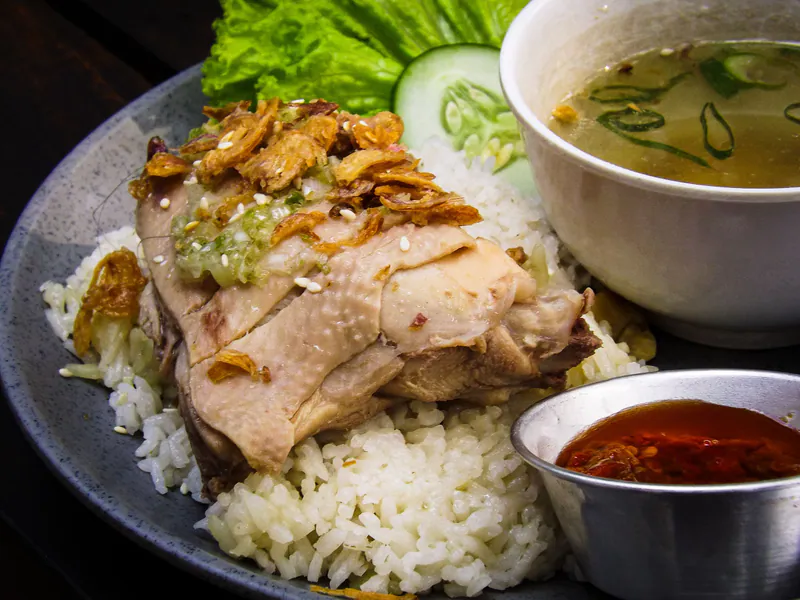
Hainanese chicken rice
 Singaporean · 1 h 35 min · 803 kcal