
Sate Padang (beef and tongue satay in spiced turmeric sauce)
Non-vegetarian
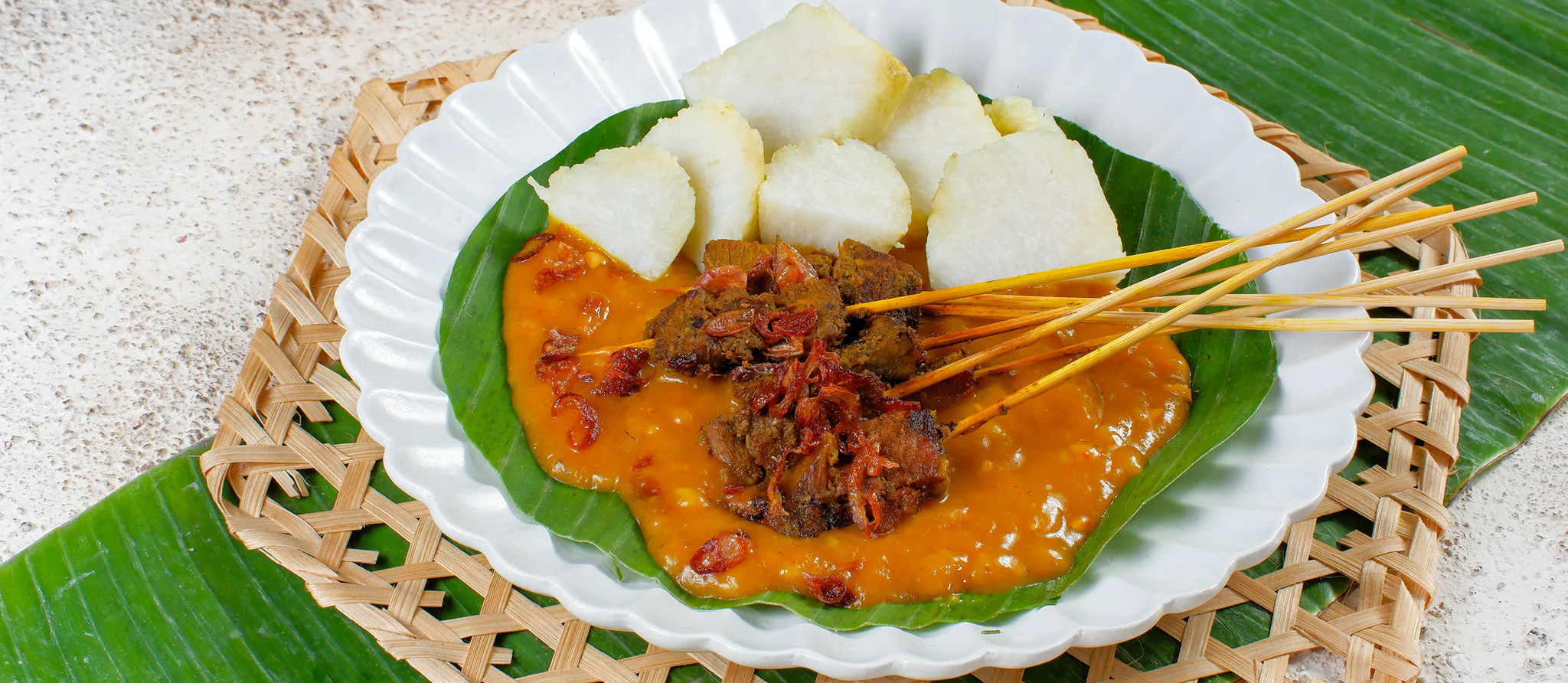
Sate Padang
Beef and beef tongue simmered in a broth fragrant with lemongrass, galangal and lime leaves, threaded onto skewers and grilled, then smothered in a thick golden sauce thickened with rice flour. Unlike most Indonesian satay it has no peanut or sweet soy sauce — the heat and spice come from the Minangkabau spice paste.
Sate Padang (beef and tongue satay in spiced turmeric sauce) is an Indonesian grilled dish, ready in about 3 hours 25 minutes and made with beef brisket, beef tongue and turmeric. It serves 6 and is rated advanced to cook.
- Prep
- 40 min
- Cook
- 2 h 45 min
- Total
- 3 h 25 min
- Serves
- 6
- Level
- Advanced
- Calories
- 408
Main ingredients
Ingredients
For the meat and broth
For the spice paste
For the sauce
Method
Meat and broth
2 h 20 minStep 1
Put the brisket (opens in a new tab) and tongue in a stockpot with the water, lemongrass (opens in a new tab), galangal (opens in a new tab) slices, lime leaves, salam leaves (opens in a new tab) and salt. Bring to the boil, skim, then simmer gently for 2–2½ hours until the tongue is tender when pierced.
- 140 min
- low heat
- Stockpot / large pot (opens in a new tab)
Food safety: Wash hands, boards and knives after handling raw meat, and keep it apart from salad and other ready-to-eat food.
Spice paste
25 minStep 2
While the meat cooks, blend the shallots (opens in a new tab), garlic (opens in a new tab), fresh and soaked chillies, ginger, peeled galangal (opens in a new tab), turmeric (opens in a new tab), coriander, cumin (opens in a new tab) and white pepper (opens in a new tab) with a splash of water to a smooth paste.
Step 3
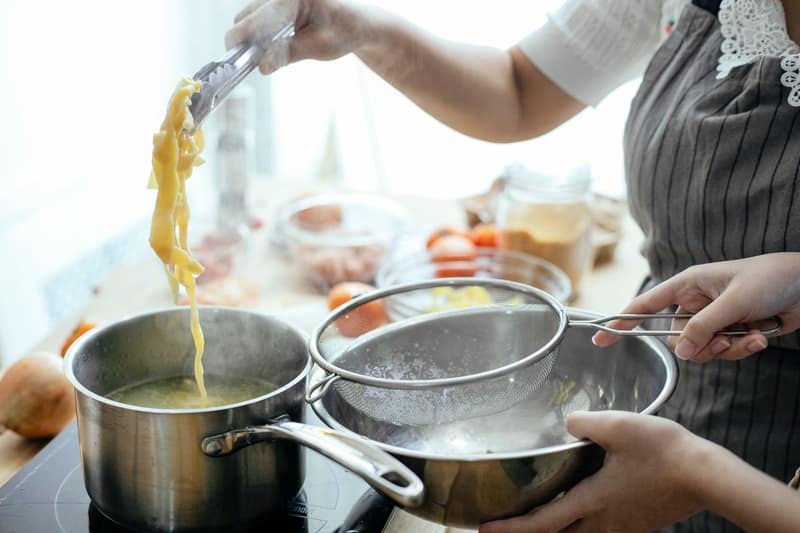
Lift out the meat. Peel the skin off the tongue while still warm. Strain and keep 1 litre of the broth. Cut the brisket (opens in a new tab) and tongue into 2 cm cubes or thin slices.
- 15 min
How it looks · Photo: Katerina Holmes on Pexels
Sauce
37 minStep 4
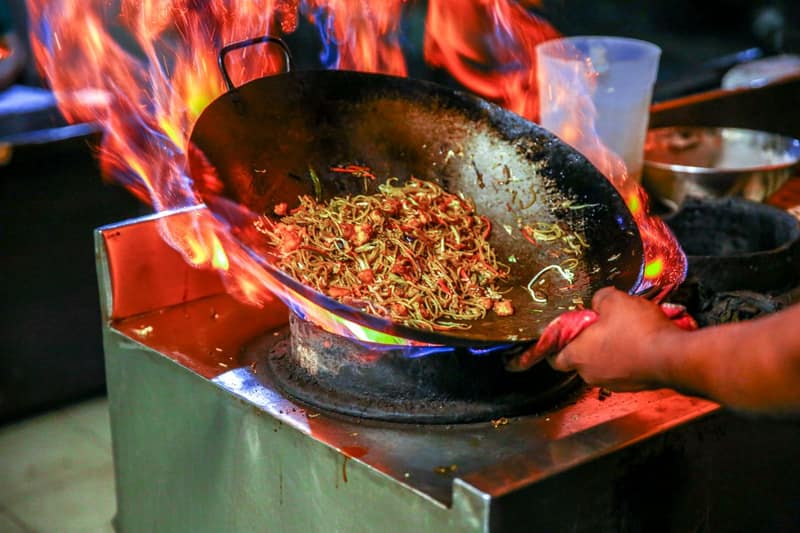
Heat the oil in a wok (opens in a new tab) and fry the spice paste over medium heat, stirring, until it darkens, smells cooked and the oil separates, 8–10 minutes. Set aside 3 tbsp of the paste for basting.
- 10 min
- medium heat
- Wok (opens in a new tab)
How it looks · Photo: Aesthos AR. Photography on Pexels Step 5
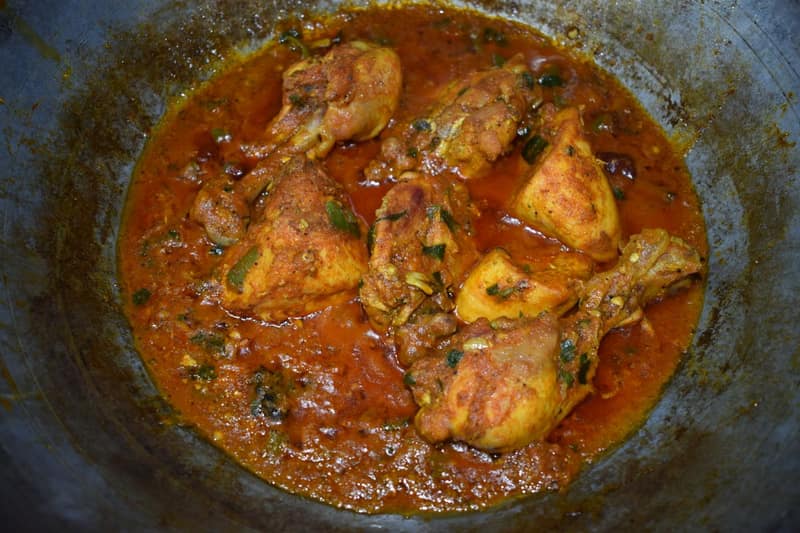
Pour the 1 litre of broth into the remaining paste and bring to a simmer. Whisk (opens in a new tab) the rice flour (opens in a new tab) into the 200 ml water, then pour it in slowly, whisking constantly. Add the sugar (opens in a new tab) and simmer, stirring, for 8–10 minutes until thick, smooth and gravy-like. Taste for salt.
- 10 min
- medium-low heat
- Whisk (opens in a new tab)
If it gets too thick, loosen it with a little more broth.
How it looks · Photo: Bachir Mamud on Pexels Step 6
Thread the meat onto soaked bamboo skewers (opens in a new tab), about 4 pieces each. Toss with the reserved paste and grill over charcoal or on a hot grill pan (opens in a new tab), turning, until charred at the edges, 2–3 minutes per side.
- 15 min
- high heat
- Skewers (opens in a new tab)
- Grill pan (opens in a new tab)
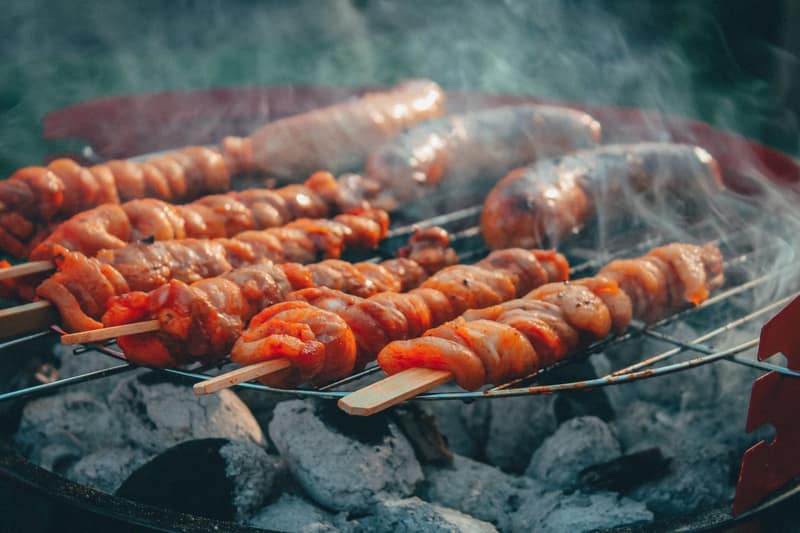
How it looks · Photo: Malte Luk on Pexels Step 7
Lay the skewers (opens in a new tab) on plates and pour the hot sauce generously over them.
- 2 min
At a glance
1 · Meat and broth in a pot
 Beef brisket
- Beef tongue
 Lemongrass
 Galangal
 Makrut lime leaves
 Salam leaves (Indonesian bay leaves)
 Salt
then blend
2 · Spice paste in a bowl
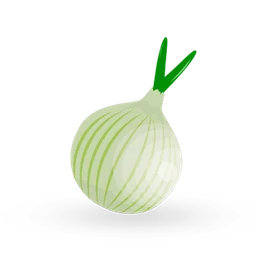 Shallot
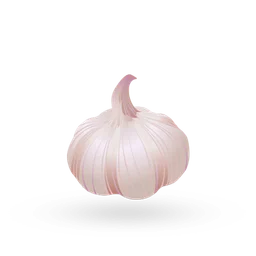 Garlic
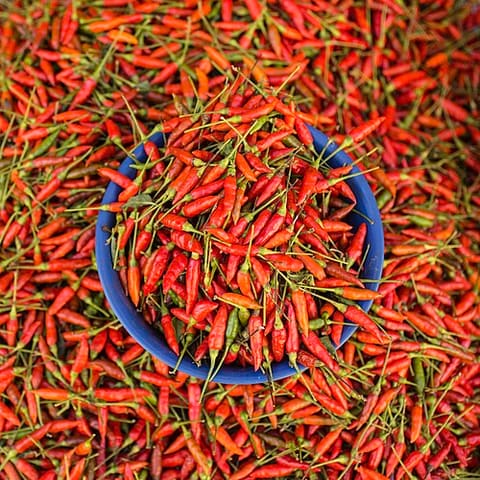 Fresh red chilli
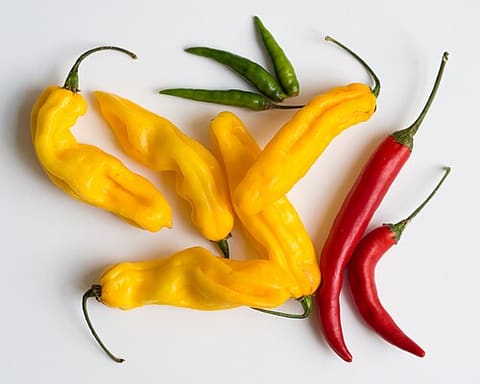 Dried whole chillies
 Fresh ginger
- Galangal
 Turmeric
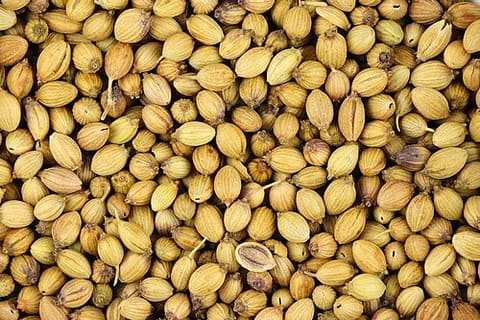 Ground coriander
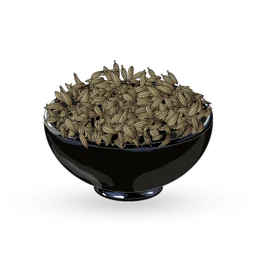 Cumin
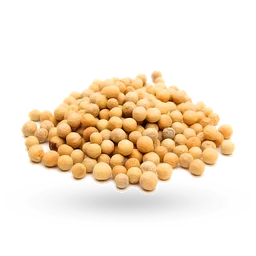 White pepper
then heat
3 · Sauce in a pan
 Neutral vegetable oil
 Rice flour
 Sugar
About this dish
- Origin
- West Sumatra (Padang, Padang Panjang and Pariaman), Indonesia · Well documentedA Minangkabau dish; the yellow, turmeric-rich sauce is associated with Padang Panjang and the redder, spicier version with Pariaman.Also popular in MalaysiaMore food from Indonesia
Indonesia - Dish
- Dinner · Snack · Grills & kebabs · Street food · Main courses
- Cooking method
- Boiled, Grilled, Simmered
- Taste
- spicy (chilli heat), aromatic / warmly spiced, savoury, earthy
- Diet
- No gluten ingredients · Dairy-free · No nut ingredients · High-proteinWorked out from the ingredients. How labels work
All labels
Non-vegetarian · No gluten ingredients · Dairy-free · Egg-free · No nut ingredients · Alcohol-free · Pork-free · High-protein · Low-fat · Low-sodium · Calorie-conscious - Good for
- Street food · Festive & celebration · Make-ahead
- Cook more with
- Beef brisket · Beef tongue · Turmeric · Rice flour · Lemongrass · Galangal
- Techniques
- Grilling · Charcoal grilling · Boiling · Simmering · Bhunao
Allergens
None of the 14 major allergens appear in the listed ingredients.
Based on typical versions of these ingredients and not verified allergen-free. Brands differ and cross-contact happens, so always check labels. For severe allergies, follow your clinician’s advice.
Nutrition
408 kcal per serving
Estimated1 serving ≈ 728 g · recipe makes 6
Where the energy comes from
- Protein 38%
- Carbohydrate 23%
- Fat 38%
| Nutrient | Per serving | Per 100 g* |
|---|---|---|
| Energy | 408 kcal | 56 kcal |
| Protein | 39.4 g | 5.4 g |
| Carbohydrate | 24 g | 3.3 g |
| Net carbohydrate | 20.9 g | 2.9 g |
| Sugars | 4.5 g | 0.6 g |
| Added sugars | 0.7 g | 0.1 g |
| Fibre | 3.1 g | 0.4 g |
| Fat | 17.6 g | 2.4 g |
| Saturated fat | 3.8 g | 0.5 g |
| Trans fat | 0.4 g | 0.1 g |
| Cholesterol | 167 mg | 23 mg |
| Sodium | 763 mg | 105 mg |
| Salt equivalent | 1.9 g | 0.3 g |
Vitamins & minerals per serving
- Potassium
- 971 mg
- Calcium
- 108 mg
- Iron
- 8.2 mg
- Magnesium
- 80 mg
- Vitamin A (RAE)
- 26 µg
- Vitamin C
- 16 mg
- Vitamin D
- —
- Vitamin B12
- 9.4 µg
- Folate (DFE)
- 29 µg
How these numbers were made
- Calculated from USDA FoodData Central (SR Legacy) per-100 g values and the listed quantities.
- *Per 100 g of combined raw ingredients; the cooked dish may weigh more or less.
- Not counted (tiny amounts or “to taste”): makrut lime leaves, salam leaves (indonesian bay leaves).
- Beef brisket: Beef chuck (raw) used as a stand-in; whole packer brisket has a similar mix of lean and fat, with more fat in the point and less in the flat.
- Beef tongue: Raw beef heart (FDC 168625) used as a stand-in; both are lean-to-moderately fatty beef variety meats, though tongue is somewhat higher in fat.
- Galangal: Fresh ginger used as a stand-in: no galangal entry in FDC SR Legacy, and galangal is a closely related rhizome used in similar small amounts.
- “—” means the value isn’t known for enough of the ingredients; it is never zero by default.
- Values are estimates for guidance, not for medical dosing. U.S. Department of Agriculture, Agricultural Research Service. FoodData Central, 2019. fdc.nal.usda.gov.
Good to know
Tips
- The meat can be boiled and the sauce made a day ahead; grill just before serving.
- Soak bamboo skewers for 30 minutes so they do not burn.
Common mistakes
- Adding the rice flour without whisking, which makes lumps — pour it in a thin stream.
Serve with
- Serve with ketupat or lontong (compressed rice cakes) and sprinkle with fried shallots and crushed crackers (kerupuk).
Food safety
- Wash hands, boards and knives after handling raw meat, and keep it apart from salad and other ready-to-eat food.
Storage
- Keep meat and sauce separately in the fridge for up to 3 days.
Reheating
- Reheat the sauce gently, adding a splash of water, and re-grill the skewers until piping hot.
Variations
- Sate Padang Panjang: A brighter yellow, turmeric-forward sauce, often a little milder.
- Sate Pariaman: A redder, hotter sauce with more chilli and less turmeric.
Original editorial recipe · FriendsPantry editorial · source: TasteAtlas (dish facts) · Not yet independently reviewed · Added
Recipe DNA
How this dish is built
Built from the recipe’s own sections. Each band’s width is its share of the dish by weight. Choose a component to see what it does.
The spice and seasoning backbone
For the spice paste
- Shallot, peeled8 piece · 240 g
- Garlic6 clove · 24 g
- Fresh red chilli, deseeded if you prefer less heat6 piece · 36 g
- Dried whole chillies, soaked in hot water for 15 minutes6 piece · 12 g
- Fresh ginger, peeled25 g
- Galangal, peeled20 g
- Turmeric2 tsp · 6.3 g
- Ground coriander, toasted and ground1 tbsp · 5.6 g
- Cumin, ground1 tsp · 2.1 g
- White pepper0.5 tsp · 1.2 g
Reviews & corrections
Reviews come from signed-in cooks and appear after a moderator checks them. We never show made-up ratings.
You might also like
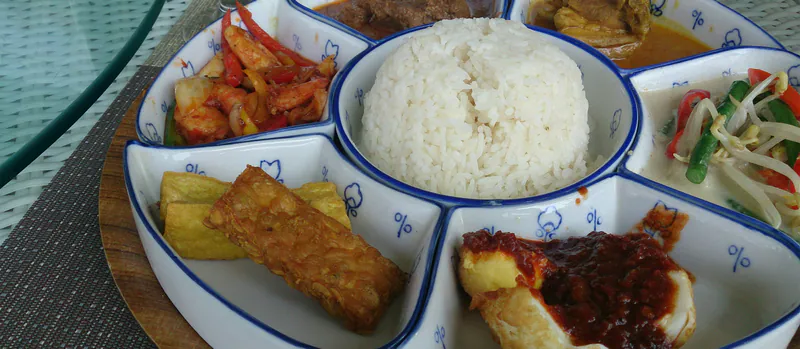
Nasi Padang (Padang rice with side dishes)
 Indonesian · 2 h 20 min · 1191 kcal
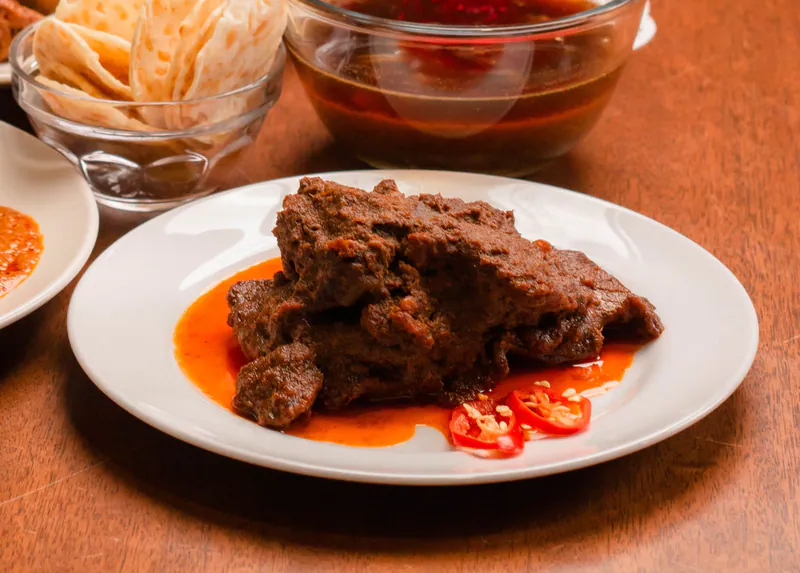
Beef rendang
Indonesian · 4 h · 672 kcal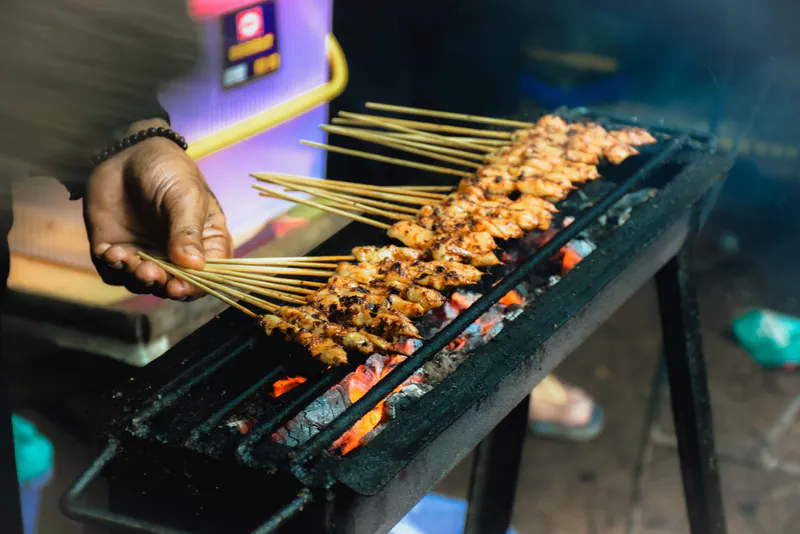
Sate ayam (chicken satay)
Indonesian · 1 h 50 min · 473 kcal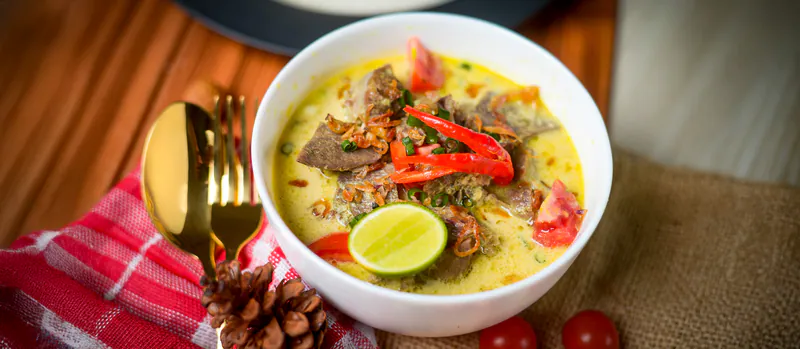
Soto Betawi (Jakarta beef soup with coconut milk)
Indonesian · 2 h 30 min · 491 kcal