
Pasta 'ncasciata (Sicilian baked pasta with aubergine)
Non-vegetarian
Pasta 'ncasciata
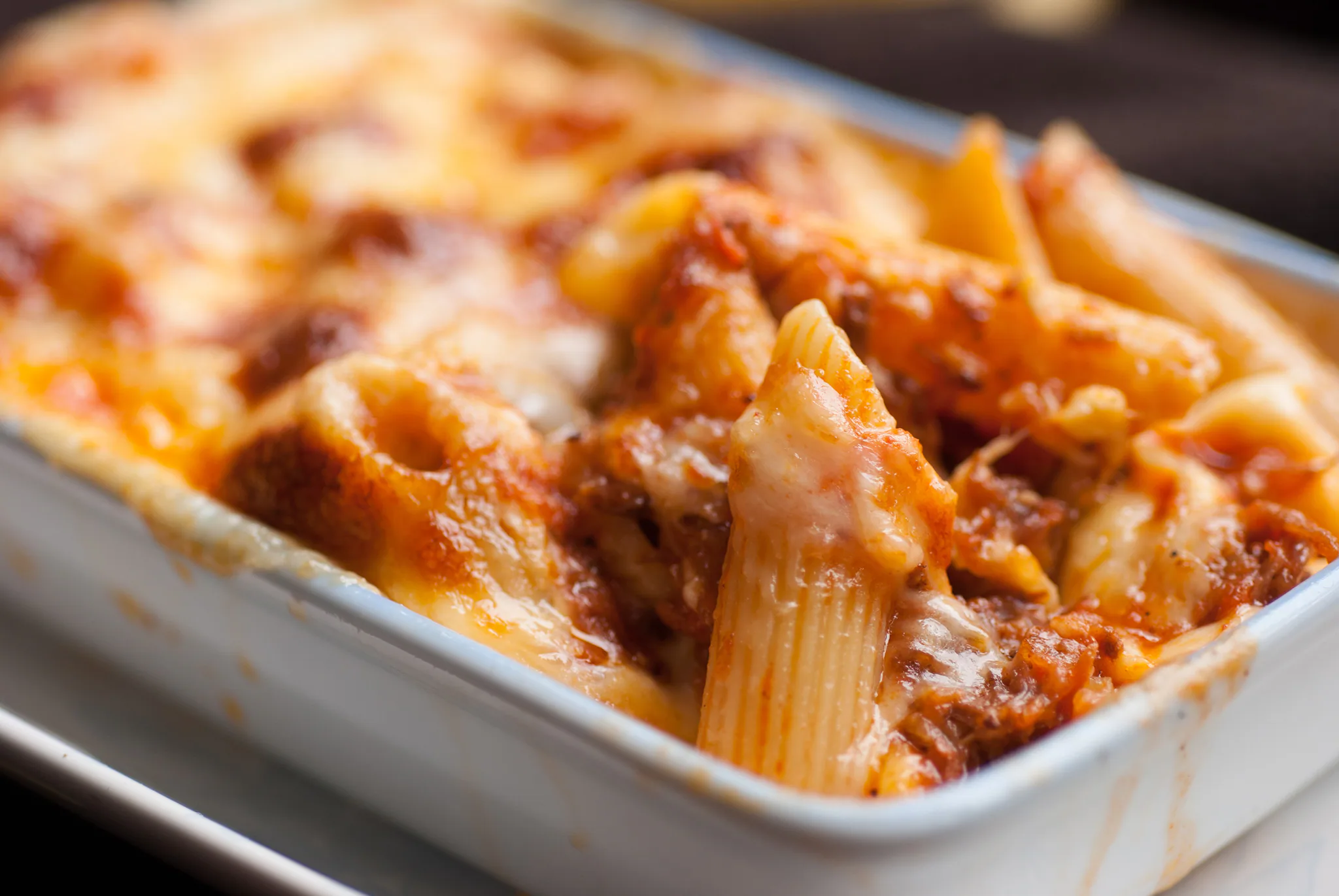
Short pasta tossed with tomato sauce, fried aubergine cubes, caciocavallo, hard-boiled egg and salami, packed into a tin lined with fried aubergine slices and baked until set. Turned out whole, it is the Sunday and feast-day pasta of Sicily.
Pasta 'ncasciata (Sicilian baked pasta with aubergine) is an Italian pasta dish from Italy, ready in about 2 hours 10 minutes and made with eggplant, tomato passata and dried pasta. It serves 6 and is rated intermediate to cook.
- Prep
- 40 min
- Cook
- 1 h 15 min
- Rest
- 15 min
- Total
- 2 h 10 min
- Serves
- 6
- Level
- Intermediate
- Calories
- 794
Main ingredients
Ingredients
For the aubergine
For the sauce
For the pasta
For the tin
Method
Aubergine
5 minStep 1
Layer the aubergine (opens in a new tab) slices and cubes in a colander (opens in a new tab), sprinkling with the salt, and leave for 30 minutes. Rinse and squeeze or pat very dry.
Sauce
55 minStep 2
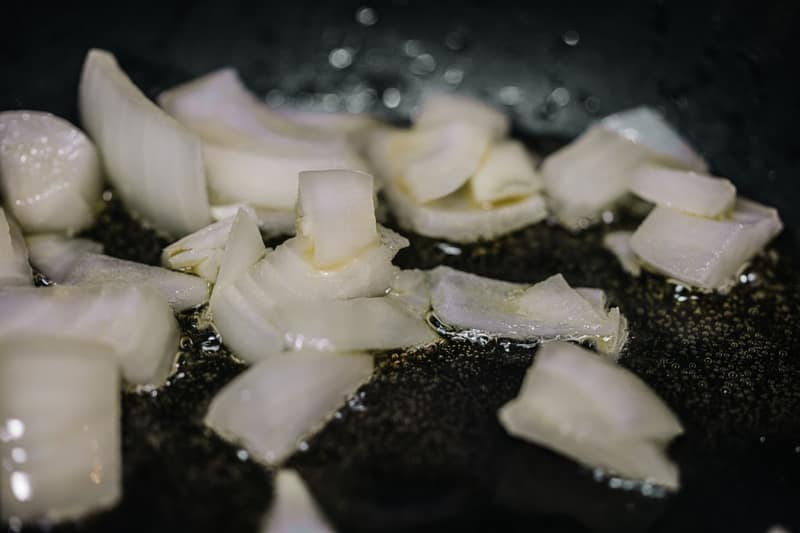
Meanwhile make the sauce: soften the onion (opens in a new tab) in the olive oil (opens in a new tab) over medium heat for 8 minutes, add the garlic (opens in a new tab) for 1 minute, then the passata, basil (opens in a new tab) and salt. Simmer gently for 25 minutes until thick.
- 35 min
- medium-low heat
- Saucepan (opens in a new tab)
How it looks · Photo: Magda Ehlers on Pexels Step 3
Heat the frying oil in a frying pan and fry the aubergine (opens in a new tab) slices, then the cubes, in batches until golden on both sides. Drain on kitchen paper.
- 20 min
- medium-high heat
- Frying pan / skillet (opens in a new tab)
Food safety: Never leave hot oil unattended, and keep a lid nearby to smother any flare-up.
Tin
8 minStep 4
Heat the oven (opens in a new tab) to 180 °C (160 °C fan). Butter (opens in a new tab) a 24 cm springform tin, coat with breadcrumbs (opens in a new tab) and line the base and sides with the aubergine (opens in a new tab) slices, overlapping them slightly.
- 8 min
- 180°C · 160 °C fan
- Springform pan (opens in a new tab)
Pasta
1 h 2 minStep 5
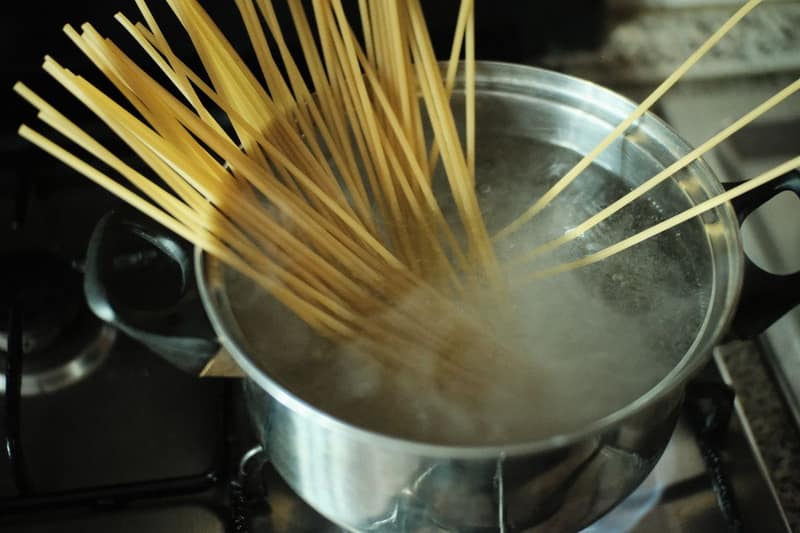
Cook the pasta (opens in a new tab) in well-salted water for 3 minutes less than the packet says. Drain and toss with most of the sauce, the aubergine (opens in a new tab) cubes, provolone (opens in a new tab) cubes, half the pecorino (opens in a new tab) and the salami (opens in a new tab).
- 12 min
- high heat
- Stockpot / large pot (opens in a new tab)
The pasta finishes cooking in the oven, so keep it very firm.
How it looks · Photo: Gianpiero Ferraro on Pexels Step 6
Pack half the pasta (opens in a new tab) into the tin, lay the egg (opens in a new tab) slices over it, then add the rest of the pasta, pressing down. Spread over the remaining sauce, sprinkle with the rest of the pecorino (opens in a new tab) and fold any overhanging aubergine (opens in a new tab) over the top.
- 5 min
How it looks · Photo: Klaus Nielsen on Pexels Step 7
Bake for 30 minutes until bubbling at the edges. Rest for 15 minutes, then run a knife round the edge, invert onto a plate, release and cut into wedges.
- 45 min
- 180°C · 160 °C fan
- Oven (opens in a new tab)
At a glance
1 · Aubergine in a bowl
 Eggplant
 Salt
 Neutral vegetable oil
then make
2 · Sauce in a pan
 Olive oil
 Onion
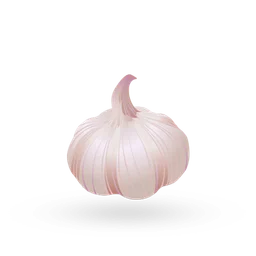 Garlic
 Tomato passata
 Basil
- Salt
then heat
3 · Tin in a pan
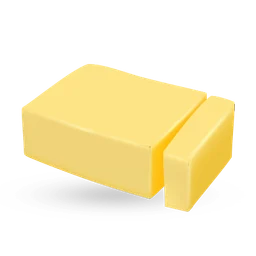 Butter
 Breadcrumbs
then cook
4 · Pasta in a pot
 Dried pasta
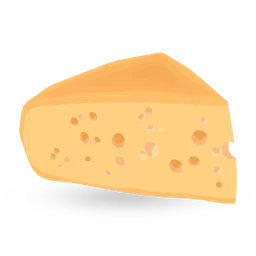 Provolone
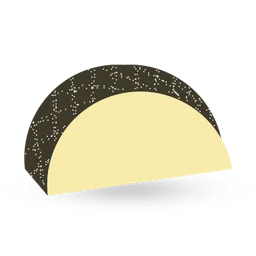 Pecorino Romano
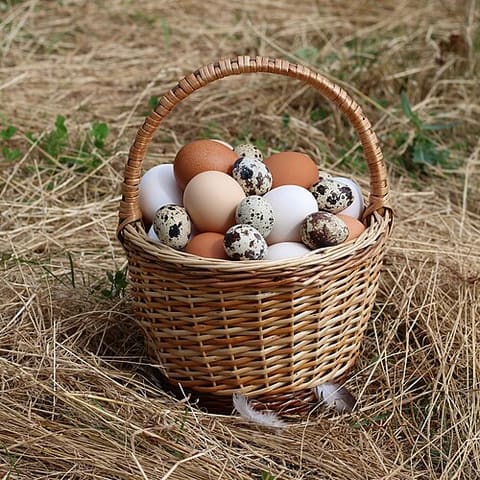 Egg
 Salami (cooked, beef and pork)
About this dish
- Origin
- Sicily, Italy · Well documented'Ncasciata comes from the Sicilian for 'encased' or 'packed in'; Palermo versions use tomato sauce, while Messina cooks often use a meat ragù. It was traditionally baked in a pot covered with embers.More food from Italy
Italy - Dish
- Lunch · Dinner · Pasta · Main courses · Casseroles & bakes
- Cooking method
- Shallow-fried, Simmered, Boiled, Oven-baked
- Taste
- savoury, rich, tangy
- Diet
- No nut ingredients · High-proteinWithout the optional extras: Vegetarian (lacto-ovo), Eggetarian, Pescatarian, Pork-free, Beef-freeWorked out from the ingredients. How labels work
All labels
Non-vegetarian · Flexitarian-friendly · No nut ingredients · No added sugar · Alcohol-free · High-protein - Good for
- Festive & celebration · Make-ahead
- Cook more with
- Eggplant · Tomato passata · Dried pasta · Provolone · Onion · Garlic
- Techniques
- Baking · Shallow-frying · Boiling · Simmering
Allergens
- Contains: Milkfrom provolone, pecorino romano, salami (cooked, beef and pork), butter, breadcrumbs
- Contains: Eggsfrom dried pasta, egg
- Contains: Wheatfrom dried pasta, salami (cooked, beef and pork), breadcrumbs
- Contains: Glutenfrom dried pasta, salami (cooked, beef and pork), breadcrumbs
- May contain: Soyfrom salami (cooked, beef and pork), breadcrumbs
- May contain: Sesamefrom breadcrumbs
Based on typical versions of these ingredients and not verified allergen-free. Brands differ and cross-contact happens, so always check labels. For severe allergies, follow your clinician’s advice.
Nutrition
794 kcal per serving
Calculated1 serving ≈ 443 g · recipe makes 6
Where the energy comes from
- Protein 14%
- Carbohydrate 37%
- Fat 49%
| Nutrient | Per serving | Per 100 g* |
|---|---|---|
| Energy | 794 kcal | 179 kcal |
| Protein | 27.3 g | 6.2 g |
| Carbohydrate | 75.1 g | 17 g |
| Net carbohydrate | 66.1 g | 14.9 g |
| Sugars | 13.6 g | 3.1 g |
| Added sugars | 0 g | 0 g |
| Fibre | 8.9 g | 2 g |
| Fat | 44 g | 9.9 g |
| Saturated fat | 11.9 g | 2.7 g |
| Trans fat | — | — |
| Cholesterol | 130 mg | 29 mg |
| Sodium | 2044 mg | 462 mg |
| Salt equivalent | 5.1 g | 1.2 g |
Vitamins & minerals per serving
- Potassium
- 1102 mg
- Calcium
- 422 mg
- Iron
- 5.7 mg
- Magnesium
- 102 mg
- Vitamin A (RAE)
- 180 µg
- Vitamin C
- 17 mg
- Vitamin D
- 0.7 µg
- Vitamin B12
- 0.8 µg
- Folate (DFE)
- 331 µg
How these numbers were made
- Calculated from USDA FoodData Central (SR Legacy) per-100 g values and the listed quantities.
- *Per 100 g of combined raw ingredients; the cooked dish may weigh more or less.
- Optional ingredients are not included: salami (cooked, beef and pork).
- “—” means the value isn’t known for enough of the ingredients; it is never zero by default.
- Values are estimates for guidance, not for medical dosing. U.S. Department of Agriculture, Agricultural Research Service. FoodData Central, 2019. fdc.nal.usda.gov.
Good to know
Tips
- It is just as good at room temperature and is often carried to the beach or to picnics in Sicily.
Common mistakes
- Cooking the pasta fully before baking, which makes it soft and the cake collapse when turned out.
Serve with
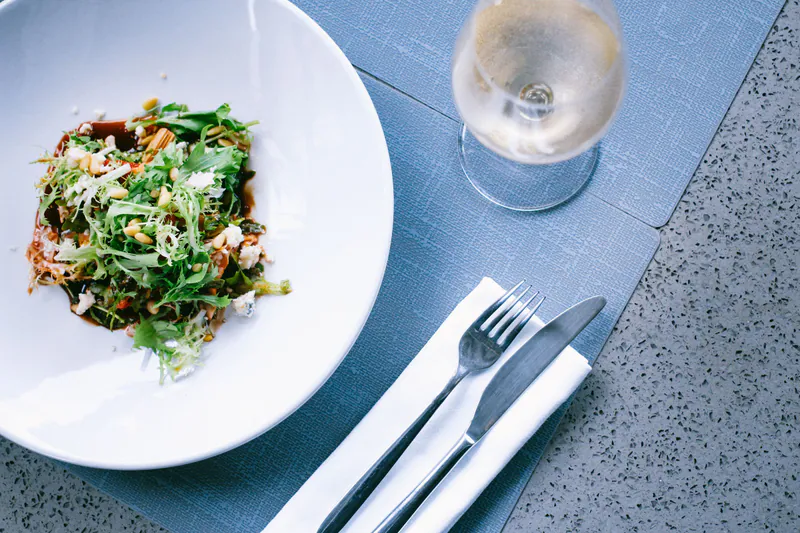
- Serve with a green salad and a glass of Nero d'Avola or Frappato.
Storage
- Keeps 3 days refrigerated.
Reheating
- Reheat wedges covered in a 170 °C oven for 20 minutes, or serve at room temperature.
Variations
- Messina style: A meat ragù of minced beef and pork replaces the plain tomato sauce, sometimes with peas.
- With béchamel: Some families bind the pasta with a little béchamel for a creamier slice.
- Anelletti al forno: A related Palermitan baked pasta made with ring-shaped anelletti and ragù.
Original editorial recipe · FriendsPantry editorial · source: TasteAtlas (dish facts) · Not yet independently reviewed · Added
Recipe DNA
How this dish is built
Built from the recipe’s own sections. Each band’s width is its share of the dish by weight. Choose a component to see what it does.
Reviews & corrections
Reviews come from signed-in cooks and appear after a moderator checks them. We never show made-up ratings.
You might also like
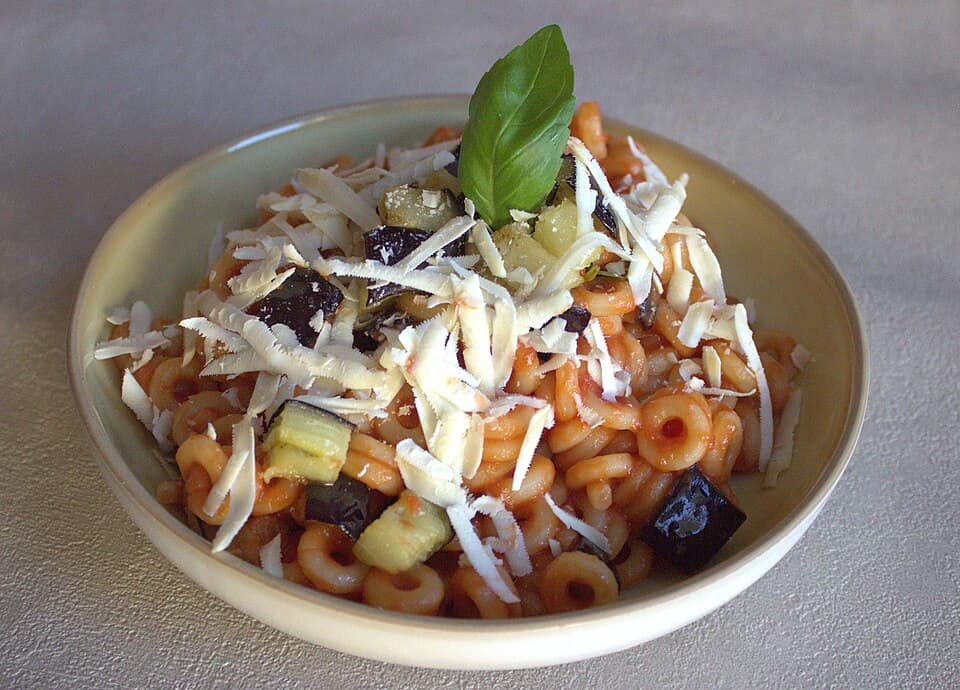
Pasta alla Norma
 Italian · 50 min · 632 kcal · Vegetarian
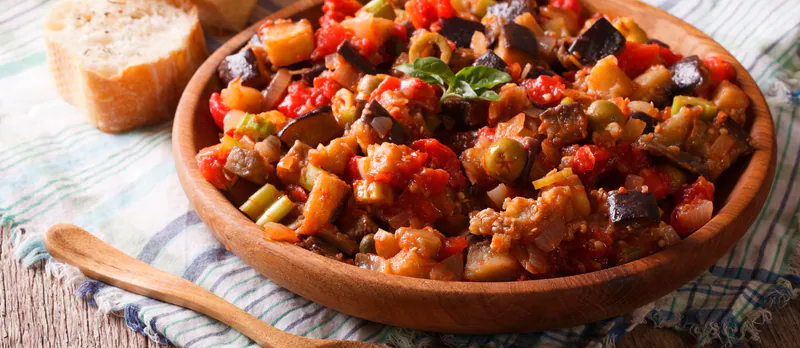
Caponata (Sicilian sweet-and-sour aubergine)
Italian · 2 h 30 min · 248 kcal · Vegan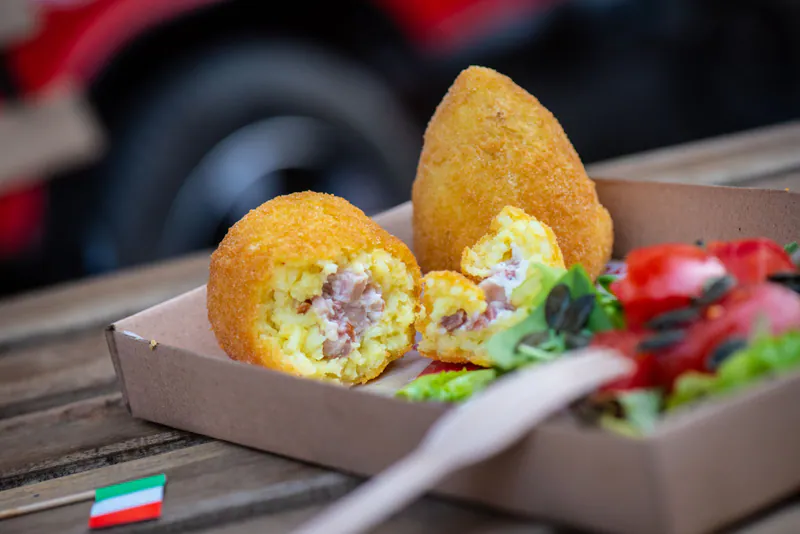
Arancini
Italian · 3 h 20 min · 285 kcal · Contains egg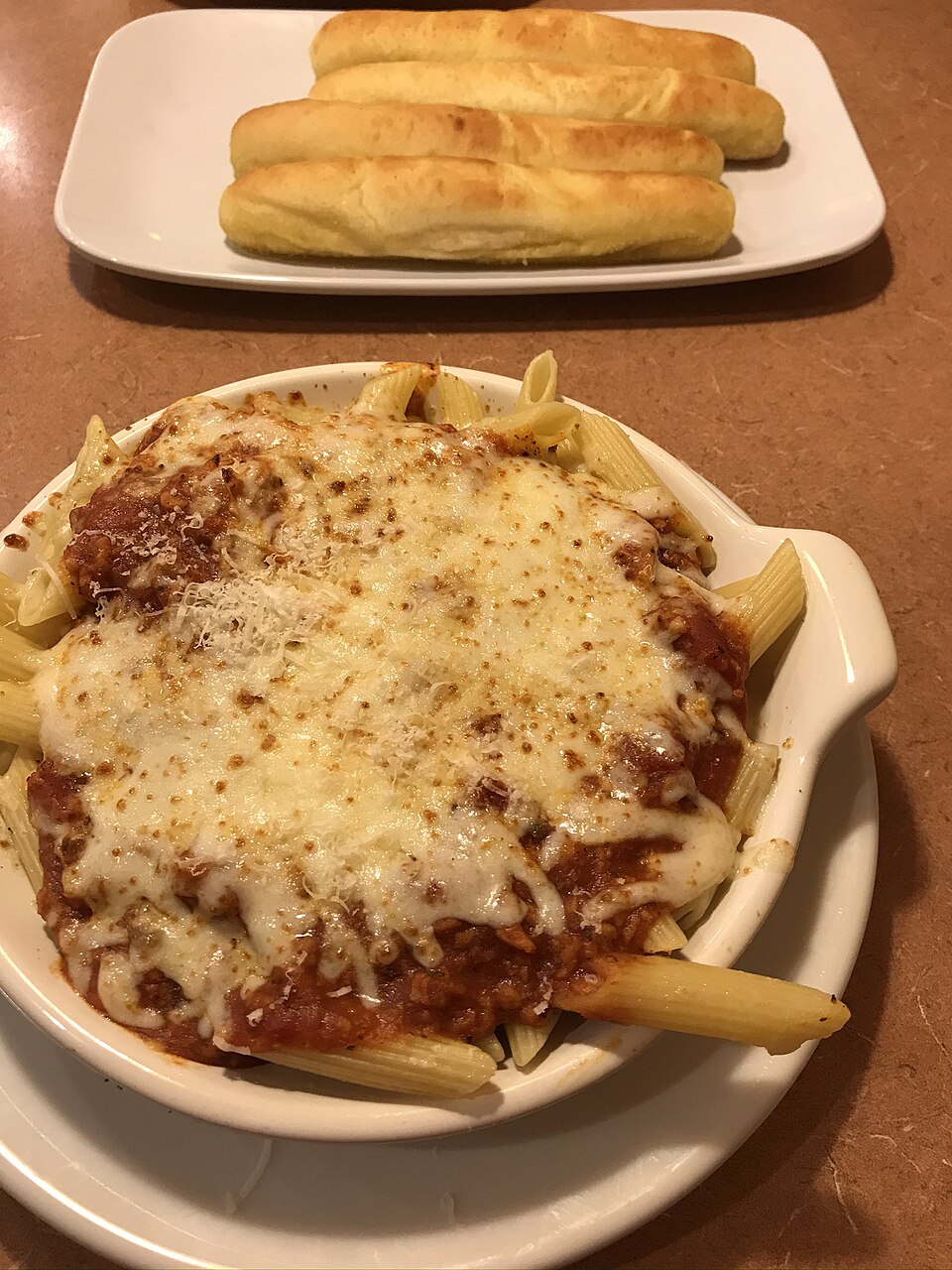
Baked ziti
 American · 1 h 30 min · 487 kcal