
 French · Appetizers & starters
Pan-seared foie gras with figs and port
Non-vegetarian
Foie gras poêlé
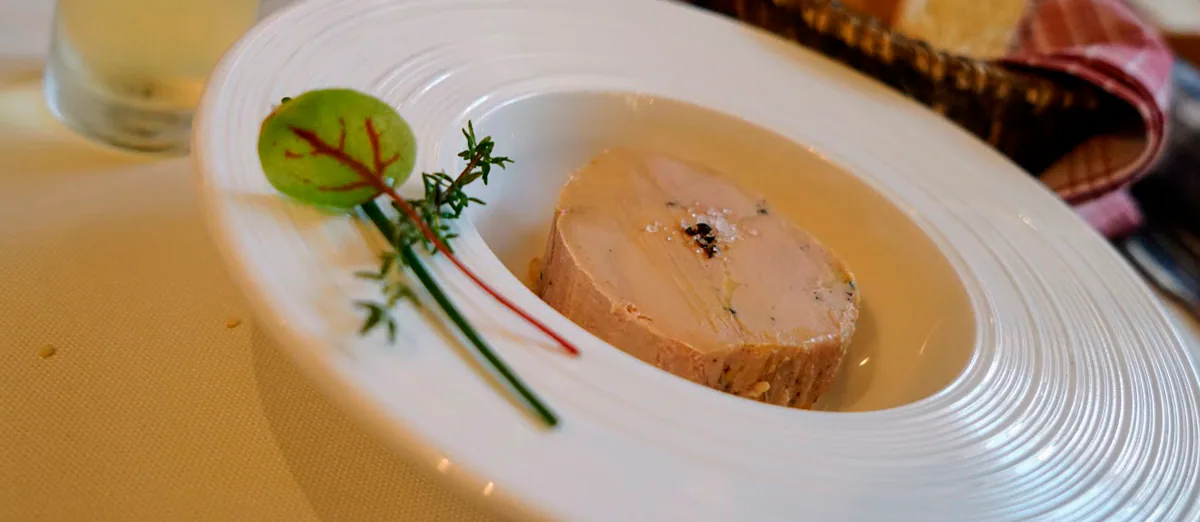
Thick slices of raw duck foie gras seared in a dry, very hot pan until crusted outside and barely set and creamy within, served with figs glazed in a port and balsamic reduction. The simplest way to cook foie gras at home.
Pan-seared foie gras with figs and port is a French starter from France, ready in about 30 minutes and made with foie gras (raw duck or goose liver), figs and port wine. It serves 4 and is rated intermediate to cook.
- Prep
- 15 min
- Cook
- 15 min
- Total
- 30 min
- Serves
- 4
- Level
- Intermediate
- Calories
- —
Main ingredients
Ingredients
For the figs and sauce
To serve
Method
Figs and sauce
16 minStep 1
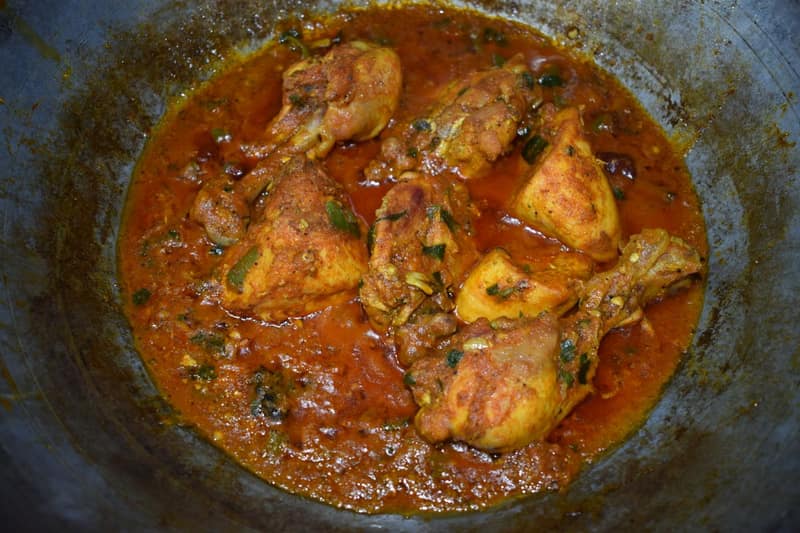
Simmer the port (opens in a new tab), balsamic vinegar (opens in a new tab) and honey (opens in a new tab) in a small saucepan (opens in a new tab) until reduced by about two-thirds to a syrupy glaze, 6–8 minutes. Add the fig (opens in a new tab) halves, cut side down, and warm them in the glaze for 2 minutes. Keep warm.
- 10 min
- medium heat
- Saucepan (opens in a new tab)
How it looks · Photo: Bachir Mamud on Pexels Step 2
Keep the foie gras (opens in a new tab) in the fridge until the last moment. Dip a sharp knife in hot water, dry it, and cut the lobe on the diagonal into 2 cm slices. Score one side of each slice lightly in a crisscross and season with pepper (opens in a new tab).
A hot, dry knife cuts cleanly without tearing the liver.
Step 3
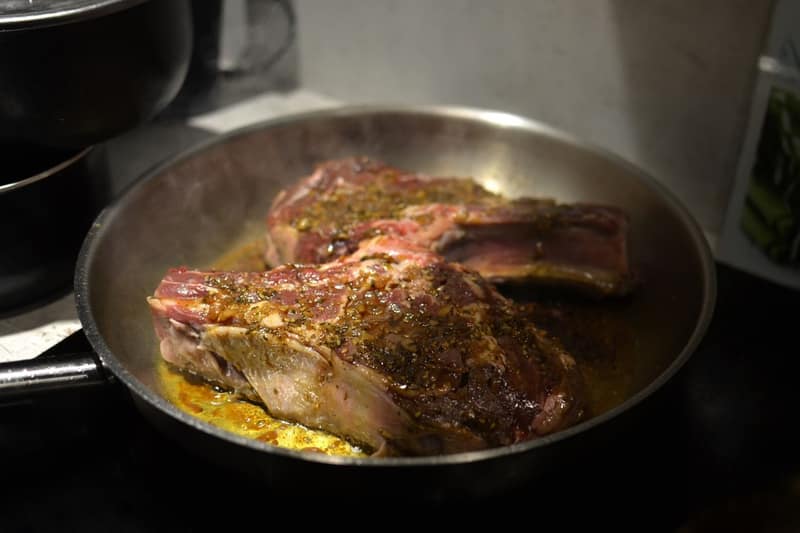
Heat a heavy pan with no fat over high heat until very hot. Lay in the slices, scored side down, and sear for 45–60 seconds until deep brown. Turn and cook 30–45 seconds more, until just springy when pressed. Pour off the fat as it renders.
Food safety: The liver releases a lot of very hot fat; tip it carefully into a heatproof bowl (it is excellent for roasting potatoes).
How it looks · Photo: Skylar Kang on Pexels
To serve
2 minStep 4
Drain the slices briefly on kitchen paper, sprinkle with flaky salt and serve at once on the toasted bread with the figs (opens in a new tab) and a spoonful of the port (opens in a new tab) glaze.
- 2 min
How it looks · Photo: Klaus Nielsen on Pexels
At a glance
1 · Figs and sauce in a pan
 Figs
 Port wine
 Balsamic vinegar
 Honey
then drain
2 · To serve in a bowl
 Crusty bread / baguette
About this dish
- Origin
- South-west France (Gascony, Périgord) and Alsace, France · Well documentedFattened liver goes back to ancient Egypt; modern foie gras production is centred on south-west France, where it is protected as part of French gastronomic heritage. It is banned in several countries because of force-feeding.Also popular in Belgium, Spain, HungaryMore food from France
France - Dish
- Dinner · Appetizers & starters
- Cooking method
- Pan-fried, Simmered
- Taste
- rich, buttery, sweet & savoury, fruity
- Diet
- Dairy-free · No nut ingredientsWorked out from the ingredients. How labels work
All labels
Non-vegetarian · Dairy-free · Egg-free · No nut ingredients · Pork-free · Beef-free - Good for
- Festive & celebration
- Cook more with
- Figs · Port wine · Balsamic vinegar · Honey · Crusty bread / baguette
- Techniques
- Searing · Pan-frying · Simmering · Reduction
Allergens
- Contains: Wheatfrom crusty bread / baguette
- Contains: Glutenfrom crusty bread / baguette
- May contain: Sesamefrom crusty bread / baguette
- Contains: Sulphitesfrom port wine, balsamic vinegar
Based on typical versions of these ingredients and not verified allergen-free. Brands differ and cross-contact happens, so always check labels. For severe allergies, follow your clinician’s advice.
Nutrition
Nutrition not available for this recipe
Not enough data to calculate: Foie gras (raw duck or goose liver). We show nothing rather than a made-up number.
Good to know
Tips
- Buy grade A (extra) foie gras for searing; lower grades contain more veins and melt away in the pan.
- Cook in batches if necessary: crowding cools the pan and the slices stew in their fat.
Common mistakes
- Slicing too thin — slices under 1.5 cm melt before they brown.
- Cooking at too low a heat, which renders the fat and leaves the liver greasy and shrunken.
Serve with
- Serve with a glass of Sauternes or another sweet white wine.
- Apple slices caramelised in butter or a spoon of onion jam are classic alternatives to figs.
Food safety
- Foie gras seared this way stays pink and soft in the centre; as with any liver, it is not recommended for pregnant women, young children, older or immunocompromised people unless cooked through.
Storage
- Seared foie gras must be eaten immediately. Raw foie gras keeps 2–3 days well wrapped in the coldest part of the fridge.
Variations
- Foie gras au torchon: The liver is deveined, seasoned, rolled in a cloth, poached briefly and chilled for several days, then served cold in slices — the traditional festive preparation.
- Foie gras with apples: The Normandy pairing: seared slices on apples caramelised in butter with a splash of Calvados.
Can I use goose foie gras?
Yes. Goose liver is milder and more delicate, and it is usually preferred for terrines; duck liver holds up better in the pan, so it is the usual choice for searing.
Original editorial recipe · FriendsPantry editorial · source: TasteAtlas (dish facts) · Not yet independently reviewed · Added
Recipe DNA
How this dish is built
Built from the recipe’s own sections. Each band’s width is its share of the dish by weight. Choose a component to see what it does.
What the dish is built around
Main ingredient
- Foie gras (raw duck or goose liver), raw duck foie gras lobe, 'extra' or grade A, well chilled400 g
Reviews & corrections
Reviews come from signed-in cooks and appear after a moderator checks them. We never show made-up ratings.
You might also like
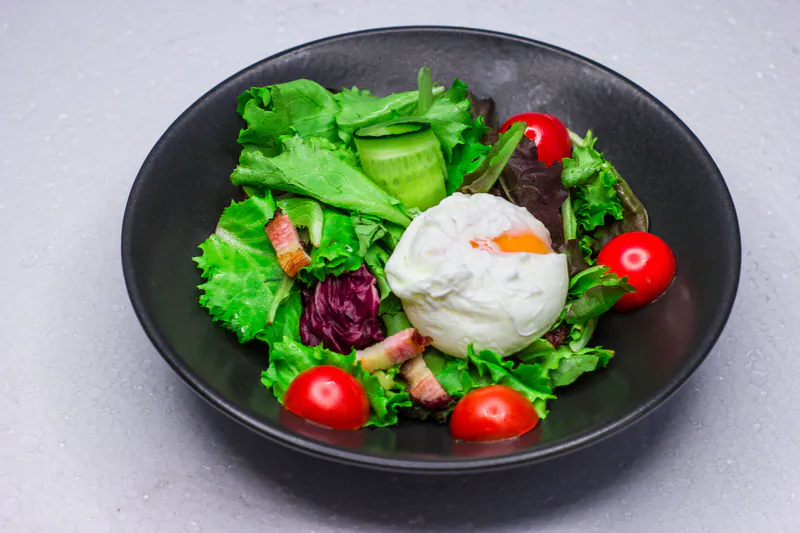
Salade lyonnaise
French · 35 min · 377 kcal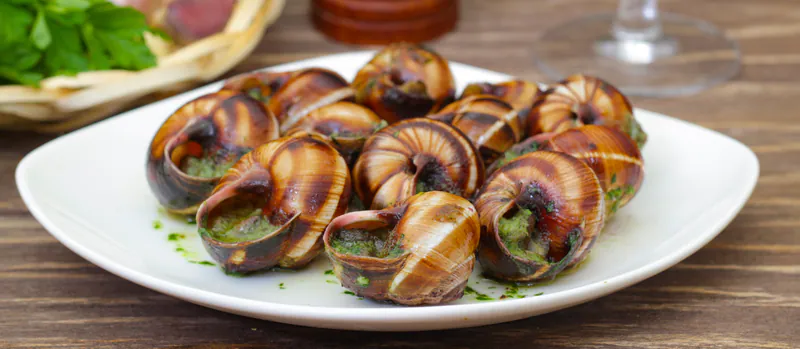
Escargots de Bourgogne (snails in garlic butter)
French · 45 min · 504 kcal
Croûte aux morilles (morels in cream on toast)
French · 45 min · 526 kcal · Vegetarian
French onion soup
French · 1 h 45 min · 529 kcal