
Meat · Offal
Foie gras (raw duck or goose liver)
The fattened liver of a duck or goose; seared in slices or made into terrines and pâtés.
Also called: fattened duck liver, fattened goose liver, foie gras de canard, foie gras d'oie, lobe of foie gras
Around the world: foie gras (fr)
What it is
Foie gras is the liver of a duck or goose that has been enlarged by force-feeding, giving a large, pale, very fatty liver. It is sold raw as whole lobes, or ready-cooked as terrines and blocs. Its production is banned or restricted in a number of countries for animal-welfare reasons.
How it’s used
- Seared in thick slices and served with fruit or sweet wine sauce
- Cooked gently into a terrine
- Layered into beef dishes such as tournedos Rossini
Characteristics
Storage
Refrigerated. Raw lobes are very perishable: refrigerate and use within 1–2 days, or freeze.
Diet, allergens and safety
No major allergens in typical versions.
- Vegetarian
- Vegan
- Dairy-free
- Egg-free
- Gluten-free
- Nut-free
- Soy-free
- Caffeine-free
- Cook liver through to an internal 70 °C (158 °F) for at least 2 minutes; lightly cooked poultry liver is a known source of Campylobacter.
- Liver is very high in vitamin A, so pregnant people are advised to avoid it.
Substitutes
Optional — what works if you don’t have it, and how it changes the dish.
- Lamb liver — Leaner and stronger; a very different but more affordable liver.
Related ingredients
Recipes with foie gras (raw duck or goose liver)
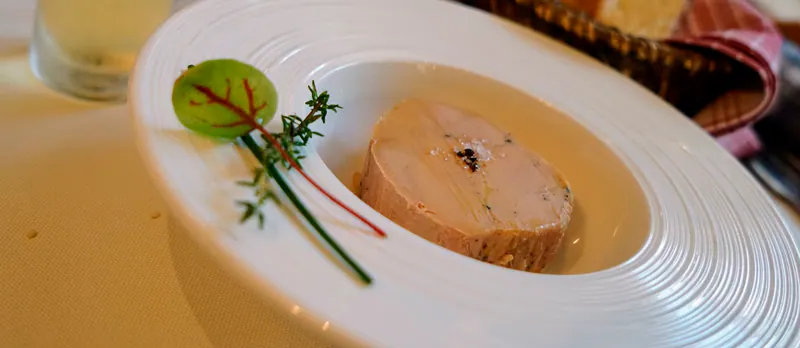
Pan-seared foie gras with figs and port
 French · 30 min
More offal
Offal
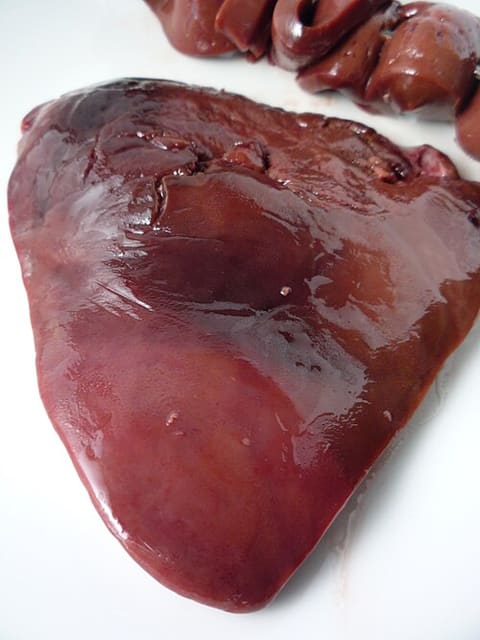
Lamb liver
Tender, mild offal that cooks in minutes; pan-fried with onions or spiced as kaleji and ciğer.
5 recipes
Offal
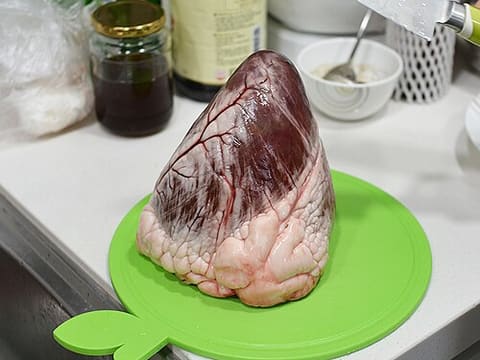
Beef heart
Lean, dense beef organ meat with a steak-like taste; sliced thin for anticuchos or slow-braised.
1 recipe
Offal
Lamb heart
A lean, dense and inexpensive lamb organ that tastes like lean meat; grilled quickly or braised slowly.
1 recipe
Offal
Lamb intestines (cleaned)
Cleaned lamb intestines, used as sausage casings or wrapped and grilled in dishes such as kokoretsi.
1 recipe
Offal
Lamb sweetbreads
The pale, creamy thymus glands of young lamb; blanched, then fried until crisp outside and soft within.
1 recipe
Offal
Beef tripe
The cleaned stomach lining of cattle, sold blanched; simmered for hours in soups and stews.
12 recipes
Offal
Beef kidney
Ox kidney with a strong, earthy flavour; the kidney in steak and kidney pie and Spanish riñones al jerez.
1 recipe
Offal
Beef tongue
A whole ox tongue, simmered until tender, peeled and sliced; the lengua of tacos and the pressed tongue of deli counters.
7 recipes