
Kaisendon (seafood rice bowl)
Non-vegetarian
海鮮丼 · kaisendon
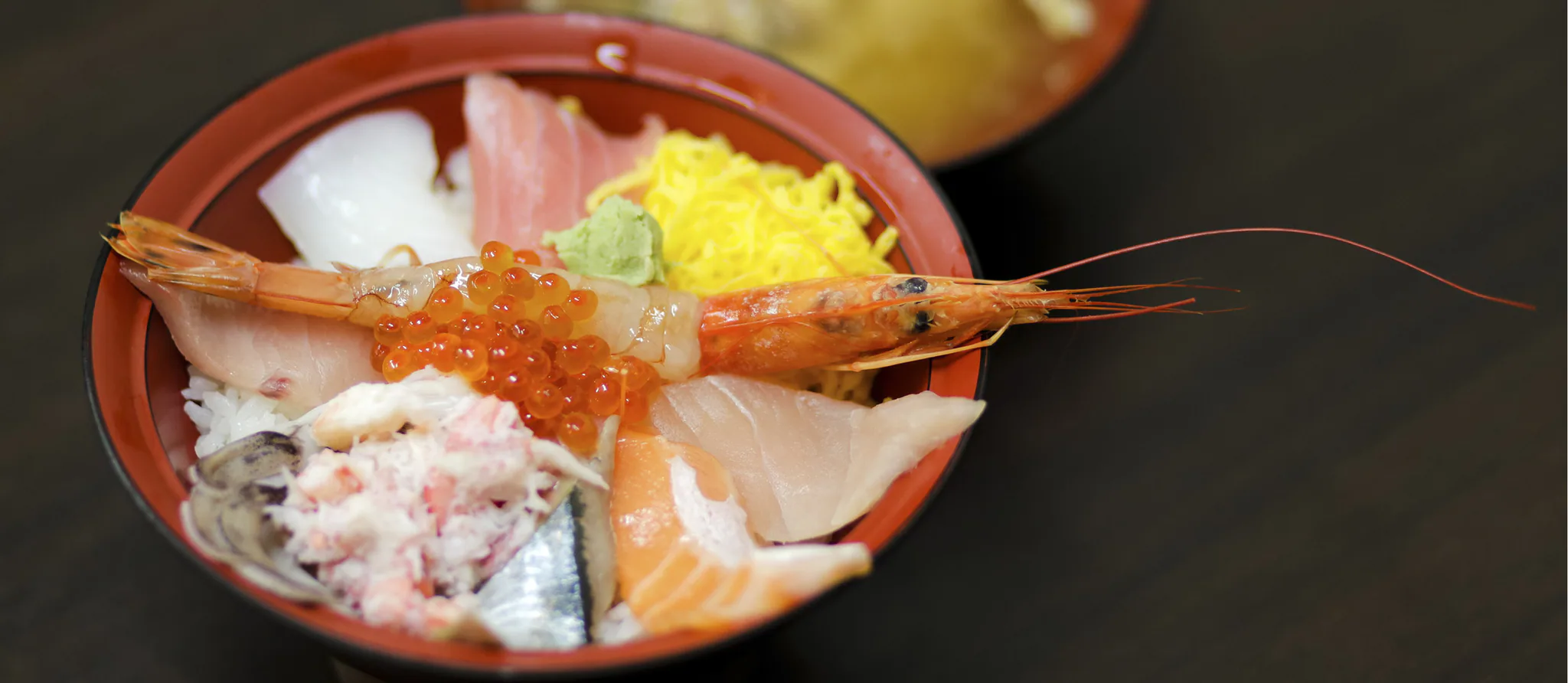
A bowl of warm steamed rice crowned with slices of raw tuna and salmon, sweet scallops, prawns, crab and glistening salmon roe, finished with nori, wasabi and soy sauce. Japan's fish-market breakfast, best when the seafood is spotless.
Kaisendon (seafood rice bowl) is a Japanese rice dish, ready in about 1 hour 25 minutes and made with short-grain rice, tuna and salmon roe (ikura). It serves 2 and is rated easy to cook.
- Prep
- 25 min
- Cook
- 20 min
- Rest
- 40 min
- Total
- 1 h 25 min
- Serves
- 2
- Level
- Easy
- Calories
- 763
Main ingredients
Ingredients
For the rice
For the toppings
To serve
Method
Rice
20 minStep 1
Rinse the rice in a sieve under cold water, swirling, until the water runs almost clear. Soak in the measured water for 30 minutes, then cook in a rice cooker (opens in a new tab) or a covered pan (bring to the boil, then lowest heat for 13 minutes). Rest, covered, for 10 minutes and fluff gently.
Toppings
21 minStep 2
While the rice cooks, keep all the seafood in the fridge until the last minute. Slice the tuna (opens in a new tab) and salmon (opens in a new tab) against the grain with a long, sharp knife in single pulling strokes. Halve the scallops (opens in a new tab), peel the prawns (opens in a new tab) and pick over the crab (opens in a new tab).
Food safety: Only use fish sold for eating raw (sushi- or sashimi-grade, previously frozen to kill parasites), keep it cold until the last moment and eat it within an hour of preparing.
Step 3
Divide the warm (not hot) rice between two wide bowls and scatter over the nori (opens in a new tab) strips. Lay shiso leaves (opens in a new tab) on top, then arrange the tuna (opens in a new tab), salmon (opens in a new tab), scallops (opens in a new tab), prawns (opens in a new tab) and crab (opens in a new tab) in overlapping sections, with cucumber (opens in a new tab) slices between them.
- 6 min
How it looks · Photo: Klaus Nielsen on Pexels
To serve
3 minStep 4
Spoon the salmon roe (opens in a new tab) into the centre, sprinkle with sesame seeds (opens in a new tab) and add a mound of pickled ginger (opens in a new tab) and wasabi (opens in a new tab) to each bowl. Serve at once with soy sauce (opens in a new tab) to drizzle over.
- 3 min
At a glance
1 · Rice in a pot
 Short-grain rice
then keep
2 · Toppings in a bowl
 Tuna
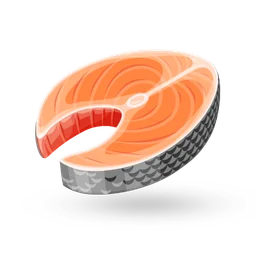 Salmon
 Scallops
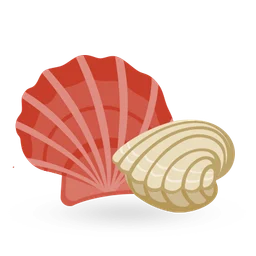 Prawns / shrimp
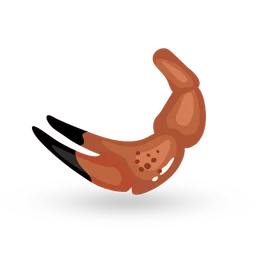 Crab meat
 Salmon roe (ikura)
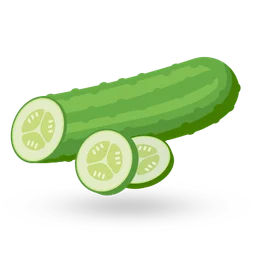 Cucumber
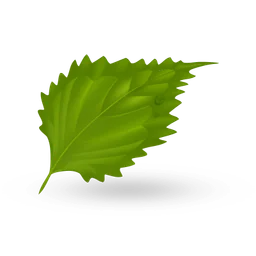 Shiso leaves
then spoon
3 · To serve in a bowl
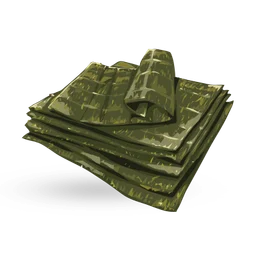 Nori
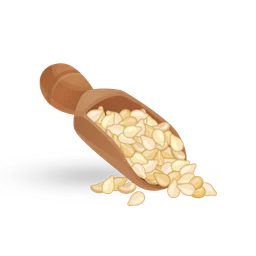 Sesame seeds
 Pickled sushi ginger (gari)
 Wasabi
 Soy sauce
About this dish
- Origin
- Japan · Commonly attributedAssociated with fish markets and port towns, from Tokyo's Tsukiji and Toyosu to Hakodate and Otaru in Hokkaido. Unlike chirashizushi, the rice is usually plain rather than seasoned with vinegar.More food from Japan
Japan - Dish
- Breakfast · Lunch · Dinner · Rice dishes · Main courses · Breakfast dishes
- Cooking method
- Raw, Boiled
- Taste
- umami, fresh, salty, sweet
- Diet
- Pescatarian · Dairy-free · No nut ingredients · High-proteinWorked out from the ingredients. How labels work
All labels
Pescatarian · Non-vegetarian · Dairy-free · Egg-free · No nut ingredients · Alcohol-free · Pork-free · Beef-free · High-protein · Low-fat - Good for
- Minimal cleanup
- Cook more with
- Short-grain rice · Tuna · Salmon roe (ikura) · Salmon · Scallops · Prawns / shrimp
Allergens
- Contains: Fishfrom tuna, salmon, salmon roe (ikura)
- Contains: Crustaceansfrom prawns / shrimp, crab meat
- Contains: Molluscsfrom scallops
- Contains: Wheatfrom soy sauce
- Contains: Glutenfrom soy sauce
- Contains: Soyfrom soy sauce
- Contains: Sesamefrom sesame seeds
- May contain: Mustardfrom wasabi
Based on typical versions of these ingredients and not verified allergen-free. Brands differ and cross-contact happens, so always check labels. For severe allergies, follow your clinician’s advice.
Nutrition
763 kcal per serving
Estimated1 serving ≈ 562 g · recipe makes 2
Where the energy comes from
- Protein 32%
- Carbohydrate 51%
- Fat 17%
| Nutrient | Per serving | Per 100 g* |
|---|---|---|
| Energy | 763 kcal | 136 kcal |
| Protein | 60.2 g | 10.7 g |
| Carbohydrate | 94.4 g | 16.8 g |
| Net carbohydrate | — | — |
| Sugars | — | — |
| Added sugars | — | — |
| Fibre | — | — |
| Fat | 14.2 g | 2.5 g |
| Saturated fat | 3.2 g | 0.6 g |
| Trans fat | — | — |
| Cholesterol | 271 mg | 48 mg |
| Sodium | 2063 mg | 367 mg |
| Salt equivalent | 5.2 g | 0.9 g |
Vitamins & minerals per serving
- Potassium
- 1114 mg
- Calcium
- 168 mg
- Iron
- 5.3 mg
- Magnesium
- 193 mg
- Vitamin A (RAE)
- —
- Vitamin C
- —
- Vitamin D
- —
- Vitamin B12
- —
- Folate (DFE)
- —
How these numbers were made
- Calculated from USDA FoodData Central (SR Legacy) per-100 g values and the listed quantities.
- *Per 100 g of combined raw ingredients; the cooked dish may weigh more or less.
- Optional ingredients are not included: shiso leaves.
- Salmon roe (ikura): Granular black and red caviar (FDC 174188) used as a stand-in; salmon roe is a large-grained, lightly salted fish roe with a similar nutrient profile.
- Pickled sushi ginger (gari): Raw ginger root used as a stand-in; gari is young ginger thinly sliced and pickled in sweetened rice vinegar, so it carries a little added sugar.
- “—” means the value isn’t known for enough of the ingredients; it is never zero by default.
- Values are estimates for guidance, not for medical dosing. U.S. Department of Agriculture, Agricultural Research Service. FoodData Central, 2019. fdc.nal.usda.gov.
Good to know
Tips
- Buy seafood from a fishmonger who sells it for sashimi, and tell them you will eat it raw.
- Sea urchin (uni) is a prized addition when you can find it very fresh.
Common mistakes
- Using piping-hot rice, which warms and dulls the raw fish.
Serve with
- Serve with miso soup and a few Japanese pickles.
Food safety
- Only use fish sold for eating raw (sushi- or sashimi-grade, previously frozen to kill parasites), keep it cold until the last moment and eat it within an hour of preparing.
Storage
- Do not store — eat as soon as it is assembled.
Variations
- Zuke kaisendon: The fish is marinated for 10 minutes in soy sauce, mirin and sake before topping the rice.
- Sanshoku-don: A 'three-colour' bowl of crab, salmon roe and sea urchin, a speciality of Hokkaido fish markets.
Original editorial recipe · FriendsPantry editorial · source: TasteAtlas (dish facts) · Not yet independently reviewed · Added
Recipe DNA
How this dish is built
Built from the recipe’s own sections. Each band’s width is its share of the dish by weight. Choose a component to see what it does.
The staple
For the rice
- Short-grain rice, Japanese short-grain (uruchimai)220 g
- Water260 ml · 260 g
Reviews & corrections
Reviews come from signed-in cooks and appear after a moderator checks them. We never show made-up ratings.
You might also like
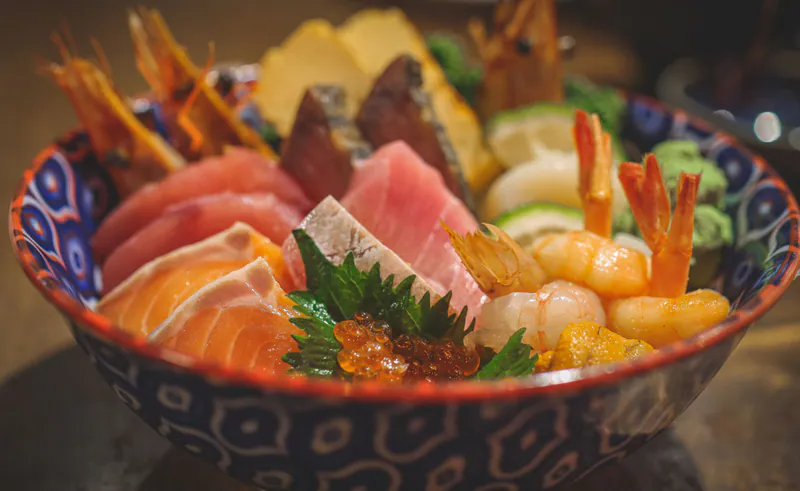
Chirashizushi (scattered sushi bowl)
 Japanese · 1 h 20 min · 582 kcal
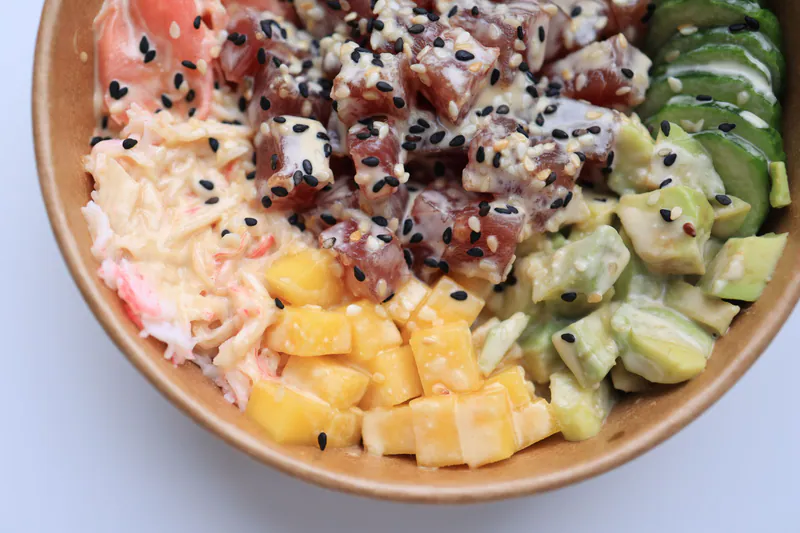
Hawaiian ahi poke
Pacific Island · 30 min · 195 kcal
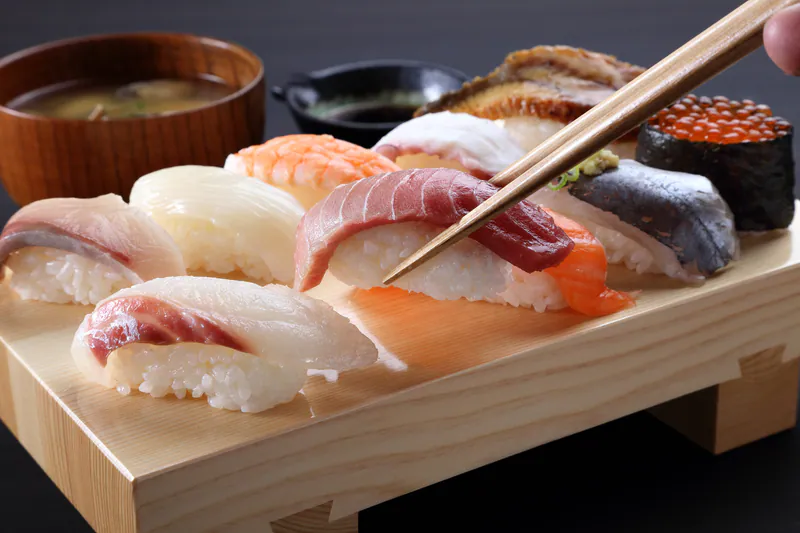
Nigiri sushi
Japanese · 1 h 50 min · 468 kcal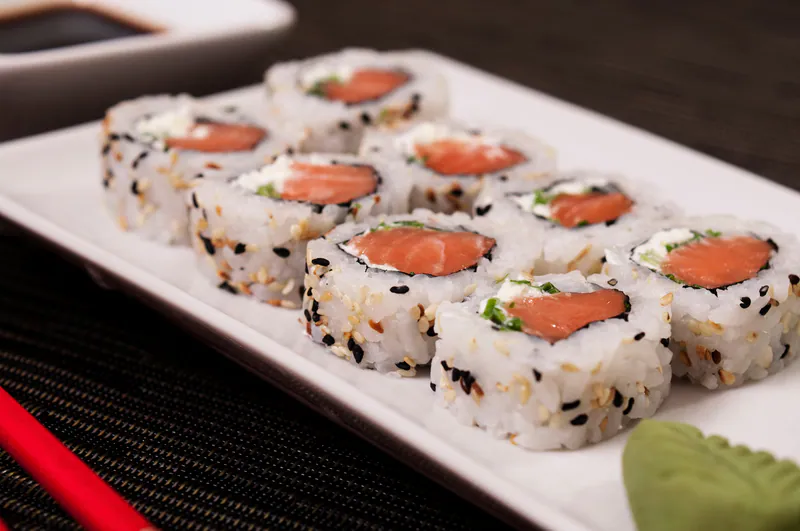
California roll (uramaki)
Japanese · 1 h 45 min · 517 kcal