
Alinazik kebab (lamb on smoky aubergine yoghurt)
Non-vegetarian
Alinazik kebabı
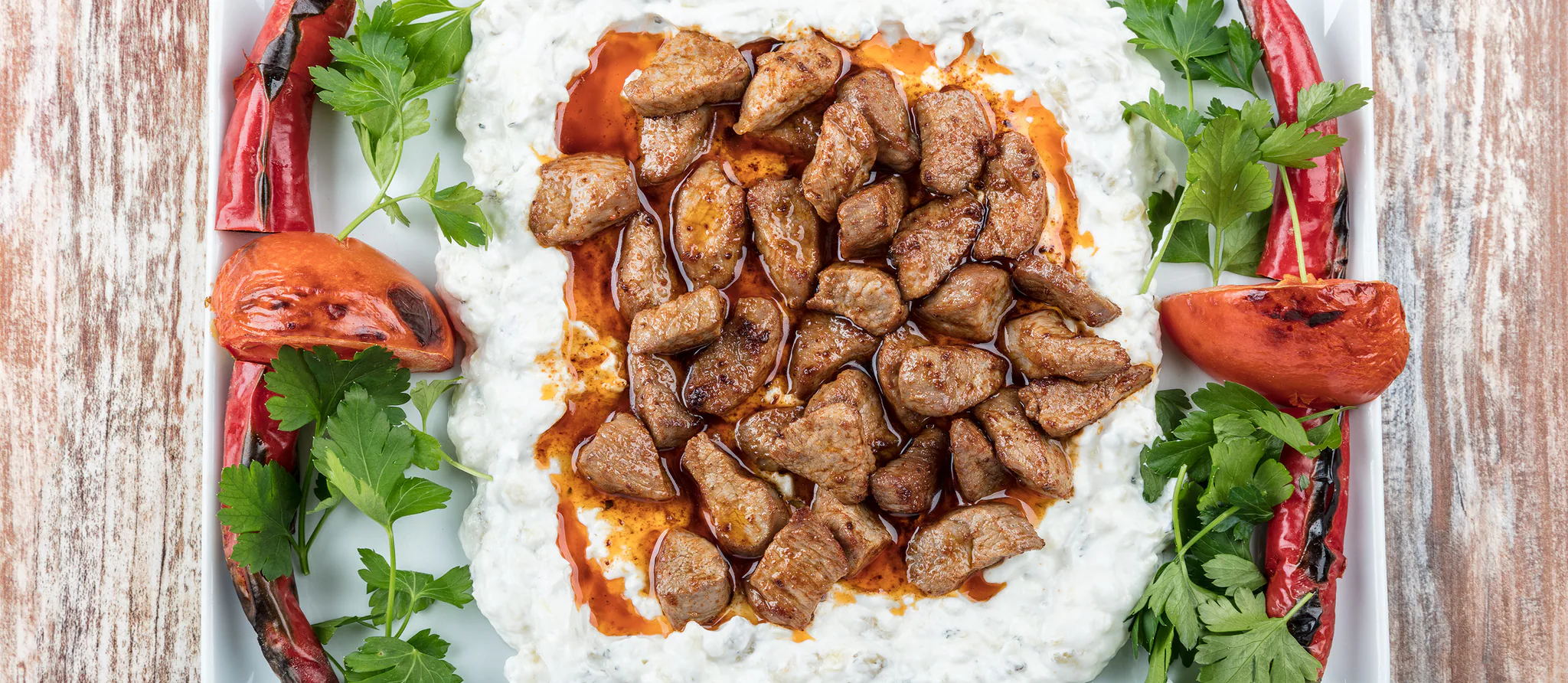
Chunks of lamb stewed with onion, tomato and red pepper paste until meltingly soft, spooned over a smoky purée of flame-charred aubergine stirred into garlicky yoghurt and finished with sizzling chilli butter. A south-eastern Turkish favourite from Gaziantep.
Alinazik kebab (lamb on smoky aubergine yoghurt) is a Turkish main course from Türkiye, ready in about 2 hours 5 minutes and made with lamb shoulder, eggplant and greek yogurt. It serves 4 and is rated intermediate to cook.
- Prep
- 25 min
- Cook
- 1 h 40 min
- Total
- 2 h 5 min
- Serves
- 4
- Level
- Intermediate
- Calories
- 771
Main ingredients

Ingredients
For the lamb
For the aubergine yoghurt
To finish
Method
Lamb
1 h 30 minStep 1
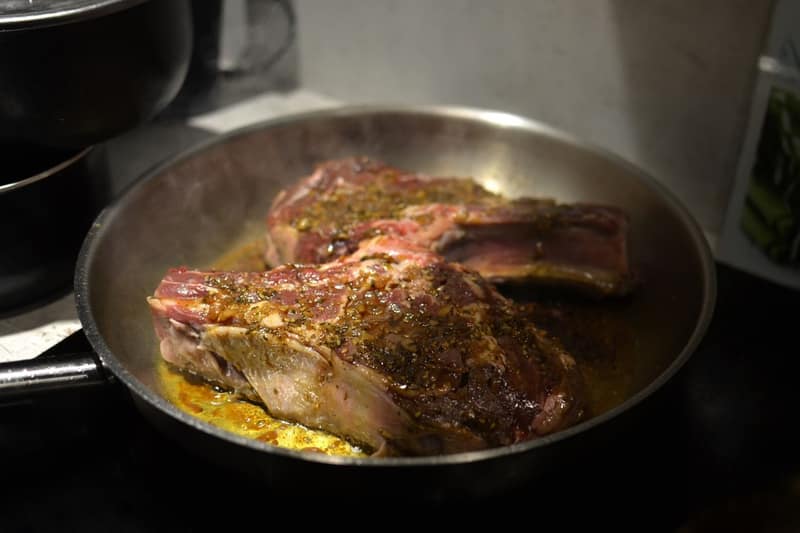
Heat the oil in a heavy pot and brown the lamb well in batches. Add the onion (opens in a new tab) and cook until soft, then stir in the tomato and pepper pastes (opens in a new tab) for a minute, followed by the grated tomatoes (opens in a new tab).
- 15 min
- medium-high heat
- Dutch oven / casserole pot (opens in a new tab)
How it looks · Photo: Skylar Kang on Pexels Step 2
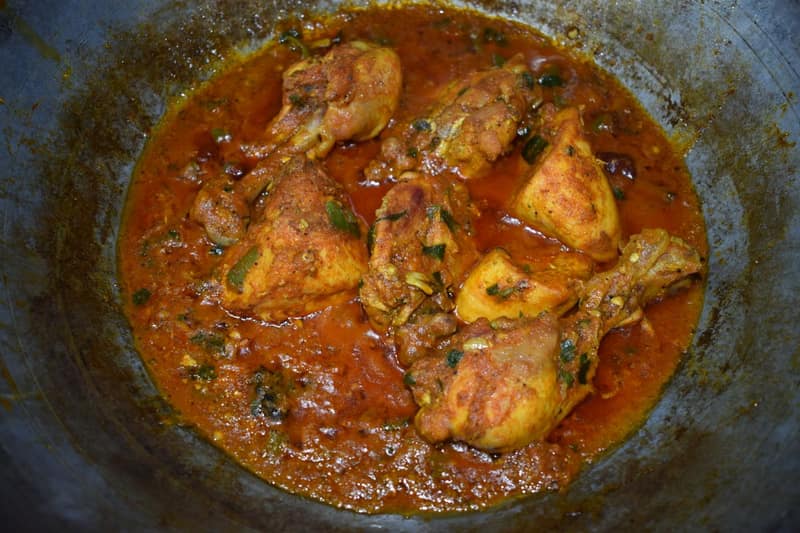
Add the hot water, salt and pepper (opens in a new tab), cover and simmer gently for 1–1¼ hours until the lamb is very tender and the sauce has reduced and coats the meat. Uncover towards the end if it is still thin.
- 75 min
- low heat
Food safety: Cook whole cuts of beef, pork and lamb to at least 63 °C (145 °F) and rest them for 3 minutes; braised cuts are cooked far beyond this.
How it looks · Photo: Bachir Mamud on Pexels
Aubergine yoghurt
33 minStep 3
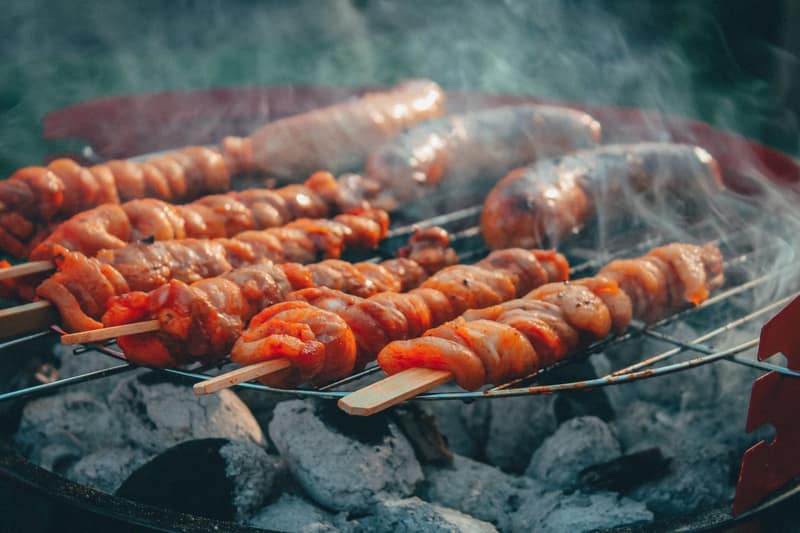
Meanwhile char the whole aubergines (opens in a new tab) over a gas flame, charcoal or under a very hot grill, turning, until blackened all over and soft right through, about 20 minutes. Peel, drain in a colander (opens in a new tab) for 10 minutes, then chop finely with a knife.
- 30 min
- high heat
- Grill / barbecue (opens in a new tab)
- Colander (opens in a new tab)
- Chef's knife (opens in a new tab)
How it looks · Photo: Malte Luk on Pexels Step 4
Stir the warm aubergine (opens in a new tab) into the yoghurt with the garlic (opens in a new tab) and salt. Spread across a warm serving platter, making a well in the centre.
- 3 min
To finish
3 minStep 5
Spoon the lamb into the centre. Melt the butter (opens in a new tab) in a small pan until foaming, add the pul biber (opens in a new tab) for a few seconds, and pour over the top. Scatter with parsley (opens in a new tab) and serve immediately.
- 3 min
- medium heat
- Frying pan / skillet (opens in a new tab)

How it looks · Photo: Klaus Nielsen on Pexels
At a glance
1 · Lamb in a pan
 Lamb shoulder
 Olive oil
 Onion
 Tomato paste
- Red pepper paste
 Tomato
 Salt
 Black pepper
then char
2 · Aubergine yoghurt in a bowl
 Eggplant
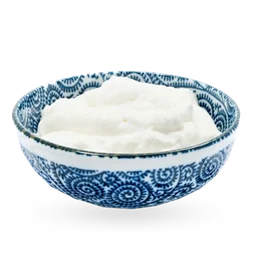 Greek yogurt
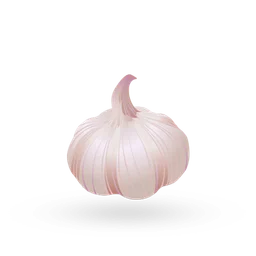 Garlic
- Salt
then spoon
3 · To finish in a pan
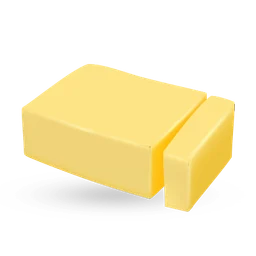 Butter
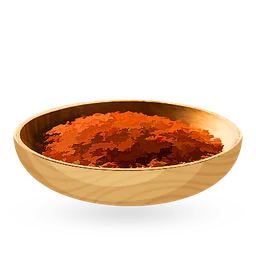 Aleppo pepper
 Parsley
About this dish
- Origin
- Gaziantep, south-eastern Türkiye, Türkiye · Commonly attributedA Gaziantep speciality; the base differs from Ottoman hünkar beğendi, where the aubergine is made into a béchamel with cheese instead of being folded into yoghurt. Some restaurants top it with grilled kebab or köfte instead of stewed lamb.More food from Türkiye
Türkiye - Dish
- Lunch · Dinner · Main courses
- Cooking method
- Braised, Grilled, Roasted
- Taste
- smoky, savoury, tangy, garlicky
- Diet
- No gluten ingredients · No nut ingredients · Low-carb · High-proteinWorked out from the ingredients. How labels work
All labels
Non-vegetarian · Whole-food focused · No gluten ingredients · Egg-free · No nut ingredients · No added sugar · Alcohol-free · Pork-free · Beef-free · Low-carb · High-protein · Carb-conscious - Good for
- Festive & celebration
- Cook more with
- Lamb shoulder · Eggplant · Greek yogurt · Onion · Tomato paste · Red pepper paste
- Techniques
- Roasting · Grilling · Charcoal grilling · Simmering · Braising
Allergens
- Contains: Milkfrom greek yogurt, butter
Based on typical versions of these ingredients and not verified allergen-free. Brands differ and cross-contact happens, so always check labels. For severe allergies, follow your clinician’s advice.
Nutrition
771 kcal per serving
Estimated1 serving ≈ 730 g · recipe makes 4
Where the energy comes from
- Protein 20%
- Carbohydrate 13%
- Fat 66%
| Nutrient | Per serving | Per 100 g* |
|---|---|---|
| Energy | 771 kcal | 106 kcal |
| Protein | 40.1 g | 5.5 g |
| Carbohydrate | 26.3 g | 3.6 g |
| Net carbohydrate | 17 g | 2.3 g |
| Sugars | 16.2 g | 2.2 g |
| Added sugars | 0 g | 0 g |
| Fibre | 9.4 g | 1.3 g |
| Fat | 58 g | 7.9 g |
| Saturated fat | 24.3 g | 3.3 g |
| Trans fat | 2.3 g | 0.3 g |
| Cholesterol | 133 mg | 18 mg |
| Sodium | 1083 mg | 148 mg |
| Salt equivalent | 2.7 g | 0.4 g |
Vitamins & minerals per serving
- Potassium
- 1455 mg
- Calcium
- 164 mg
- Iron
- 3.1 mg
- Magnesium
- 92 mg
- Vitamin A (RAE)
- 132 µg
- Vitamin C
- 22 mg
- Vitamin D
- 0.4 µg
- Vitamin B12
- 3.9 µg
- Folate (DFE)
- —
How these numbers were made
- Calculated from USDA FoodData Central (SR Legacy) per-100 g values and the listed quantities.
- *Per 100 g of combined raw ingredients; the cooked dish may weigh more or less.
- Red pepper paste: Tomato paste (FDC 170459) used as a stand-in for Turkish biber salçası; both are sun- or cook-concentrated nightshade pastes of similar density.
- Aleppo pepper: Ground red (cayenne) pepper used as a stand-in: no Aleppo pepper entry in FDC SR Legacy; it is a coarsely ground dried Capsicum annuum, often with a little oil and salt.
- “—” means the value isn’t known for enough of the ingredients; it is never zero by default.
- Values are estimates for guidance, not for medical dosing. U.S. Department of Agriculture, Agricultural Research Service. FoodData Central, 2019. fdc.nal.usda.gov.
Good to know
Tips
- Mix the aubergine into the yoghurt while it is warm, not hot, so the yoghurt does not split.
Common mistakes
- Baking the aubergines instead of charring them: without the smoke the dish loses its character.
Serve with
- Serve with bulgur or rice pilaf, grilled peppers and flatbread to scoop up the yoghurt.
Food safety
- Cook whole cuts of beef, pork and lamb to at least 63 °C (145 °F) and rest them for 3 minutes; braised cuts are cooked far beyond this.
- Cool leftovers within 2 hours, refrigerate and eat within 3 days; reheat until steaming hot throughout.
Storage
- Keep the lamb and aubergine yoghurt separately, refrigerated, for up to 2 days.
Reheating
- Reheat the lamb until piping hot; serve the aubergine yoghurt at room temperature.
Variations
- Köfteli alinazik: Topped with small grilled lamb köfte instead of stewed meat.
- Tavuklu alinazik: Made with sautéed chicken pieces for a quicker version.
Original editorial recipe · FriendsPantry editorial · source: TasteAtlas (dish facts) · Not yet independently reviewed · Added
Sauces, chutneys & dips for this dish
Recipe DNA
How this dish is built
Built from the recipe’s own sections. Each band’s width is its share of the dish by weight. Choose a component to see what it does.
What the dish is built around
For the lamb
- Lamb shoulder, boned, cut into 3 cm cubes700 g
- Olive oil2 tbsp · 27 g
- Onion, finely chopped1 piece · 110 g
- Tomato paste1 tbsp · 16 g
- Red pepper paste1 tbsp · 16 g
- Tomato, grated, skins discarded2 piece · 240 g
- Water400 ml · 400 g
- Salt1 tsp · 6 g
- Black pepper0.5 tsp · 1.2 g
Reviews & corrections
Reviews come from signed-in cooks and appear after a moderator checks them. We never show made-up ratings.
You might also like
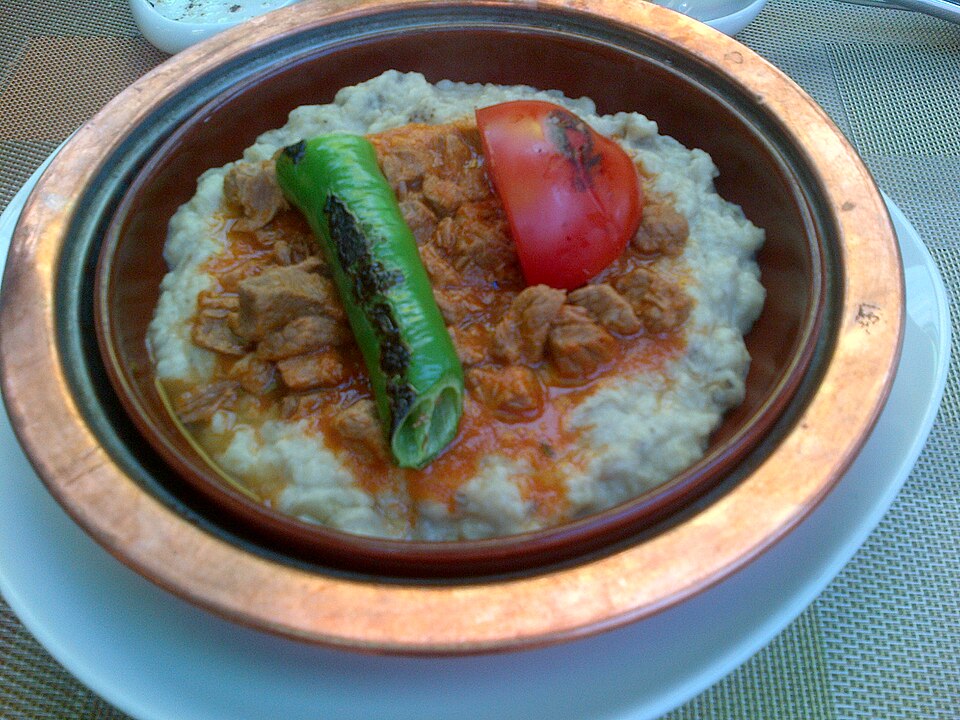
Hünkar beğendi (lamb on smoky aubergine purée)
 Turkish · 2 h 5 min · 577 kcal
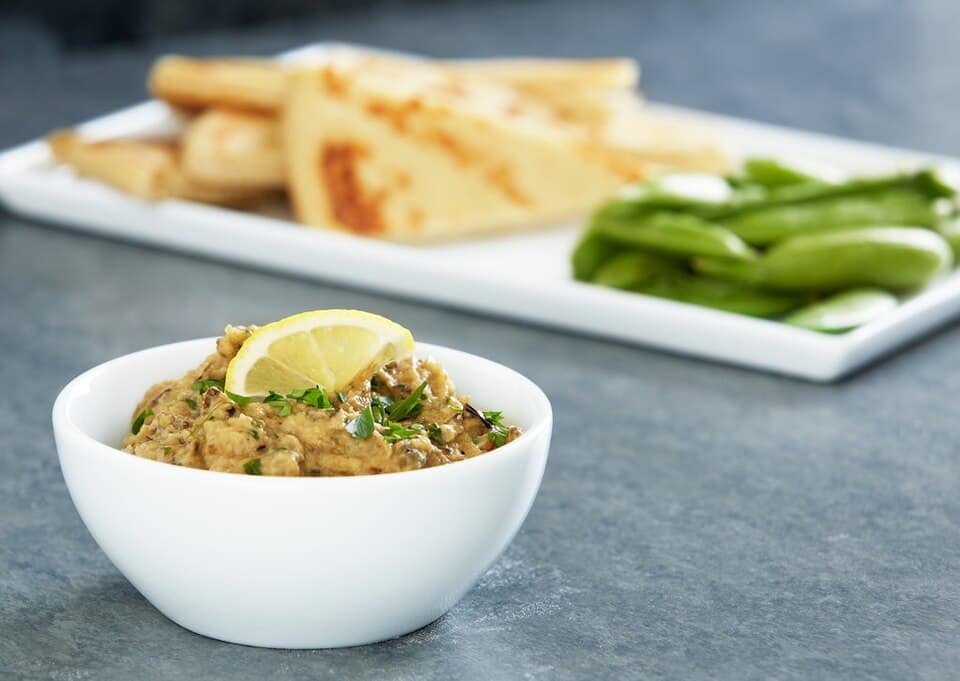
Baba ghanoush
Levantine · 55 min · 139 kcal · Vegan
Adana kebab
Turkish · 1 h 7 min · 438 kcal
Kayseri yağlaması (layered flatbreads with spiced mince)
Turkish · 2 h 30 min · 739 kcal