
Fruits · Dried fruit
Dried apricots
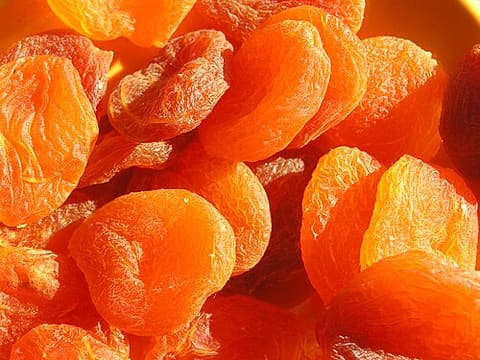
Dried apricot halves, chewy and sweet-tart; used in tagines, pilafs, baking and snacking.
Also called: kuru kayısı, khubani
Photo: Andrey Butko, via Wikimedia Commons (CC-BY-SA-3.0)
What it is
Dried apricots are pitted apricots dried whole or in halves. Bright orange ones are usually treated with sulphur dioxide to keep their colour; unsulphured ones are brown and taste more caramel-like. Turkish apricots are typically whole and plump; Californian halves are tarter.
How it’s used
- Simmered in lamb and chicken tagines
- Chopped into pilafs and couscous
- Baked into flapjacks, cakes and stuffing
- Poached or stuffed in Turkish kayısı tatlısı
Characteristics
Storage
Cool, dry and dark. Keep sealed in a cool, dry place, or the fridge in hot weather; they harden as they dry out.
Diet, allergens and safety
Contains Sulphites.
- Vegetarian
- Vegan
- Dairy-free
- Egg-free
- Gluten-free
- Nut-free
- Soy-free
- Caffeine-free
- Often treated with sulphites, which can trigger reactions in sensitive people and asthmatics; check the label.
Nutrition per 100 g
- Energy
- 241 kcal
- Protein
- 3.39 g
- Carbohydrate
- 62.64 g
- Fat
- 0.51 g
- Fibre
- 7.3 g
- Sugars
- 53.44 g
USDA FoodData Central: Apricots, dried, sulfured, uncooked.
Substitutes
Optional — what works if you don’t have it, and how it changes the dish.
- Prunes — In tagines and stuffings; sweeter, darker and stickier.
Related ingredients
Recipes with dried apricots
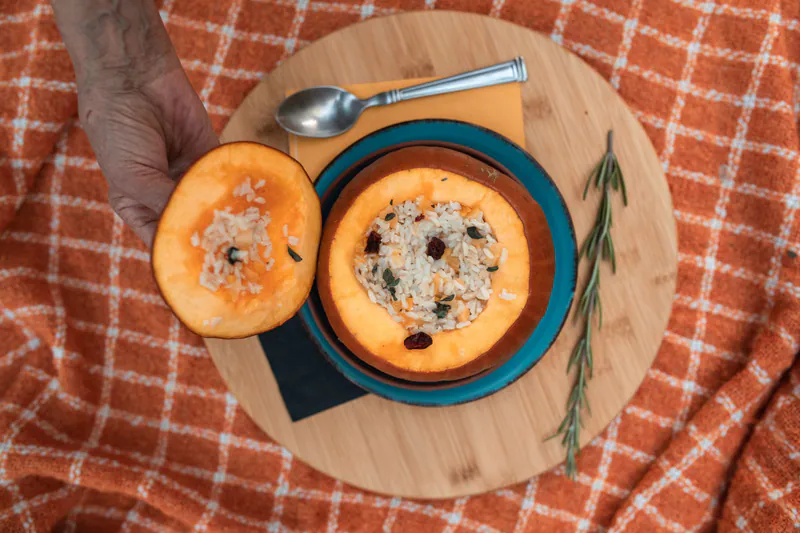
Ghapama
 Armenian · 2 h 30 min · 314 kcal · Vegetarian
Lamb tagine with apricots
 Moroccan · 2 h 35 min · 637 kcal
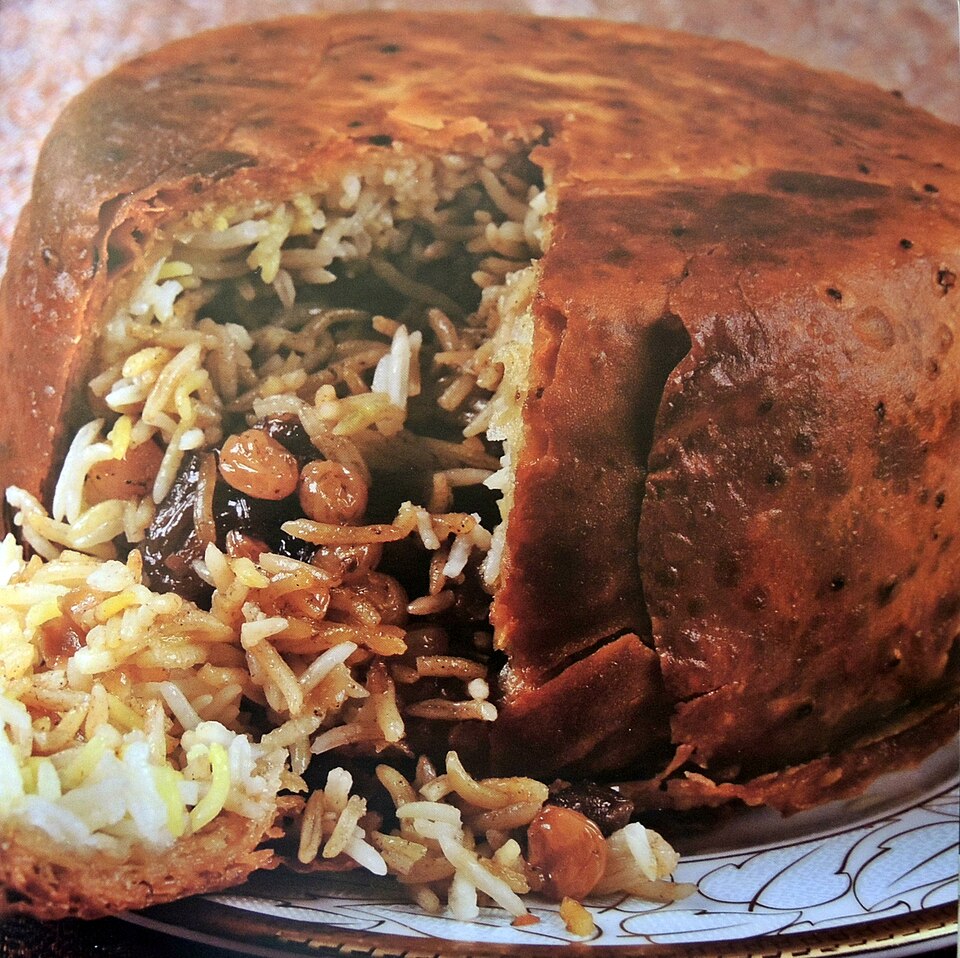
Shah plov
 Azerbaijani · 3 h 20 min · 631 kcal
More dried fruit
Dried fruit
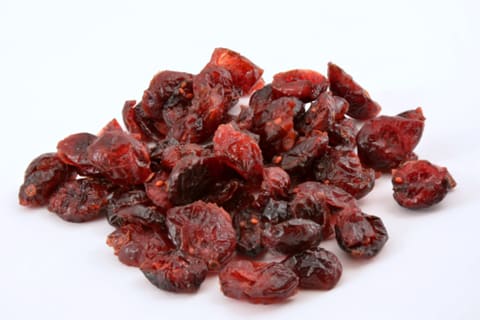
Dried cranberries
Tart cranberries dried with added sugar, chewy and red; used like raisins in baking, salads and granola.
No recipes yet
Dried fruit
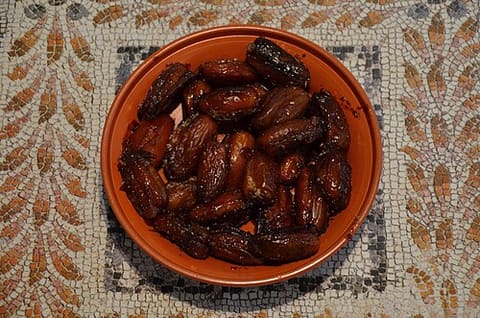
Dates
Sticky-sweet dried fruit of the date palm; eaten whole, stuffed, or blended to sweeten bakes and smoothies.
14 recipes
Dried fruit
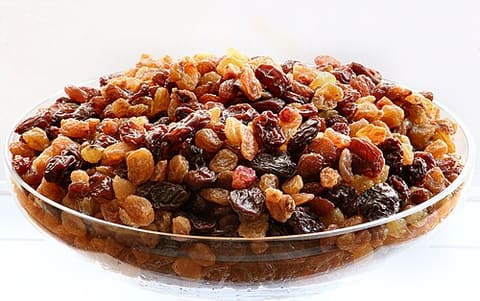
Raisins
Dried grapes, dark or golden; sweet and chewy for baking, pilafs, curries and snacks.
54 recipes
Dried fruit
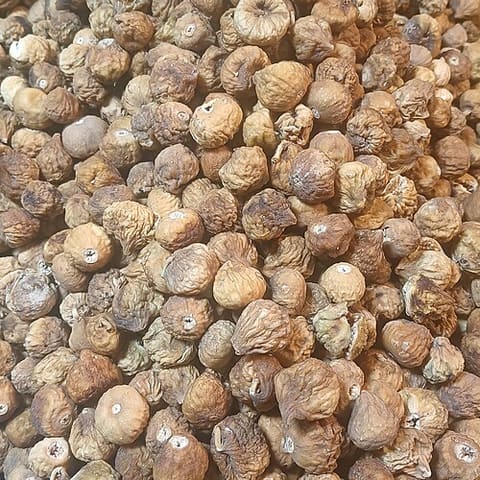
Dried figs
Chewy, sweet dried figs full of crunchy seeds; for snacking, baking, compotes and cheese boards.
1 recipe
Dried fruit
Dried barberries
Tiny, ruby-red dried berries (zereshk) with a sharp, sour taste; essential to Persian jeweled rice and zereshk polow.
2 recipes
Dried fruit
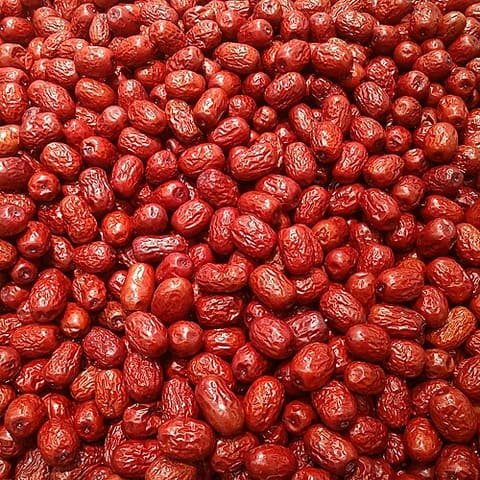
Dried jujubes
Dried red jujubes ('red dates'); sweet, apple-like fruit simmered in Chinese and Korean soups, teas and rice.
3 recipes
Dried fruit
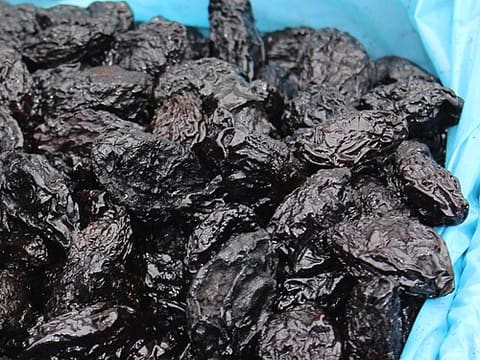
Prunes
Dried plums: dark, soft and sticky-sweet; stewed, baked and used in savoury braises.
6 recipes
Dried fruit
Aloo bukhara (dried sour plums)
Small dried sour plums that add a sweet-tart tang to Sindhi and Dhakai biryanis, kormas and chutneys.
2 recipes