
Fruits · Dried fruit
Dates
Sticky-sweet dried fruit of the date palm; eaten whole, stuffed, or blended to sweeten bakes and smoothies.
Also called: medjool dates, khajur, hurma, tamr
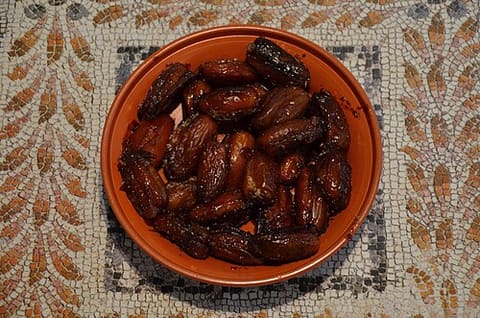
Photo: Carole Raddato from FRANKFURT, Germany, via Wikimedia Commons (CC-BY-SA-2.0)
What it is
Dates are the fruit of the date palm, sold soft (Medjool, large and fudgy), semi-dry (Deglet Noor) or dry. They are oval and brown with wrinkled, glossy skin around a long, thin stone. They are much sweeter and stickier than prunes or figs.
Phoenix dactylifera
How it’s used
- Eaten whole or stuffed with nuts or cheese
- Blended into energy balls, smoothies and sauces
- Baked into sticky toffee pudding and ma'amoul
- Added to tagines and chutneys
Characteristics
- Taste
- Very sweet, caramel and honey-like.
- Texture
- Soft, sticky and chewy.
- Sold as
- dried, paste
- Cooking uses
- Usually eaten raw, Suitable for baking
- Common in
- Middle Eastern, Saudi Arabian, Gulf Arab, Iraqi, Moroccan, Egyptian, Levantine, Indian
Storage
Refrigerated. Keep sealed in a cool place or the fridge; soft dates keep better chilled. Sugar crystals on the skin are harmless.
Diet, allergens and safety
No major allergens in typical versions.
- Vegetarian
- Vegan
- Dairy-free
- Egg-free
- Gluten-free
- Nut-free
- Soy-free
- Caffeine-free
Nutrition per 100 g
- Energy
- 277 kcal
- Protein
- 1.81 g
- Carbohydrate
- 74.97 g
- Fat
- 0.15 g
- Fibre
- 6.7 g
- Sugars
- 66.47 g
USDA FoodData Central: Dates, medjool.
Substitutes
Optional — what works if you don’t have it, and how it changes the dish.
Related ingredients
Recipes with dates
See all 14Apple cinnamon oat breakfast smoothie
International · 10 min · 306 kcal · Vegetarian
Arabic coffee (gahwa)
 Saudi Arabian · 23 min · 12 kcal · Vegan
Bengali tomato-date chutney (tomato khejur chutney)
 Bengali · 35 min · 100 kcal · Vegan
Dry fruit paratha
Indian · 1 h 9 min · 392 kcal · Vegetarian
Harira
 Moroccan · 1 h 40 min · 242 kcal
Homemade brown sauce
 British · 1 h 5 min · 41 kcal · Vegan
Kerala plum cake (alcohol-free)
Indian · 12 h 45 min · 252 kcal · Contains eggKhajur ambli chutney (Gujarati date-tamarind chutney)
Gujarati · 1 h · 54 kcal · Vegan
Kleicha
 Iraqi · 1 h 45 min · 133 kcal · Contains egg
Ma'amoul with dates
Levantine · 2 h 8 min · 148 kcal · Vegetarian
Saunth (sweet tamarind-date chutney)
Indian · 50 min · 55 kcal · VeganSheer khurma
 Pakistani · 45 min · 339 kcal · Vegetarian
2 more
- Sticky toffee pudding · British
- Tomato khajuri khatta (Odia tomato-date chutney) · Indian
More dried fruit
Dried fruit
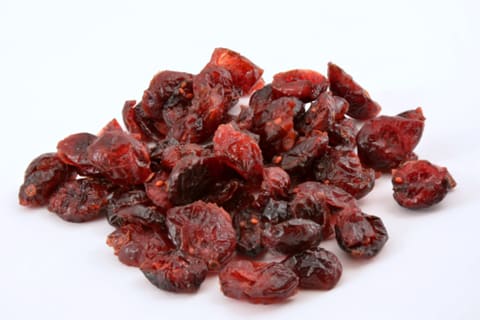
Dried cranberries
Tart cranberries dried with added sugar, chewy and red; used like raisins in baking, salads and granola.
No recipes yet
Dried fruit
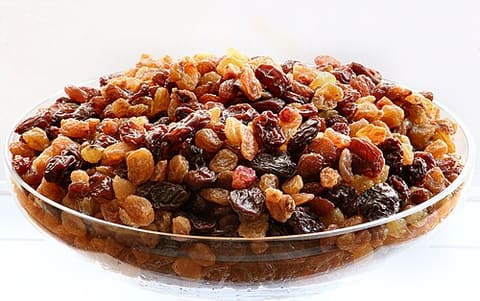
Raisins
Dried grapes, dark or golden; sweet and chewy for baking, pilafs, curries and snacks.
54 recipes
Dried fruit
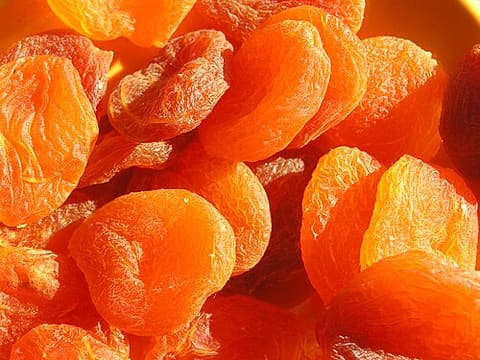
Dried apricots
Dried apricot halves, chewy and sweet-tart; used in tagines, pilafs, baking and snacking.
3 recipes
Dried fruit
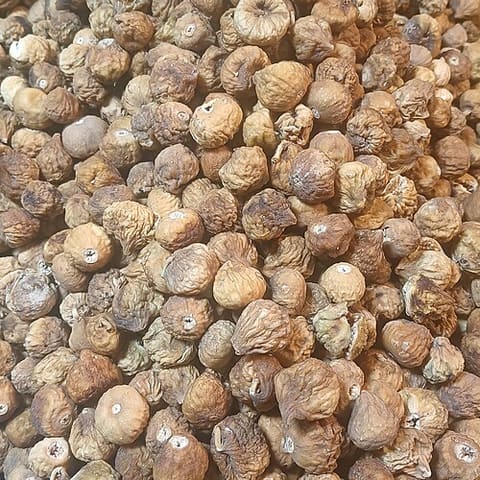
Dried figs
Chewy, sweet dried figs full of crunchy seeds; for snacking, baking, compotes and cheese boards.
1 recipe
Dried fruit
Dried barberries
Tiny, ruby-red dried berries (zereshk) with a sharp, sour taste; essential to Persian jeweled rice and zereshk polow.
2 recipes
Dried fruit
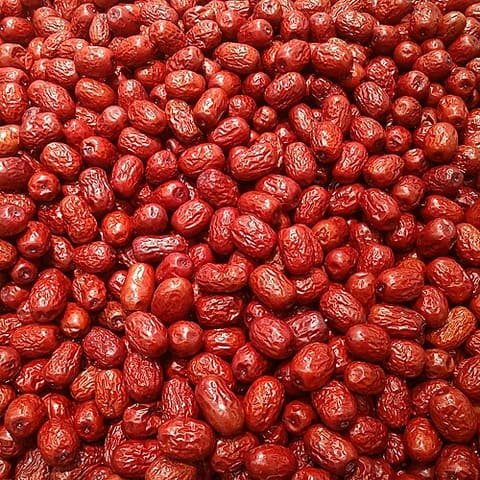
Dried jujubes
Dried red jujubes ('red dates'); sweet, apple-like fruit simmered in Chinese and Korean soups, teas and rice.
3 recipes
Dried fruit
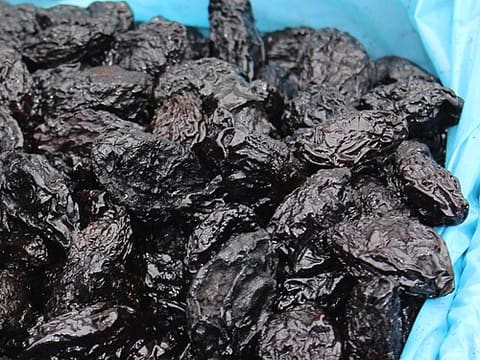
Prunes
Dried plums: dark, soft and sticky-sweet; stewed, baked and used in savoury braises.
6 recipes
Dried fruit
Aloo bukhara (dried sour plums)
Small dried sour plums that add a sweet-tart tang to Sindhi and Dhakai biryanis, kormas and chutneys.
2 recipes