Mexican · regional cuisine
Oaxacan
Southern Mexico's most celebrated regional cooking, known as the 'land of seven moles', with tlayudas, stringy quesillo, chocolate, grasshoppers (chapulines) and mezcal.
Flavour character: Dark, smoky and complex: toasted rare chillies, burnt tortilla and seeds in mole negro, chocolate and spice, fresh herbs such as hoja santa and chepil, salty quesillo.
History
Oaxaca has the greatest concentration of Indigenous peoples in Mexico (Zapotec, Mixtec and many others) and kept much of its pre-Hispanic food culture alongside Spanish additions. Maize diversity in its valleys is exceptional, and the region is linked to some of the earliest evidence of corn domestication. Its seven classic moles (negro, rojo, coloradito, amarillo, verde, chichilo and manchamantel) are a modern grouping of a much larger repertoire.
Commonly told; not firmly documented
Geography and influences
Mountainous southern state with the Central Valleys, the Sierra Norte, the Pacific coast and the Isthmus of Tehuantepec: maize, beans, many local chillies (chilhuacle, pasilla oaxaqueño), cacao and agave.
- Zapotec and Mixtec cultures
- Spanish colonial cooking
- Isthmus coastal traditions
Regional variations
- Central Valleys
- Moles, tlayudas, chocolate grinding and mezcal.
- Isthmus of Tehuantepec
- Coastal Zapotec cooking with seafood, totopos and iguana.
- Sierra and coast
- Mountain tamales and Pacific seafood dishes.
Festive and seasonal food
- Mole negro and tamales for Día de Muertos, weddings and the Guelaguetza
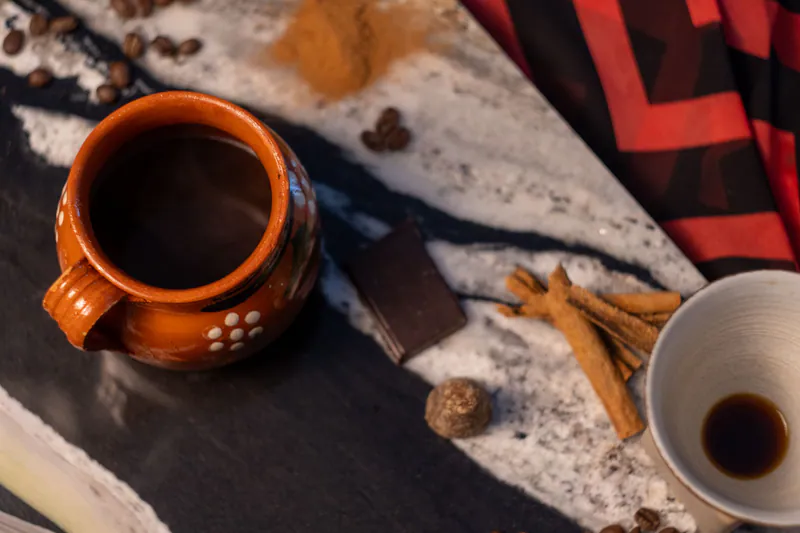
- Chocolate with pan de yema for Día de Muertos
- Noche de Rábanos (radish carving) on 23 December
Signature dishes
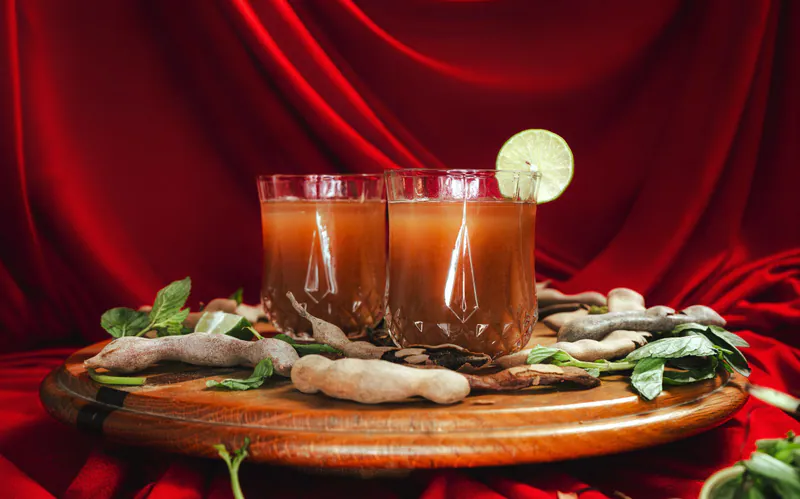
Not on the site yet: Mole negro, Mole amarillo, Chapulines (toasted grasshoppers), Tejate (maize-cacao drink), Tasajo and cecina, Memelas

 Mexican · 1 h 10 min · 60 kcal ·
 American · 10 min · 200 kcal