Cuisine
Filipino
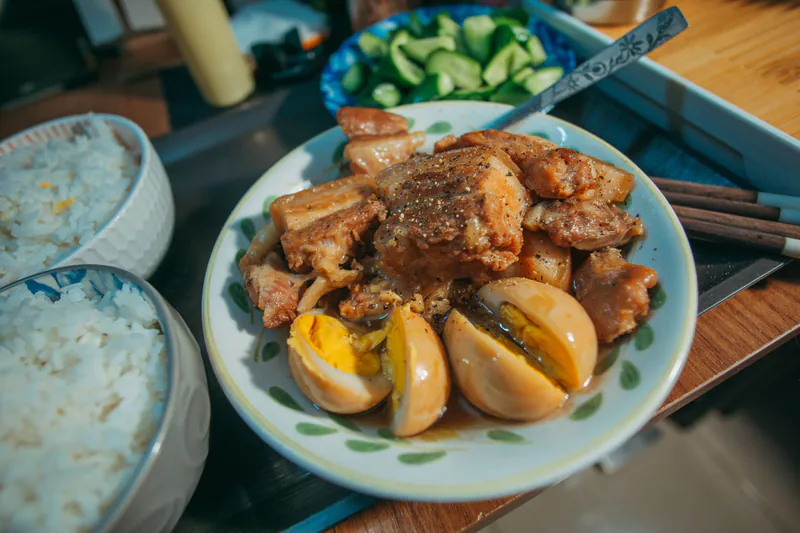
An Austronesian rice cuisine layered with Chinese, Spanish and American influences, defined by sourness (vinegar, tamarind, calamansi) and the salty-sour-savoury braise adobo.
Flavour character: Sour and salty first: vinegar, tamarind and calamansi with soy sauce, fish sauce (patis) and fermented shrimp (bagoong); garlic-heavy; sweetness in desserts and some savoury dishes; heat is usually optional at the table.
History
Pre-colonial cooking already used vinegar, salt and souring fruits to cook and preserve food. Chinese traders and settlers contributed noodles (pancit), spring rolls (lumpia) and soy sauce. Spanish rule (1565–1898) and the Manila–Acapulco galleon trade brought tomatoes, chillies, corn, chocolate and Spanish dishes such as leche flan and caldereta; the Spanish also gave adobo its name. American rule in the 20th century added canned goods and fast-food habits.
Well documented
Geography and influences
An archipelago of over 7,000 islands: rice, coconut, seafood, pork and tropical fruit, with strong regional differences between Luzon, the Visayas and Mindanao.
- Austronesian and Malay roots
- Chinese traders
- Spanish colonial rule and the galleon trade with Mexico
- American period
Regional variations
- Pampanga
- Often called the culinary capital: sisig, tocino and elaborate dishes.
- Ilocos
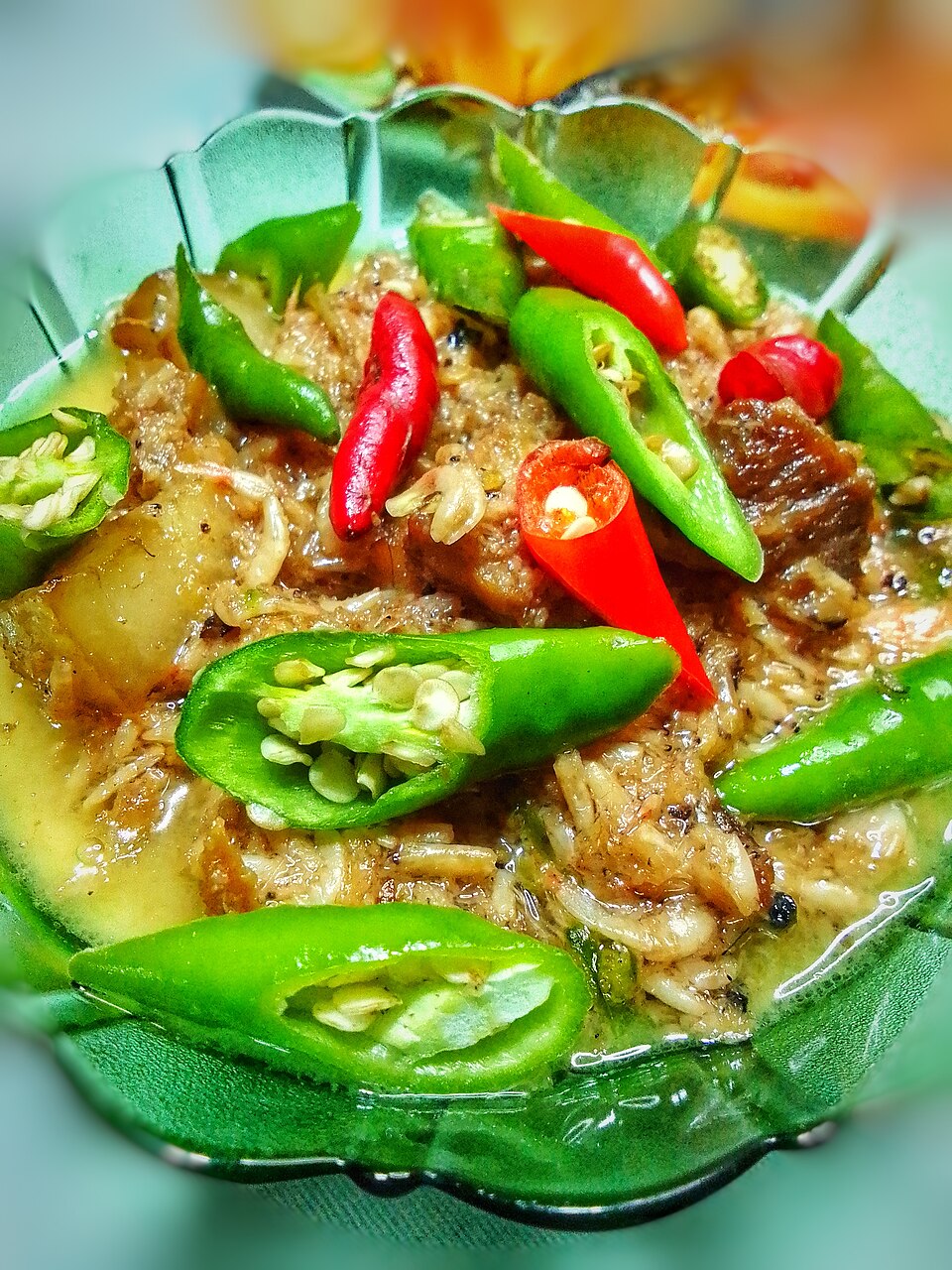
- Northern Luzon: bagnet, pinakbet with bagoong, vinegar-based cooking.
- Bicol
- Coconut milk and chillies, as in Bicol express and laing.
- Visayas and Mindanao
- Kinilaw and seafood; Muslim Mindanao uses more spices, turmeric and burnt-coconut (tiyula itum).
Festive and seasonal food
- Lechon (whole roast pig) at fiestas
- Bibingka and puto bumbong at Simbang Gabi before Christmas
- Pancit for long life on birthdays
- Queso de bola and hamon at Noche Buena
Signature dishes
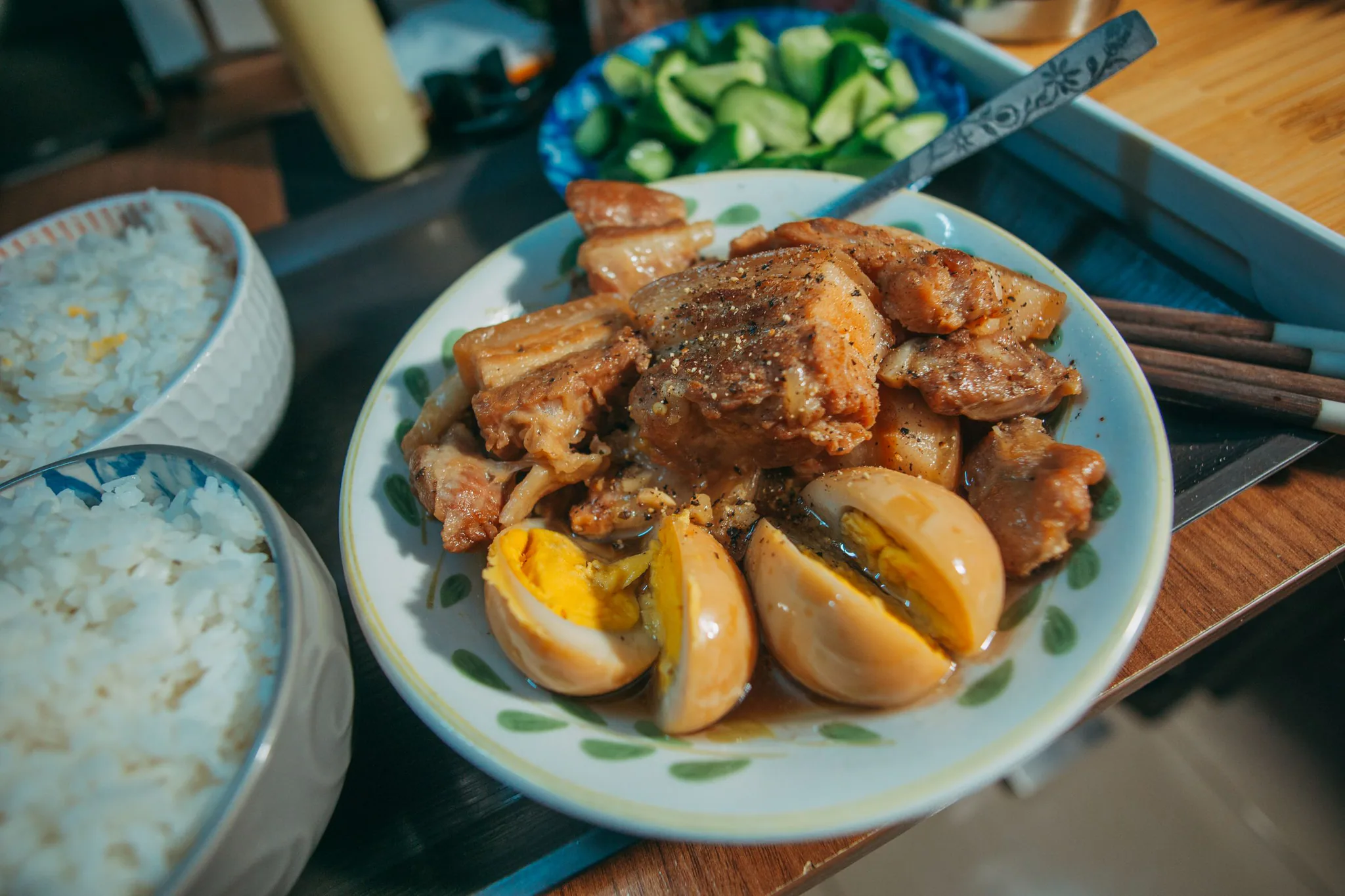
- Chicken adobo
- Sinigang na hipon
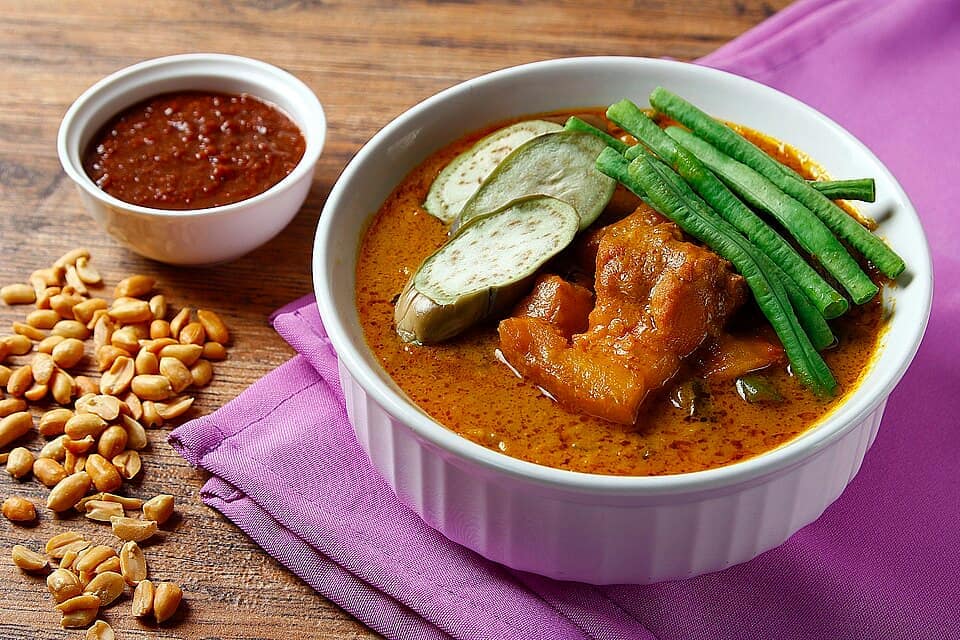
- Kare-kare
- Lumpia shanghai
- Pancit canton
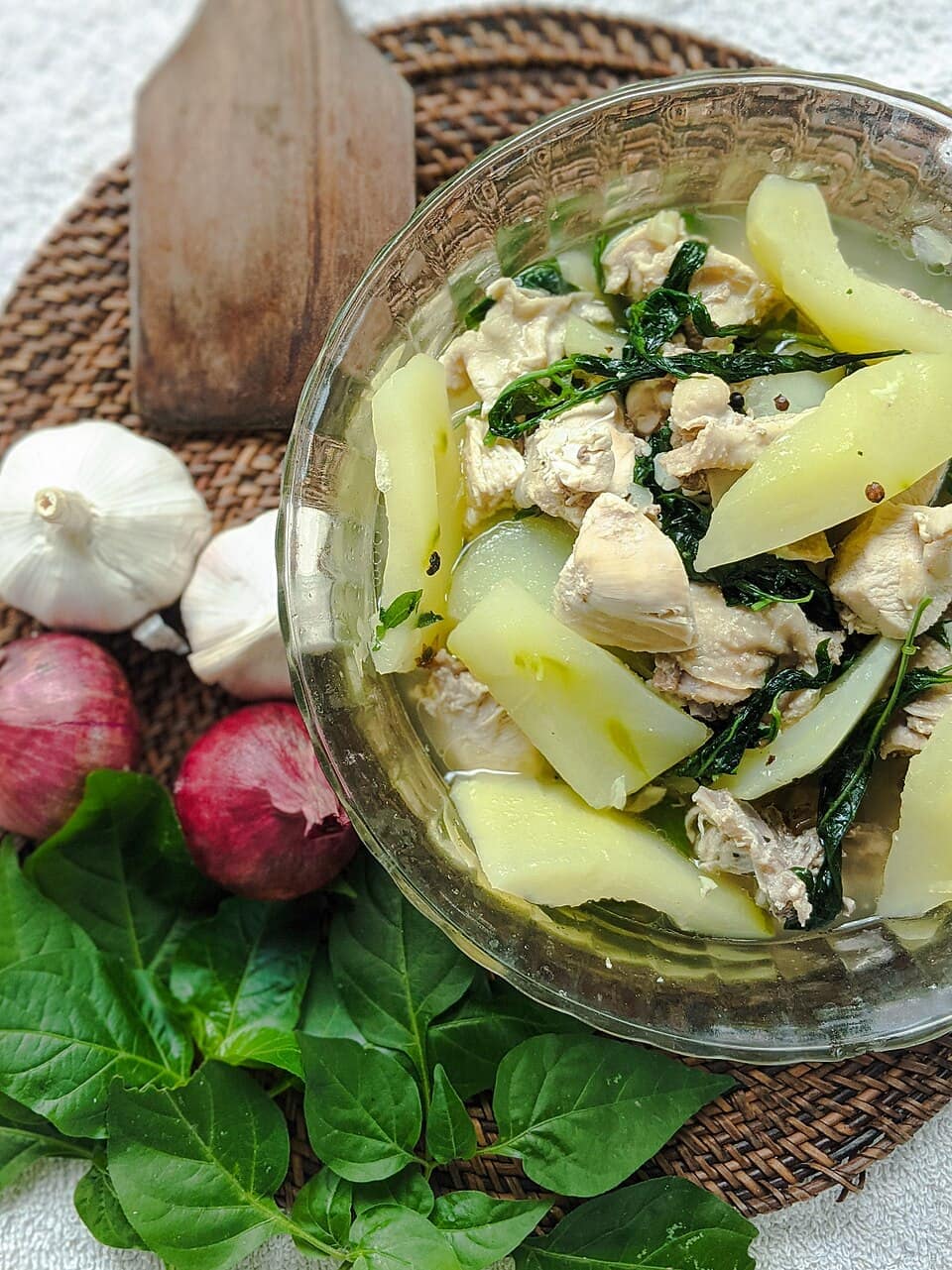
- Chicken tinola
- Pork sisig
- Bicol express
- Pinakbet
- Bulalo
- Arroz caldo
- Leche flan
- Turon
- Tortang talong
Not on the site yet: Lechon, Kinilaw (vinegar-cured fish), Dinuguan, Halo-halo
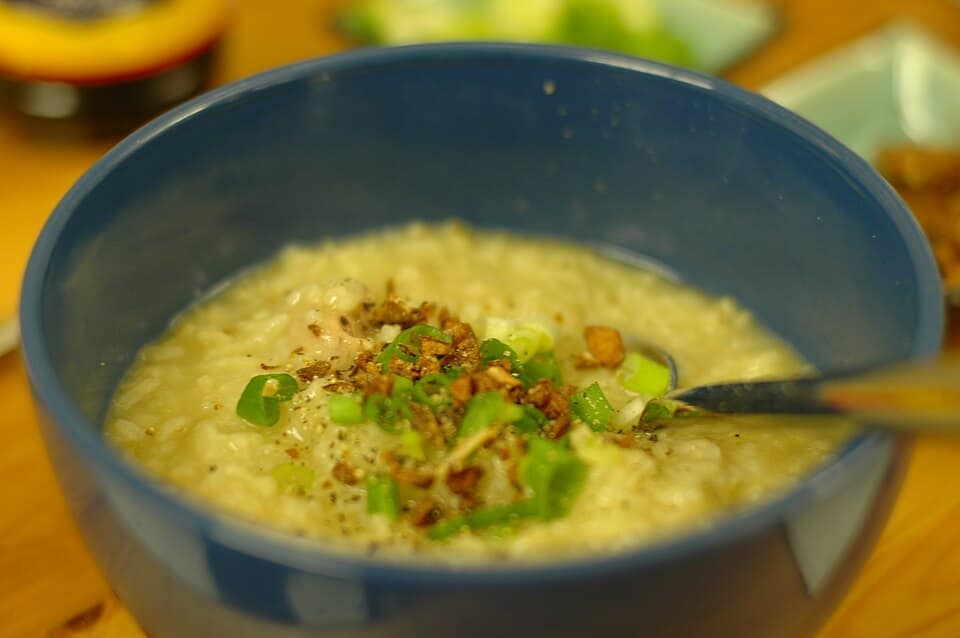
 Filipino · 1 h 10 min · 674 kcal