
Tarte au citron meringuée (lemon meringue tart)
Contains egg (no meat or fish)
Tarte au citron meringuée
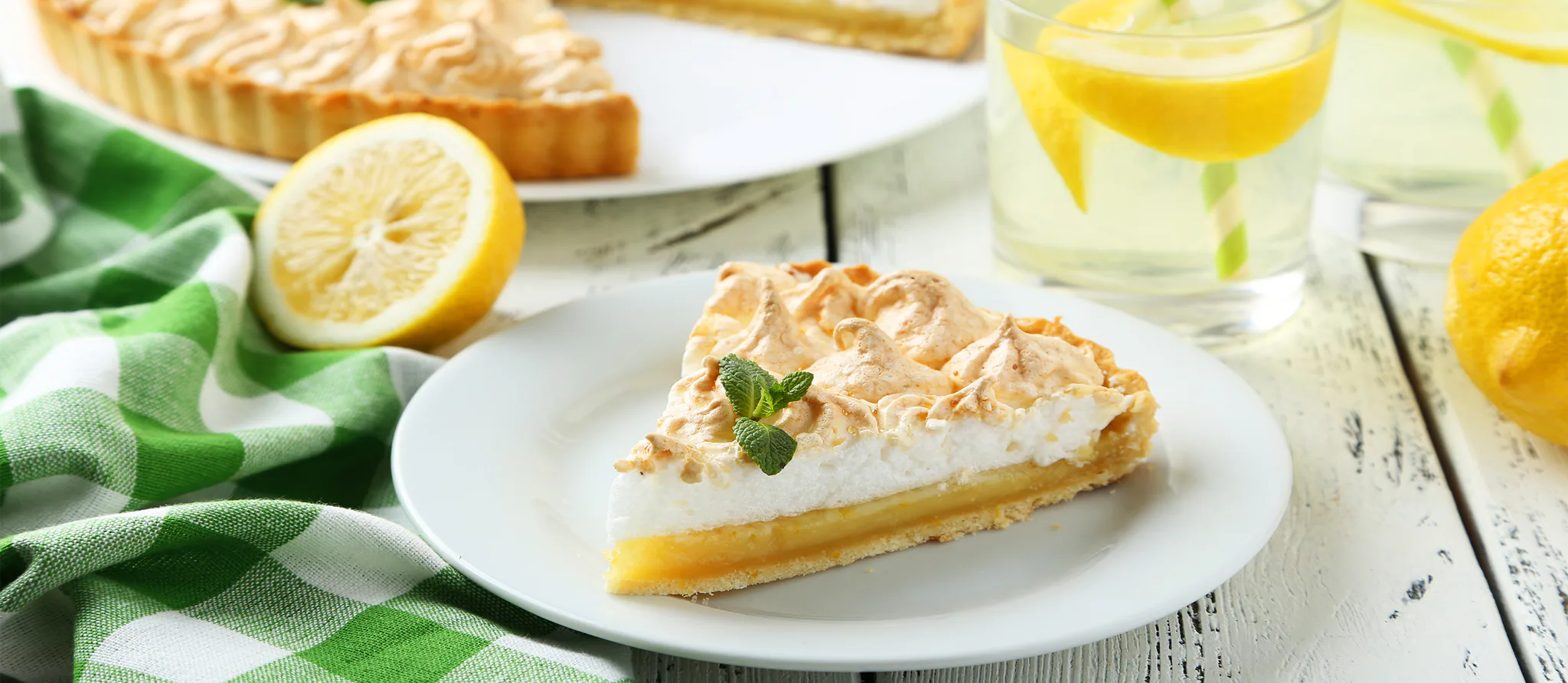
A crisp, buttery sweet pastry case filled with a sharp, silky lemon cream and crowned with swirls of glossy Italian meringue, toasted until the peaks are bronze. The balance of tart citrus, sweet marshmallowy meringue and crumbly crust makes it a pâtisserie classic.
Tarte au citron meringuée (lemon meringue tart) is a French dessert from France, ready in about 5 hours 5 minutes and made with lemon juice, lemon zest and egg white. It serves 8 and is rated advanced to cook.
- Prep
- 50 min
- Cook
- 45 min
- Rest
- 3 h 30 min
- Total
- 5 h 5 min
- Serves
- 8
- Level
- Advanced
- Calories
- 523
Main ingredients
Ingredients
For the pastry
For the lemon cream
For the Italian meringue
Method
Pastry
50 minStep 1
Rub the cold butter into the flour, icing sugar (opens in a new tab) and salt until the mixture looks like sand. Add the beaten egg (opens in a new tab) and bring together into a smooth dough without overworking it. Flatten into a disc, wrap and chill for 1 hour.
Step 2
Roll the pastry 3 mm thick on a lightly floured surface and line a 23 cm loose-bottomed tart tin (opens in a new tab), pressing it into the edges. Prick the base and chill for 30 minutes.
Step 3
Heat the oven (opens in a new tab) to 180 °C. Line the pastry with baking paper and fill with baking beans. Bake for 18–20 minutes, then remove the paper and beans and bake for 8–10 minutes more until golden and dry. Cool.
- 30 min
- 180°C
- Oven (opens in a new tab)
Lemon cream
11 minStep 4
For the lemon cream, whisk (opens in a new tab) the sugar (opens in a new tab), lemon zest (opens in a new tab), whole eggs (opens in a new tab), yolks and cornflour (opens in a new tab) in a saucepan (opens in a new tab) until smooth, then whisk in the lemon juice (opens in a new tab). Cook over medium heat, whisking constantly, until it thickens and bubbles; keep whisking for 1 minute more.
- 8 min
- medium heat
- Saucepan (opens in a new tab)
- Whisk (opens in a new tab)
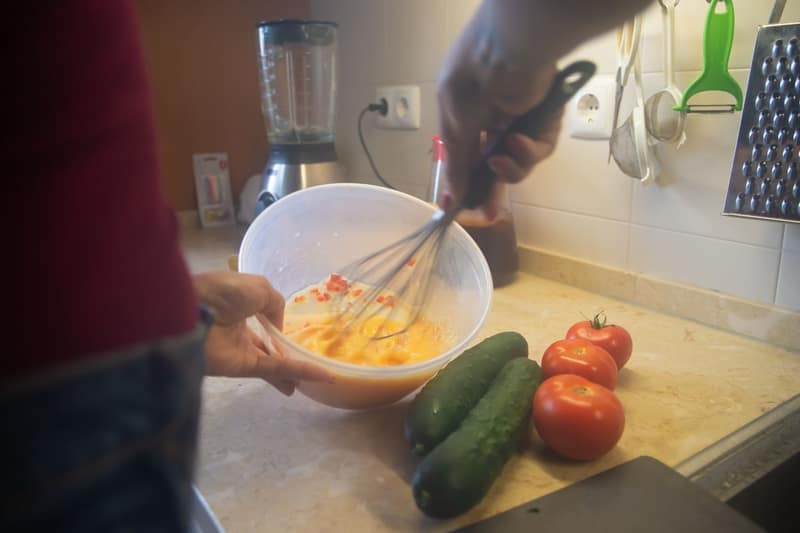
How it looks · Photo: Kampus Production on Pexels Step 5
Take off the heat and whisk (opens in a new tab) in the butter piece by piece until glossy. Pour into the baked case, smooth the top and chill for at least 2 hours until set.
- 3 min
Italian meringue
20 minStep 6
For the meringue, boil the sugar (opens in a new tab) and water in a small saucepan (opens in a new tab) without stirring. When the syrup reaches 110 °C, start whisking the egg whites (opens in a new tab) in a stand mixer (opens in a new tab) to soft peaks. When the syrup hits 118 °C, pour it in a thin stream down the side of the bowl with the mixer running, then whisk (opens in a new tab) for 8–10 minutes until thick, glossy and cool.
- 15 min
- 118°C · syrup
- medium-high heat
- Saucepan (opens in a new tab)
- Food thermometer (opens in a new tab)
- Stand mixer (opens in a new tab)
Food safety: Hot sugar syrup causes serious burns; pour it away from the whisk to avoid splashes.
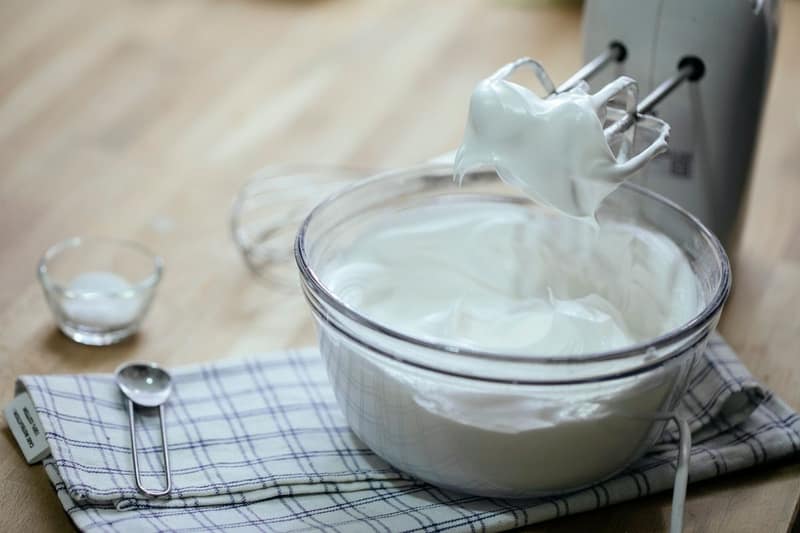
How it looks · Photo: Katerina Holmes on Pexels Step 7
Pipe or spoon the meringue over the lemon cream in peaks. Toast with a kitchen blowtorch, or under a very hot grill for 1–2 minutes, watching constantly, until the peaks are browned.

How it looks · Photo: Malte Luk on Pexels
At a glance
1 · Pastry in a bowl
 All-purpose flour
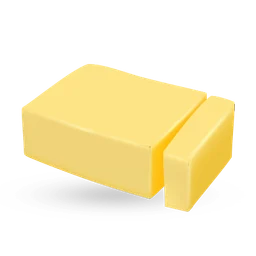 Unsalted butter
 Icing sugar
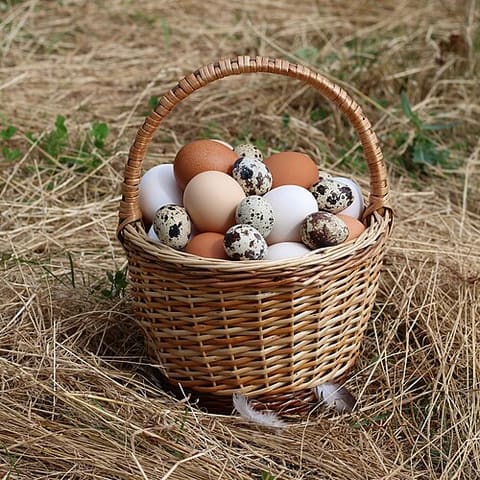 Egg
 Salt
then whisk
2 · Lemon cream in a bowl
 Lemon juice
 Lemon zest
 Sugar
- Egg
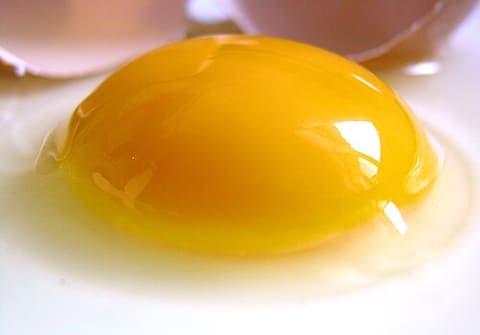 Egg yolk
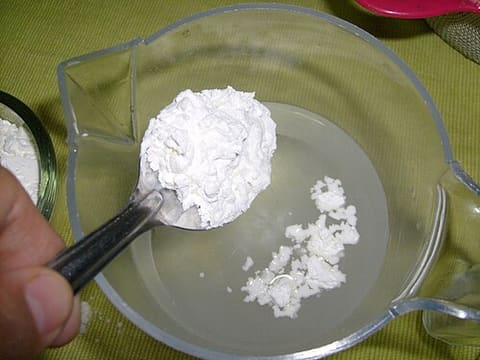 Cornstarch
- Unsalted butter
then boil
3 · Italian meringue in a bowl
- Egg white
- Sugar
About this dish
- Origin
- France · Commonly attributedLemon tarts are a long-standing French pâtisserie staple and the meringue-topped version is a bakery fixture across France; the closely related lemon meringue pie is equally loved in Britain and the United States, where 19th-century Philadelphia baker Elizabeth Coane Goodfellow is often credited with popularising it.Also popular in United Kingdom, United States, Belgium, SwitzerlandMore food from France
France - Dish
- Dessert · Desserts · Pastries
- Cooking method
- Oven-baked, Whipped, Simmered
- Taste
- citrusy, sweet, tangy, buttery
- Diet
- Vegetarian (lacto-ovo) · No nut ingredientsWorked out from the ingredients. How labels work
All labels
Vegetarian (lacto-ovo) · Eggetarian · Pescatarian · Flexitarian-friendly · No nut ingredients · Alcohol-free · Pork-free · Beef-free · Low-sodium - Good for
- Make-ahead · Festive & celebration
- Cook more with
- Lemon juice · Lemon zest · Egg white · All-purpose flour · Unsalted butter · Icing sugar
- Techniques
- Baking · Grilling · Simmering · Emulsification
Allergens
- Contains: Milkfrom unsalted butter
- Contains: Eggsfrom egg, egg yolk, egg white
- Contains: Wheatfrom all-purpose flour
- Contains: Glutenfrom all-purpose flour
Based on typical versions of these ingredients and not verified allergen-free. Brands differ and cross-contact happens, so always check labels. For severe allergies, follow your clinician’s advice.
Nutrition
523 kcal per serving
Calculated1 serving ≈ 170 g · recipe makes 8
Where the energy comes from
- Protein 6%
- Carbohydrate 55%
- Fat 38%
| Nutrient | Per serving | Per 100 g* |
|---|---|---|
| Energy | 523 kcal | 307 kcal |
| Protein | 8.4 g | 4.9 g |
| Carbohydrate | 73.3 g | 43.1 g |
| Net carbohydrate | 72.5 g | 42.6 g |
| Sugars | 50.5 g | 29.7 g |
| Added sugars | 49.8 g | 29.3 g |
| Fibre | 0.8 g | 0.5 g |
| Fat | 22.6 g | 13.3 g |
| Saturated fat | 12.8 g | 7.5 g |
| Trans fat | — | — |
| Cholesterol | 211 mg | 124 mg |
| Sodium | 83 mg | 49 mg |
| Salt equivalent | 0.2 g | 0.1 g |
Vitamins & minerals per serving
- Potassium
- 116 mg
- Calcium
- 36 mg
- Iron
- 1.8 mg
- Magnesium
- 12 mg
- Vitamin A (RAE)
- 218 µg
- Vitamin C
- 8 mg
- Vitamin D
- 0.8 µg
- Vitamin B12
- 0.4 µg
- Folate (DFE)
- 99 µg
How these numbers were made
- Calculated from USDA FoodData Central (SR Legacy) per-100 g values and the listed quantities.
- *Per 100 g of combined raw ingredients; the cooked dish may weigh more or less.
- “—” means the value isn’t known for enough of the ingredients; it is never zero by default.
- Values are estimates for guidance, not for medical dosing. U.S. Department of Agriculture, Agricultural Research Service. FoodData Central, 2019. fdc.nal.usda.gov.
Good to know
Tips
- Italian meringue is cooked by the hot syrup, so it is more stable than French meringue and does not weep.
- Bake the case until fully golden; a pale base turns soggy under the lemon cream.
Common mistakes
- Under-cooking the lemon cream, so it never sets.
- Pouring the syrup onto the whisk, which spins it into threads on the side of the bowl.
Serve with
- Serve chilled, cut with a hot, wet knife for clean slices.
Food safety
- The lemon cream is boiled and the meringue is heated by 118 °C syrup, so neither contains raw egg once finished. Keep the tart refrigerated.
Storage
- Keeps 2 days in the fridge; the meringue softens after that.
Variations
- Lemon meringue pie (United States): The British and American version uses shortcrust in a deeper pie dish, a cornflour-thickened lemon filling and a baked French meringue.
- Tarte au citron: The same tart without meringue, often with a thinner, richer lemon cream.
Original editorial recipe · FriendsPantry editorial · source: TasteAtlas (dish facts) · Not yet independently reviewed · Added
Recipe DNA
How this dish is built
Built from the recipe’s own sections. Each band’s width is its share of the dish by weight. Choose a component to see what it does.
The body of the dish
For the lemon cream
- Lemon juice150 ml · 155 g
- Lemon zest, finely grated, from 3 unwaxed lemons1 tbsp · 5.9 g
- Sugar150 g
- Egg3 piece · 150 g
- Egg yolk3 piece · 51 g
- Cornstarch20 g
- Unsalted butter, diced, at room temperature80 g
Reviews & corrections
Reviews come from signed-in cooks and appear after a moderator checks them. We never show made-up ratings.
You might also like
Tarte au citron (French lemon tart)
 French · 3 h 55 min · 426 kcal · Contains egg
Crème pâtissière (pastry cream)
French · 2 h 15 min · 171 kcal · Contains egg
Paris-Brest
French · 3 h 25 min · 630 kcal · Contains egg
Chocolate éclairs
French · 3 h 30 min · 342 kcal · Contains egg