
Cookware & bakeware · Bakeware
Tart tin
A shallow tin with straight, fluted sides and a loose base, for tarts and quiches that are turned out to serve.
Specialist · No power needed · 5 recipes
What it is
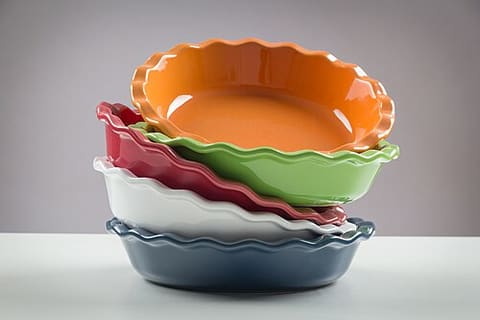
A round, square or rectangular tin about 2–3 cm deep with crimped, upright edges. Most have a removable base that pushes up through the ring so the finished tart can be lifted out intact. Small individual versions are called tartlet tins. Compare the pie dish, which has sloping sides and is served from directly.
What it’s for: Producing neat, freestanding open tarts with crisp, decorative edges.
How to use it
- Line with rolled pastry, pressing it into the flutes, and trim the top edge.
- Chill, then blind-bake with baking paper and baking beans to set the shell.
- Add the filling and finish baking.
- Cool slightly, set the tin on a jar or can and let the ring drop away.
Good to know
- Tasks
- baking quiches, making fruit and custard tarts, baking chocolate tarts, making tartlets
- Cooking methods
- Oven-baked
- Materials
- carbon steel, non-stick steel, aluminium, ceramic
- Care and cleaning
- Wash by hand and dry immediately; steel tins rust if left wet.
- Limitations
- Loose bases can leak runny fillings; shallow, so not for deep pies.
Safety
- Carry by the edges or on a tray so the base does not push up when hot.
If you don’t have one
- Pie dish — Bakes the same tart; it is served from the dish.
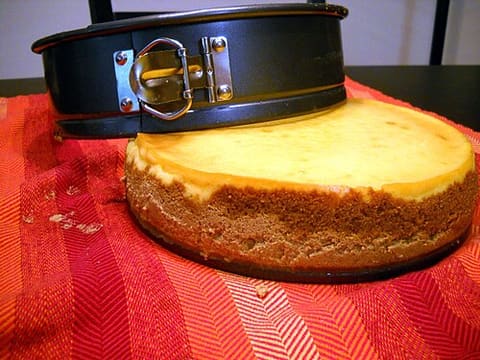
- Springform pan — Use with pastry pressed partway up the sides.
Equipment guide
How it works: Thin metal with shallow fluted sides conducts heat quickly into a thin pastry case so it bakes crisp. The removable base lets you push the tart up and out without breaking the fragile walls.
| Material | Good | Watch out |
|---|---|---|
| Tinned or carbon steel | Excellent browning for crisp pastry. | Rusts if not dried. |
| Non-stick (PTFE or ceramic sol-gel coating on aluminium) | Eggs, fish and pancakes release with little fat; easy to clean; forgiving for beginners. | Coatings wear out (ceramic often faster than PTFE); PTFE should not be heated empty or above about 260 °C; poor at building fond; needs non-metal utensils. |
| Ceramic or stoneware | Holds heat and cooks gently and evenly; non-reactive; attractive for serving. | Heavy, slow to heat, can crack with thermal shock; glazes vary in quality. |
- Loose-bottomed fluted tin
- Classic tarts and quiches.
- Tartlet tins
- Individual tarts.
- Tart ring
- A bottomless ring used on a tray; professional pastry kitchens favour it.
Buying guidance
Starting out: A 23 cm loose-bottomed tin about 2.5–3.5 cm deep.
- Loose base
- Sharp, deep fluting
- Depth suited to your fillings (quiche needs deeper)
No brands or prices — check current reviews before buying.
Techniques:Baking
Related tools
Recipes that use it
Bakewell tart
 British · 2 h 25 min · 423 kcal · Contains egg
English egg custard tart
British · 3 h 5 min · 384 kcal · Contains egg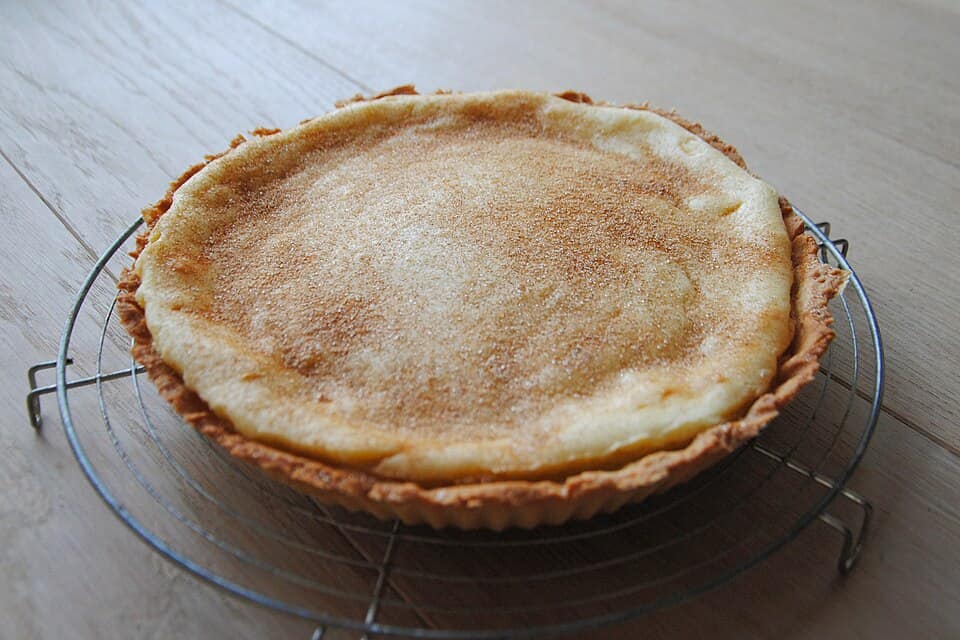
Melktert
 South African · 3 h 35 min · 357 kcal · Contains egg
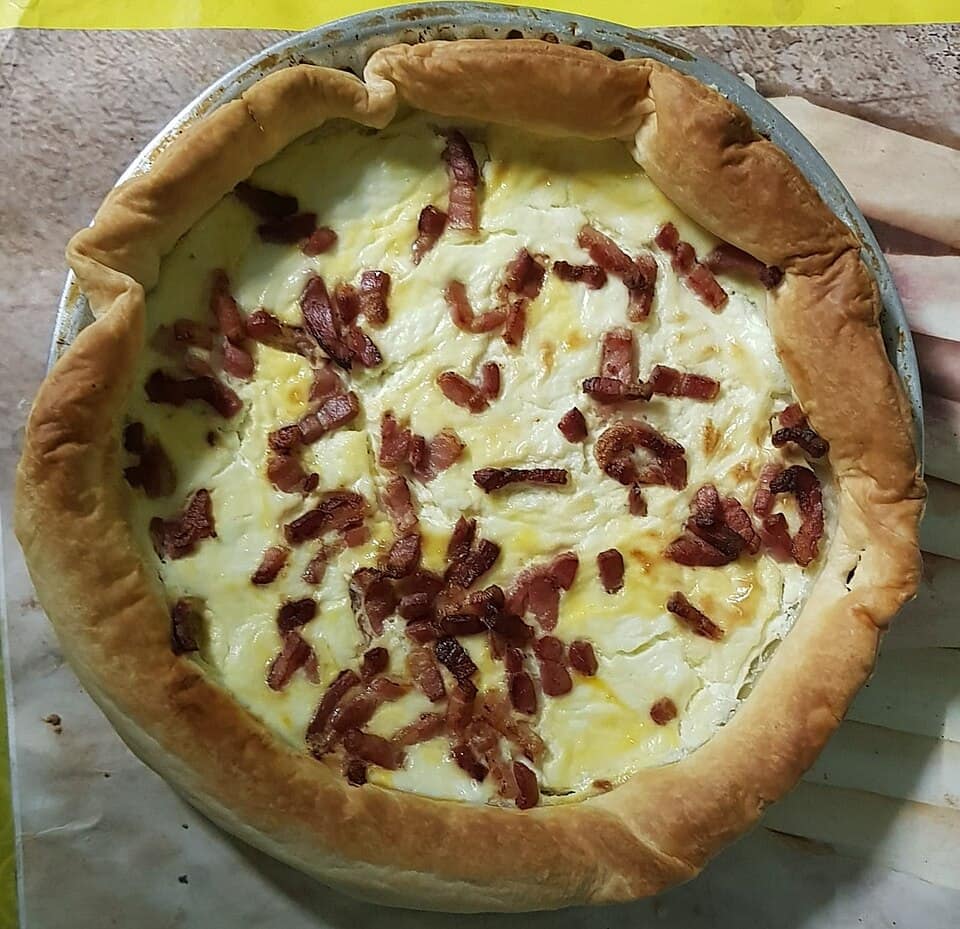
Quiche Lorraine
 French · 2 h 5 min · 598 kcal
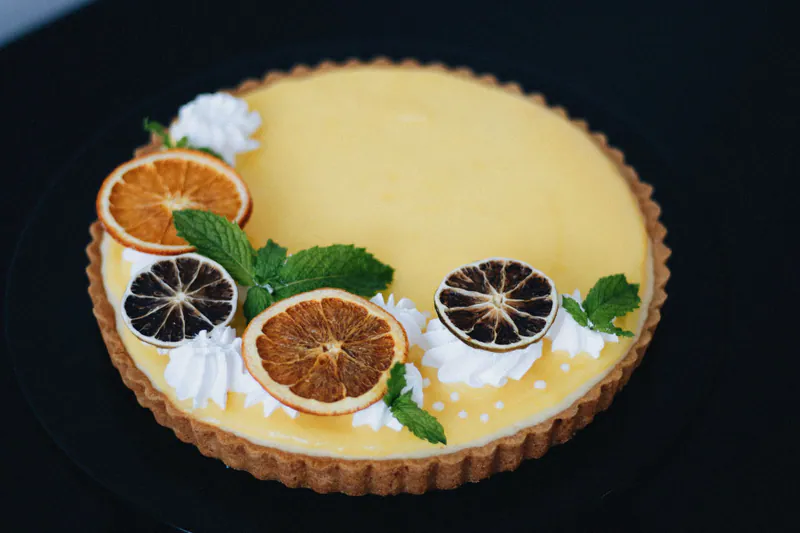
Tarte au citron (French lemon tart)
French · 3 h 55 min · 426 kcal · Contains egg