
Schweinshaxe (Bavarian roast pork knuckle)
Non-vegetarian
Schweinshaxe
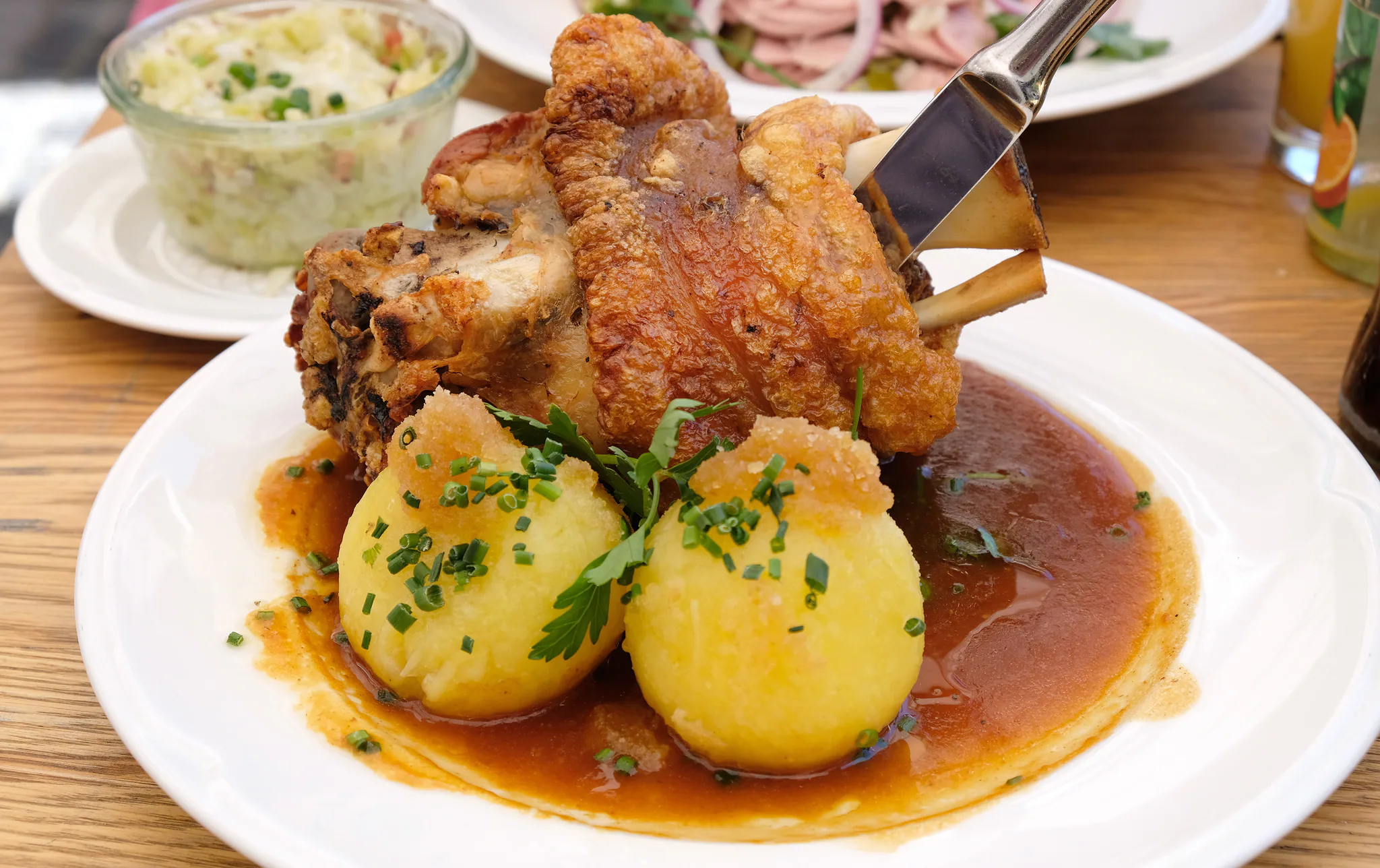
A whole pork knuckle simmered until tender, rubbed with caraway, garlic and salt, then roasted in dark beer until the meat falls off the bone and the skin puffs into a shattering crackling. A beer-hall favourite of Bavaria served with its beer gravy, dumplings and sauerkraut.
Schweinshaxe (Bavarian roast pork knuckle) is a German main course from Germany, ready in about 3 hours 55 minutes and made with pork knuckle (ham hock, fresh), caraway seeds and beer. It serves 4 and is rated intermediate to cook.
- Prep
- 20 min
- Cook
- 3 h 20 min
- Rest
- 15 min
- Total
- 3 h 55 min
- Serves
- 4
- Level
- Intermediate
- Calories
- 1520
Main ingredients
Ingredients
For the pork
For simmering
For the rub
For the roasting pan
For the gravy
Method
Simmering
1 hStep 1
Put the knuckles in a large pot with the water, bay leaves (opens in a new tab) and 1 tbsp salt, bring to the boil and simmer gently for 1 hour to soften the skin.
- 60 min
- medium-low heat
- Stockpot / large pot (opens in a new tab)
Rub
10 minStep 2
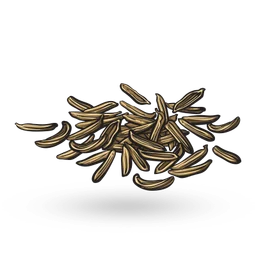
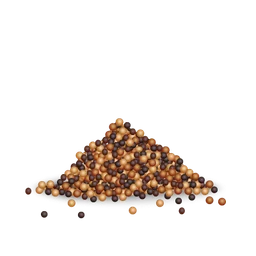
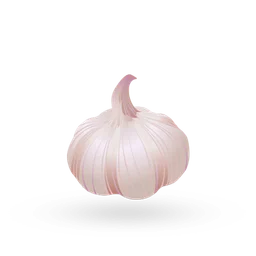
Lift out the knuckles and pat dry. With a very sharp knife, score the skin in a diamond pattern about 1 cm apart, cutting through the skin but not into the meat. Rub all over with the salt, caraway (opens in a new tab), mustard seeds (opens in a new tab), garlic (opens in a new tab) and pepper (opens in a new tab), working the rub into the cuts.
Roasting pan
2 h 20 minStep 3
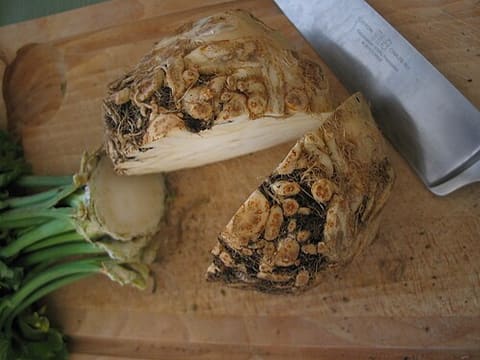
Heat the oven (opens in a new tab) to 170 °C. Scatter the onion (opens in a new tab), carrot (opens in a new tab) and celeriac (opens in a new tab) in a roasting pan (opens in a new tab), pour in half the beer (opens in a new tab) and lay the knuckles on top, skin side down. Roast for 1 hour.
How it looks · Photo: locrifa on Pexels Step 4
Turn the knuckles skin side up, add the rest of the beer (opens in a new tab) to the pan and roast for 1 hour more, brushing the exposed meat (not the skin) with the pan juices every 20 minutes and topping up with water if the pan dries out.
- 60 min
- 170°C
- Pastry brush (opens in a new tab)
Step 5
Raise the oven (opens in a new tab) to 220 °C (or switch to the grill) for the last 15–20 minutes until the skin blisters and crackles all over. Rest for 15 minutes.
- 20 min
- 220°C
- Oven (opens in a new tab)
Watch closely under the grill; the crackling goes from golden to burnt quickly.

How it looks · Photo: Malte Luk on Pexels
Gravy
5 minStep 6
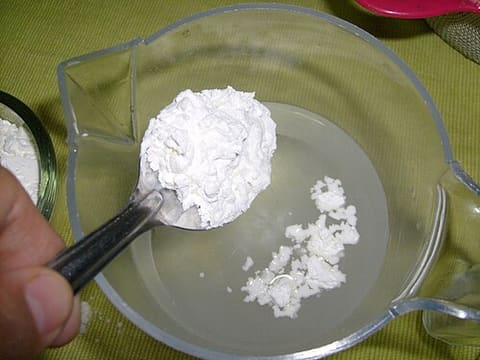
Meanwhile, strain the pan juices into a saucepan (opens in a new tab), pressing the vegetables, skim off the fat and boil for a few minutes. Thicken with the cornflour (opens in a new tab) slurry if you like and season.
How it looks · Photo: Katerina Holmes on Pexels
At a glance
1 · Simmering in a pot
 Bay leaves
 Salt
then lift
2 · Rub in a bowl
- Salt
 Caraway seeds
 Mustard seeds
 Garlic
 Black pepper
then heat
3 · Roasting pan in a pan
 Onion
 Carrot
 Celeriac
 Beer
then strain
4 · Gravy in a pan
 Cornstarch
About this dish
- Origin
- Bavaria, Germany · Well documentedThe roasted, crackling-skinned Haxe is Bavarian; Franconia's Knöchla and Cologne's Hämmchen are boiled instead, and Berlin's Eisbein is a cured knuckle.Also popular in Austria, CzechiaMore food from Germany
Germany - Dish
- Lunch · Dinner · Main courses
- Cooking method
- Boiled, Roasted
- Taste
- savoury, rich, aromatic / warmly spiced, salty
- Diet
- Dairy-free · No nut ingredients · Low-carb · High-proteinWithout the optional extras: Whole-food focusedWorked out from the ingredients. How labels work
All labels
Non-vegetarian · Dairy-free · Egg-free · No nut ingredients · No added sugar · Beef-free · Low-carb · High-protein - Good for
- Festive & celebration
- Cook more with
- Pork knuckle (ham hock, fresh) · Caraway seeds · Beer · Bay leaves · Mustard seeds · Garlic
- Techniques
- Roasting · Boiling · Simmering · Slow-cooked gravy
Allergens
- Contains: Glutenfrom beer
- Contains: Mustardfrom mustard seeds
- Contains, can be adapted: Celeryfrom celeriac
Based on typical versions of these ingredients and not verified allergen-free. Brands differ and cross-contact happens, so always check labels. For severe allergies, follow your clinician’s advice.
Nutrition
1520 kcal per serving
Estimated1 serving ≈ 822 g · recipe makes 4
Where the energy comes from
- Protein 29%
- Carbohydrate 4%
- Fat 67%
| Nutrient | Per serving | Per 100 g* |
|---|---|---|
| Energy | 1520 kcal | 185 kcal |
| Protein | 105.3 g | 12.8 g |
| Carbohydrate | 15 g | 1.8 g |
| Net carbohydrate | 12.5 g | 1.5 g |
| Sugars | 3.9 g | 0.5 g |
| Added sugars | 0 g | 0 g |
| Fibre | 2.5 g | 0.3 g |
| Fat | 108.5 g | 13.2 g |
| Saturated fat | 37.5 g | 4.6 g |
| Trans fat | — | — |
| Cholesterol | 426 mg | 52 mg |
| Sodium | 1875 mg | 228 mg |
| Salt equivalent | 4.7 g | 0.6 g |
Vitamins & minerals per serving
- Potassium
- 2068 mg
- Calcium
- 139 mg
- Iron
- 7 mg
- Magnesium
- 132 mg
- Vitamin A (RAE)
- 263 µg
- Vitamin C
- 12 mg
- Vitamin D
- 10.2 µg
- Vitamin B12
- 4.5 µg
- Folate (DFE)
- 55 µg
How these numbers were made
- Calculated from USDA FoodData Central (SR Legacy) per-100 g values and the listed quantities.
- *Per 100 g of combined raw ingredients; the cooked dish may weigh more or less.
- Optional ingredients are not included: celeriac, cornstarch.
- Pork knuckle (ham hock, fresh): Fresh pork shoulder, lean and fat (FDC 167843) used as a stand-in; a fresh knuckle has more skin, collagen and bone.
- “—” means the value isn’t known for enough of the ingredients; it is never zero by default.
- Values are estimates for guidance, not for medical dosing. U.S. Department of Agriculture, Agricultural Research Service. FoodData Central, 2019. fdc.nal.usda.gov.
Good to know
Tips
- Ask the butcher for fresh hind knuckles (Hinterhaxe), which are meatier than front knuckles.
- The simmering liquid makes a good stock for soup.
Common mistakes
- Basting the skin, which stops it crackling.
- Scoring into the meat, which lets the juices run out and dries the knuckle.
Serve with
- Serve with potato dumplings (Kartoffelknödel), sauerkraut or Bavarian cabbage salad, mustard and a litre of beer.
Food safety
- Cook pork until the meat near the bone reaches at least 71 °C; for tender knuckle it will be much higher.
Storage
- Keeps 3 days in the fridge (the crackling softens).
Reheating
- Reheat in a 200 °C oven for 20–25 minutes to re-crisp the skin.
Variations
- Knöchla: The Franconian version: the knuckle is boiled with vegetables and served with sauerkraut, without crackling.
- Pečené vepřové koleno (Czechia): The Czech beer-roasted knuckle, served with mustard, horseradish and pickled chillies.
Original editorial recipe · FriendsPantry editorial · source: TasteAtlas (dish facts) · Not yet independently reviewed · Added
Recipe DNA
How this dish is built
Built from the recipe’s own sections. Each band’s width is its share of the dish by weight. Choose a component to see what it does.
What the dish is built around
For the pork
- Pork knuckle (ham hock, fresh), 2 fresh (uncured) hind knuckles with skin, about 1.2 kg each2.4 kg · 2400 g
Reviews & corrections
Reviews come from signed-in cooks and appear after a moderator checks them. We never show made-up ratings.
You might also like
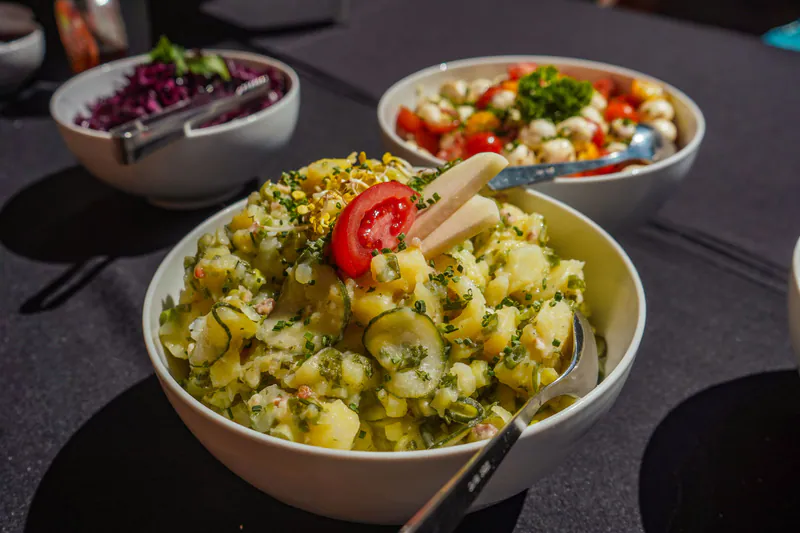
Swabian potato salad
 German · 1 h 10 min · 224 kcal · Vegan
Bratkartoffeln
German · 35 min · 354 kcal
Laugenbrezel
German · 2 h 15 min · 253 kcal · Vegetarian
Schweinebraten (Bavarian roast pork)
German · 3 h 35 min · 713 kcal