
 Punjabi · Indian · Main courses
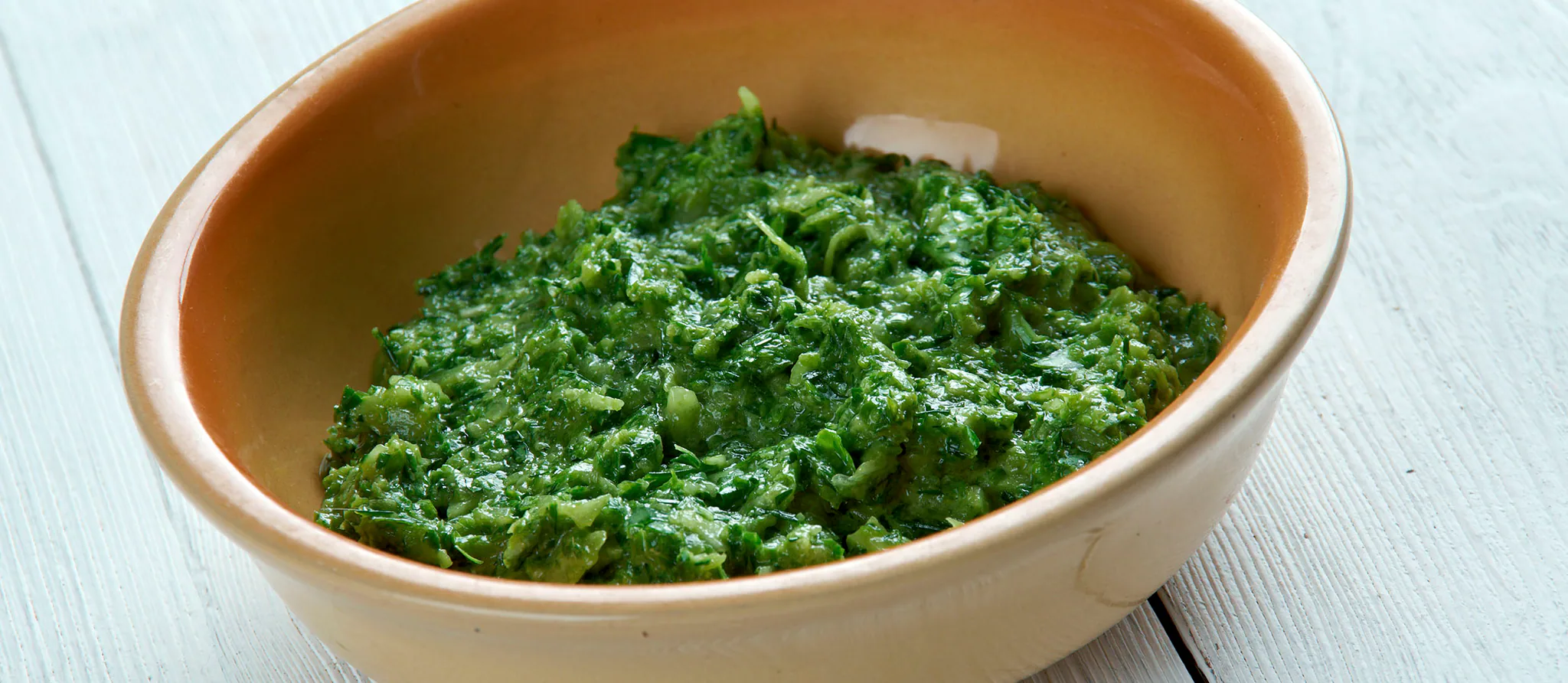
Sarson ka saag (Punjabi slow-cooked mustard greens)
Vegetarian
ਸਰ੍ਹੋਂ ਦਾ ਸਾਗ · sarhõ dā sāg
Mustard leaves cooked slowly with spinach, fenugreek, ginger, garlic and green chilli, churned to a coarse, silky purée, thickened with maize flour and finished with a ghee tadka and a lump of white butter. Punjab's great winter dish, eaten with makki di roti.
Sarson ka saag (Punjabi slow-cooked mustard greens) is a Punjabi main course from India, ready in about 2 hours and made with mustard greens, spinach and cornmeal. It serves 4 and is rated easy to cook.
- Prep
- 30 min
- Cook
- 1 h 30 min
- Total
- 2 h
- Serves
- 4
- Level
- Easy
- Calories
- 292
Main ingredients
Ingredients
For the greens
For the tadka
To serve
Method
Greens
1 h 38 minStep 1
Wash the greens in several changes of water until no grit remains. Put the mustard greens (opens in a new tab), spinach (opens in a new tab), fenugreek, ginger, garlic (opens in a new tab), green chillies, water and salt in a heavy pot.
Step 2
Cover and cook over low heat for about 1 hour, stirring now and then, until the greens are very soft and dark (or 4–5 whistles in a pressure cooker).
- 60 min
- low heat
Step 3
Churn the greens with a hand blender (opens in a new tab), or the traditional wooden mathani, to a coarse purée — not completely smooth.
Step 4
Sprinkle in the maize flour, stirring hard to prevent lumps, and simmer uncovered for 15–20 minutes, stirring often, until the saag is thick and glossy and no longer tastes of raw flour.
- 20 min
- low heat
- Wooden spoon (opens in a new tab)
Food safety: Thick saag spits as it bubbles; partly cover the pot and stir with a long spoon.
Tadka
10 minStep 5
For the tadka, heat the ghee (opens in a new tab) and add the cumin, then the onion (opens in a new tab), and fry until golden. Add the garlic (opens in a new tab), ginger and green chilli (opens in a new tab) and fry until the garlic is golden; take off the heat and stir in the chilli powder.
- 10 min
- medium heat
- Frying pan / skillet (opens in a new tab)
To serve
5 minStep 6
Pour the tadka into the saag, stir and simmer for 5 minutes more. Serve hot with a generous lump of butter (opens in a new tab) on each portion.
- 5 min
- low heat
At a glance
1 · Greens in a pan
 Mustard greens
 Spinach
- Fresh fenugreek leaves
 Fresh ginger
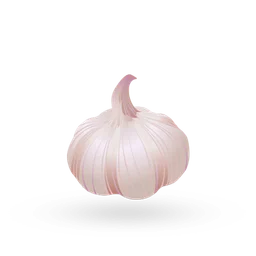 Garlic
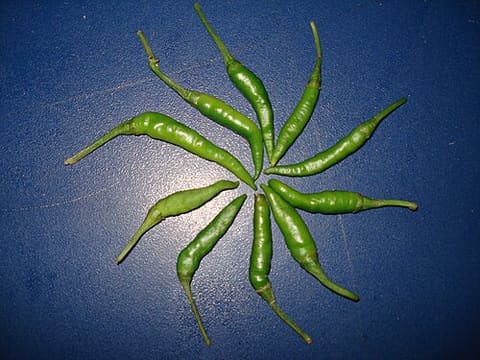 Green chilli
 Salt
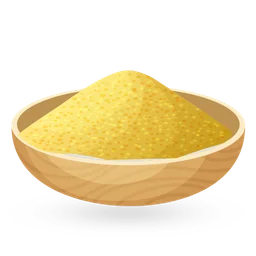 Cornmeal
then heat
2 · Tadka in a pan
 Ghee
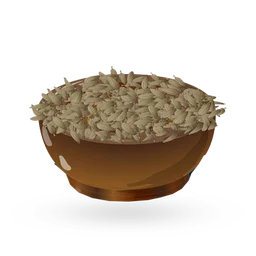 Cumin seeds
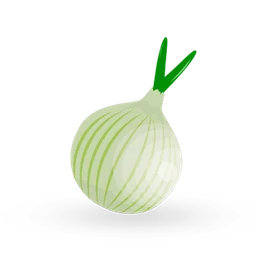 Onion
- Garlic
- Fresh ginger
- Green chilli
- Cayenne / chilli powder
then pour
3 · To serve in a pan
 Butter
About this dish
- Origin
- Punjab, India · Well documentedMade across Indian and Pakistani Punjab, Haryana and Himachal in the mustard season (roughly November to February). Bathua (lamb's quarters) is often added with the spinach.Also popular in PakistanMore food from India
India - Dish
- Lunch · Dinner · Main courses · Side dishes
- Cooking method
- Simmered, Slow-cooked, Blended
- Taste
- earthy, peppery, buttery, bitter
- Diet
- Vegetarian (lacto-ovo) · No gluten ingredients · No nut ingredients · Low-carb · High-fibreWorked out from the ingredients. How labels work
All labels
Vegetarian (lacto-ovo) · Eggetarian · Lacto-vegetarian · Pescatarian · Flexitarian-friendly · Whole-food focused · No gluten ingredients · Egg-free · No nut ingredients · No added sugar · Alcohol-free · Pork-free · Beef-free · Low-carb · High-fibre · Carb-conscious - Good for
- Make-ahead · Freezer-friendly
- Cook more with
- Mustard greens · Spinach · Cornmeal · Fresh ginger · Garlic · Green chilli
- Techniques
- Simmering · Pressure cooking · Tadka (tempering) · Wet grinding · Emulsification
Allergens
- Contains: Milkfrom ghee, butter
Based on typical versions of these ingredients and not verified allergen-free. Brands differ and cross-contact happens, so always check labels. For severe allergies, follow your clinician’s advice.
Nutrition
292 kcal per serving
Calculated1 serving ≈ 410 g · recipe makes 4
Where the energy comes from
- Protein 12%
- Carbohydrate 32%
- Fat 56%
| Nutrient | Per serving | Per 100 g* |
|---|---|---|
| Energy | 292 kcal | 71 kcal |
| Protein | 9.3 g | 2.3 g |
| Carbohydrate | 25.7 g | 6.3 g |
| Net carbohydrate | 16.7 g | 4.1 g |
| Sugars | 4.6 g | 1.1 g |
| Added sugars | 0 g | 0 g |
| Fibre | 9 g | 2.2 g |
| Fat | 19.7 g | 4.8 g |
| Saturated fat | 11.5 g | 2.8 g |
| Trans fat | 0.3 g | 0.1 g |
| Cholesterol | 47 mg | 12 mg |
| Sodium | 1034 mg | 252 mg |
| Salt equivalent | 2.6 g | 0.6 g |
Vitamins & minerals per serving
- Potassium
- 1248 mg
- Calcium
- 320 mg
- Iron
- 5.4 mg
- Magnesium
- 132 mg
- Vitamin A (RAE)
- 739 µg
- Vitamin C
- 170 mg
- Vitamin D
- 0 µg
- Vitamin B12
- 0 µg
- Folate (DFE)
- 154 µg
How these numbers were made
- Calculated from USDA FoodData Central (SR Legacy) per-100 g values and the listed quantities.
- *Per 100 g of combined raw ingredients; the cooked dish may weigh more or less.
- Optional ingredients are not included: fresh fenugreek leaves, cumin seeds.
- “—” means the value isn’t known for enough of the ingredients; it is never zero by default.
- Values are estimates for guidance, not for medical dosing. U.S. Department of Agriculture, Agricultural Research Service. FoodData Central, 2019. fdc.nal.usda.gov.
Good to know
Tips
- The saag tastes better the next day; Punjabi households often make a big pot and reheat it with fresh ghee or butter.
- If the mustard is very pungent or bitter, increase the spinach.
Common mistakes
- Blending to a smooth paste — the saag should keep some texture.
- Skimping on the slow cook; under-cooked mustard greens taste raw and harsh.
Serve with
- Serve with makki di roti, white butter, jaggery, raw onion and a glass of lassi or buttermilk.
Storage
- Keeps 4 days refrigerated, or freeze in portions for up to 3 months.
Reheating
- Reheat with a splash of water and a spoon of ghee until bubbling hot.
Variations
- Uttar Pradesh style: Finished with tomato and a spoonful of yoghurt to soften the bitterness of the greens.
- Saag with turnip or radish: Chopped turnip or radish and its leaves are cooked with the greens for extra sweetness and bite.
Original editorial recipe · FriendsPantry editorial · source: TasteAtlas (dish facts) · Not yet independently reviewed · Added
Recipe DNA
How this dish is built
Built from the recipe’s own sections. Each band’s width is its share of the dish by weight. Choose a component to see what it does.
Spices bloomed in hot fat
For the tadka
- Ghee3 tbsp · 40 g
- Cumin seeds (optional)0.5 tsp · 1.1 g
- Onion, finely chopped1 piece · 110 g
- Garlic, finely chopped4 clove · 16 g
- Fresh ginger, finely chopped10 g
- Green chilli, chopped1 piece · 6 g
- Cayenne / chilli powder0.5 tsp · 0.9 g
Reviews & corrections
Reviews come from signed-in cooks and appear after a moderator checks them. We never show made-up ratings.
You might also like
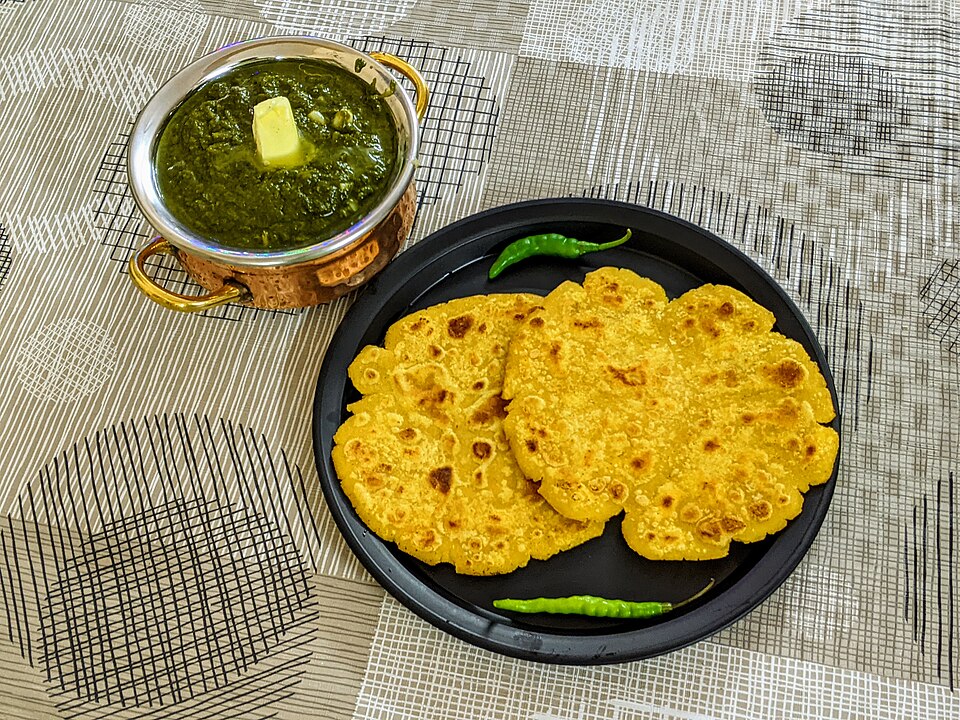
Makki di roti
Punjabi · 55 min · 190 kcal · VegetarianTofu and chickpea saag
Indian · 50 min · 448 kcal · Vegan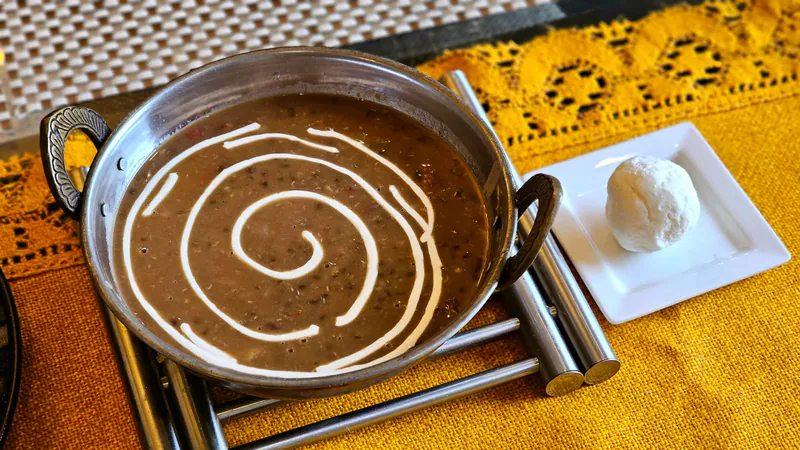
Dal makhani
Punjabi · 2 h · 390 kcal · Vegetarian
Chana masala
Punjabi · 50 min · 316 kcal · Vegan