
Vegetables · Root vegetables
Jicama
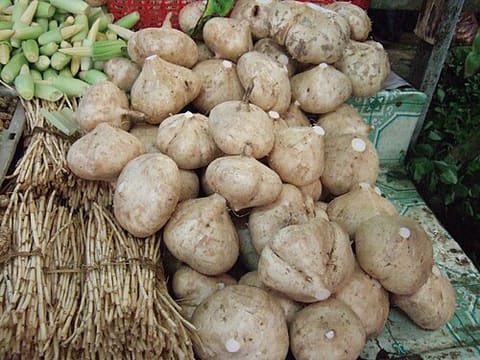
Round root with tan skin and crisp, juicy, sweet white flesh, eaten raw in salads and with lime and chilli.
Also called: yam bean, yambean, mexican turnip, bangkuang, singkamas
Around the world: jícama (es) · sengkuang, bengkuang (ms) · singkamas (tl)
Photo: Midori, via Wikimedia Commons (CC-BY-SA-3.0)
What it is
Jicama (yam bean) is a turnip-shaped root with thin, papery, light-brown skin and white flesh that is crunchy and juicy like a cross between an apple and water chestnut. It is mostly eaten raw. Only the root is edible; other parts of the plant are toxic.
Pachyrhizus erosus
How it’s used
- Sticks with lime, salt and chilli
- Shredded into salads and slaws
- Filling for spring rolls and popiah
- Indonesian rujak fruit salad
- Lightly stir-fried
Characteristics
- Taste
- Mild, sweet and nutty.
- Texture
- Very crisp and juicy.
- When cooked
- Stays crunchy even when lightly cooked and does not brown when cut.
- Sold as
- fresh
- Cooking uses
- Usually eaten raw, Commonly cooked
- Common in
- Mexican, Filipino, Indonesian, Malaysian, Vietnamese, Singaporean
Storage
Cool, dry and dark. Keep whole in a cool, dry place; refrigerate cut pieces wrapped.
Diet, allergens and safety
No major allergens in typical versions.
- Vegetarian
- Vegan
- Dairy-free
- Egg-free
- Gluten-free
- Nut-free
- Soy-free
- Caffeine-free
- Eat only the root; the skin, leaves, seeds and pods contain natural toxins.
Nutrition per 100 g
- Energy
- 38 kcal
- Protein
- 0.72 g
- Carbohydrate
- 8.82 g
- Fat
- 0.09 g
- Fibre
- 4.9 g
- Sugars
- 1.8 g
USDA FoodData Central: Yambean (jicama), raw.
Substitutes
Optional — what works if you don’t have it, and how it changes the dish.
Related ingredients
Recipes with jicama
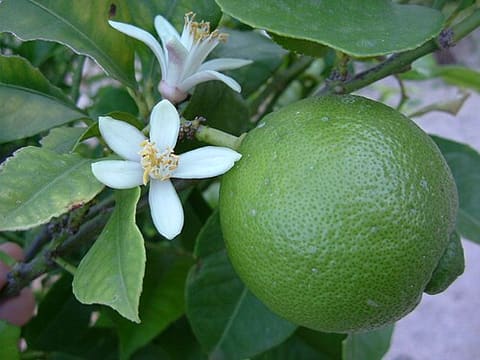
Fruta picada con chile
 Mexican · 15 min · 133 kcal · Vegan
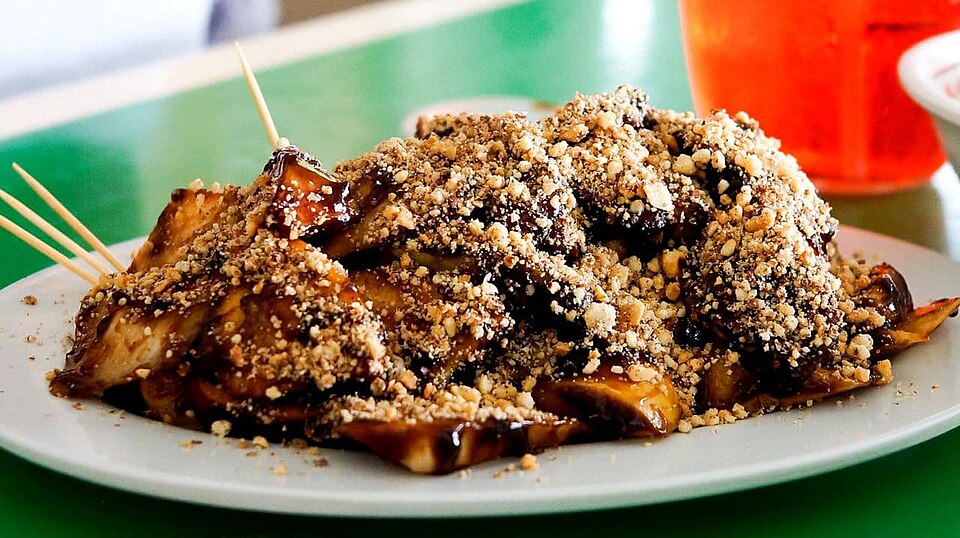
Rojak buah
 Malaysian · 25 min · 193 kcal
More root vegetables
Root vegetables
Potato
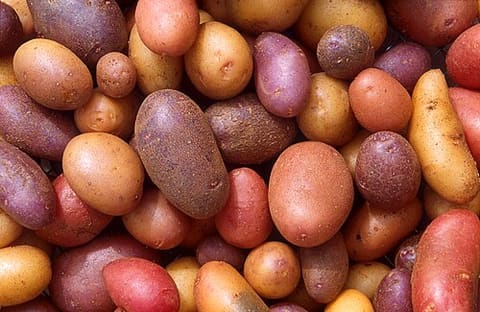
Starchy tuber with thin skin and pale flesh, eaten boiled, mashed, roasted, fried or simmered in curries worldwide.
225 recipes
Root vegetables
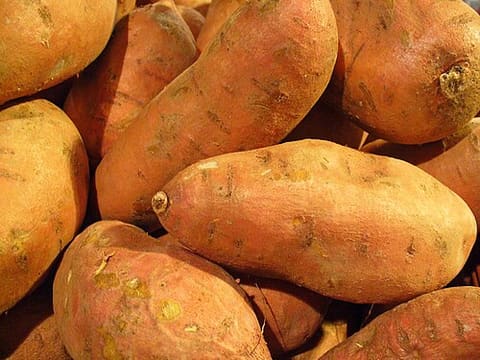
Sweet potato
Sweet, orange- or pale-fleshed root that roasts, mashes and bakes well; not a true yam despite the US nickname.
19 recipes
Root vegetables
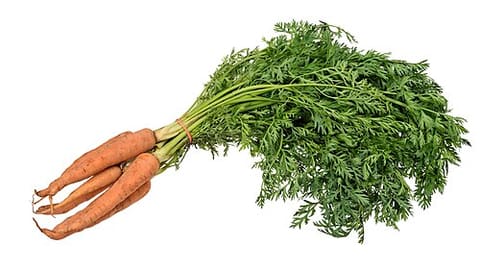
Carrot
Crunchy orange root, sweet raw or cooked, used in salads, stews, stocks, curries and cakes.
183 recipes
Root vegetables
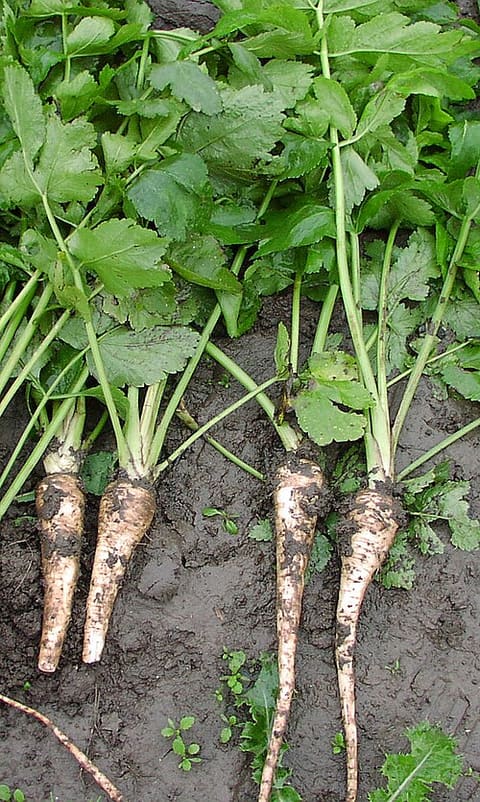
Parsnip
Cream-coloured carrot-like root with sweet, nutty, aromatic flesh; best roasted, mashed or in soups.
11 recipes
Root vegetables
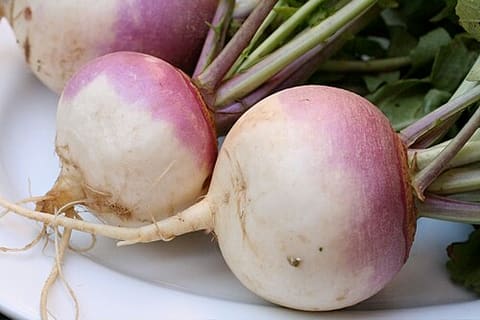
Turnip
Round white root with a purple top and peppery flesh, cooked in stews, curries and pickles.
9 recipes
Root vegetables
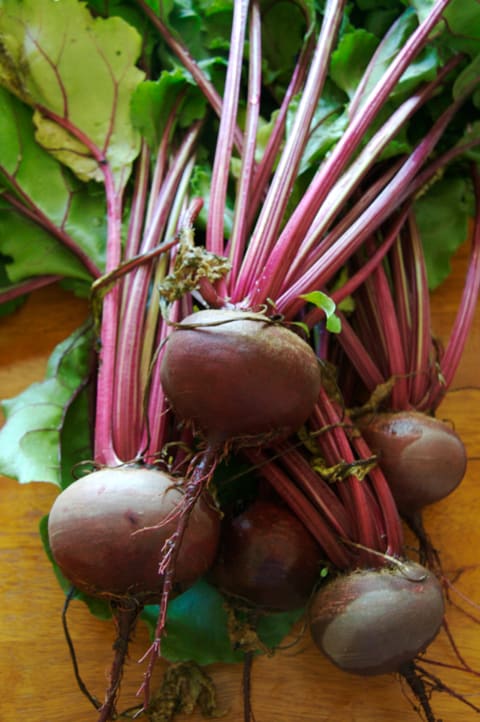
Beetroot
Earthy, sweet root with deep red flesh, roasted, boiled, pickled or grated raw into salads.
12 recipes
Root vegetables
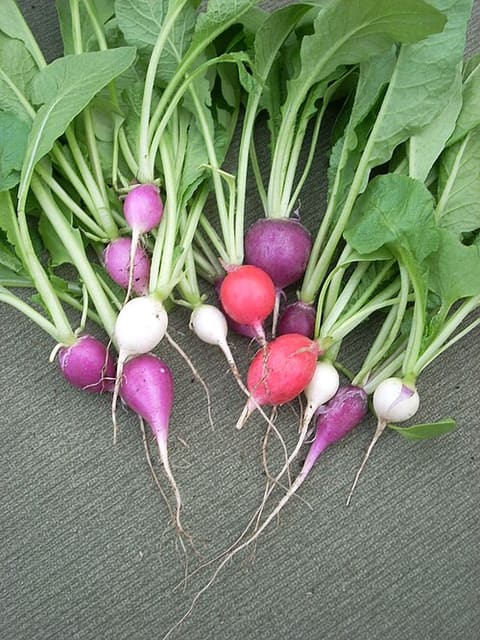
Radish
Small, crisp red or pink root with a peppery bite, mostly eaten raw in salads or as a crunchy garnish.
27 recipes
Root vegetables
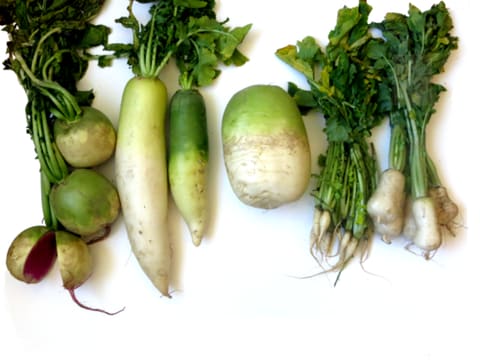
Daikon
Long white radish (mooli) with juicy, mildly peppery flesh, eaten raw, pickled, braised or stuffed into parathas.
23 recipes