
Pirukas (Estonian filled buns)
Non-vegetarian
pirukas · plural: pirukad
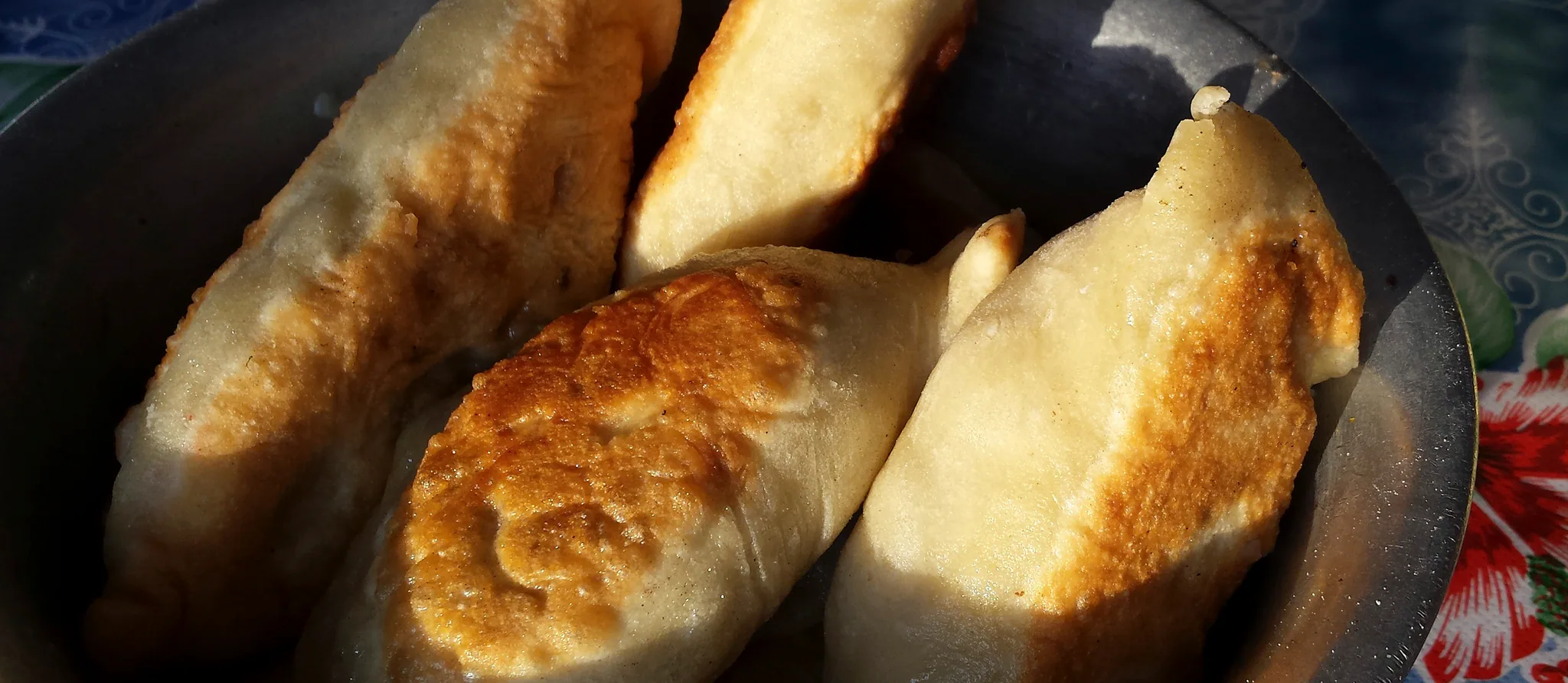
Soft, golden yeast-dough pockets filled with minced meat, rice and egg and baked until glossy: the snack Estonians buy in every bakery and make at home by the trayful. Fillings range from meat to cabbage, carrot, mushroom or rice.
Pirukas (Estonian filled buns) is an Estonian pastry, ready in about 2 hours 55 minutes and made with all-purpose flour and ground pork. It serves 8 and is rated intermediate to cook.
- Prep
- 50 min
- Cook
- 35 min
- Rest
- 1 h 30 min
- Total
- 2 h 55 min
- Serves
- 8
- Level
- Intermediate
- Calories
- 561
Main ingredients
Ingredients
For the dough
For the filling
To glaze
Method
Dough
12 minStep 1
Whisk the milk (opens in a new tab), yeast and sugar (opens in a new tab), then add the flour, salt, egg (opens in a new tab) and melted butter (opens in a new tab) and knead for 8–10 minutes to a soft, smooth dough. Cover and leave to rise until doubled, about 1 hour.
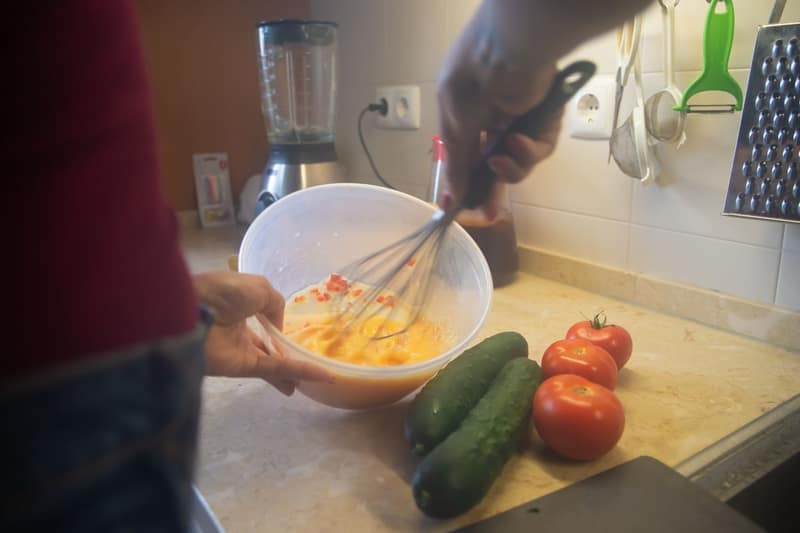
How it looks · Photo: Kampus Production on Pexels
Filling
53 minStep 2
Meanwhile, fry the onion (opens in a new tab) in the oil until soft, add the pork and beef and cook, breaking it up, until browned and cooked through, about 10 minutes. Season, cool, then mix in the cooked rice, chopped eggs (opens in a new tab) and dill (opens in a new tab).
- 15 min
- medium heat
- Frying pan / skillet (opens in a new tab)
Food safety: Cook minced meat, patties and fresh sausages until they reach at least 71 °C in the centre, with no pink juices.
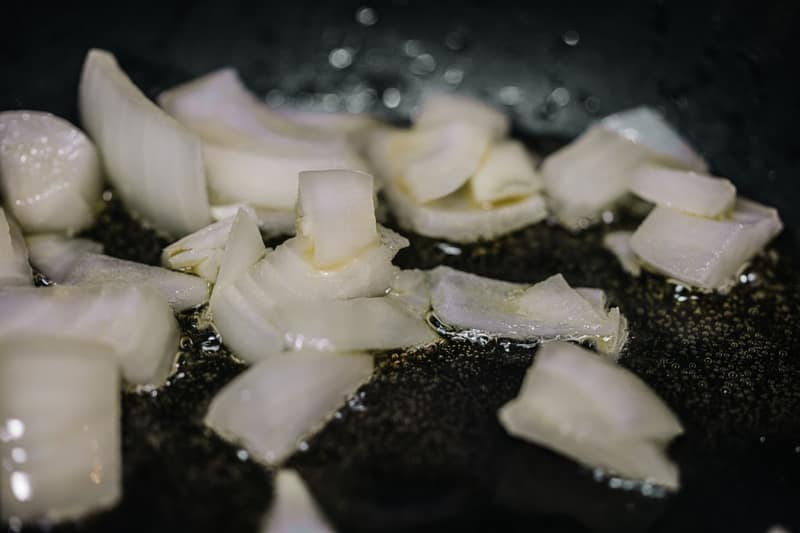
How it looks · Photo: Magda Ehlers on Pexels Step 3
Divide the dough into 20 pieces. Roll each into an oval about 12 cm long, put a heaped tablespoon of filling in the middle, fold over and pinch the edges firmly into a half moon or an oblong with the seam underneath.
Step 4
Place on lined trays, cover and prove for 30 minutes. Heat the oven (opens in a new tab) to 200 °C.
Step 5
Brush with beaten egg (opens in a new tab) and bake for 15–18 minutes until deep golden. Cover with a cloth for 10 minutes so the crust softens.
At a glance
1 · Dough in a bowl
 All-purpose flour
 Milk
 Instant yeast
 Sugar
 Salt
 Egg
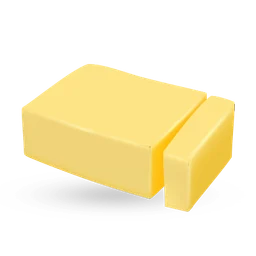 Butter
then fry
2 · Filling in a bowl
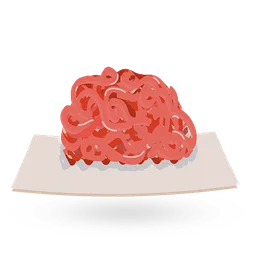 Ground pork
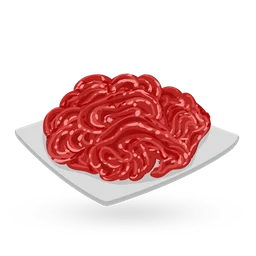 Ground beef
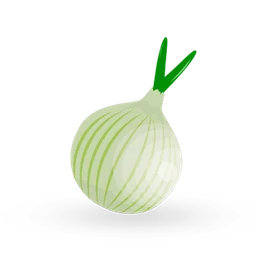 Onion
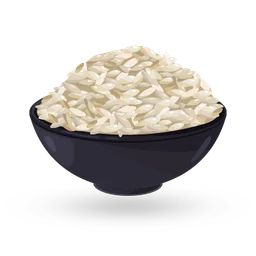 Long-grain white rice
- Egg
 Dill
- Salt
 Black pepper
 Neutral vegetable oil
About this dish
- Origin
- Estonia · Well documentedPirukad come in small baked (küpsetatud), small fried (praetud) and large sheet (plaadipirukas) versions; the large ones are typically filled with meat, cabbage or carrot.More food from Estonia
Estonia - Dish
- Snack · Lunch · Pastries · Finger food · Savoury pies & tarts
- Cooking method
- Oven-baked, Pan-fried
- Taste
- savoury, buttery, mild
- Diet
- No nut ingredients · High-proteinWorked out from the ingredients. How labels work
All labels
Non-vegetarian · No nut ingredients · Alcohol-free · High-protein - Good for
- Make-ahead · Freezer-friendly · Portable / lunchbox · Child-friendly
- Cook more with
- All-purpose flour · Ground pork · Milk · Instant yeast · Sugar · Egg
- Techniques
- Baking · Pan-frying · Kneading · Fermentation
Allergens
- Contains: Milkfrom milk, butter
- Contains: Eggsfrom egg
- Contains: Wheatfrom all-purpose flour
- Contains: Glutenfrom all-purpose flour
Based on typical versions of these ingredients and not verified allergen-free. Brands differ and cross-contact happens, so always check labels. For severe allergies, follow your clinician’s advice.
Nutrition
561 kcal per serving
Calculated1 serving ≈ 219 g · recipe makes 8
Where the energy comes from
- Protein 16%
- Carbohydrate 42%
- Fat 41%
| Nutrient | Per serving | Per 100 g* |
|---|---|---|
| Energy | 561 kcal | 256 kcal |
| Protein | 22.8 g | 10.4 g |
| Carbohydrate | 58.7 g | 26.8 g |
| Net carbohydrate | 56.4 g | 25.7 g |
| Sugars | — | — |
| Added sugars | 1.6 g | 0.7 g |
| Fibre | 2.3 g | 1 g |
| Fat | 25.3 g | 11.5 g |
| Saturated fat | 11 g | 5 g |
| Trans fat | — | — |
| Cholesterol | 161 mg | 74 mg |
| Sodium | 737 mg | 336 mg |
| Salt equivalent | 1.8 g | 0.8 g |
Vitamins & minerals per serving
- Potassium
- 367 mg
- Calcium
- 78 mg
- Iron
- 4.7 mg
- Magnesium
- 36 mg
- Vitamin A (RAE)
- 125 µg
- Vitamin C
- 1 mg
- Vitamin D
- —
- Vitamin B12
- 1.3 µg
- Folate (DFE)
- 251 µg
How these numbers were made
- Calculated from USDA FoodData Central (SR Legacy) per-100 g values and the listed quantities.
- *Per 100 g of combined raw ingredients; the cooked dish may weigh more or less.
- Optional ingredients are not included: dill.
- “—” means the value isn’t known for enough of the ingredients; it is never zero by default.
- Values are estimates for guidance, not for medical dosing. U.S. Department of Agriculture, Agricultural Research Service. FoodData Central, 2019. fdc.nal.usda.gov.
Good to know
Tips
- Let the filling cool fully before shaping, or it will make the dough soggy.
Common mistakes
- Under-sealing the edges, so the buns open in the oven.
Serve with
- Serve with a bowl of clear bouillon or with kefir as a quick lunch.
- Pack them cold for picnics and journeys.
Storage
- Keep 2 days in a bag at room temperature or 3 months frozen.
Reheating
- Warm in a 180 °C oven for 8 minutes.
Variations
- Kapsapirukad: Filled with braised white cabbage, carrot and onion.
- Praetud pirukad: Small pirukad fried in oil instead of baked.
- Plaadipirukas: A large sheet pie with a meat, cabbage or carrot filling, cut into squares.
Original editorial recipe · FriendsPantry editorial · source: TasteAtlas (dish facts) · Not yet independently reviewed · Added
Recipe DNA
How this dish is built
Reviews & corrections
Reviews come from signed-in cooks and appear after a moderator checks them. We never show made-up ratings.
You might also like
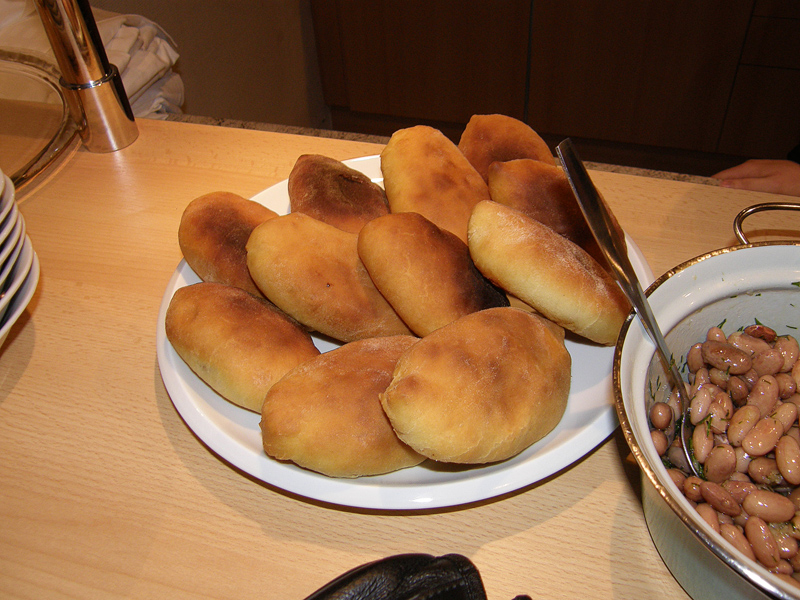
Pirozhki with cabbage and egg
 Russian · 2 h 55 min · 203 kcal · Contains egg
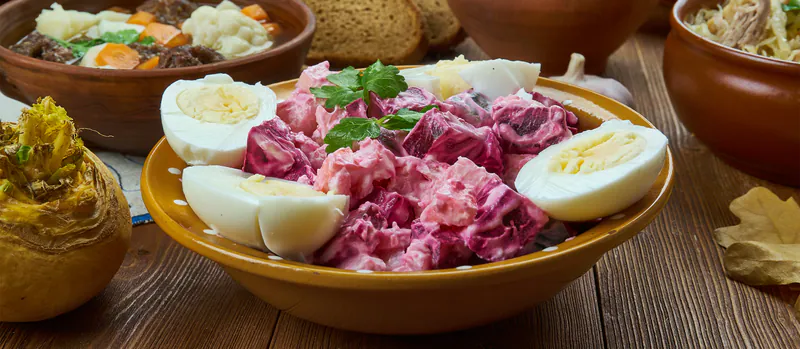
Rosolje
 Estonian · 2 h 15 min · 247 kcal
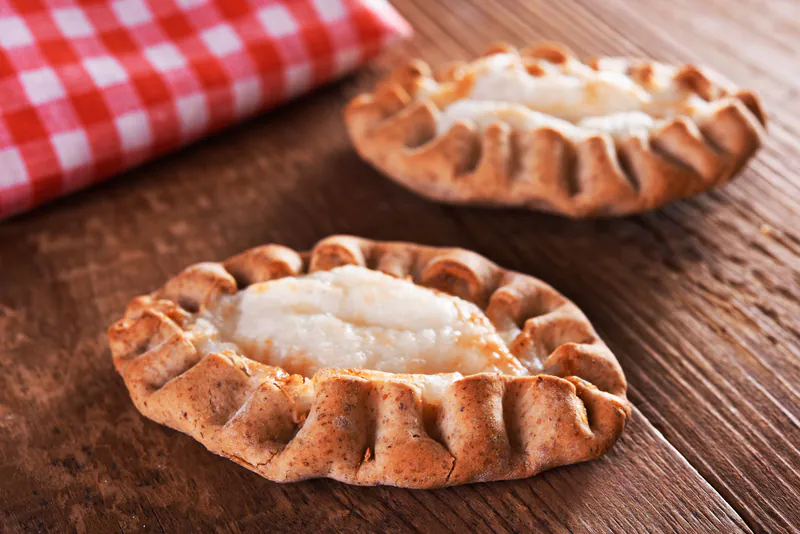
Karjalanpiirakka
 Finnish · 1 h 50 min · 250 kcal · Egg optional
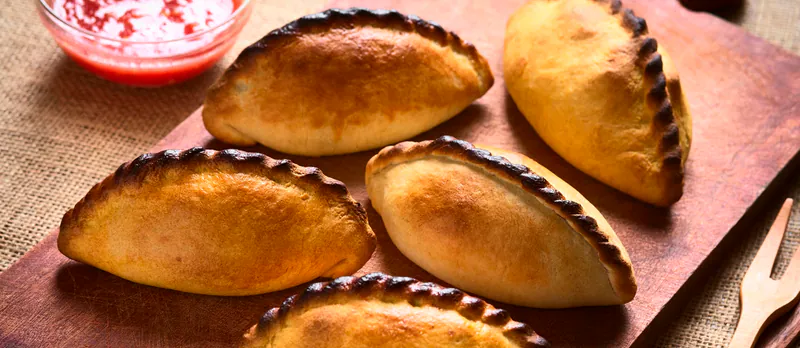
Salteñas
 Bolivian · 6 h 15 min · 646 kcal