
Negitorodon (fatty tuna and spring onion rice bowl)
Non-vegetarian
ネギトロ丼 · negitoro-don
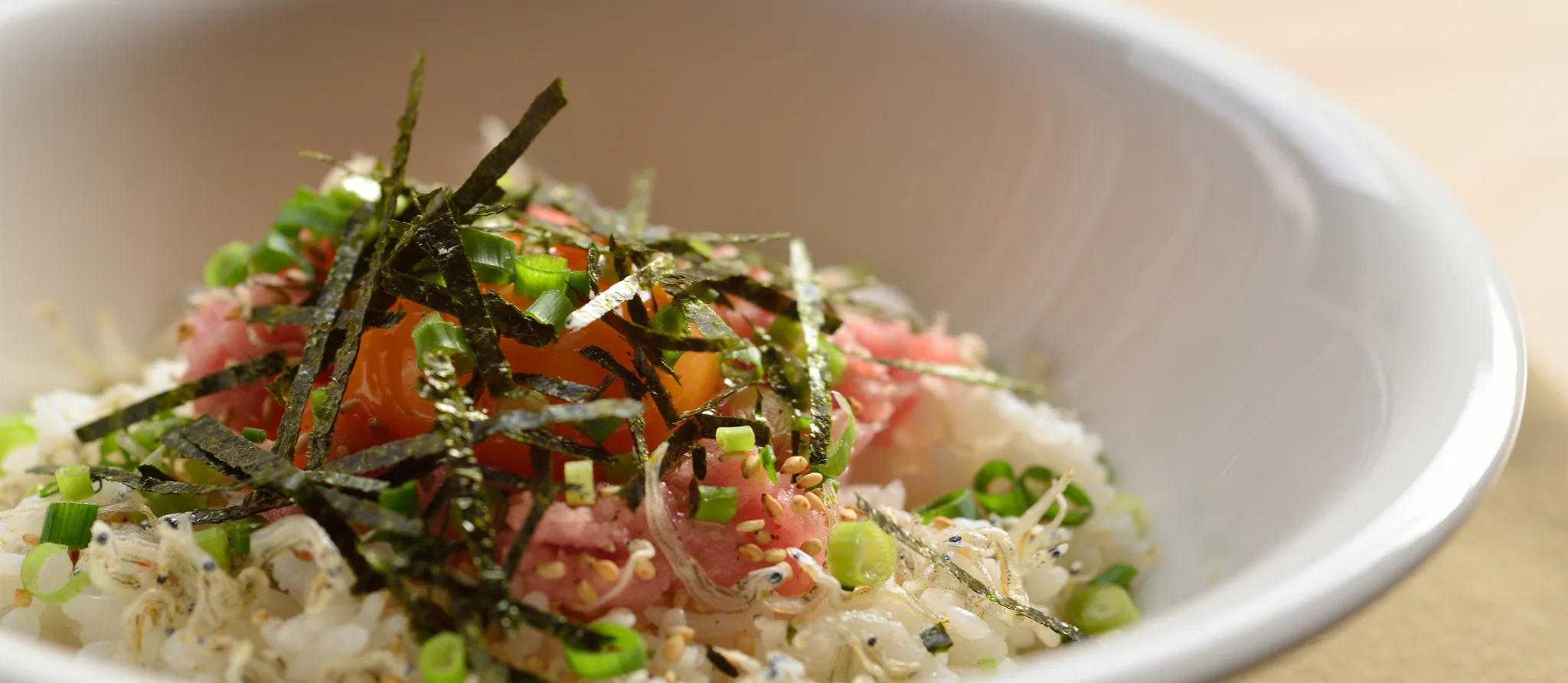
Silky, finely chopped fatty tuna mixed with spring onion and a touch of soy, piled onto warm rice with strips of nori, a raw egg yolk and wasabi. A mild, quick donburi loved across Japan.
Negitorodon (fatty tuna and spring onion rice bowl) is a Japanese rice dish, ready in about 45 minutes and made with short-grain rice, tuna and spring onion. It serves 2 and is rated easy to cook.
- Prep
- 15 min
- Cook
- 20 min
- Rest
- 10 min
- Total
- 45 min
- Serves
- 2
- Level
- Easy
- Calories
- 731
Main ingredients
Ingredients
For the rice
For the negitoro
To serve
Method
Rice
22 minStep 1
Soak the rinsed rice in the water for 30 minutes if you have time, then cook it in a rice cooker (opens in a new tab) or covered pan (12 minutes on low after it boils) and let it steam off the heat for 10 minutes. If you like, fold in the rice vinegar (opens in a new tab) mixed with the sugar (opens in a new tab).
- 22 min
- low heat
- Rice cooker (opens in a new tab)
Food safety: Cooked rice can carry Bacillus cereus spores that survive cooking; cool leftover rice quickly and refrigerate it within an hour.
Negitoro
7 minStep 2
Keep the tuna (opens in a new tab) well chilled. Chop it finely with a sharp knife, then scrape and chop again until it is a soft, sticky paste with a few small pieces left for texture.
Food safety: Eat raw fish only if it is sold as sashimi-grade and has been frozen to kill parasites (−20 °C for 7 days or −35 °C for 15 hours); keep it cold and serve it within hours.
Step 3
Mix the tuna (opens in a new tab) with most of the spring onion (opens in a new tab) and the soy sauce (opens in a new tab).
To serve
3 minStep 4
Divide the warm rice between two bowls and scatter over the nori (opens in a new tab) strips. Mound the negitoro on top, make a hollow in the centre and slip in an egg yolk (opens in a new tab). Finish with the remaining spring onion (opens in a new tab), sesame seeds (opens in a new tab) and a dab of wasabi (opens in a new tab); serve with extra soy sauce (opens in a new tab).
- 3 min
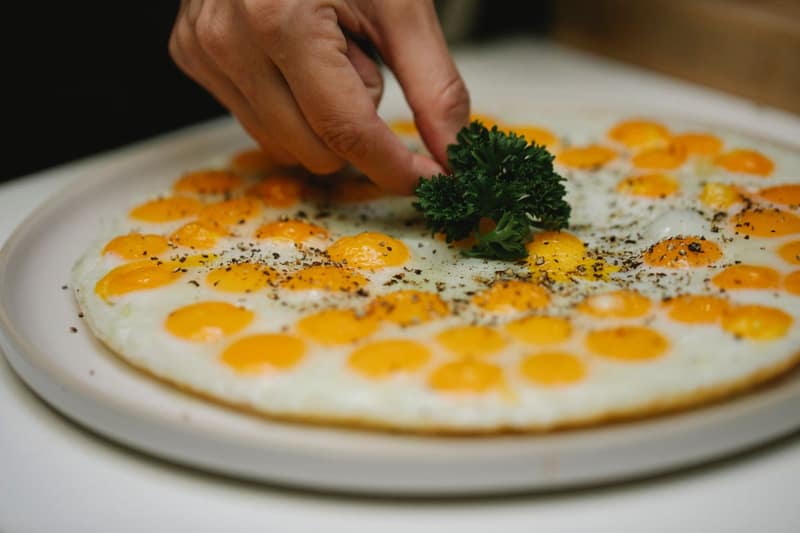
How it looks · Photo: Klaus Nielsen on Pexels
At a glance
1 · Rice in a pot
 Short-grain rice
 Rice vinegar
 Sugar
then keep
2 · Negitoro in a bowl
 Tuna
 Spring onion
 Soy sauce
then divide
3 · To serve in a bowl
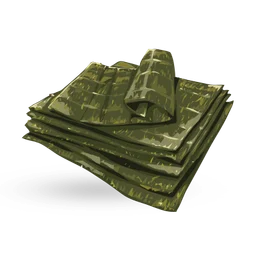 Nori
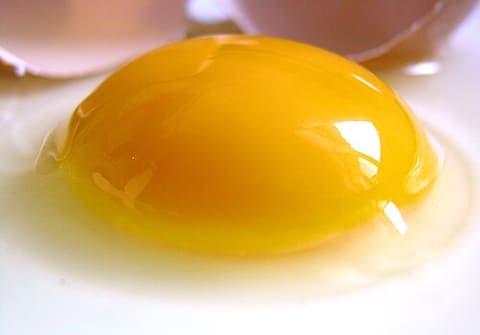 Egg yolk
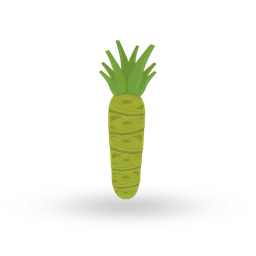 Wasabi
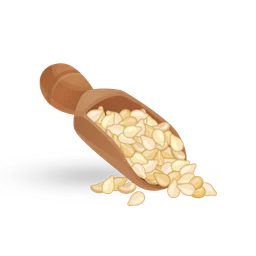 Sesame seeds
About this dish
- Origin
- Japan · Commonly attributedNegitoro was born in Tokyo sushi bars in the 1960s, using the fatty tuna scraped from around the bones (naka-ochi); 'negi' means spring onion.More food from Japan
Japan - Dish
- Lunch · Dinner · Rice dishes · Main courses
- Cooking method
- Raw, Boiled
- Taste
- umami, mild, rich, fresh
- Diet
- Pescatarian · Dairy-free · No nut ingredients · High-proteinWithout the optional extras: Egg-free, No added sugarWorked out from the ingredients. How labels work
All labels
Pescatarian · Non-vegetarian · Dairy-free · No nut ingredients · Alcohol-free · Pork-free · Beef-free · High-protein · Low-fat - Good for
- Everyday
- Cook more with
- Short-grain rice · Tuna · Spring onion · Soy sauce · Nori · Wasabi
- Techniques
- Boiling
Allergens
- Contains, can be adapted: Eggsfrom egg yolk
- Contains: Fishfrom tuna
- Contains: Wheatfrom soy sauce
- Contains: Glutenfrom soy sauce
- Contains: Soyfrom soy sauce
- Contains: Sesamefrom sesame seeds
- May contain: Mustardfrom wasabi
Based on typical versions of these ingredients and not verified allergen-free. Brands differ and cross-contact happens, so always check labels. For severe allergies, follow your clinician’s advice.
Nutrition
731 kcal per serving
Calculated1 serving ≈ 528 g · recipe makes 2
Where the energy comes from
- Protein 28%
- Carbohydrate 69%
- Fat 3%
| Nutrient | Per serving | Per 100 g* |
|---|---|---|
| Energy | 731 kcal | 139 kcal |
| Protein | 48.7 g | 9.2 g |
| Carbohydrate | 122.8 g | 23.3 g |
| Net carbohydrate | — | — |
| Sugars | — | — |
| Added sugars | 0 g | 0 g |
| Fibre | — | — |
| Fat | 2.4 g | 0.5 g |
| Saturated fat | 0.6 g | 0.1 g |
| Trans fat | — | — |
| Cholesterol | 59 mg | 11 mg |
| Sodium | 1012 mg | 192 mg |
| Salt equivalent | 2.5 g | 0.5 g |
Vitamins & minerals per serving
- Potassium
- 952 mg
- Calcium
- 72 mg
- Iron
- 3.2 mg
- Magnesium
- 116 mg
- Vitamin A (RAE)
- —
- Vitamin C
- 7 mg
- Vitamin D
- 2.6 µg
- Vitamin B12
- 3.1 µg
- Folate (DFE)
- 33 µg
How these numbers were made
- Calculated from USDA FoodData Central (SR Legacy) per-100 g values and the listed quantities.
- *Per 100 g of combined raw ingredients; the cooked dish may weigh more or less.
- Optional ingredients are not included: rice vinegar, sugar, egg yolk.
- “—” means the value isn’t known for enough of the ingredients; it is never zero by default.
- Values are estimates for guidance, not for medical dosing. U.S. Department of Agriculture, Agricultural Research Service. FoodData Central, 2019. fdc.nal.usda.gov.
Good to know
Tips
- Frozen negitoro is sold in blocks in Japanese supermarkets; thaw it in the fridge and use it the same day.
Common mistakes
- Letting the tuna warm up while chopping — work quickly and return it to the fridge if needed.
Serve with
- Serve with miso soup and a few slices of pickled ginger or takuan.
Food safety
- Eat raw fish only if it is sold as sashimi-grade and has been frozen to kill parasites (−20 °C for 7 days or −35 °C for 15 hours); keep it cold and serve it within hours.
- Raw or lightly cooked egg carries a small risk of Salmonella; use very fresh eggs, ideally pasteurised, and avoid serving to pregnant women, young children, older adults or anyone with a weakened immune system.
Storage
- Eat immediately; do not keep leftovers of the raw tuna mixture.
Variations
- Negitoro avocado don: Cubes of ripe avocado are added for an even creamier bowl.
- Negitoro maki: The same filling rolled in nori and sushi rice as a thin roll.
Original editorial recipe · FriendsPantry editorial · source: TasteAtlas (dish facts) · Not yet independently reviewed · Added
Recipe DNA
How this dish is built
Built from the recipe’s own sections. Each band’s width is its share of the dish by weight. Choose a component to see what it does.
The staple
For the rice
- Short-grain rice, Japanese short-grain rice, rinsed until the water runs clear300 g
- Water360 ml · 360 g
- Rice vinegar (optional)2 tbsp · 30 g
- Sugar (optional)1 tsp · 4.2 g
Reviews & corrections
Reviews come from signed-in cooks and appear after a moderator checks them. We never show made-up ratings.
You might also like
Chirashizushi (scattered sushi bowl)
 Japanese · 1 h 20 min · 582 kcal
Maguro nigiri sushi (tuna nigiri)
Japanese · 1 h 35 min · 392 kcal
Kaisendon (seafood rice bowl)
Japanese · 1 h 25 min · 763 kcal
Nigiri sushi
Japanese · 1 h 50 min · 468 kcal