
Kepiting saus Padang (crab in Padang sauce)
Non-vegetarian
Kepiting saus Padang
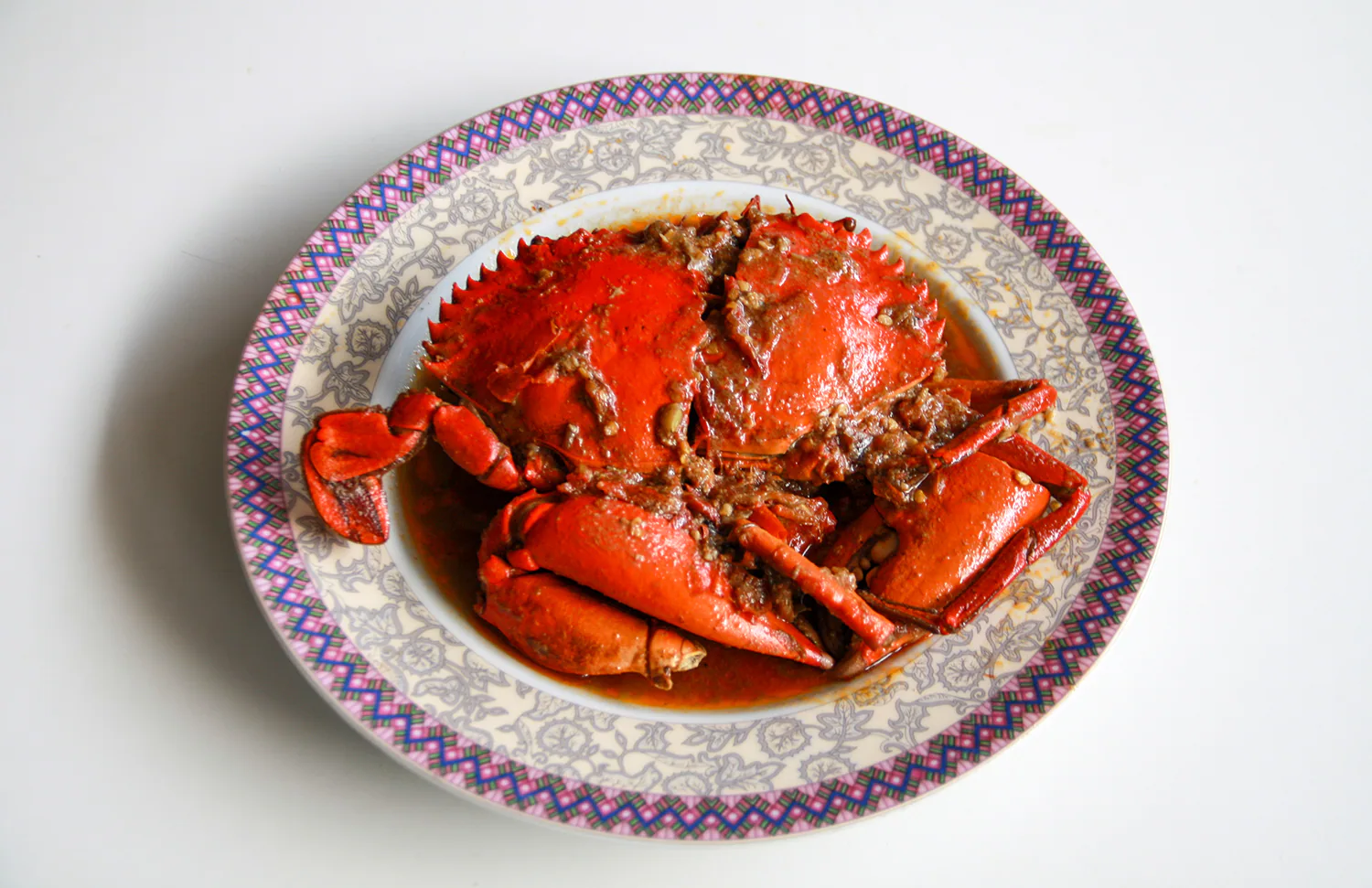
Whole mud crabs cracked into pieces and tossed in a thick, fiery red sauce built from a pounded paste of chillies, shallots, garlic, ginger, galangal, turmeric and candlenuts, fragrant with lemongrass and lime leaves. A seafood-restaurant favourite across Indonesia, eaten messily with the fingers.
Kepiting saus Padang (crab in Padang sauce) is an Indonesian main course, ready in about 1 hour 5 minutes and made with crab meat, shallot and fresh red chilli. It serves 4 and is rated intermediate to cook.
- Prep
- 40 min
- Cook
- 25 min
- Total
- 1 h 5 min
- Serves
- 4
- Level
- Intermediate
- Calories
- 372
Main ingredients
Ingredients
For the crab
For the spice paste
For the sauce
To serve
Method
Crab
27 minStep 1
Chill the live crabs (opens in a new tab) in the freezer until sluggish, then kill and clean them: lift off the top shell, remove the gills and stomach sac, rinse, and cut each body into 4 pieces. Crack the claws with the back of a heavy knife.
Food safety: To kill live crabs or lobsters quickly, chill them in the freezer for 20–30 minutes until sluggish, then split or spike them swiftly with a heavy knife through the head.
Step 2
Blanch the crab (opens in a new tab) pieces in a large pot of boiling water for 5 minutes until they just turn orange, then drain. This part-cooks them so they finish quickly in the sauce.
- 7 min
- high heat
- Stockpot / large pot (opens in a new tab)
Spice paste
5 minStep 3
Blend the shallots (opens in a new tab), garlic (opens in a new tab), chillies, ginger, galangal (opens in a new tab), turmeric (opens in a new tab), candlenuts (opens in a new tab) and tomatoes (opens in a new tab) to a fairly smooth paste, adding a splash of water if needed.
Sauce
20 minStep 4
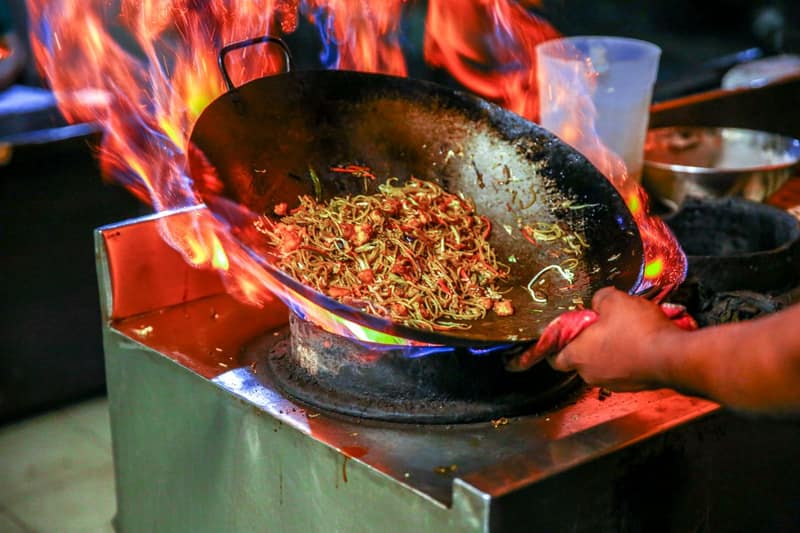
Heat the oil in a wok (opens in a new tab) and fry the sliced onion (opens in a new tab) for 2 minutes. Add the spice paste, lemongrass (opens in a new tab), lime leaves and salam leaves (opens in a new tab) and fry, stirring, until the paste darkens, smells cooked and the oil separates, 8–10 minutes.
- 10 min
- medium heat
- Wok (opens in a new tab)
Raw spice paste tastes harsh; give it the full time.
How it looks · Photo: Aesthos AR. Photography on Pexels Step 5
Stir in the oyster sauce (opens in a new tab), chilli sauce (opens in a new tab), ketchup (opens in a new tab), sugar (opens in a new tab), salt and water and bring to the boil. Add the crab (opens in a new tab) and toss to coat, then cover and cook for 6–8 minutes, turning the pieces, until the meat is opaque right through.
- 8 min
- medium-high heat
- Wok (opens in a new tab)
- Tongs (opens in a new tab)
Food safety: Buy crabs live or very freshly cooked and keep them chilled; cook until the shells are bright orange-red and the meat is opaque right through, and refrigerate leftovers within 2 hours.
Step 6
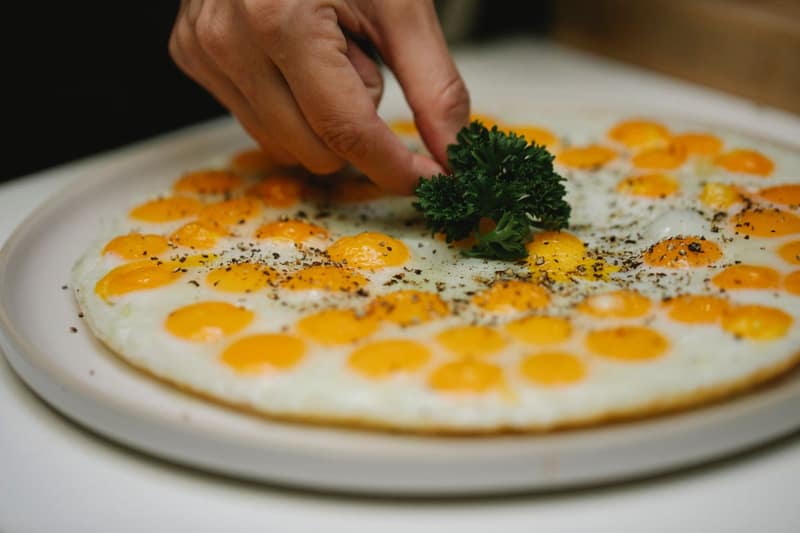
Drizzle in the beaten egg (opens in a new tab) while stirring so it sets in ribbons and thickens the sauce. Add the lime juice (opens in a new tab), taste for salt and sweetness, and scatter with spring onions (opens in a new tab).
- 2 min
- medium heat
How it looks · Photo: Klaus Nielsen on Pexels
At a glance
1 · Crab in a pot
 Crab meat
then blend
2 · Spice paste in a bowl
 Shallot
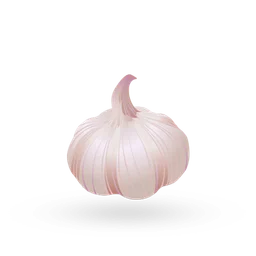 Garlic
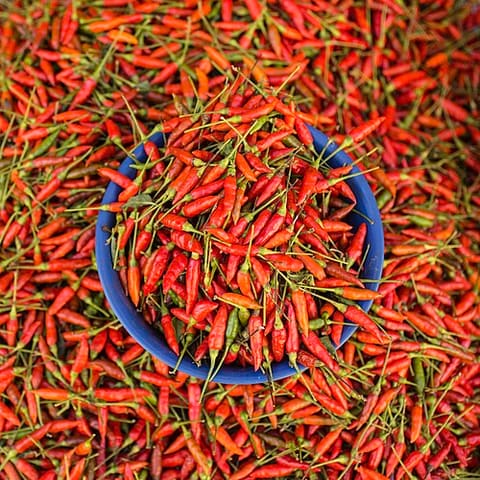 Fresh red chilli
 Fresh ginger
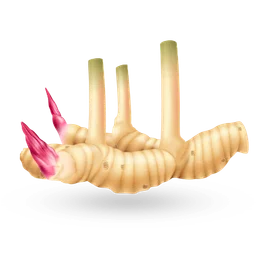 Galangal
 Turmeric
 Candlenut
 Tomato
then heat
3 · Sauce in a pan
 Neutral vegetable oil
- Onion
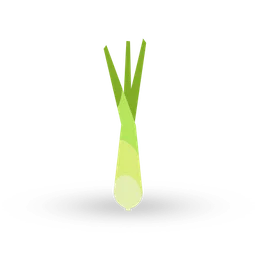 Lemongrass
 Makrut lime leaves
 Salam leaves (Indonesian bay leaves)
 Oyster sauce
 Chilli sauce (sriracha-style)
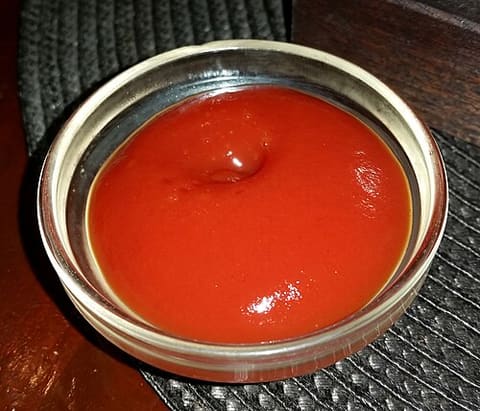 Tomato ketchup
 Sugar
 Salt
 Egg
 Lime juice
About this dish
- Origin
- Padang (West Sumatra), Indonesia · Commonly attributedNamed after the bold, chilli-heavy Minangkabau cooking of Padang; the dish as served today is a staple of seafood restaurants in Jakarta and elsewhere.Also popular in MalaysiaMore food from Indonesia
Indonesia - Dish
- Dinner · Main courses
- Cooking method
- Boiled, Stir-fried, Simmered, Blended
- Taste
- spicy (chilli heat), sweet & spicy, umami, aromatic / warmly spiced
- Diet
- Pescatarian · Dairy-free · High-proteinWithout the optional extras: Egg-freeWorked out from the ingredients. How labels work
All labels
Pescatarian · Non-vegetarian · Dairy-free · Alcohol-free · Pork-free · Beef-free · High-protein · Calorie-conscious - Good for
- Festive & celebration
- Cook more with
- Crab meat · Shallot · Fresh red chilli · Garlic · Fresh ginger · Galangal
- Techniques
- Stir-frying · Boiling · Simmering · Blanching · Bhunao
Allergens
- Contains, can be adapted: Eggsfrom egg
- Contains: Crustaceansfrom crab meat, oyster sauce
- Contains: Molluscsfrom oyster sauce
- May contain: Tree nutsfrom candlenut
- Contains: Wheatfrom oyster sauce
- Contains: Glutenfrom oyster sauce
- May contain: Soyfrom oyster sauce
- May contain: Mustardfrom tomato ketchup
- May contain: Celeryfrom tomato ketchup
Based on typical versions of these ingredients and not verified allergen-free. Brands differ and cross-contact happens, so always check labels. For severe allergies, follow your clinician’s advice.
Nutrition
372 kcal per serving
Estimated1 serving ≈ 415 g · recipe makes 4
Where the energy comes from
- Protein 26%
- Carbohydrate 32%
- Fat 42%
| Nutrient | Per serving | Per 100 g* |
|---|---|---|
| Energy | 372 kcal | 90 kcal |
| Protein | 24.8 g | 6 g |
| Carbohydrate | 30.3 g | 7.3 g |
| Net carbohydrate | 25.7 g | 6.2 g |
| Sugars | — | — |
| Added sugars | — | — |
| Fibre | 4.5 g | 1.1 g |
| Fat | 18 g | 4.3 g |
| Saturated fat | 1.6 g | 0.4 g |
| Trans fat | — | — |
| Cholesterol | 88 mg | 21 mg |
| Sodium | 1432 mg | 345 mg |
| Salt equivalent | 3.6 g | 0.9 g |
Vitamins & minerals per serving
- Potassium
- 1028 mg
- Calcium
- 176 mg
- Iron
- 3.8 mg
- Magnesium
- 87 mg
- Vitamin A (RAE)
- 54 µg
- Vitamin C
- 48 mg
- Vitamin D
- —
- Vitamin B12
- 10.2 µg
- Folate (DFE)
- 107 µg
How these numbers were made
- Calculated from USDA FoodData Central (SR Legacy) per-100 g values and the listed quantities.
- *Per 100 g of combined raw ingredients; the cooked dish may weigh more or less.
- Optional ingredients are not included: salam leaves (indonesian bay leaves), tomato ketchup, egg.
- Not counted (tiny amounts or “to taste”): makrut lime leaves.
- Galangal: Fresh ginger used as a stand-in: no galangal entry in FDC SR Legacy, and galangal is a closely related rhizome used in similar small amounts.
- Candlenut: English walnuts (FDC 170187) used as a stand-in: candlenuts are similarly oil-rich (about 60–65 % fat); no candlenut entry exists in FDC SR Legacy.
- “—” means the value isn’t known for enough of the ingredients; it is never zero by default.
- Values are estimates for guidance, not for medical dosing. U.S. Department of Agriculture, Agricultural Research Service. FoodData Central, 2019. fdc.nal.usda.gov.
Good to know
Tips
- Buy crabs live and heavy for their size; a lively crab means sweet meat.
- Ready-cooked crab claws work in a pinch; add them only to warm through.
Common mistakes
- Boiling the crab too long before saucing — the meat dries and shrinks.
Serve with
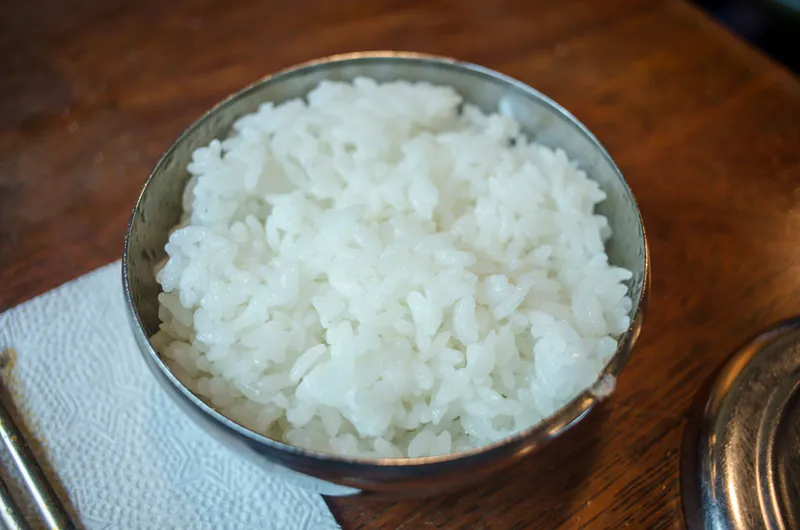
- Serve with plenty of steamed rice to mop up the sauce, finger bowls and crab crackers.
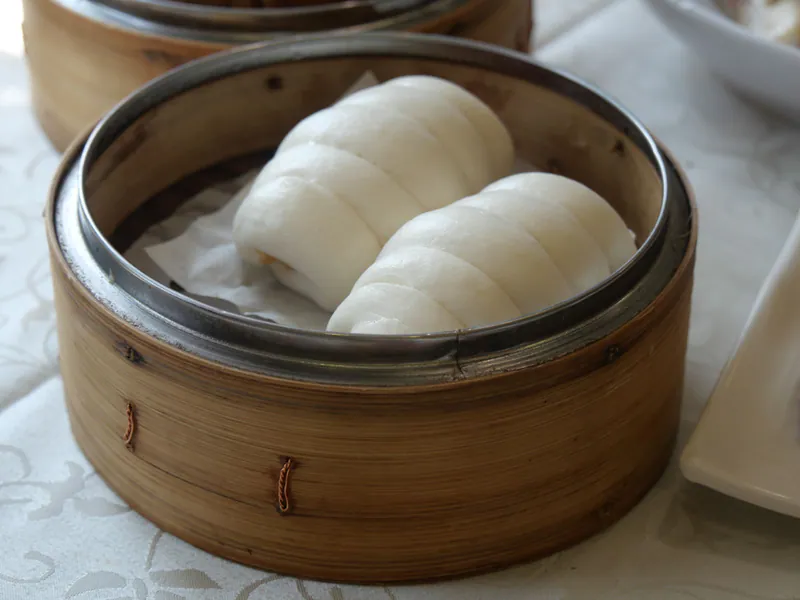
- Fried mantou buns are a popular modern partner for the sauce.
Food safety
- Buy crabs live or very freshly cooked and keep them chilled; cook until the shells are bright orange-red and the meat is opaque right through, and refrigerate leftovers within 2 hours.
- To kill live crabs or lobsters quickly, chill them in the freezer for 20–30 minutes until sluggish, then split or spike them swiftly with a heavy knife through the head.
Storage
- Best eaten fresh; leftovers keep 1 day refrigerated.
Reheating
- Reheat in the wok with a splash of water until piping hot.
Variations
- Udang saus Padang: Large prawns cooked in the same sauce; quicker and easier to eat.
- Kerang saus Padang: Clams or mussels in Padang sauce, a street-stall favourite.
Original editorial recipe · FriendsPantry editorial · source: TasteAtlas (dish facts) · Not yet independently reviewed · Added
Sauces, chutneys & dips for this dish
Recipe DNA
How this dish is built
Built from the recipe’s own sections. Each band’s width is its share of the dish by weight. Choose a component to see what it does.
The spice and seasoning backbone
For the spice paste
- Shallot, peeled8 piece · 240 g
- Garlic5 clove · 20 g
- Fresh red chilli, large red chillies, seeded if you like10 piece · 60 g
- Fresh ginger, sliced15 g
- Galangal, sliced15 g
- Turmeric1 tsp · 3.2 g
- Candlenut, toasted4 piece · 16 g
- Tomato, roughly chopped2 piece · 240 g
Reviews & corrections
Reviews come from signed-in cooks and appear after a moderator checks them. We never show made-up ratings.
You might also like
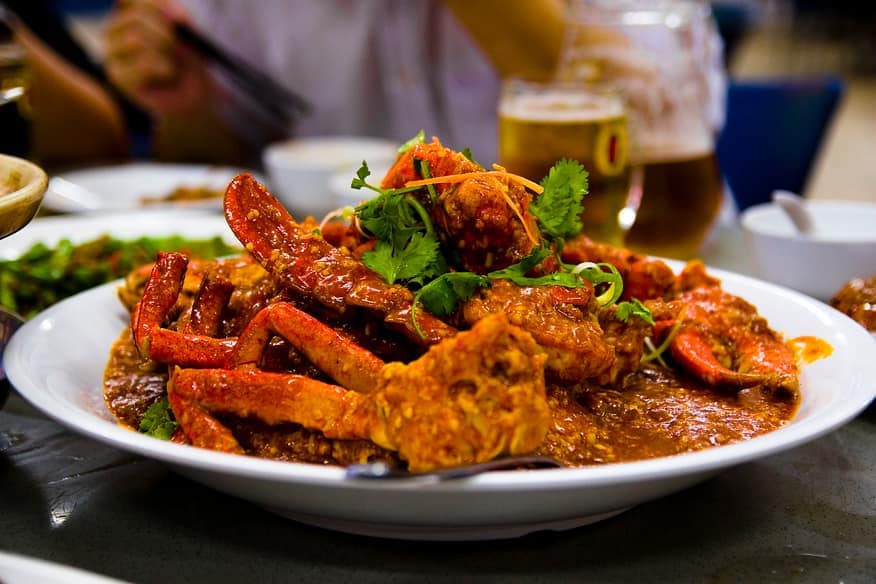
Singapore chilli crab
 Singaporean · 50 min · 344 kcal
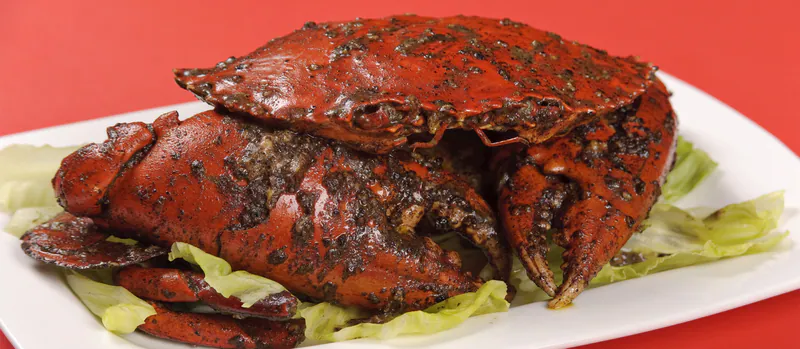
Black pepper crab (Singapore)
Singaporean · 50 min · 362 kcal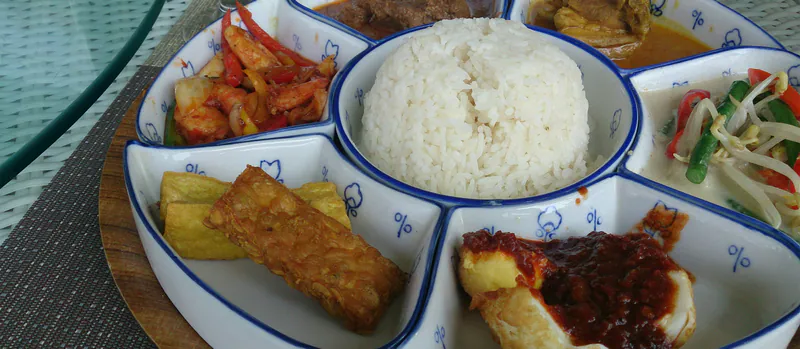
Nasi Padang (Padang rice with side dishes)
 Indonesian · 2 h 20 min · 1191 kcal
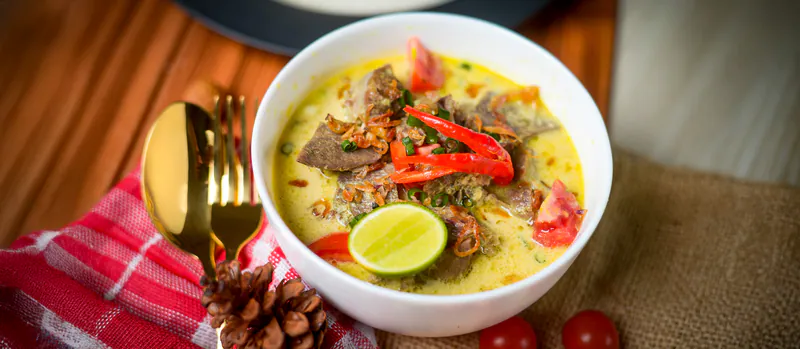
Soto Betawi (Jakarta beef soup with coconut milk)
Indonesian · 2 h 30 min · 491 kcal