
Haggis (home-style, steamed in a basin)
Non-vegetarian
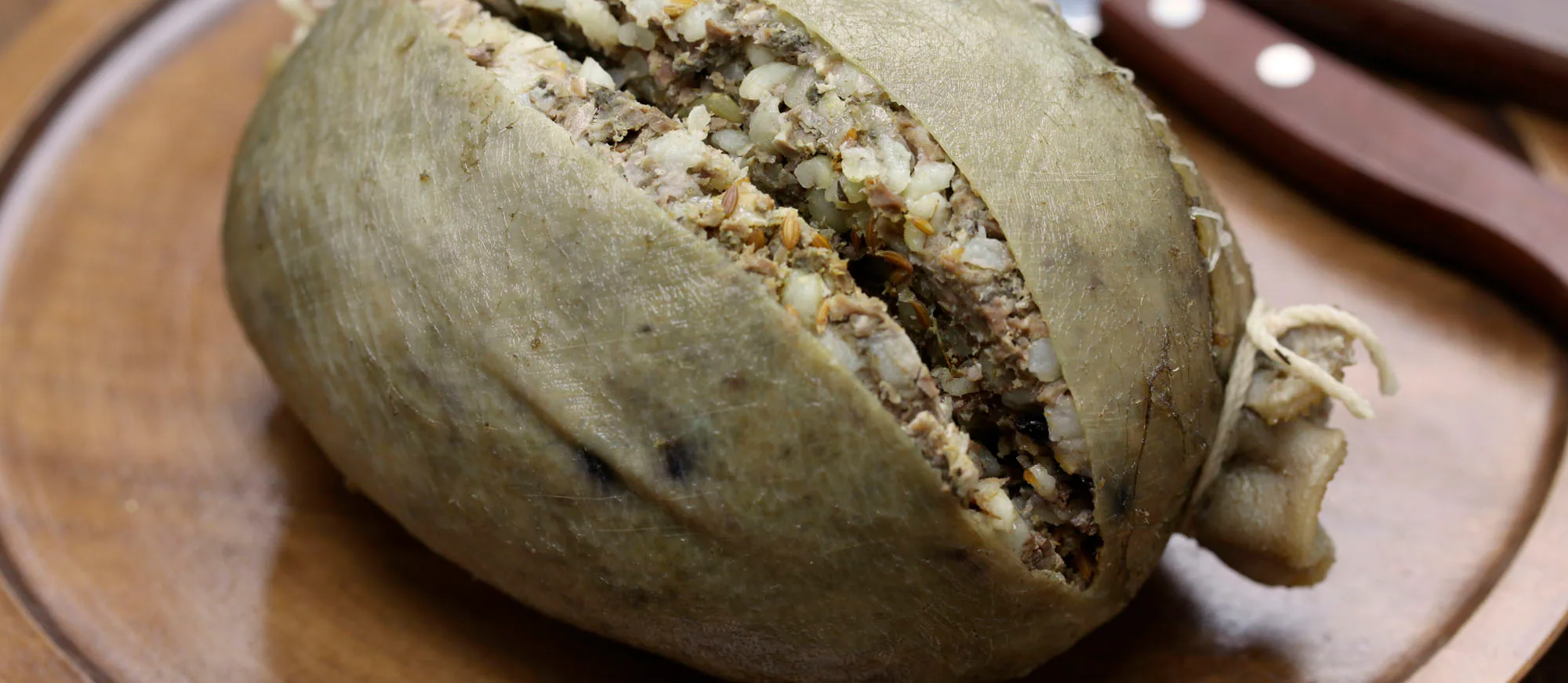
A savoury pudding of lamb heart and liver, lamb mince, suet, toasted oatmeal and onion, seasoned with plenty of black pepper and warm spice and slowly steamed until rich and crumbly. Scotland's national dish, served on Burns Night with neeps and tatties.
Haggis (home-style, steamed in a basin) is a British main course from United Kingdom, ready in about 4 hours 15 minutes and made with lamb heart, lamb liver and rolled oats. It serves 8 and is rated intermediate to cook.
- Prep
- 30 min
- Cook
- 3 h 35 min
- Rest
- 10 min
- Total
- 4 h 15 min
- Serves
- 8
- Level
- Intermediate
- Calories
- 441
Main ingredients
Ingredients
For the offal
For the pudding
Method
Offal
1 hStep 1
Put the heart in a pan with the water and 1 tsp salt, bring to the boil, skim, and simmer gently for 40 minutes. Add the liver and simmer for 20 minutes more. Lift out the offal and keep 400 ml of the cooking liquor.
- 60 min
- medium-low heat
- Stockpot / large pot (opens in a new tab)
Pudding
2 h 50 minStep 2
Meanwhile toast the oatmeal (opens in a new tab) in a dry frying pan over medium heat, stirring, until it smells nutty and turns pale golden, about 5 minutes.
- 5 min
- medium heat
- Frying pan / skillet (opens in a new tab)
Step 3
When the offal is cool enough to handle, trim away any gristle and pulse the heart and liver in a food processor (opens in a new tab) until finely chopped (or chop by hand or mince).
Step 4
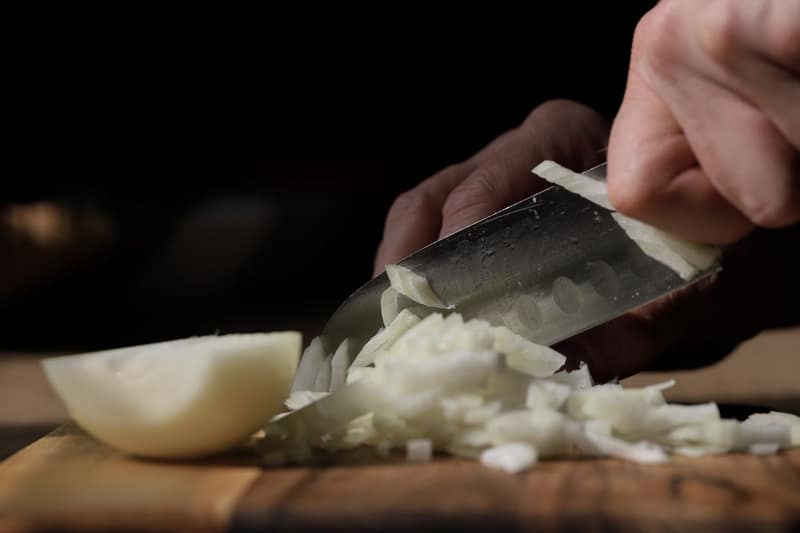
In a large bowl, mix the chopped offal with the lamb mince (opens in a new tab), suet (opens in a new tab), onion (opens in a new tab), toasted oatmeal (opens in a new tab), pepper (opens in a new tab), nutmeg (opens in a new tab), allspice (opens in a new tab), coriander, thyme (opens in a new tab), sage (opens in a new tab) and 2 tsp salt. Stir in about 300 ml of the reserved liquor to make a soft, sloppy mixture.
Fry a teaspoon of the mixture to check the seasoning; it should be boldly peppery.
How it looks · Photo: Christina & Peter on Pexels Step 5
Butter (opens in a new tab) a 1.5-litre pudding basin and spoon in the mixture, leaving 3 cm of space at the top for the oatmeal (opens in a new tab) to swell. Cover with a pleated sheet of baking paper and foil and tie tightly with string.
- 5 min
Step 6
Stand the basin on a folded cloth or trivet in a large pan and pour in boiling water to come halfway up its sides. Cover and steam at a gentle simmer for 2½ hours, topping up with boiling water as needed, until the centre reaches at least 71 °C.
Food safety: Cook minced meat until the centre reaches 71 °C (160 °F) and the juices run clear.
Step 7
Rest for 10 minutes, then remove the cover and spoon the haggis out at the table. Moisten with a little of the remaining hot liquor if it seems dry.
At a glance
1 · Offal in a pan
 Lamb heart
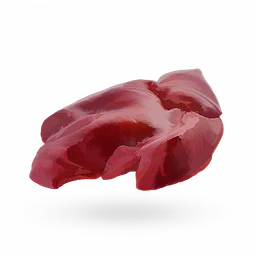 Lamb liver
 Salt
then toast
2 · Pudding in a pan
 Rolled oats
 Ground lamb
- Beef suet
 Onion
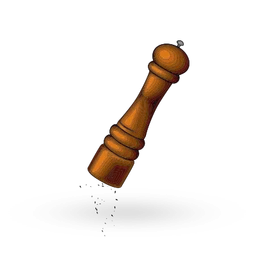 Black pepper
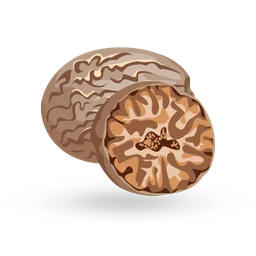 Nutmeg
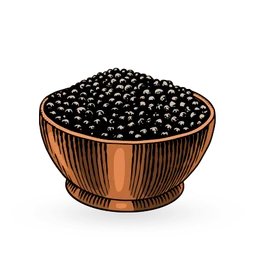 Allspice
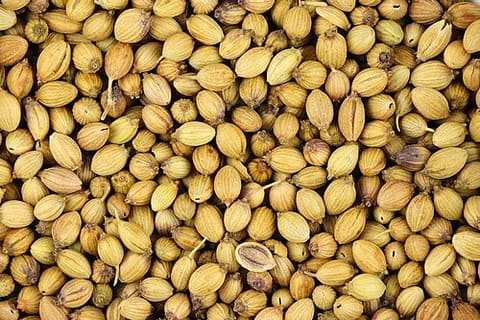 Ground coriander
- Dried thyme
 Sage
- Salt
 Butter
About this dish
- Origin
- Scotland, United Kingdom · Well documentedPuddings of chopped offal and oats were once made across Britain, but haggis became Scotland's national dish, sealed by Robert Burns's 1786 poem 'Address to a Haggis'. Traditional haggis includes sheep's lungs and is cooked in a sheep's stomach; this home version uses heart, liver and mince and steams in a pudding basin.Also popular in Canada, New ZealandMore food from United Kingdom
United Kingdom - Dish
- Dinner · Main courses
- Cooking method
- Simmered, Steamed
- Taste
- peppery, savoury, rich, earthy
- Diet
- No nut ingredients · Low-carb · High-proteinWorked out from the ingredients. How labels work
All labels
Non-vegetarian · Whole-food focused · Egg-free · No nut ingredients · No added sugar · Alcohol-free · Pork-free · Low-carb · High-protein · Calorie-conscious - Good for
- Festive & celebration · Make-ahead · Freezer-friendly · Budget-friendly
- Cook more with
- Lamb liver · Rolled oats · Beef suet · Ground lamb · Onion · Nutmeg
- Techniques
- Boiling · Simmering · Steaming · Slow-cooked gravy · Knife skills
Allergens
- Contains: Milkfrom butter
- Contains: Glutenfrom rolled oats
Based on typical versions of these ingredients and not verified allergen-free. Brands differ and cross-contact happens, so always check labels. For severe allergies, follow your clinician’s advice.
Nutrition
441 kcal per serving
Estimated1 serving ≈ 354 g · recipe makes 8
Where the energy comes from
- Protein 19%
- Carbohydrate 15%
- Fat 66%
| Nutrient | Per serving | Per 100 g* |
|---|---|---|
| Energy | 441 kcal | 124 kcal |
| Protein | 20.9 g | 5.9 g |
| Carbohydrate | 16.5 g | 4.7 g |
| Net carbohydrate | 13.9 g | 3.9 g |
| Sugars | — | — |
| Added sugars | 0 g | 0 g |
| Fibre | 2.7 g | 0.8 g |
| Fat | 32 g | 9 g |
| Saturated fat | 13 g | 3.7 g |
| Trans fat | — | — |
| Cholesterol | 193 mg | 55 mg |
| Sodium | 958 mg | 271 mg |
| Salt equivalent | 2.4 g | 0.7 g |
Vitamins & minerals per serving
- Potassium
- 383 mg
- Calcium
- 54 mg
- Iron
- 5 mg
- Magnesium
- 55 mg
- Vitamin A (RAE)
- 2319 µg
- Vitamin C
- 4 mg
- Vitamin D
- —
- Vitamin B12
- 30.9 µg
- Folate (DFE)
- 93 µg
How these numbers were made
- Calculated from USDA FoodData Central (SR Legacy) per-100 g values and the listed quantities.
- *Per 100 g of combined raw ingredients; the cooked dish may weigh more or less.
- Optional ingredients are not included: sage.
- Lamb heart: Raw beef heart (FDC 168625) used as a stand-in; lamb and beef hearts are similar lean muscle offal.
- Beef suet: Lard (FDC 171401) used as a stand-in; suet is likewise almost pure animal fat.
- “—” means the value isn’t known for enough of the ingredients; it is never zero by default.
- Values are estimates for guidance, not for medical dosing. U.S. Department of Agriculture, Agricultural Research Service. FoodData Central, 2019. fdc.nal.usda.gov.
Good to know
Tips
- Haggis is even better made a day ahead: steam it, cool it, then reheat it in its basin for 1 hour.
- If you can find a natural ox casing or sheep's stomach from a butcher, pack the mixture loosely into it, tie it, prick it and poach it at a bare simmer for 3 hours.
Common mistakes
- Packing the basin to the top — the oats swell and burst the cover.
- Boiling hard instead of simmering, which can split a cased haggis.
Serve with
- With neeps (mashed swede) and tatties (mashed potato) and a whisky cream sauce on Burns Night.
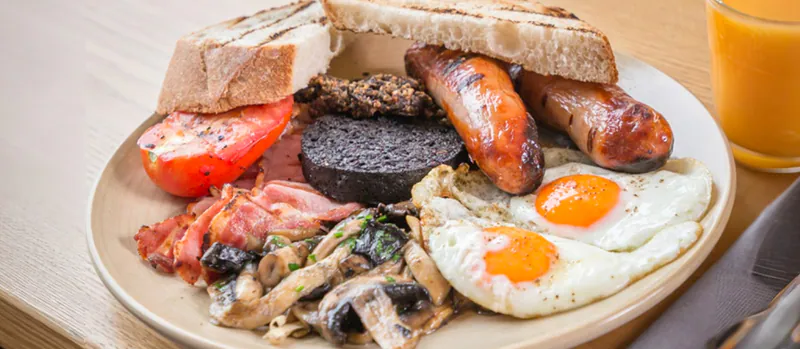
- Fried in slices as part of a full Scottish breakfast.
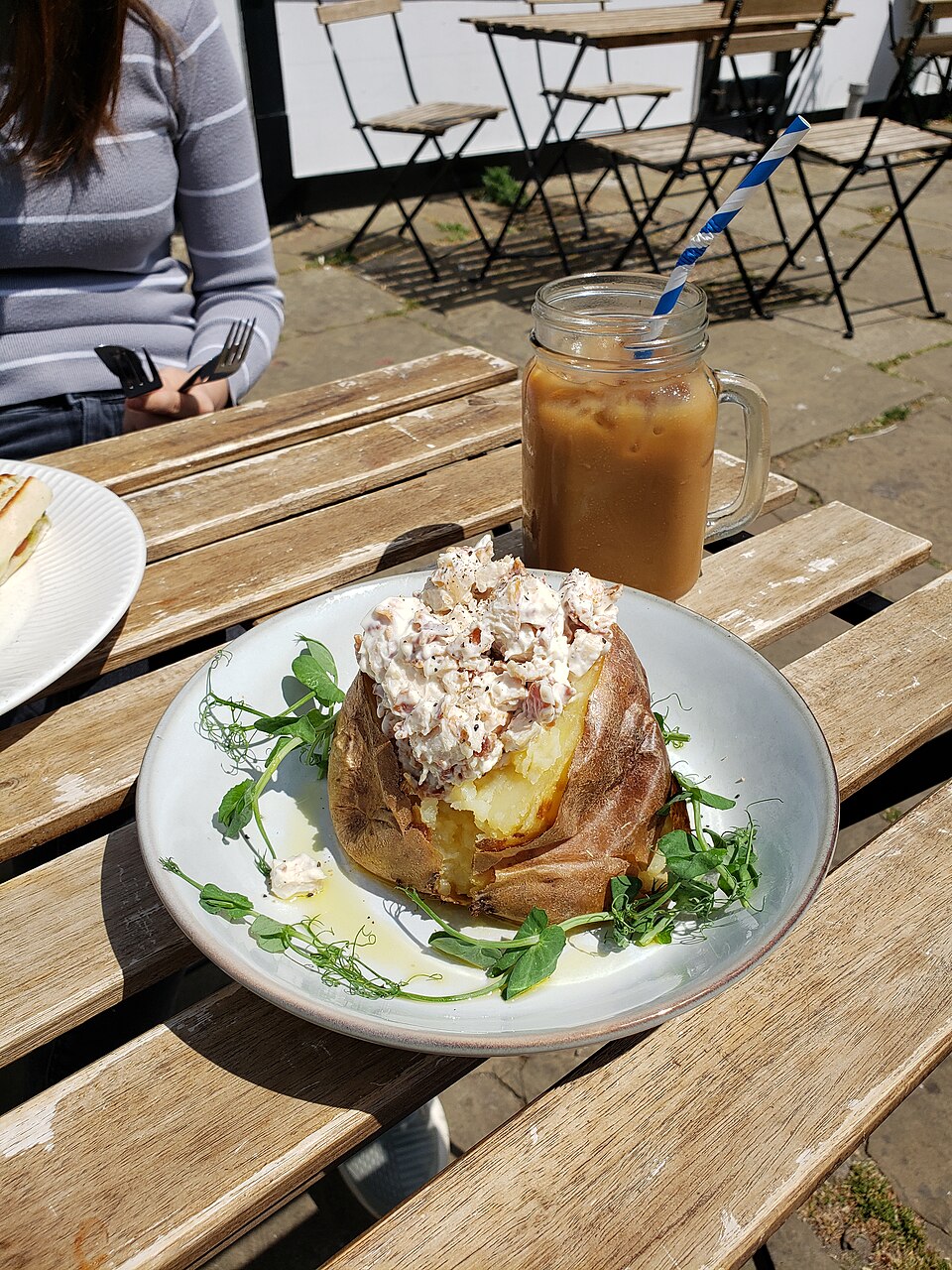
- Crumbled over baked potatoes or stuffed into chicken breast ('Balmoral chicken').
Food safety
- Cook minced meat until the centre reaches 71 °C (160 °F) and the juices run clear.
- Use very fresh offal and cook it the day you buy it.
Storage
- Keeps 3 days refrigerated or 3 months frozen.
Reheating
- Steam in its basin for about 1 hour, or microwave portions covered until piping hot throughout.
Variations
- Vegetarian haggis: Made with lentils, kidney beans, mushrooms, oatmeal and vegetable suet; widely sold in Scotland and served at Burns suppers.
- Haggis bon bons: Balls of haggis breadcrumbed and deep-fried, served as a starter with whisky mustard.
History
Recipes for puddings of offal and oatmeal appear in English cookbooks from the 15th century; by the 18th century haggis was associated with Scotland, and Burns's poem made it the centrepiece of the Burns supper held every 25 January since the early 1800s.
Confidence: Commonly attributed
Original editorial recipe · FriendsPantry editorial · source: TasteAtlas (dish facts) · Not yet independently reviewed · Added
Recipe DNA
How this dish is built
Built from the recipe’s own sections. Each band’s width is its share of the dish by weight. Choose a component to see what it does.
For the offal
- Lamb heart1 piece · 150 g
- Lamb liver250 g
- Water1.5 l · 1500 g
- Salt1 tsp · 6 g
Reviews & corrections
Reviews come from signed-in cooks and appear after a moderator checks them. We never show made-up ratings.
You might also like
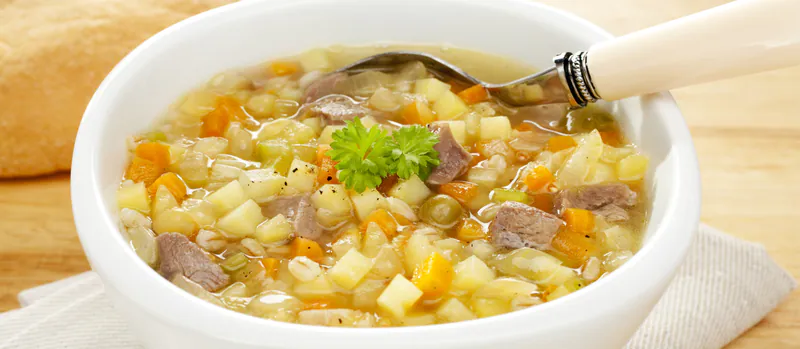
Scotch broth
 British · 2 h 20 min · 324 kcal
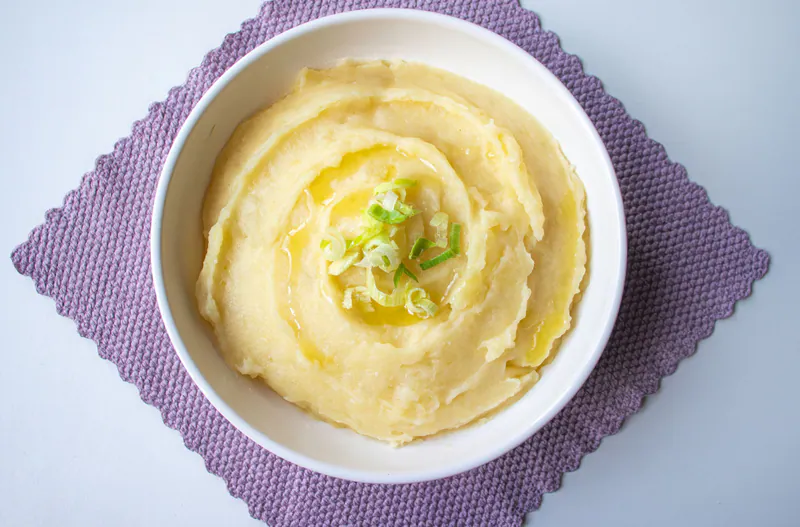
Creamy Mashed Potatoes
International · 32 min · 306 kcal · Vegetarian
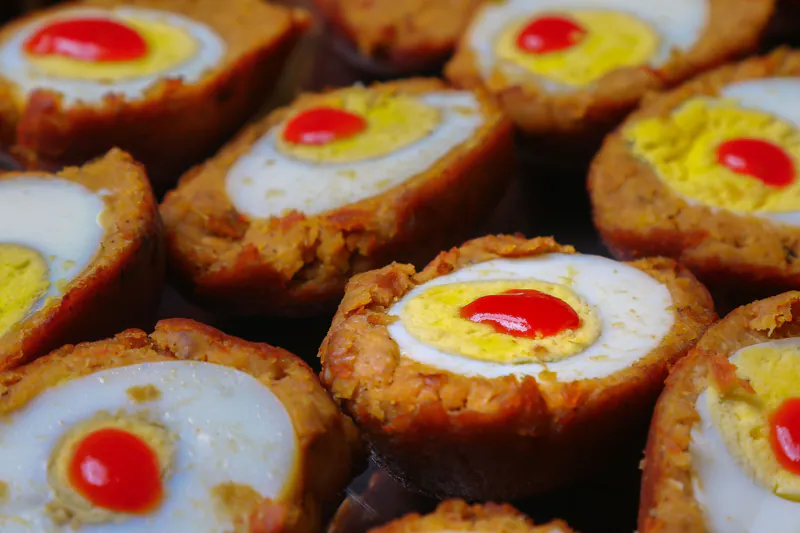
Scotch eggs
British · 1 h 20 min · 599 kcal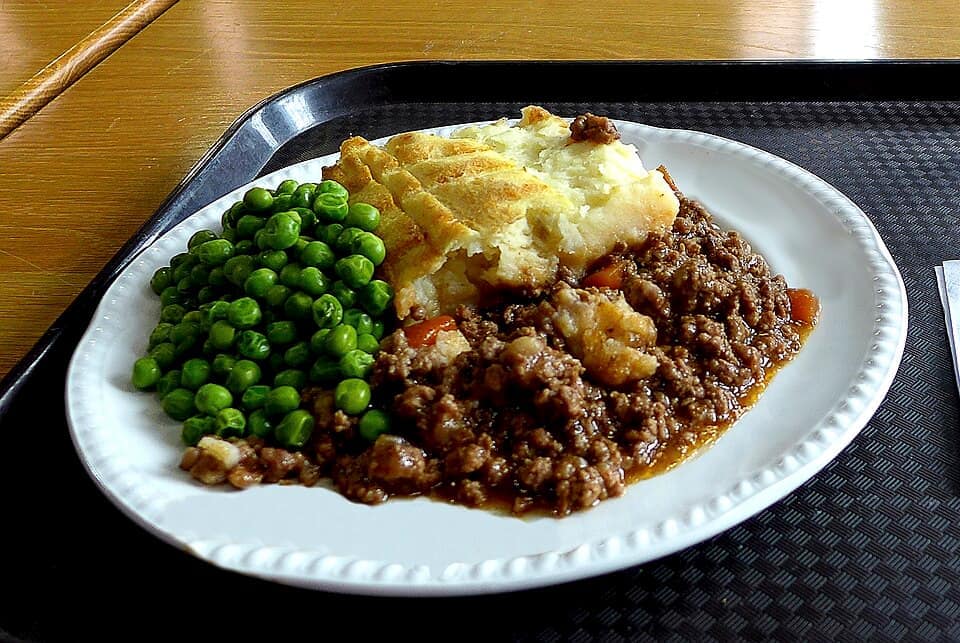
Shepherd's pie
British · 1 h 45 min · 551 kcal