
Cireng (Sundanese fried tapioca fritters)
Vegetarian
Cireng
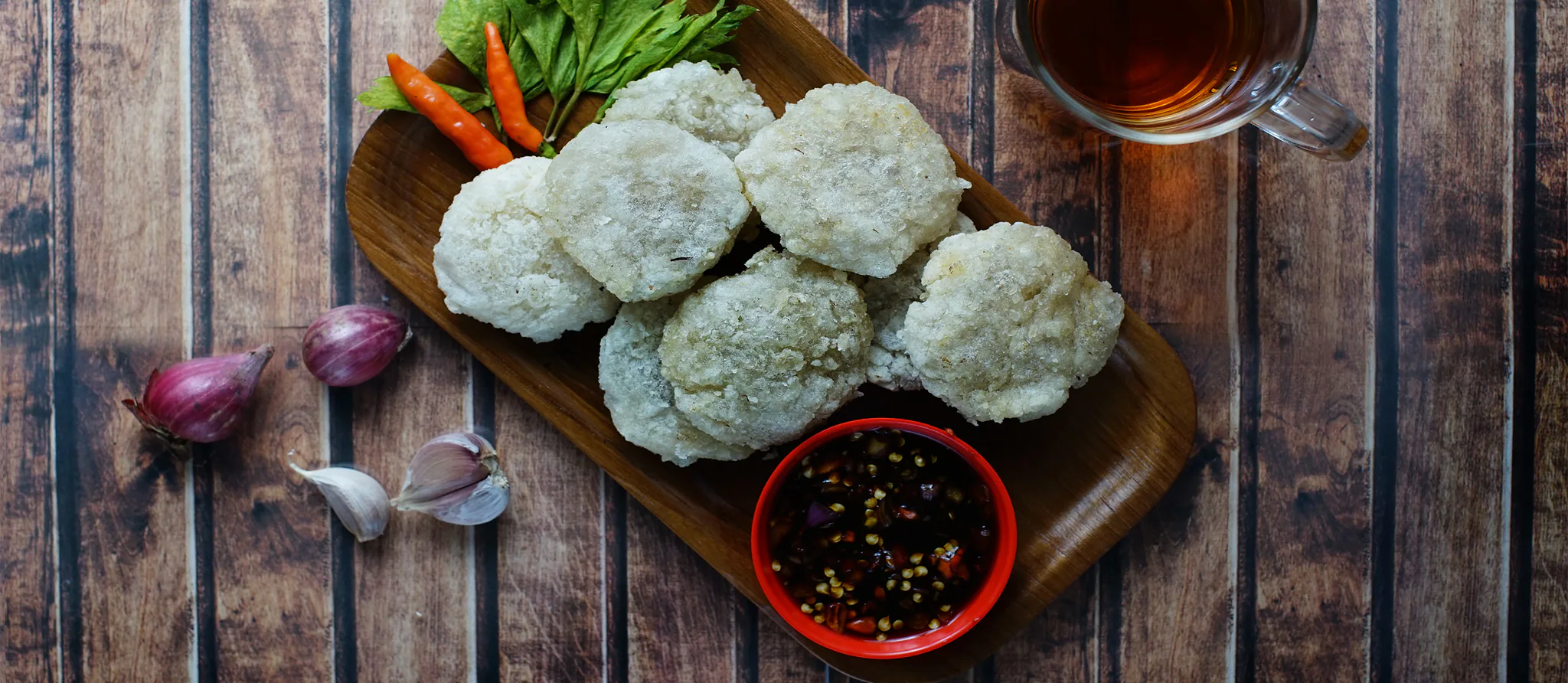
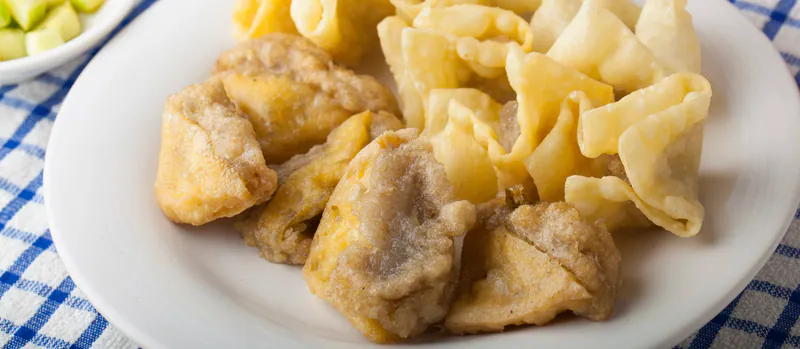
Small discs of tapioca dough seasoned with garlic and spring onion, fried until crisp outside with a chewy, stretchy middle and dipped in a sweet-spicy peanut sambal. The name is Sundanese shorthand for aci digoreng, fried tapioca starch, and it is a favourite snack across West Java.
Cireng (Sundanese fried tapioca fritters) is an Indonesian street food, ready in about 45 minutes and made with tapioca starch, garlic and spring onion. It serves 4 and is rated easy to cook.
- Prep
- 25 min
- Cook
- 20 min
- Total
- 45 min
- Serves
- 4
- Level
- Easy
- Calories
- 460
Main ingredients
Ingredients
For the dough
For frying
For the peanut sambal (bumbu rujak)
Method
Peanut sambal (bumbu rujak)
6 minStep 1
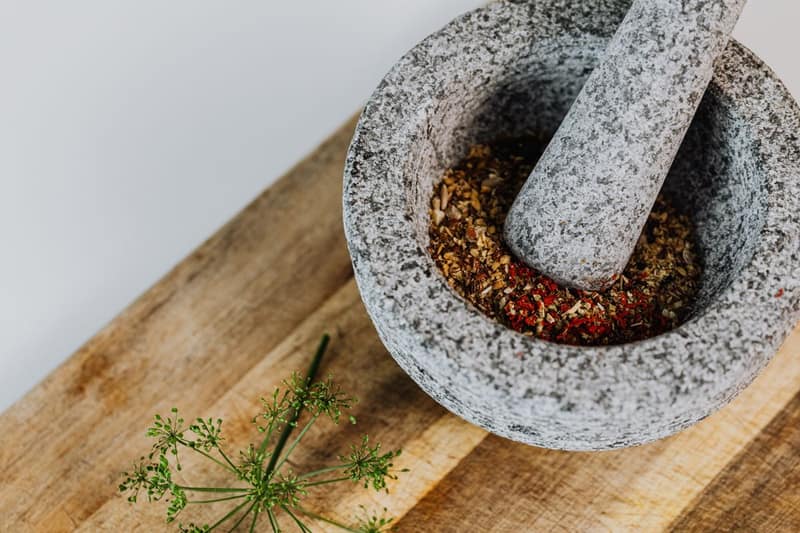
Pound or blend the peanuts, chillies, garlic (opens in a new tab), palm sugar (opens in a new tab), tamarind and salt with the warm water to a thick, slightly coarse sauce. Set aside.
How it looks · Photo: https://kaboompics.com/ on Pexels
Dough
16 minStep 2
Mix 200 g tapioca starch (opens in a new tab) with the grated garlic (opens in a new tab), spring onion (opens in a new tab), coriander, salt and pepper in a bowl.
Step 3
In a small saucepan (opens in a new tab), stir the remaining 50 g starch into the 200 ml water and cook over medium heat, stirring constantly, until it turns into a thick, translucent glue, about 2 minutes.
- 3 min
- medium heat
- Saucepan (opens in a new tab)
Step 4
Pour the hot paste over the starch mixture and stir with a spoon, then knead lightly with your hands until it forms a soft, rough dough. Do not overknead; a few dry patches are fine.
- 3 min
Food safety: The paste is very hot and sticky; mix with a spoon until it cools enough to touch.
Overkneading makes cireng hard instead of chewy.
Step 5
Pinch off walnut-sized pieces and flatten them into rough discs about 5 cm wide and 1 cm thick, dusting with a little starch.
- 8 min
Frying
16 minStep 6
Put the cireng into the oil while it is still only warm (about 150 °C) and fry over medium-low heat, turning, for 6–8 minutes until they puff slightly and are crisp and pale golden. Starting in very hot oil can make them burst.
- 15 min
- 150°C
- medium-low heat
- Wok (opens in a new tab)
- Slotted spoon (opens in a new tab)
Food safety: Tapioca dough can spit or pop in hot oil; keep a lid or splatter guard nearby. Never leave hot oil unattended, keep the pan's handle turned inwards and lower food in away from you.
Step 7
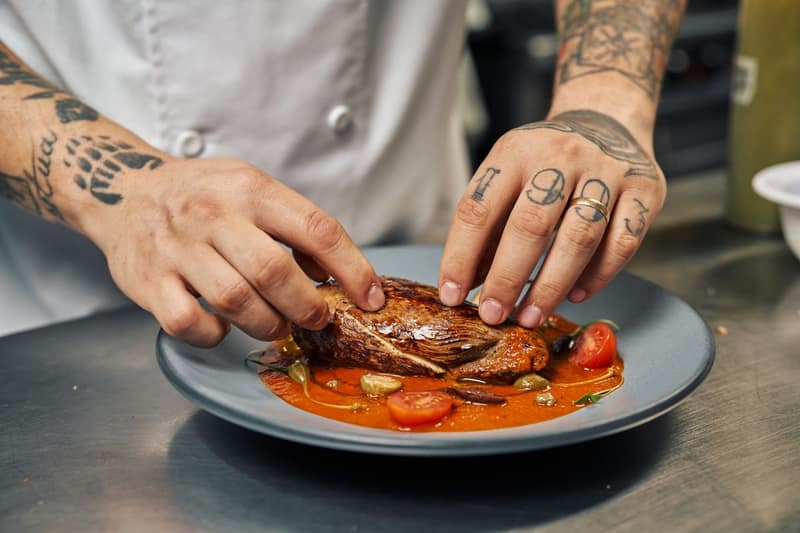
Drain on paper and serve hot with the peanut sambal.
- 1 min
How it looks · Photo: Willians Huerta on Pexels
At a glance
1 · Peanut sambal (bumbu rujak) in a bowl
 Roasted peanuts
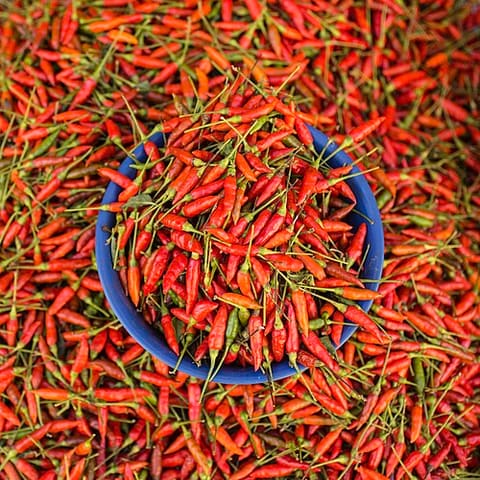 Fresh red chilli
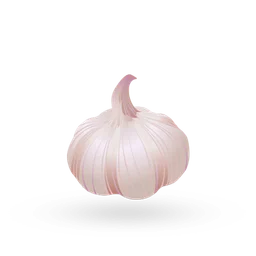 Garlic
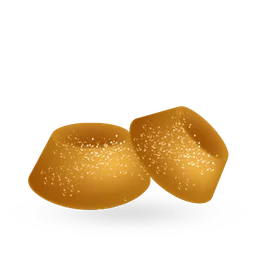 Jaggery / palm sugar
 Tamarind paste
 Salt
then mix
2 · Dough in a bowl
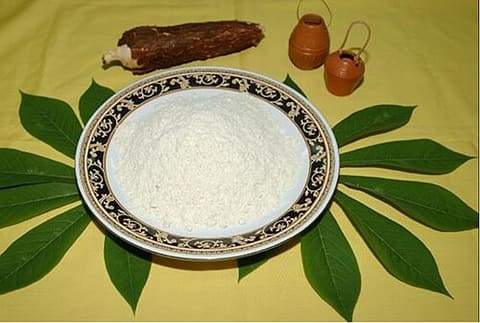 Tapioca starch
- Garlic
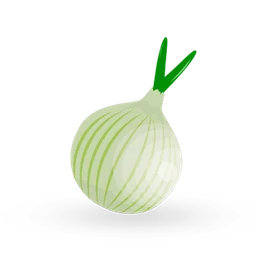 Spring onion
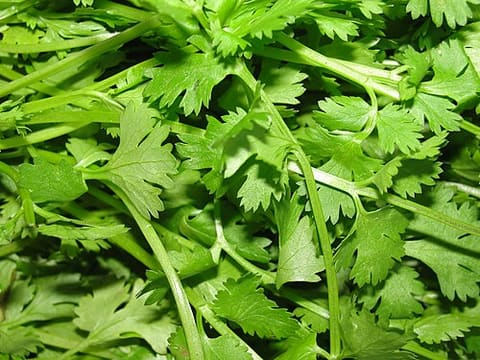 Coriander leaves
- Salt
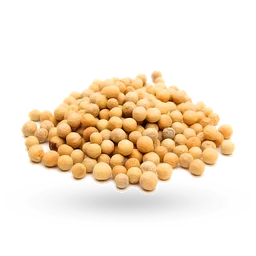 White pepper
then put
3 · Frying in a pan
 Neutral vegetable oil
About this dish
- Origin
- West Java (Sundanese), Indonesia · Well documentedA cheap street snack from the Bandung area that has spread across Indonesia; filled versions (cireng isi) hold chicken, cheese, or sausage.More food from Indonesia
Indonesia - Dish
- Snack · Street food · Finger food · Fried dough & doughnuts
- Cooking method
- Deep-fried, Blended
- Taste
- savoury, garlicky, sweet & spicy
- Diet
- Vegan · No gluten ingredients · Dairy-freeWorked out from the ingredients. How labels work
All labels
Vegan · Plant-based · Vegetarian (lacto-ovo) · Eggetarian · Lacto-vegetarian · Ovo-vegetarian · Pescatarian · Flexitarian-friendly · No gluten ingredients · Dairy-free · Egg-free · Alcohol-free · Pork-free · Beef-free - Good for
- Street food · Budget-friendly · Child-friendly
- Cook more with
- Tapioca starch · Garlic · Spring onion · White pepper · Roasted peanuts · Fresh red chilli
- Techniques
- Deep-frying · Wet grinding · Kneading · Emulsification
Allergens
- Contains: Peanutsfrom roasted peanuts
Based on typical versions of these ingredients and not verified allergen-free. Brands differ and cross-contact happens, so always check labels. For severe allergies, follow your clinician’s advice.
Nutrition
460 kcal per serving
Estimated1 serving ≈ 195 g · recipe makes 4
Where the energy comes from
- Protein 5%
- Carbohydrate 62%
- Fat 33%
| Nutrient | Per serving | Per 100 g* |
|---|---|---|
| Energy | 460 kcal | 236 kcal |
| Protein | 5.5 g | 2.8 g |
| Carbohydrate | 72.8 g | 37.4 g |
| Net carbohydrate | 70.1 g | 36 g |
| Sugars | 13.8 g | 7.1 g |
| Added sugars | 9.7 g | 5 g |
| Fibre | 2.7 g | 1.4 g |
| Fat | 17.5 g | 9 g |
| Saturated fat | 2.1 g | 1.1 g |
| Trans fat | — | — |
| Cholesterol | 0 mg | 0 mg |
| Sodium | 737 mg | 379 mg |
| Salt equivalent | 1.8 g | 0.9 g |
Vitamins & minerals per serving
- Potassium
- 208 mg
- Calcium
- 55 mg
- Iron
- 1.7 mg
- Magnesium
- 44 mg
- Vitamin A (RAE)
- 6 µg
- Vitamin C
- 9 mg
- Vitamin D
- 0 µg
- Vitamin B12
- 0 µg
- Folate (DFE)
- 28 µg
How these numbers were made
- Calculated from USDA FoodData Central (SR Legacy) per-100 g values and the listed quantities.
- *Per 100 g of combined raw ingredients; the cooked dish may weigh more or less.
- Optional ingredients are not included: coriander leaves.
- Tapioca starch: Dry pearl tapioca (FDC 169717) used as a stand-in; both are almost pure cassava starch.
- Jaggery / palm sugar: Brown sugar (FDC 168833) used as a stand-in for unrefined cane jaggery and palm sugar.
- Tamarind paste: Raw tamarind pulp (FDC 167763). Commercial concentrates vary in water content.
- “—” means the value isn’t known for enough of the ingredients; it is never zero by default.
- Values are estimates for guidance, not for medical dosing. U.S. Department of Agriculture, Agricultural Research Service. FoodData Central, 2019. fdc.nal.usda.gov.
Good to know
Tips
- Shaped, uncooked cireng freeze well; fry them straight from frozen in warm oil.
Common mistakes
- Using cold water — the dough will not bind; the scalded starch is what gives the chewy texture.
Serve with
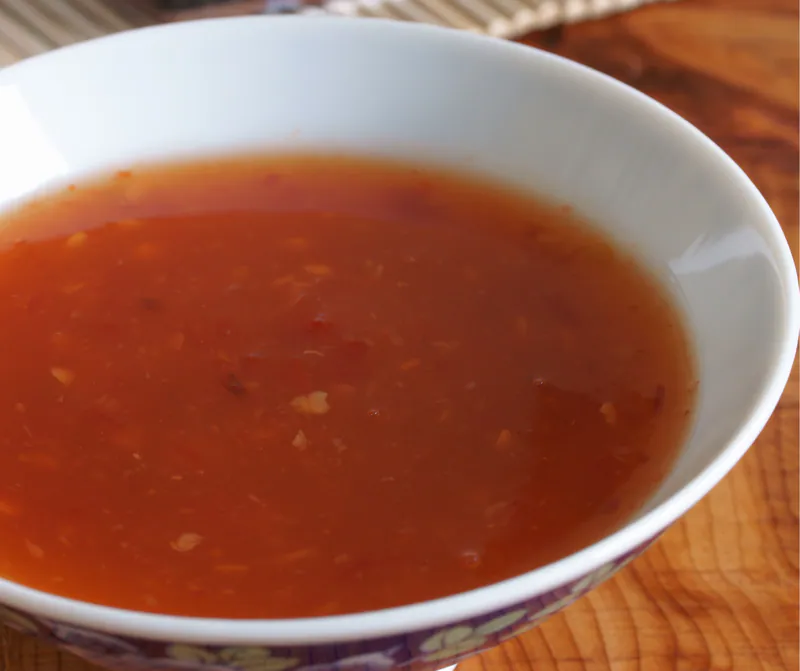
- Serve with bumbu rujak, sambal or a sweet chilli sauce, alongside cilok and batagor at a Sundanese snack spread.
Storage
- Best hot. Uncooked shaped cireng keep 1 month frozen.
Reheating
- Re-fry or air-fry briefly; they toughen as they cool.
Variations
- Cireng isi: Filled with spicy shredded chicken, cheese or sausage before frying.
- Cireng bumbu rujak: Served smothered in the sweet, spicy peanut-and-palm-sugar sauce.
Original editorial recipe · FriendsPantry editorial · source: TasteAtlas (dish facts) · Not yet independently reviewed · Added
Sauces, chutneys & dips for this dish
Recipe DNA
How this dish is built
Built from the recipe’s own sections. Each band’s width is its share of the dish by weight. Choose a component to see what it does.
The spice and seasoning backbone
For the peanut sambal (bumbu rujak)
- Roasted peanuts80 g
- Fresh red chilli3 piece · 18 g
- Garlic1 clove · 4 g
- Jaggery / palm sugar40 g
- Tamarind paste1 tsp · 5.9 g
- Salt0.25 tsp · 1.5 g
- Water100 ml · 100 g
Reviews & corrections
Reviews come from signed-in cooks and appear after a moderator checks them. We never show made-up ratings.
You might also like
Bumbu kacang (peanut satay sauce)
 Indonesian · 30 min · 164 kcal · Vegan
Tempe mendoan (half-fried battered tempeh)
Indonesian · 27 min · 404 kcal · Vegan
Bakso
Indonesian · 1 h · 700 kcal
Siomay Bandung (steamed fish dumplings with peanut sauce)
Indonesian · 1 h 25 min · 1005 kcal