
Châteaubriand with béarnaise sauce
Non-vegetarian
Châteaubriand
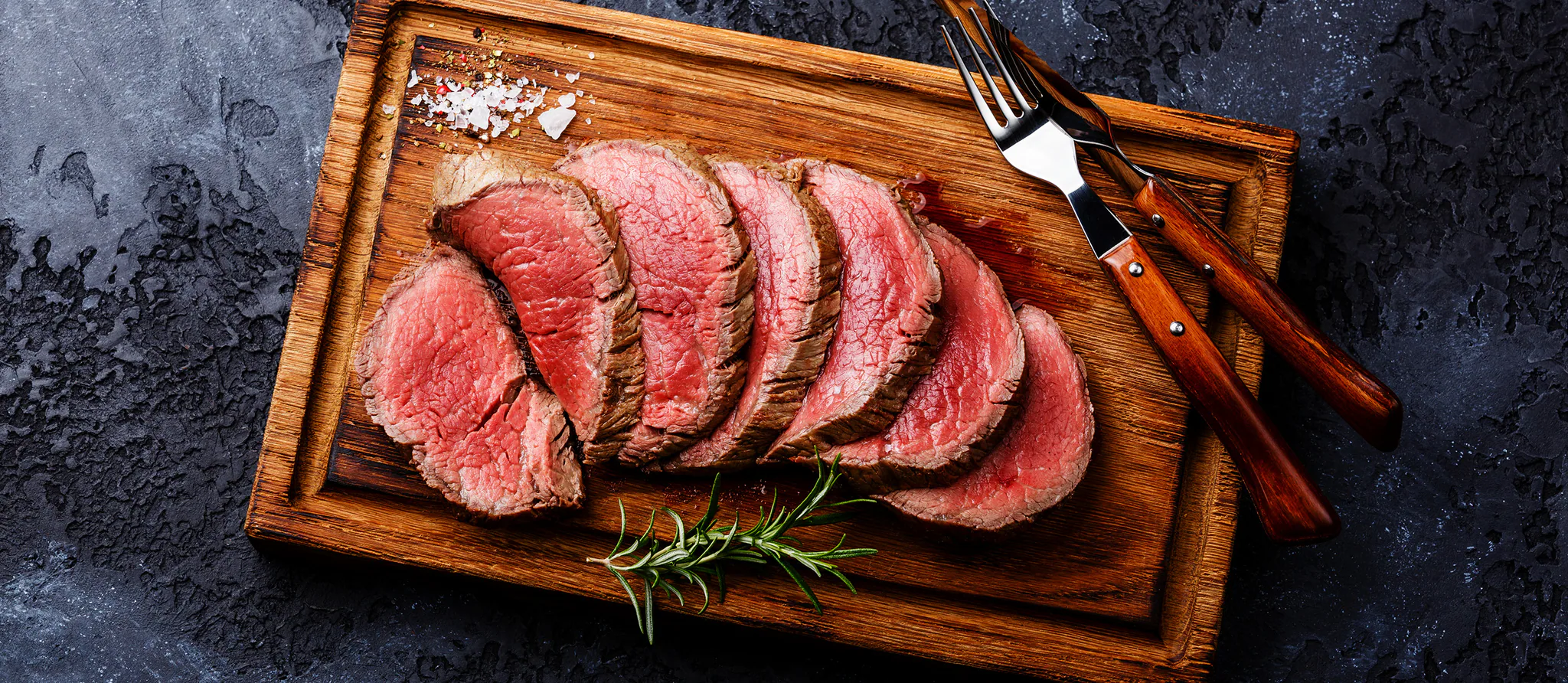
A thick centre-cut piece of beef tenderloin seared, roasted to a rosy medium-rare, rested and carved at the table into thick slices for two. It is traditionally served with béarnaise sauce, rich with butter and fragrant with tarragon.
Châteaubriand with béarnaise sauce is a French main course from France, ready in about 1 hour 50 minutes and made with beef tenderloin, tarragon (fresh) and egg yolk. It serves 2 and is rated advanced to cook.
- Prep
- 20 min
- Cook
- 35 min
- Rest
- 55 min
- Total
- 1 h 50 min
- Serves
- 2
- Level
- Advanced
- Calories
- 1228
Main ingredients
Ingredients
For the beef
For the béarnaise
Method
Beef
2 minStep 1
Season the beef all over with the salt and leave at room temperature for 45 minutes. Heat the oven (opens in a new tab) to 200 °C.
- 2 min
- 200°C
- Oven (opens in a new tab)
Béarnaise
45 minStep 2
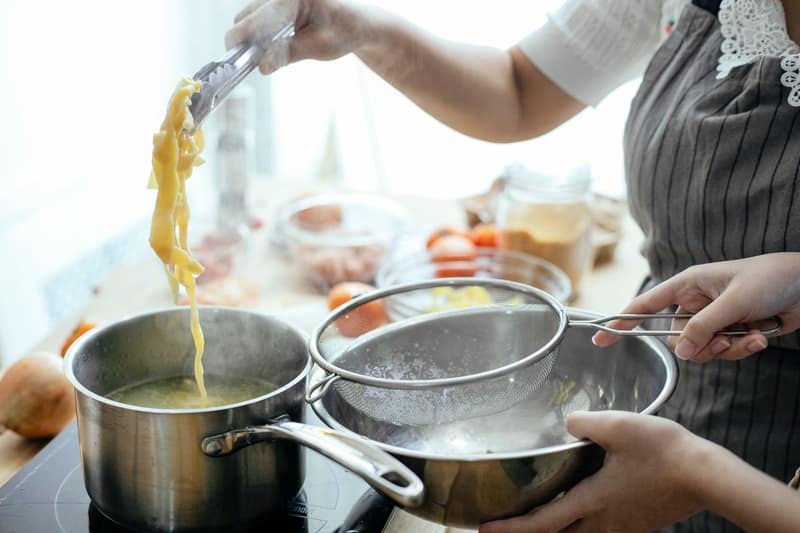
For the béarnaise reduction, simmer the wine, vinegar, shallot (opens in a new tab), tarragon (opens in a new tab) stalks and crushed peppercorns (opens in a new tab) until only about 2 tbsp of liquid remain. Strain, pressing on the solids, and cool slightly.
How it looks · Photo: Katerina Holmes on Pexels Step 3
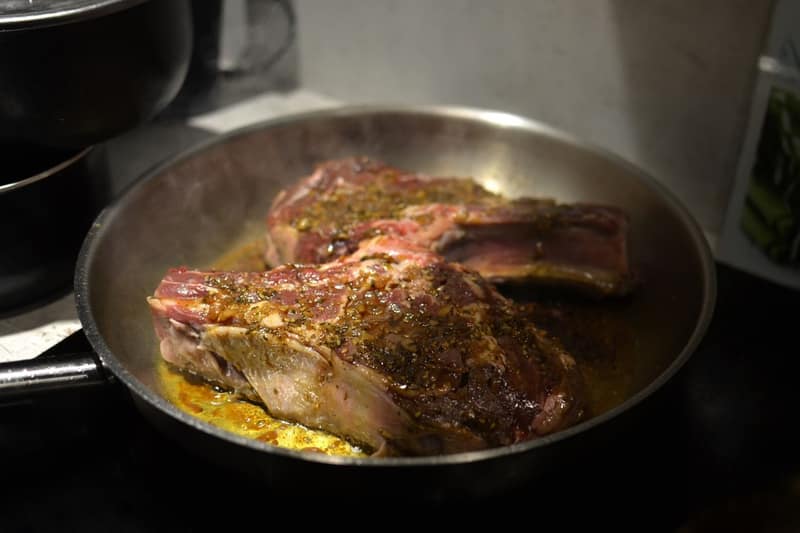
Heat the oil in an ovenproof skillet over high heat and sear the beef on all sides, including the ends, for 6–8 minutes until deeply browned.
- 8 min
- high heat
- Cast-iron skillet (opens in a new tab)
How it looks · Photo: Skylar Kang on Pexels Step 4
Add the butter (opens in a new tab) and thyme (opens in a new tab), baste for a minute, then transfer the pan to the oven (opens in a new tab). Roast for 15–20 minutes until the centre reaches 50–52 °C for medium-rare. Rest on a warm plate, loosely covered, for 10 minutes.
How it looks · Photo: locrifa on Pexels Step 5
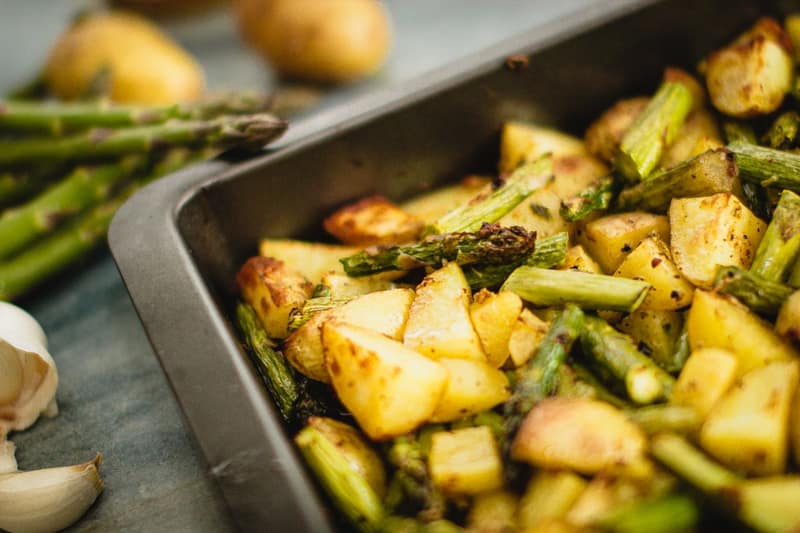
While the beef roasts, whisk (opens in a new tab) the egg yolks (opens in a new tab) with the reduction in a heatproof bowl over barely simmering water until thick, pale and the whisk leaves trails, about 4 minutes. Take off the heat and whisk in the warm clarified butter (opens in a new tab) in a thin stream until thick and glossy. Stir in the chopped tarragon (opens in a new tab) leaves and season with salt.
Food safety: The sauce is only gently heated; use very fresh eggs (pasteurised if serving to anyone pregnant, very young, elderly or immunocompromised).
If the sauce starts to look grainy, take the bowl off the heat at once and whisk in a teaspoon of cold water.
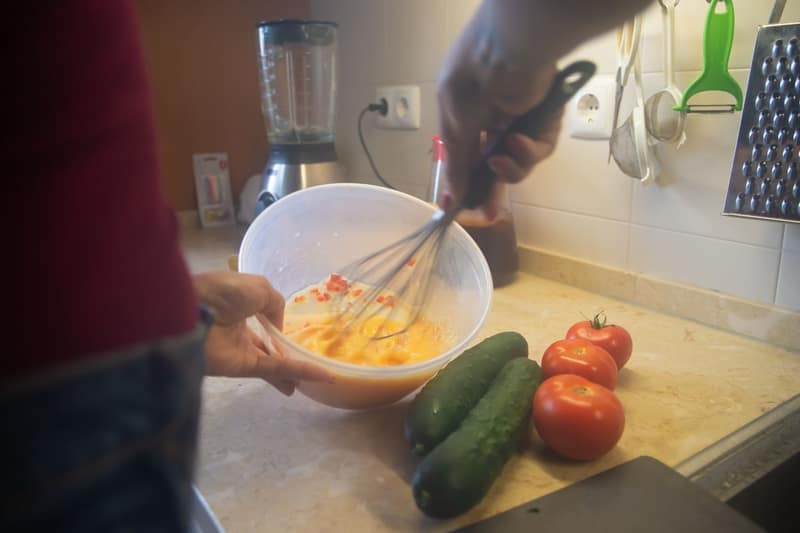
How it looks · Photo: Kampus Production on Pexels Step 6
Remove the string, season the beef with the pepper (opens in a new tab) and carve into 4 thick slices. Serve at once with the béarnaise.
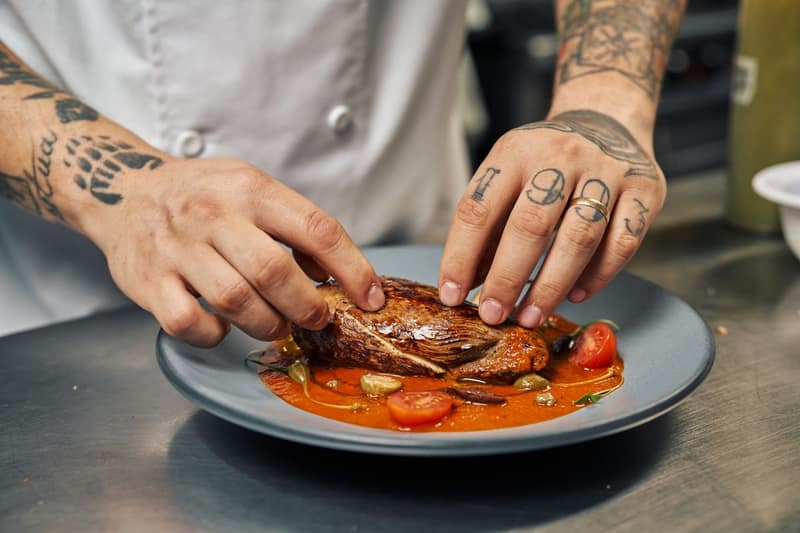
How it looks · Photo: Willians Huerta on Pexels
At a glance
1 · Beef in a pan
 Beef tenderloin
 Salt
 Black pepper
 Olive oil
 Butter
 Thyme (fresh)
then simmer
2 · Béarnaise in a pan
 Dry white wine
 Wine vinegar
 Shallot
 Tarragon (fresh)
- Black peppercorns
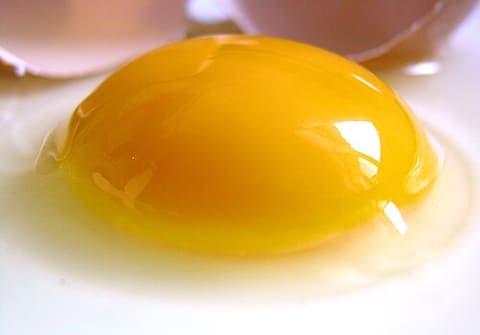 Egg yolk
- Unsalted butter
- Salt
About this dish
- Origin
- Paris, France · Commonly attributedNamed after the writer and statesman François-René de Chateaubriand; his chef Montmireil is said to have created it around 1822. The name now refers to the thickest centre part of the beef fillet.Also popular in Belgium, United Kingdom, United StatesMore food from France
France - Dish
- Dinner · Main courses
- Cooking method
- Roasted, Pan-fried, Whipped
- Taste
- rich, buttery, savoury, herby
- Diet
- No gluten ingredients · No nut ingredients · Keto-style · Low-carb · High-proteinWorked out from the ingredients. How labels work
All labels
Non-vegetarian · Whole-food focused · No gluten ingredients · No nut ingredients · No added sugar · Pork-free · Keto-style · Low-carb · High-protein - Good for
- Festive & celebration
- Cook more with
- Beef tenderloin · Tarragon (fresh) · Egg yolk · Butter · Thyme (fresh) · Dry white wine
- Techniques
- Roasting · Searing · Pan-frying · Simmering · Emulsification
Allergens
- Contains: Milkfrom butter, unsalted butter
- Contains: Eggsfrom egg yolk
- Contains: Sulphitesfrom dry white wine, wine vinegar
Based on typical versions of these ingredients and not verified allergen-free. Brands differ and cross-contact happens, so always check labels. For severe allergies, follow your clinician’s advice.
Nutrition
1228 kcal per serving
Estimated1 serving ≈ 509 g · recipe makes 2
Where the energy comes from
- Protein 24%
- Carbohydrate 2%
- Fat 74%
| Nutrient | Per serving | Per 100 g* |
|---|---|---|
| Energy | 1228 kcal | 241 kcal |
| Protein | 71.9 g | 14.1 g |
| Carbohydrate | 5.9 g | 1.2 g |
| Net carbohydrate | 4.7 g | 0.9 g |
| Sugars | 1.7 g | 0.3 g |
| Added sugars | 0 g | 0 g |
| Fibre | 1.2 g | 0.2 g |
| Fat | 98.9 g | 19.4 g |
| Saturated fat | 53.5 g | 10.5 g |
| Trans fat | — | — |
| Cholesterol | — | — |
| Sodium | 2117 mg | 416 mg |
| Salt equivalent | 5.3 g | 1 g |
Vitamins & minerals per serving
- Potassium
- 1225 mg
- Calcium
- 161 mg
- Iron
- 6.5 mg
- Magnesium
- 87 mg
- Vitamin A (RAE)
- 728 µg
- Vitamin C
- 3 mg
- Vitamin D
- —
- Vitamin B12
- —
- Folate (DFE)
- —
How these numbers were made
- Calculated from USDA FoodData Central (SR Legacy) per-100 g values and the listed quantities.
- *Per 100 g of combined raw ingredients; the cooked dish may weigh more or less.
- Beef tenderloin: Top sirloin steak, lean only (FDC 174055) used as a stand-in; centre-cut beef tenderloin (fillet) is a similarly lean muscle.
- Tarragon (fresh): USDA SR Legacy has only dried tarragon; fresh basil is used as a nutritionally similar fresh-herb stand-in.
- “—” means the value isn’t known for enough of the ingredients; it is never zero by default.
- Values are estimates for guidance, not for medical dosing. U.S. Department of Agriculture, Agricultural Research Service. FoodData Central, 2019. fdc.nal.usda.gov.
Good to know
Tips
- Tying the fillet keeps it round so it cooks evenly.
- Keep the béarnaise warm (not hot) in a bowl set over warm water for up to 30 minutes.
Common mistakes
- Overheating the egg yolks, which scrambles the sauce.
- Skipping the rest, so the juices run out when carved.
Serve with
- Serve with château potatoes (small potatoes sautéed in butter), green beans or watercress.
Food safety
- The sauce is only gently heated; use very fresh eggs (pasteurised if serving to anyone pregnant, very young, elderly or immunocompromised).
Storage
- Leftover beef keeps 3 days in the fridge; béarnaise is best made fresh.
Variations
- Châteaubriand sauce: Some restaurants serve a reduction of white wine, shallots and demi-glace finished with butter and tarragon instead of béarnaise.
- Filet mignon: Individual steaks cut from the narrower end of the same tenderloin and pan-fried.
Original editorial recipe · FriendsPantry editorial · source: TasteAtlas (dish facts) · Not yet independently reviewed · Added
Sauces, chutneys & dips for this dish
Recipe DNA
How this dish is built
Built from the recipe’s own sections. Each band’s width is its share of the dish by weight. Choose a component to see what it does.
What the dish is built around
For the beef
- Beef tenderloin, centre-cut piece, about 6 cm thick, trimmed of silverskin and tied600 g
- Salt1.5 tsp · 9 g
- Black pepper, coarsely ground1 tsp · 2.4 g
- Olive oil1 tbsp · 14 g
- Butter30 g
- Thyme (fresh)3 sprig · 1.5 g
Reviews & corrections
Reviews come from signed-in cooks and appear after a moderator checks them. We never show made-up ratings.
You might also like
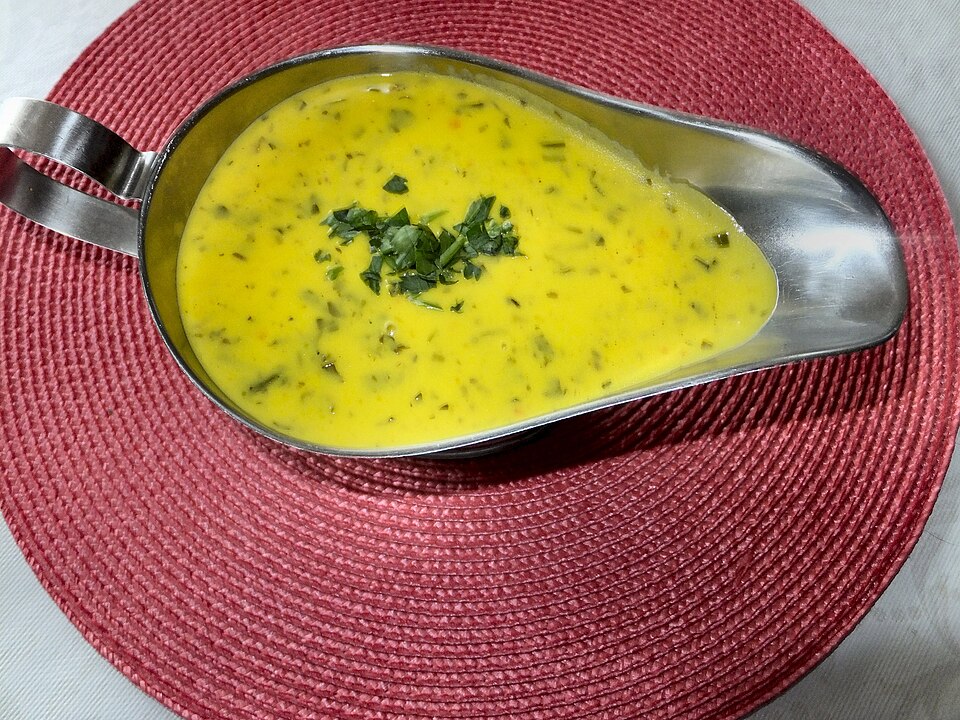
Béarnaise sauce
 French · 25 min · 251 kcal · Contains egg
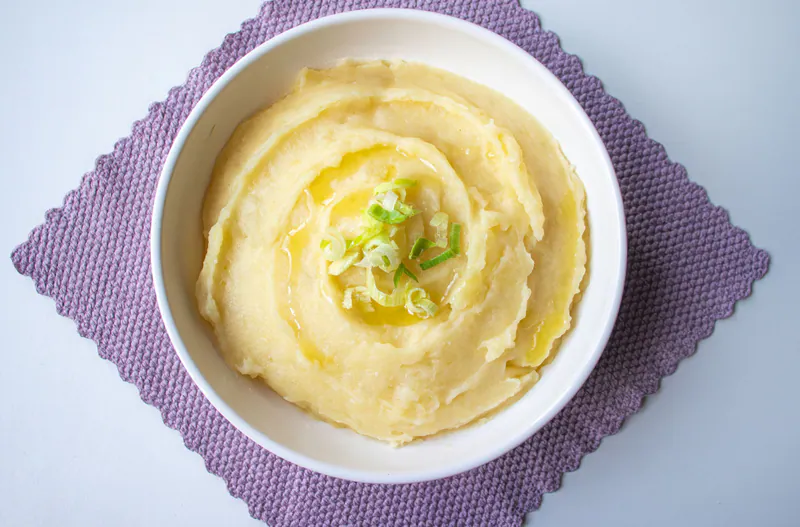
Creamy Mashed Potatoes
International · 32 min · 306 kcal · Vegetarian
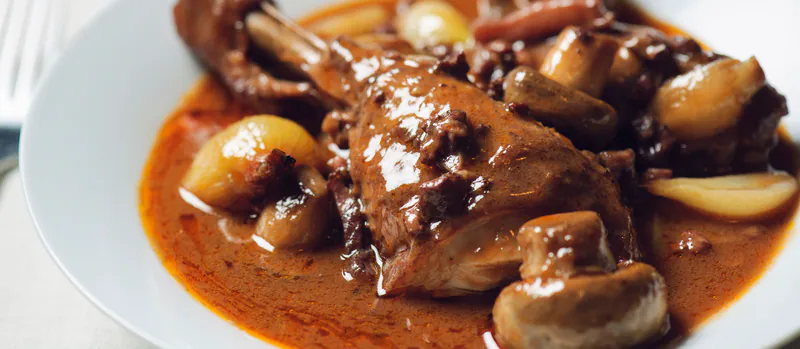
Coq au vin jaune aux morilles (Jura chicken with yellow wine and morels)
French · 2 h · 979 kcal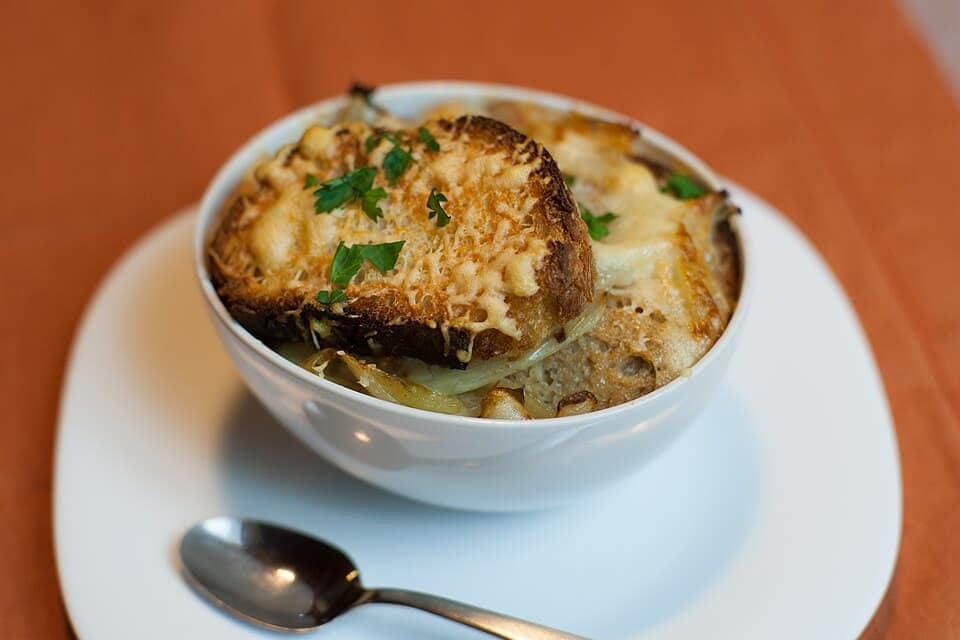
French onion soup
French · 1 h 45 min · 529 kcal