
Ingredients and chemistry · intermediate
Gluten development
Wheat proteins form an elastic network when wetted and worked, giving bread its chew and soft roti its stretch.
What happens
Wheat flour contains two main groups of proteins, glutenins and gliadins. When water is added they hydrate and link up into gluten: glutenins give strength and springiness, gliadins give stretch. Kneading, folding or simply time lines up and strengthens this network, which can trap gas from yeast or steam so dough rises. Salt tightens the network. Fat, sugar, bran particles and extra liquid interfere with it and make the result more tender. Resting a dough lets the stretched network relax, so it rolls out without springing back. Barley and rye have related proteins but form much weaker networks; rice, millets, corn and pulses form none.
Why it matters in the kitchen
It is the reason bread is chewy and cake is tender, why paratha dough rests before rolling, and why some flours are better for some jobs.
Temperatures and conditions
- Ideal dough temperature for yeast doughs 24–27 °C · Common bakery target after mixing.
- Gluten network sets in the oven 70–90 °C · As starch gelatinises and proteins firm, the crumb structure fixes.
In practice
- Kneaded atta for roti and paratha, rested before rolling.
- Bread and pizza doughs, kneaded or stretch-and-folded until smooth and elastic.
- Cakes and biscuits, mixed briefly so they stay tender.
- Seitan, made from almost pure gluten.
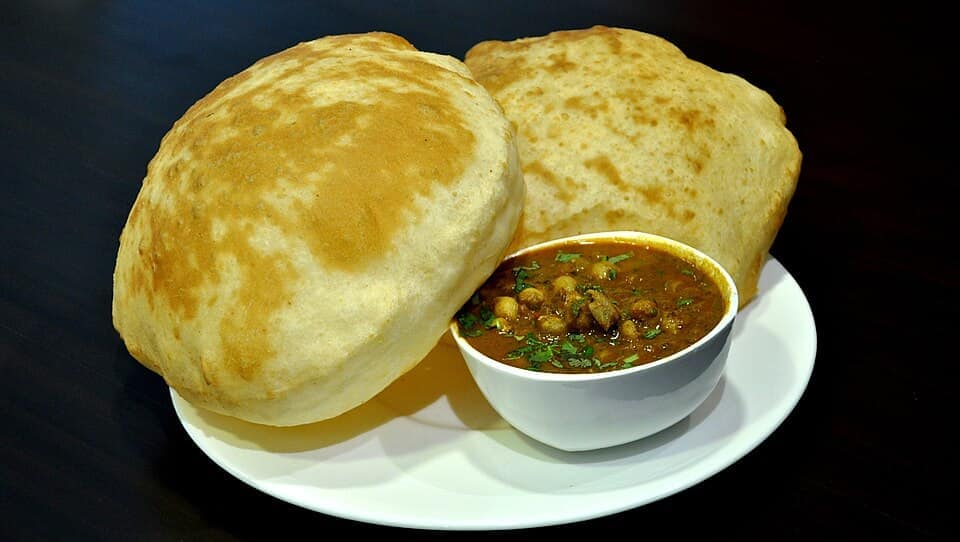
- Bhatura and naan doughs made softer with yogurt and fat.
Myths and facts
Myth: Good bread needs long, hard kneading.
Fact: Time does much of the work. Given several hours or an overnight rest, a wet dough develops strong gluten with only a few folds (the no-knead method).
Myth: Gluten-free flour is just low-gluten wheat flour.
Fact: Gluten-free flours contain no wheat, barley or rye proteins. They need binders such as psyllium, xanthan or eggs to hold together, because they can't form a gluten network.
Myth: Salt kills or weakens dough.
Fact: Salt at normal bread levels (about 1.8–2% of the flour weight) strengthens gluten and slows yeast a little, which improves flavour and structure.
Use it to cook better
- Use stronger, higher-protein flour for chewy breads and lower-protein flour for cakes and tender pastries.
- Rest roti, paratha and pastry dough for at least 15–30 minutes so it rolls easily without shrinking back.
- Mix muffins, pancakes and cake batters only until combined to avoid toughness.
- Check bread dough with the windowpane test: a small piece stretched thin should let light through without tearing.
- Whole-wheat flour absorbs more water and its bran cuts gluten strands; give it more water and longer rest.
Try it at home
Wash out the gluten
You need: 100 g plain or bread flour, About 60 ml water, A bowl of cold water, A sieve
- Knead the flour and water into a smooth dough for 5 minutes, then rest it for 20 minutes.
- Hold it under a gentle stream of water (or knead it in a bowl of water, changing the water as it turns milky).
- Keep washing until the water runs nearly clear and only a sticky, stretchy ball is left.
- Stretch the ball and compare it with the original dough.
What you’ll see: The milky water is starch; the elastic, chewing-gum-like ball left behind is gluten. Try with whole-wheat flour or rice flour: the first gives less, the second none.
Going deeper
Gluten strength comes from disulphide bonds between glutenin chains, plus weaker hydrogen bonds. Mixing stretches and aligns the proteins and helps bonds rearrange. An autolyse, mixing just flour and water and resting before adding salt and yeast, lets enzymes and hydration start the network with less work. Protein content is a rough guide to strength: bread flour is usually about 12–14% protein, plain flour about 10–12% and cake flour about 7–9%, but protein quality and the variety of wheat matter too.
Ingredients it affects most
Techniques that rely on it
Worth double-checking
- Flour protein percentages vary by country and brand; check packet labels.
- Indian atta protein content varies widely with wheat variety and milling.
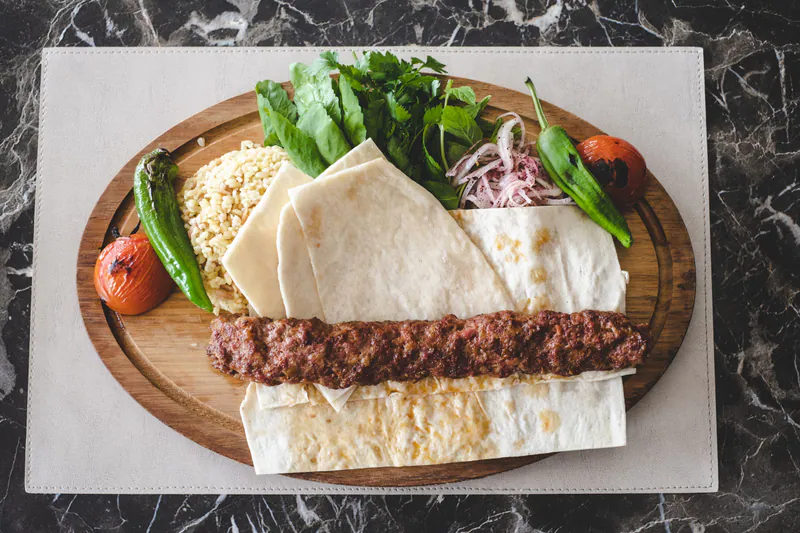
 Turkish · 1 h 7 min · 438 kcal
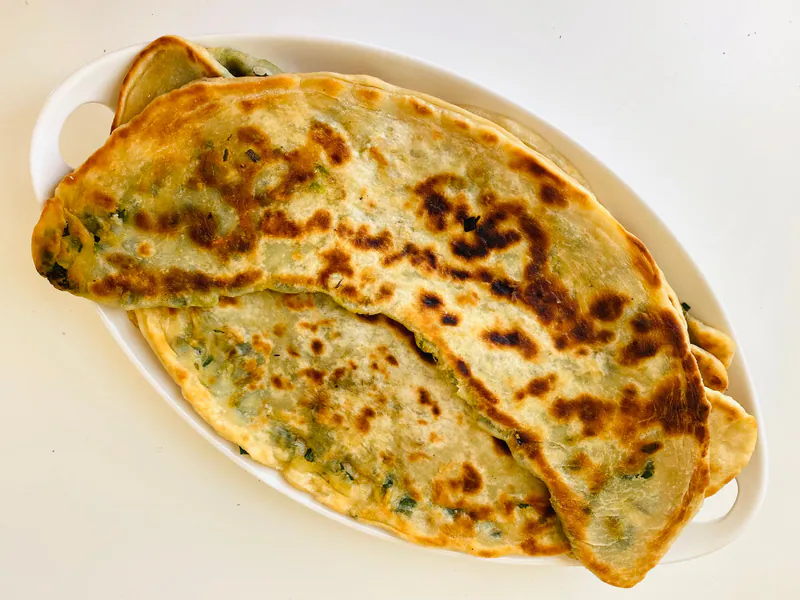
 Punjabi · 1 h 15 min · 430 kcal ·
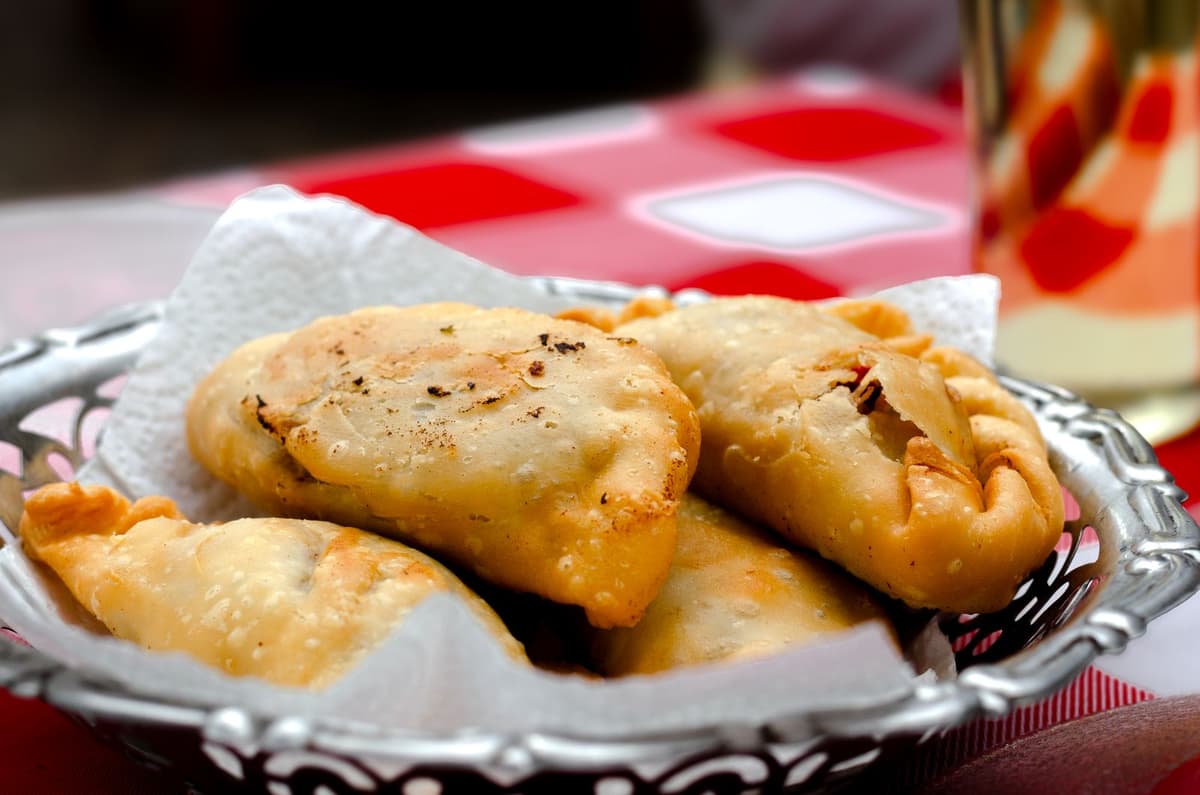
 Argentine · 2 h 20 min · 498 kcal
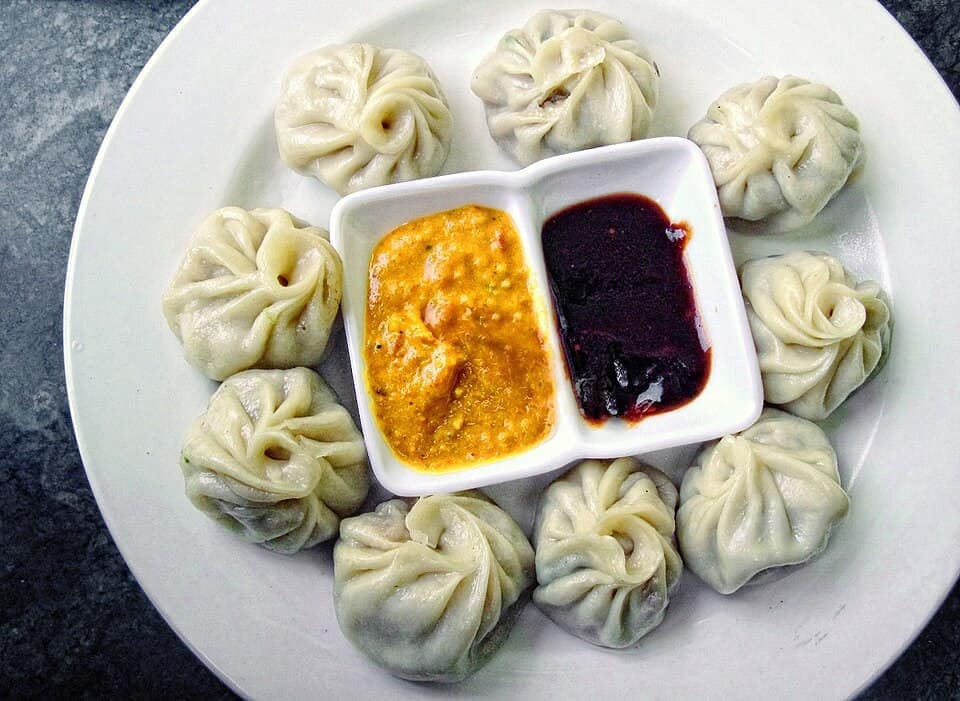
 Nepalese · 2 h · 518 kcal
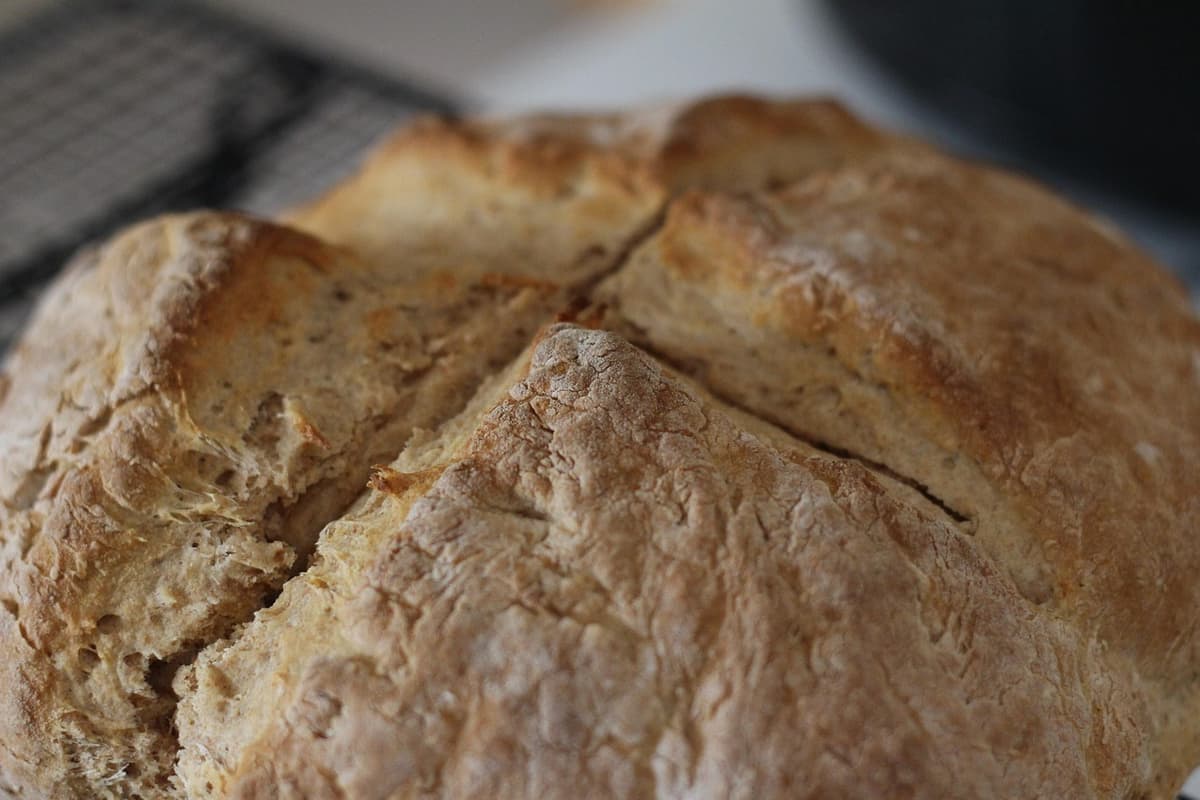
 Irish · 1 h 20 min · 225 kcal ·
 Georgian · 2 h · 957 kcal ·
 Polish · 2 h 5 min · 451 kcal ·
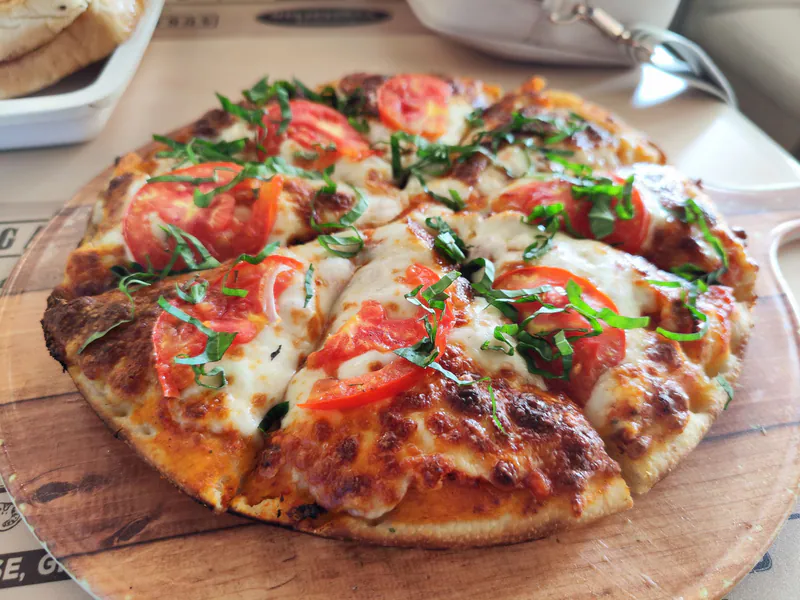
 Italian · 3 h 27 min · 756 kcal ·