
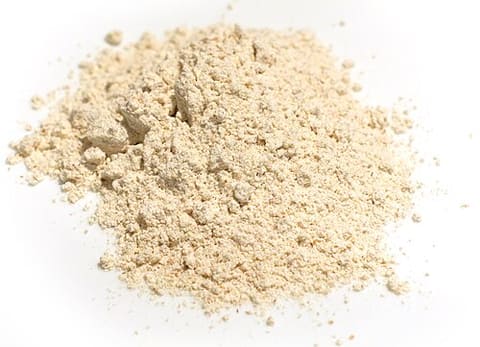
Grains, rice & flours · Flours
Spelt flour
Flour from spelt, an ancient wheat; sweet and nutty with fragile gluten that over-kneads easily.
Also called: dinkel flour, wholegrain spelt
A kind of all-purpose flour
Photo: Basotxerri, via Wikimedia Commons (CC-BY-SA-4.0)
What it is
Spelt is a hulled species of wheat related to common wheat. Its flour, sold wholegrain or white, has a mild, nutty sweetness. Spelt gluten is extensible but weaker, so dough feels slack, ferments faster and tears if worked too hard. It is wheat and contains gluten, so it is not suitable for coeliacs.
Triticum spelta
How it’s used
- Rustic breads and sourdough
- Pancakes, muffins and quick breads
- Pasta and crackers
- Substitute for part of the wheat flour in baking
Characteristics
Storage
Cool, dry and dark. Airtight in a cool place; wholegrain spelt keeps better in the fridge or freezer.
Diet, allergens and safety
Contains Wheat, Gluten.
- Vegetarian
- Vegan
- Dairy-free
- Egg-free
- Gluten-free
- Nut-free
- Soy-free
- Caffeine-free
- Contains wheat and gluten; unsuitable for people with coeliac disease or a wheat allergy.
- Raw flour is not a ready-to-eat food and can carry harmful bacteria; do not taste raw dough or batter, and wash hands and surfaces after handling.
Nutrition per 100 g
- Energy
- 338 kcal
- Protein
- 14.57 g
- Carbohydrate
- 70.19 g
- Fat
- 2.43 g
- Fibre
- 10.7 g
- Sugars
- 6.82 g
USDA FoodData Central: Spelt, uncooked (a close stand-in).
Substitutes
Optional — what works if you don’t have it, and how it changes the dish.
- Whole-wheat flour — Swap 1:1 by weight; add a little more water and expect a denser, stronger dough.
Related ingredients
Recipes with spelt flour
No recipe in the catalogue uses it yet.
More flours
Flours
All-purpose flour
Medium-protein refined wheat flour (about 9–12% protein) that suits most cakes, sauces, pastry and everyday bread.
444 recipes
Flours
Bread flour
Strong, high-protein wheat flour (about 12–14% protein) that builds elastic gluten for chewy, well-risen yeast breads.
38 recipes
Flours
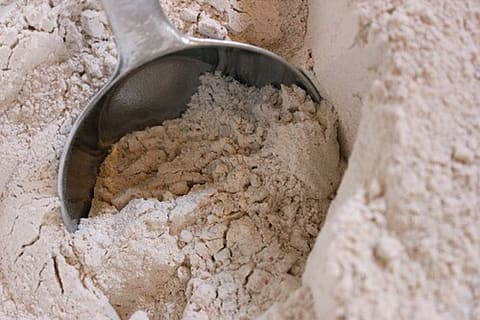
Whole-wheat flour
Flour milled from the whole wheat kernel, bran and germ included; nuttier, darker and thirstier than white flour. Includes atta.
53 recipes
Flours
Semolina
Coarse, golden granules milled from durum wheat; used for pasta, upma, halwa, puddings and dusting pizza peels.
26 recipes
Flours
Barley flour
Mild, slightly sweet flour from barley with weak gluten; often toasted, as in Tibetan tsampa or Bazin.
1 recipe
Flours
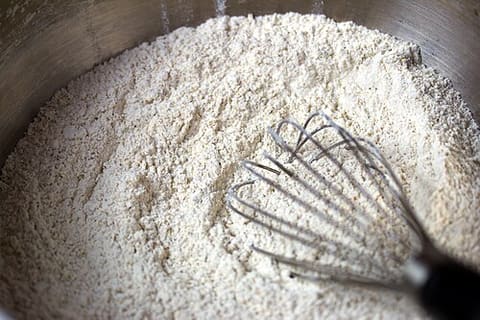
Rye flour
Flour from rye grain; low in gluten-forming ability but rich in gums, giving dense, moist, tangy breads.
9 recipes
Flours
Finger millet flour (ragi)
Reddish-brown flour of finger millet, used for ragi mudde, dosas, rotis, porridge and malt drinks; naturally gluten-free.
2 recipes