
Grains, rice & flours · Flours
Semolina
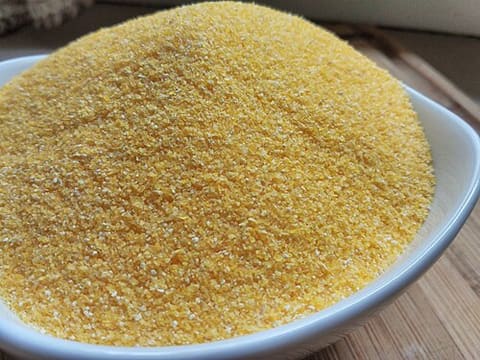
Coarse, golden granules milled from durum wheat; used for pasta, upma, halwa, puddings and dusting pizza peels.
Also called: sooji, suji, rava, irmik, durum wheat semolina
What it is
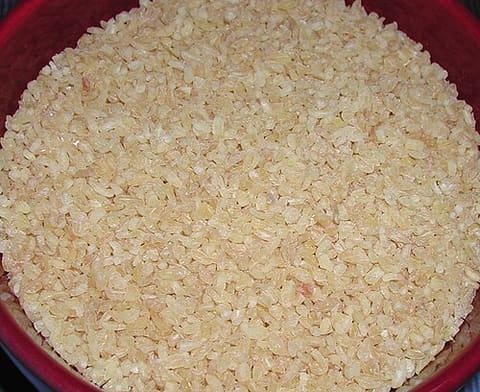
Semolina is the coarse, gritty middling of wheat, most often hard durum wheat, which gives it a pale yellow colour. Fine semolina (sooji or rava in India) cooks quickly into porridges, halwa and upma; finely re-milled 'semola rimacinata' is used for pasta and bread. It is different from cornmeal, which comes from maize, and from couscous, which is semolina rolled into pellets.
Triticum durum
How it’s used
- Upma, rava dosa and rava idli
- Sooji halwa, revani and basbousa
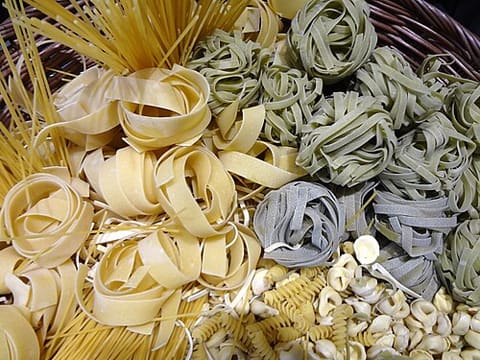
- Fresh egg-free pasta with durum semolina
- Dusting peels and trays so dough slides
- Semolina pudding and gnocchi alla romana
Characteristics
- Texture
- Sandy and granular; creamy when cooked in liquid.
- When cooked
- Swells quickly in hot liquid; toasting it in fat first keeps grains separate in upma and halwa.
- Sold as
- ground
- Cooking uses
- Commonly cooked, Suitable for baking, Suitable for boiling, Used for thickening
Storage
Pantry-stable. Airtight in a cool, dry cupboard; dry-roasting before storing helps deter weevils in warm climates.
Diet, allergens and safety
Contains Wheat, Gluten.
- Vegetarian
- Vegan
- Dairy-free
- Egg-free
- Gluten-free
- Nut-free
- Soy-free
- Caffeine-free
- Contains wheat and gluten; unsuitable for people with coeliac disease or a wheat allergy.
Nutrition per 100 g
- Energy
- 360 kcal
- Protein
- 12.68 g
- Carbohydrate
- 72.83 g
- Fat
- 1.05 g
- Fibre
- 3.9 g
- Sugars
- — g
USDA FoodData Central: Semolina, enriched.
Substitutes
Optional — what works if you don’t have it, and how it changes the dish.
- Cornmeal — For dusting or polenta-style porridge; it is gluten-free and tastes of corn.
Related ingredients
Recipes with semolina
See all 26Bakarkhani (Hyderabadi style)
 Indian · 2 h · 266 kcal · Vegetarian
Batbout (Moroccan pan pocket bread)
 Moroccan · 2 h 5 min · 112 kcal · Vegan
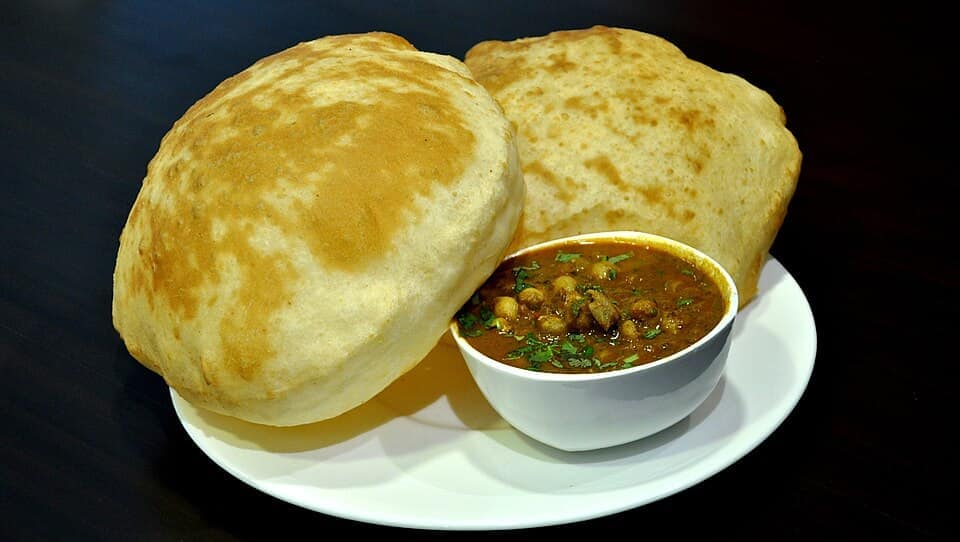
Chole bhature
Punjabi · 3 h 35 min · 727 kcal · VegetarianCiabatta
 Italian · 16 h 55 min · 237 kcal · Vegan
English muffins
 British · 2 h 40 min · 215 kcal · Vegetarian
Fresh egg pasta (pasta all'uovo)
Italian · 1 h 13 min · 436 kcal · Contains egg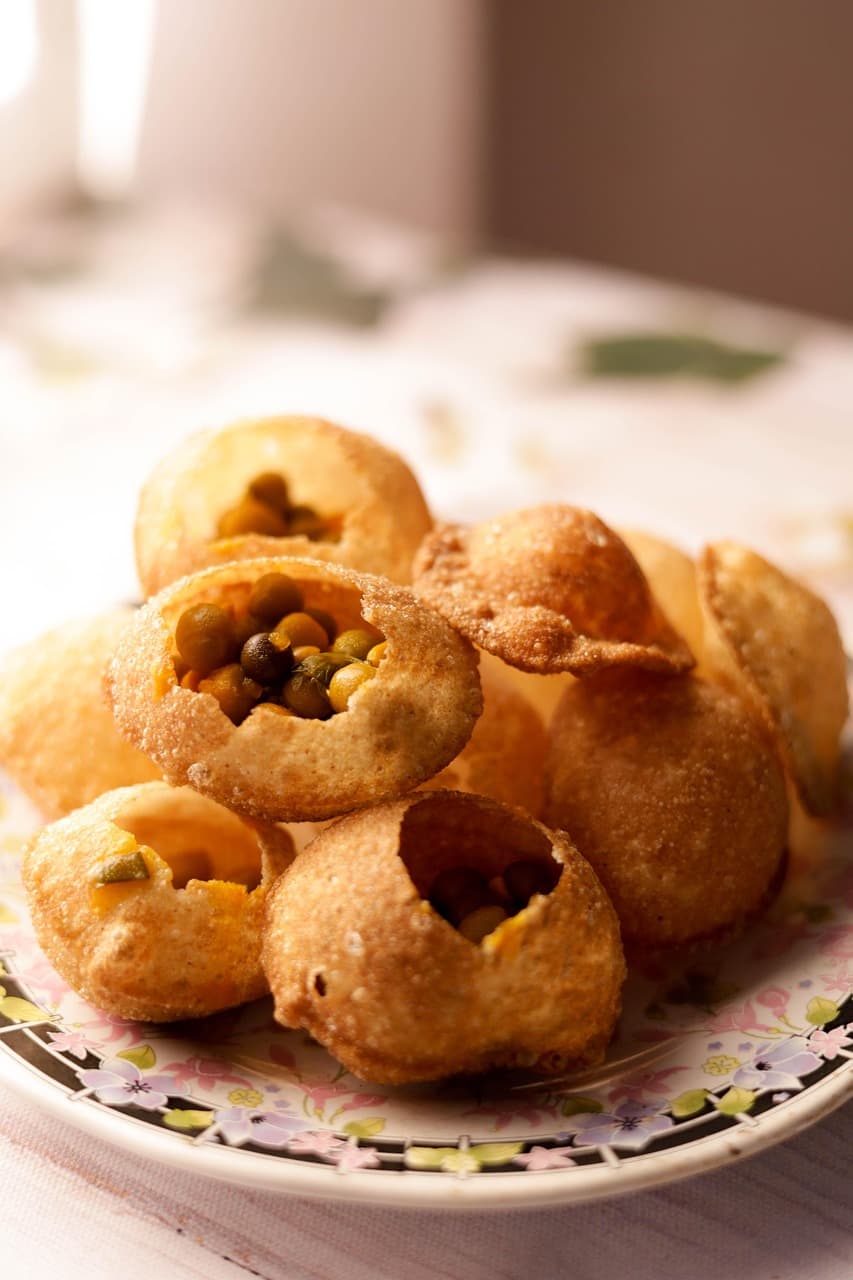
Fuchka
 Bangladeshi · 2 h 10 min · 401 kcal · Vegetarian
Galaktoboureko
 Greek · 3 h 30 min · 421 kcal · Contains egg
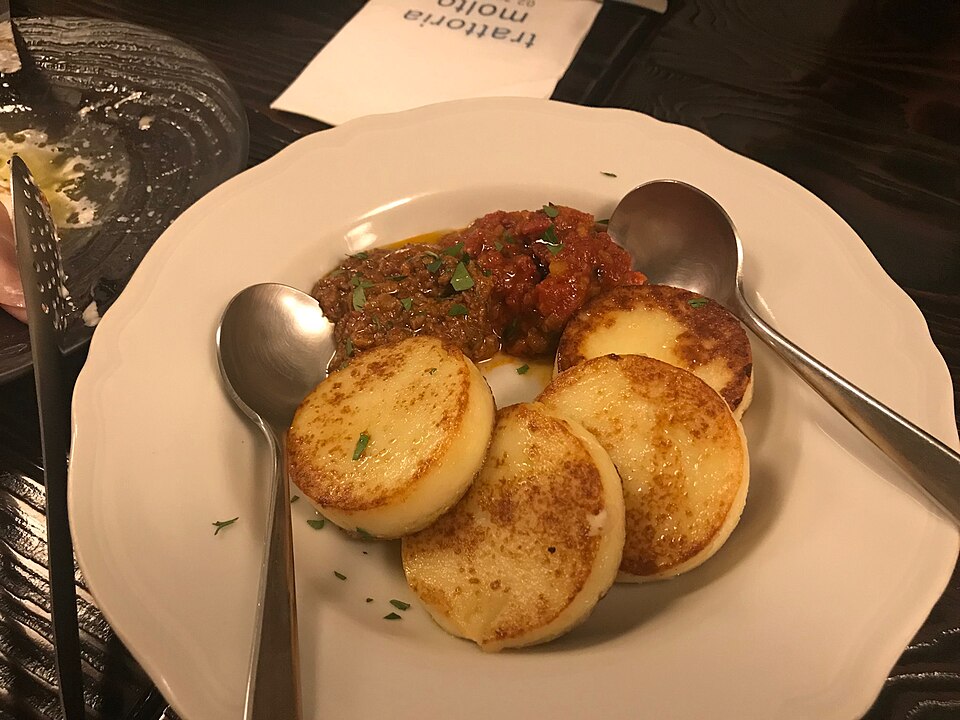
Gnocchi alla romana (baked semolina gnocchi)
Italian · 1 h 50 min · 651 kcal · Contains egg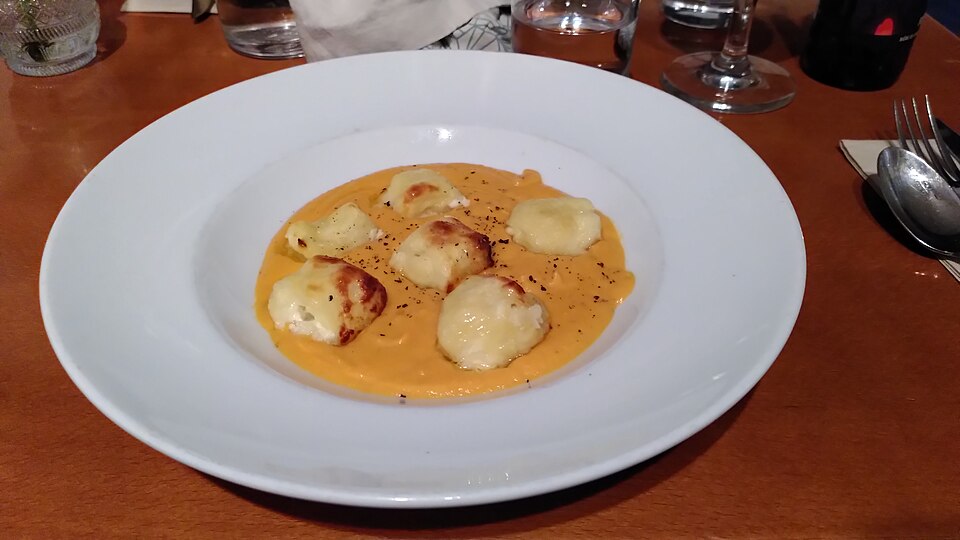
Gnudi (Tuscan spinach and ricotta dumplings)
Italian · 1 h 45 min · 640 kcal · Contains egg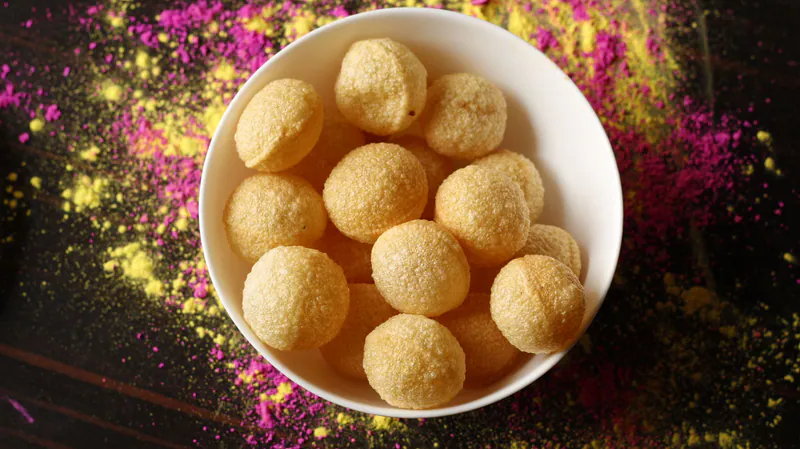
Gol gappay
 Pakistani · 1 h 30 min · 366 kcal · Vegan
Grissini torinesi
Italian · 2 h 18 min · 55 kcal · Vegan
14 more
- Halwa puri · Pakistani
- Harcha (Moroccan semolina griddle cakes) · Moroccan
- Khaman dhokla · Gujarati
- Khobz (Moroccan round bread) · Moroccan
- Ma'amoul with dates · Levantine
- Mhadjeb · Algerian
- Msemen · Moroccan
- Nankhatai · Indian
- Pici all'aglione · Italian
- Pizza Margherita · Italian
- Sfouf · Lebanese
- Sooji halwa · Indian
- Stracciatella alla romana · Italian
- Upma · South Indian
More flours
Flours
All-purpose flour
Medium-protein refined wheat flour (about 9–12% protein) that suits most cakes, sauces, pastry and everyday bread.
444 recipes
Flours
Bread flour
Strong, high-protein wheat flour (about 12–14% protein) that builds elastic gluten for chewy, well-risen yeast breads.
38 recipes
Flours
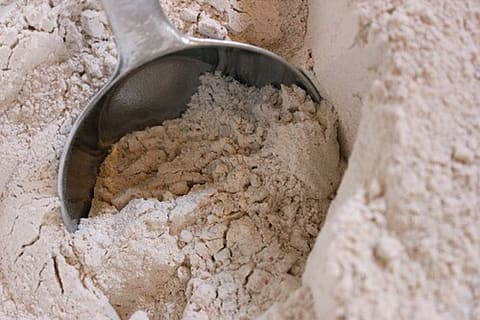
Whole-wheat flour
Flour milled from the whole wheat kernel, bran and germ included; nuttier, darker and thirstier than white flour. Includes atta.
53 recipes
Flours
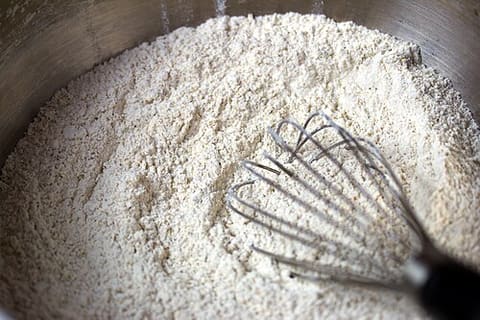
Barley flour
Mild, slightly sweet flour from barley with weak gluten; often toasted, as in Tibetan tsampa or Bazin.
1 recipe
Flours
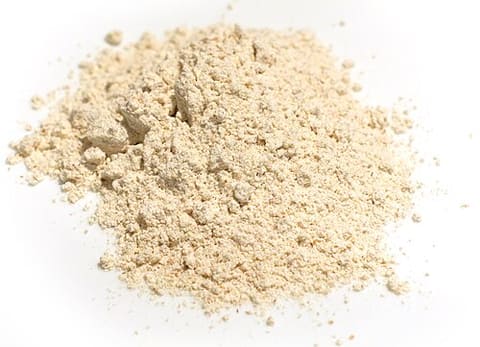
Rye flour
Flour from rye grain; low in gluten-forming ability but rich in gums, giving dense, moist, tangy breads.
9 recipes
Flours
Spelt flour
Flour from spelt, an ancient wheat; sweet and nutty with fragile gluten that over-kneads easily.
No recipes yet
Flours
Finger millet flour (ragi)
Reddish-brown flour of finger millet, used for ragi mudde, dosas, rotis, porridge and malt drinks; naturally gluten-free.
2 recipes