Cuisine
Georgian
The Caucasus cuisine of walnut sauces, cheese breads, soup dumplings, fresh herbs and sour plum sauce, served at the supra feast with a toastmaster and ancient qvevri wine.
Flavour character: Herby, nutty and tangy: ground walnuts with garlic and blue fenugreek, khmeli suneli spice mix, coriander and tarragon, sour plum (tkemali) and pomegranate, salty sulguni cheese.
History
Georgia has one of the oldest winemaking traditions in the world, and its method of fermenting wine in buried clay qvevri was inscribed by UNESCO in 2013. Lying on Silk Road routes between Persia, the Ottoman Empire and Russia, it absorbed spices and techniques while keeping a distinct identity built on walnuts, herbs, cheese and bread. The supra feast, led by a tamada (toastmaster), structures Georgian hospitality. Georgian restaurants were highly fashionable across the Soviet Union.
Well documented
Geography and influences
Between the Greater and Lesser Caucasus, from the subtropical Black Sea coast (Adjara, Samegrelo) to the wine valleys of Kakheti and high mountain villages.
- Persian cooking
- Ottoman cooking
- Russian and Soviet period
- Mountain shepherd traditions
Regional variations
- Samegrelo (Mingrelia)
- Spiciest: adjika, elarji, gebzhalia and Megrelian khachapuri.
- Adjara
- Boat-shaped Adjarian khachapuri with egg and butter.
- Kakheti
- Wine country: mtsvadi, shoti bread, qvevri wine.
- Mountain regions (Pshavi, Tusheti, Khevsureti)
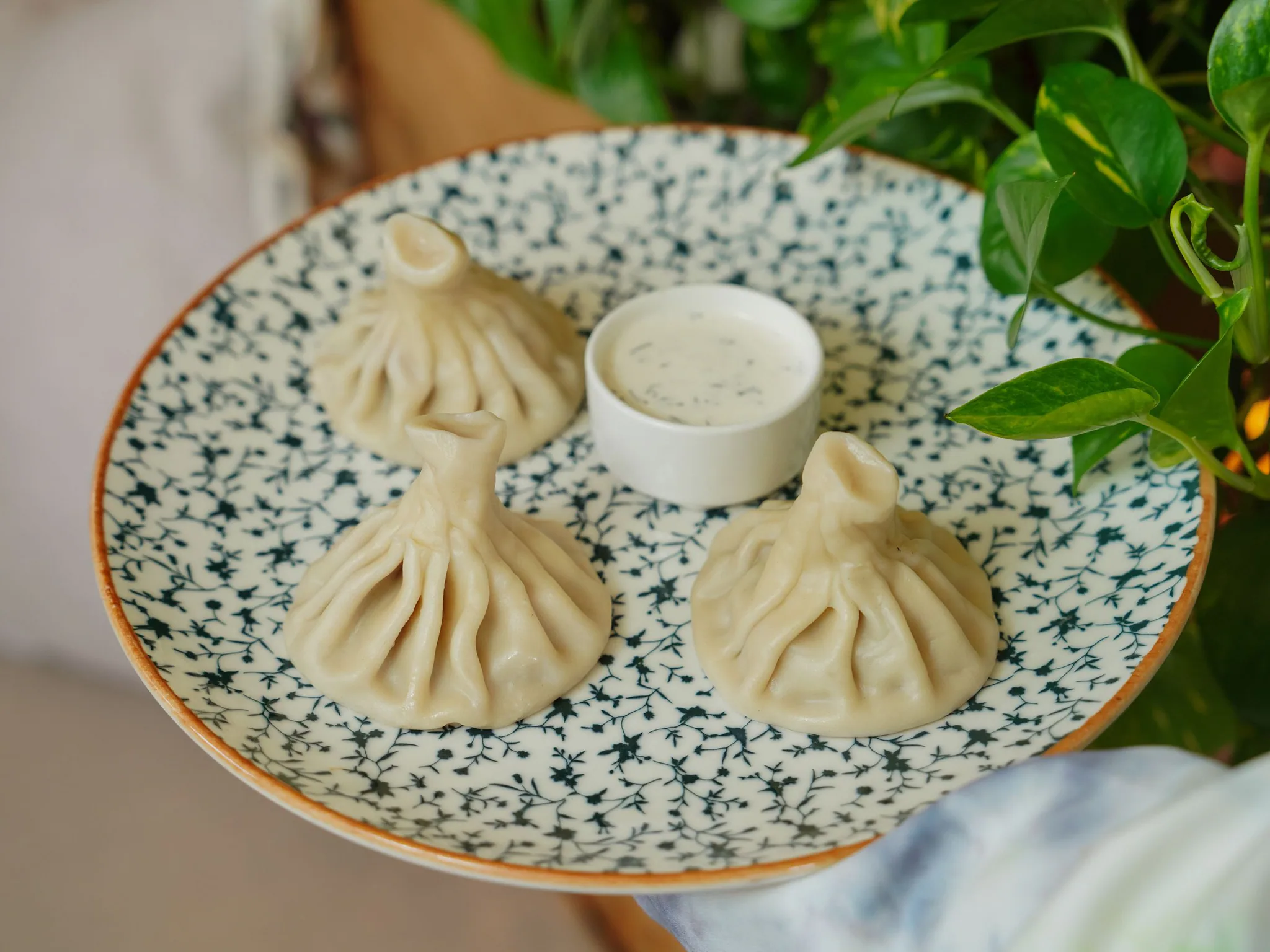
- Khinkali and hearty meat and cheese dishes.
Festive and seasonal food
- Satsivi and gozinaki (walnut-honey brittle) at New Year
- Churchkhela made at the grape harvest (rtveli)
- Supra feasts for every celebration
Signature dishes
- Khachapuri adjaruli
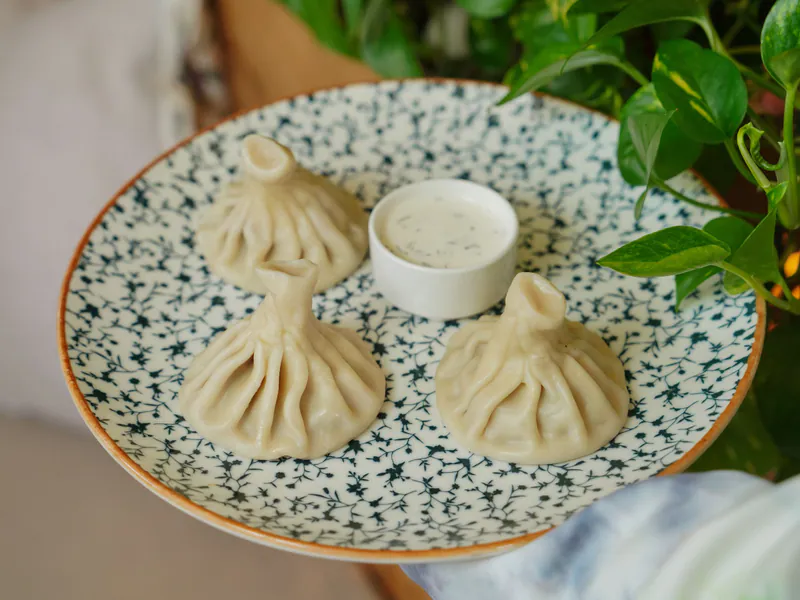
- Khinkali
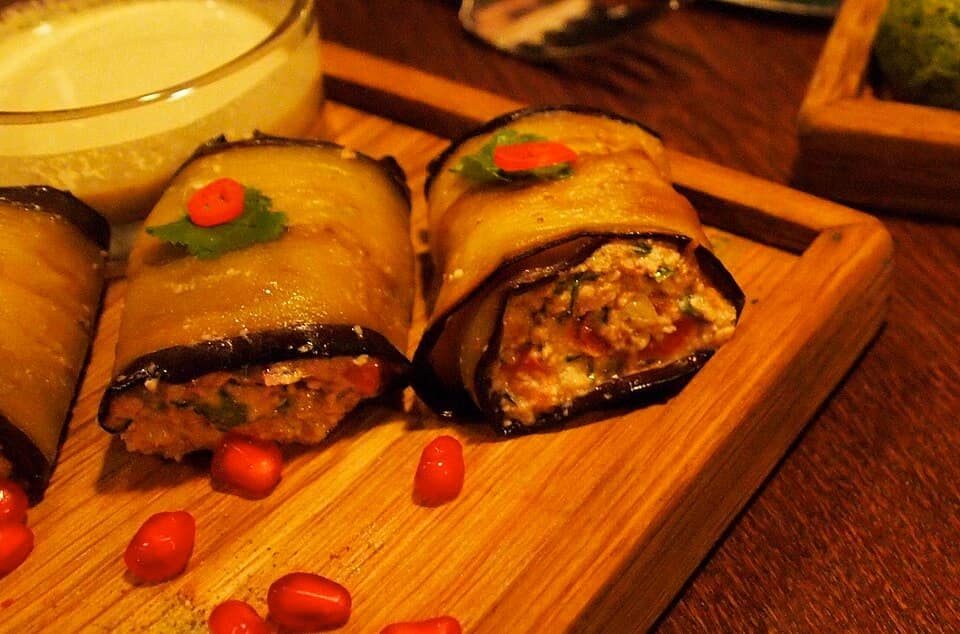
- Badrijani nigvzit
- Lobio
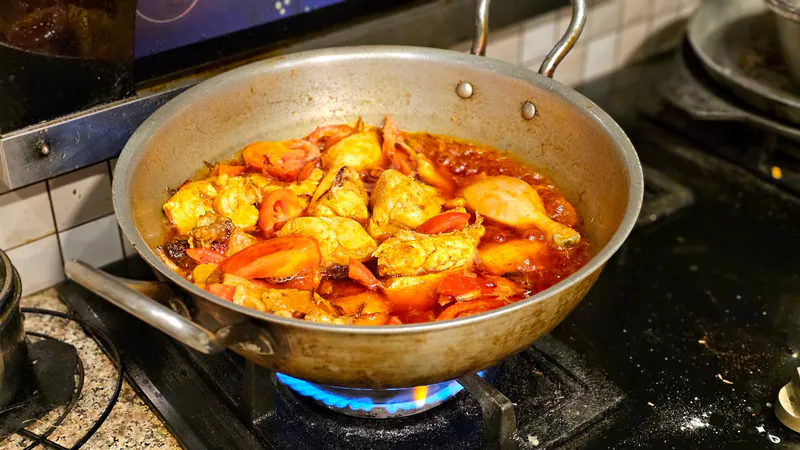
- Chakhokhbili
- Satsivi
- Spinach pkhali
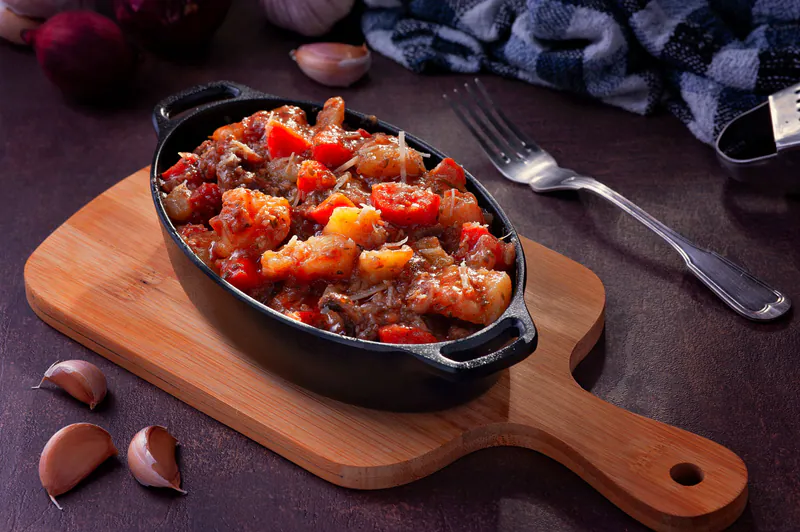
- Chakhapuli
- Ajapsandali
- Chikhirtma
- Churchkhela
Not on the site yet: Shkmeruli (chicken in garlic milk), Mtsvadi (skewered meat), Imeruli khachapuri, Elarji
 Georgian · 1 h 20 min · 13 kcal ·