
Fruits · Citrus
Mandarin
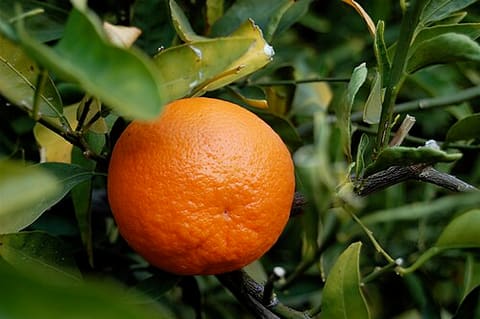
Small, sweet, easy-peel citrus fruit (tangerine, clementine, satsuma); eaten fresh and used in salads and desserts.
Also called: tangerine, clementine, satsuma, mandarin orange
Photo: Barfooz (Brent Ramerth), via Wikimedia Commons (CC-BY-SA-3.0)
What it is
Mandarins are small, slightly flattened citrus with thin, loose skin that peels easily and sweet, juicy segments. Clementines are usually seedless and very sweet; satsumas are seedless and extra-easy to peel; tangerines are deeper orange and slightly tarter. They are sweeter and less acidic than oranges.
Citrus reticulata
How it’s used
- Eaten fresh as a snack
- Segments in salads and desserts
- Juice and zest in syrups, cakes and sauces
- Dried peel used as a seasoning in Chinese cooking
Characteristics
Storage
Refrigerated. Keep in the fridge for a week or two, or a few days at room temperature.
Diet, allergens and safety
No major allergens in typical versions.
- Vegetarian
- Vegan
- Dairy-free
- Egg-free
- Gluten-free
- Nut-free
- Soy-free
- Caffeine-free
Nutrition per 100 g
- Energy
- 53 kcal
- Protein
- 0.81 g
- Carbohydrate
- 13.34 g
- Fat
- 0.31 g
- Fibre
- 1.8 g
- Sugars
- 10.58 g
USDA FoodData Central: Tangerines, (mandarin oranges), raw.
Substitutes
Optional — what works if you don’t have it, and how it changes the dish.
- Orange — Swap in salads and juice; tarter and harder to segment.
Related ingredients
Recipes with mandarin
No recipe in the catalogue uses it yet.
More citrus
Citrus
Orange
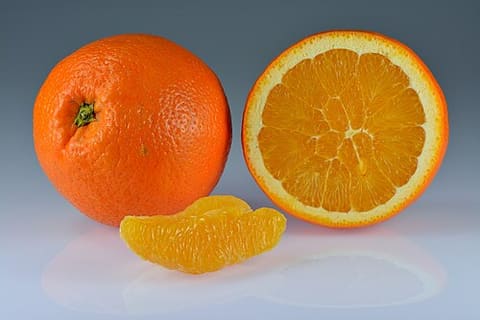
Sweet, juicy citrus fruit with an orange rind; eaten fresh, juiced and used in salads, marinades and baking.
31 recipes
Citrus
Orange juice
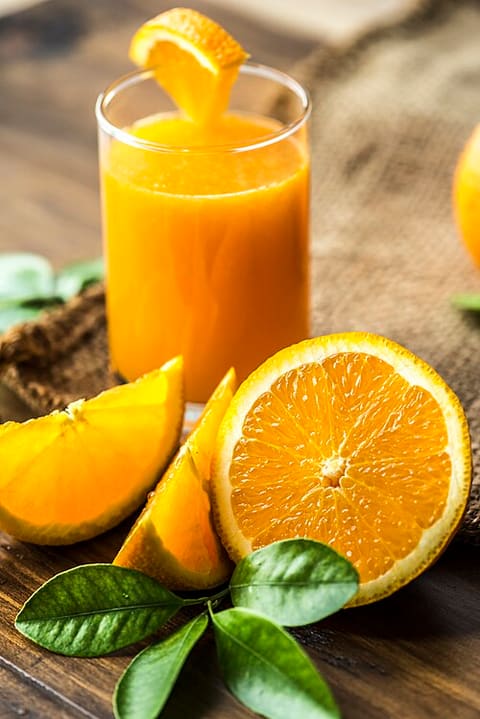
Juice of sweet oranges, fresh or bottled; drunk on its own and used in marinades, glazes, cakes and smoothies.
13 recipes
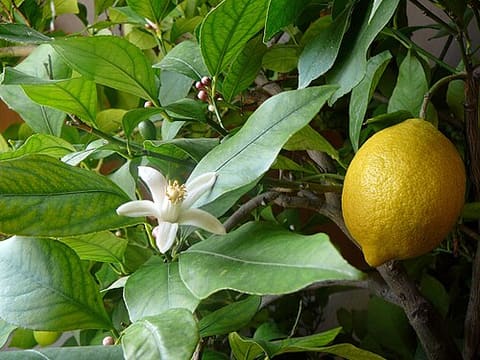
Citrus
Lemon
Bright yellow, sour citrus fruit; its juice, zest and flesh add acidity and fresh aroma to almost every cuisine.
341 recipes
Citrus
Lemon juice
The sour juice squeezed from lemons; adds brightness, balances richness and stops cut fruit browning.
272 recipes
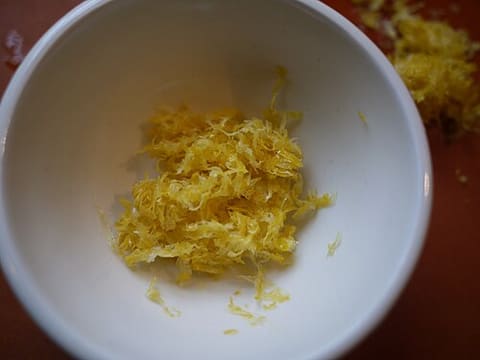
Citrus
Lemon zest
The finely grated yellow outer skin of a lemon, rich in aromatic oils; adds citrus fragrance without acidity.
29 recipes
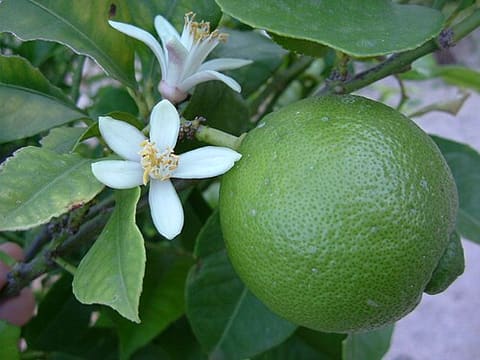
Citrus
Lime
Small, green, sour citrus fruit; its juice and zest season Thai, Mexican, Indian and Caribbean food.
188 recipes
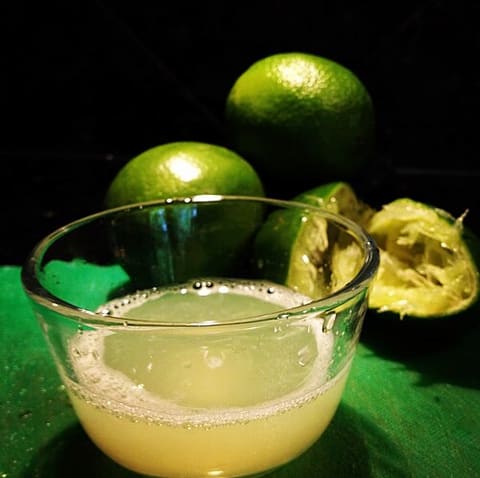
Citrus
Lime juice
Sharp juice of fresh limes; sours ceviche, salsas, Thai salads and drinks.
140 recipes
Citrus
Preserved lemon
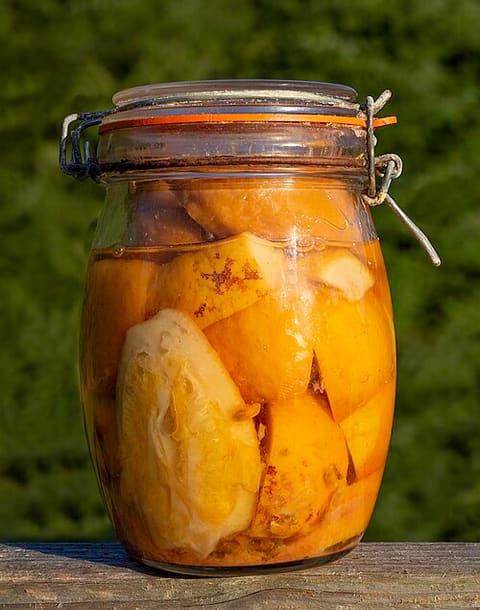
Lemons cured in salt and their own juice until soft; the rind adds a mellow, salty-lemony depth to tagines and salads.
2 recipes