
Fresh orange juice
Vegetarian
Juicy oranges squeezed to order and drunk straight away, with or without the pulp. Sweet, tart and far brighter than anything from a carton.
Fresh orange juice is an International juice, ready in about 10 minutes and made with orange. It serves 2 and is rated beginner to cook.

- Prep
- 10 min
- Cook
- 0 min
- Total
- 10 min
- Serves
- 2
- Level
- Beginner
- Calories
- 99
Method
Step 1
Wash the oranges (opens in a new tab) and roll each one firmly on the worktop under your palm — this breaks the juice cells and makes squeezing easier.
- 2 min
Step 2
Halve the oranges (opens in a new tab) across the middle and squeeze each half on a citrus press, twisting until only the membrane is left.
- 6 min
- Chef's knife (opens in a new tab)
- Chopping board (opens in a new tab)
- Citrus press / reamer (opens in a new tab)
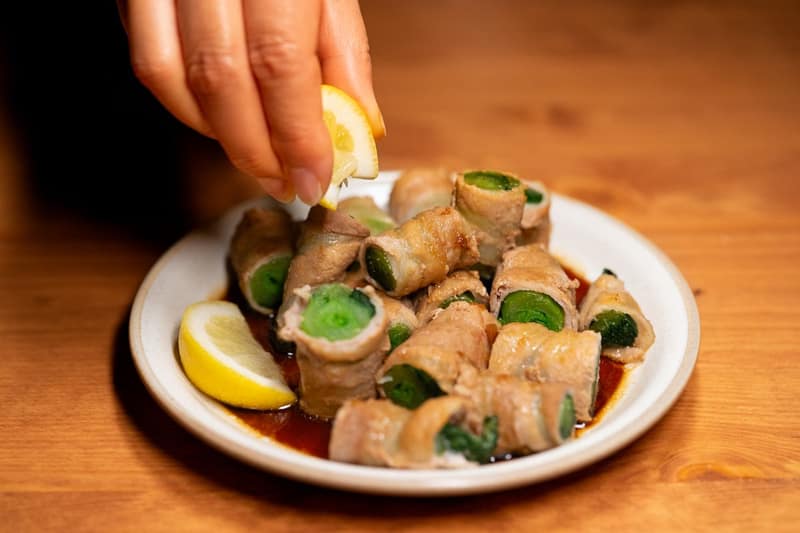
How it looks · Photo: Gu Ko on Pexels Step 3
For pulp-free juice pour it through a fine sieve; for pulpy juice just pick out any pips. Pour into glasses, over ice if you like, and drink straight away.
Fresh juice starts to taste flat and slightly bitter after a few hours as the aroma fades.
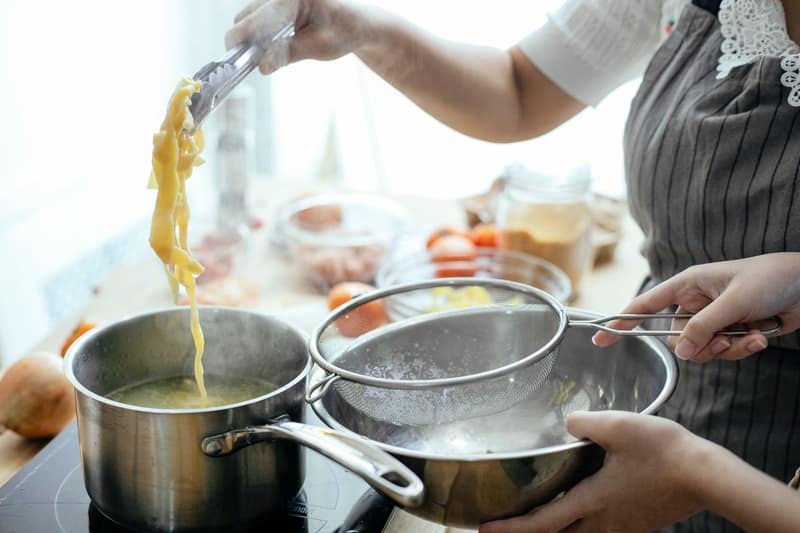
How it looks · Photo: Katerina Holmes on Pexels
About this dish
- Origin
- Not attributed to one place · Origin uncertainA home kitchen staple made in many countries; no single origin.Also popular in Spain, United States, Brazil, Türkiye, Morocco
- Dish
- Breakfast · Brunch · Juices · Cold drinks
- Cooking method
- Raw, No-cook
- Taste
- citrusy, sweet, fresh
- Diet
- Vegan · No gluten ingredients · Dairy-free · No nut ingredients · Low-carbWorked out from the ingredients. How labels work
All labels
Vegan · Plant-based · Vegetarian (lacto-ovo) · Eggetarian · Lacto-vegetarian · Ovo-vegetarian · Pescatarian · Flexitarian-friendly · Whole-food focused · Paleo-style · No gluten ingredients · Dairy-free · Egg-free · No nut ingredients · No added sugar · Alcohol-free · Pork-free · Beef-free · Low-carb · Low-fat · Low-sodium · DASH-style · Carb-conscious - Good for
- Everyday · Child-friendly
- Cook more with
- Orange
Allergens
None of the 14 major allergens appear in the listed ingredients.
Based on typical versions of these ingredients and not verified allergen-free. Brands differ and cross-contact happens, so always check labels. For severe allergies, follow your clinician’s advice.
Nutrition
99 kcal per serving
Calculated1 serving ≈ 210 g · recipe makes 2
Where the energy comes from
- Protein 7%
- Carbohydrate 90%
- Fat 2%
| Nutrient | Per serving | Per 100 g* |
|---|---|---|
| Energy | 99 kcal | 47 kcal |
| Protein | 2 g | 0.9 g |
| Carbohydrate | 24.7 g | 11.8 g |
| Net carbohydrate | 19.6 g | 9.4 g |
| Sugars | 19.6 g | 9.4 g |
| Added sugars | 0 g | 0 g |
| Fibre | 5 g | 2.4 g |
| Fat | 0.3 g | 0.1 g |
| Saturated fat | 0 g | 0 g |
| Trans fat | 0 g | 0 g |
| Cholesterol | 0 mg | 0 mg |
| Sodium | 0 mg | 0 mg |
| Salt equivalent | 0 g | 0 g |
Vitamins & minerals per serving
- Potassium
- 380 mg
- Calcium
- 84 mg
- Iron
- 0.2 mg
- Magnesium
- 21 mg
- Vitamin A (RAE)
- 23 µg
- Vitamin C
- 112 mg
- Vitamin D
- 0 µg
- Vitamin B12
- 0 µg
- Folate (DFE)
- 63 µg
How these numbers were made
- Calculated from USDA FoodData Central (SR Legacy) per-100 g values and the listed quantities.
- *Per 100 g of combined raw ingredients; the cooked dish may weigh more or less.
- Optional ingredients are not included: ice.
- “—” means the value isn’t known for enough of the ingredients; it is never zero by default.
- Values are estimates for guidance, not for medical dosing. U.S. Department of Agriculture, Agricultural Research Service. FoodData Central, 2019. fdc.nal.usda.gov.
Good to know
Tips
- Room-temperature oranges give noticeably more juice than fridge-cold ones.
- Blood oranges in late winter make a ruby-red, berry-scented juice.
Common mistakes
- Pressing the pith hard into the reamer, which adds bitterness.
Serve with
- Serve with breakfast, or top up with sparkling water for a light spritz.
Food safety
- Fresh, unpasteurised juice has not been heat-treated. Wash produce well under running water, use clean equipment, drink it the same day and keep it chilled; pregnant people, young children, older adults and anyone with a weakened immune system may prefer pasteurised juice.
- Juicing removes most of the fibre, so a glass of fruit juice delivers the natural sugars of several pieces of fruit quickly; whole fruit is more filling.
Storage
- Best drunk immediately; keeps covered in the fridge for up to 24 hours, though the flavour fades.
Variations
- Orange and carrot: Juice two carrots and stir into the orange juice for a sweeter, earthier glass.
- Zumo de naranja (Spain): In Spain fresh orange juice is pressed to order in cafés and served with breakfast toast.
Original editorial recipe · FriendsPantry editorial · Not yet independently reviewed · Added · Updated
Recipe DNA
How this dish is built
Less sweet, dairy-free, caffeine-free or for more people — the original stays as it is.
Customise in Sip & BlendReviews & corrections
Reviews come from signed-in cooks and appear after a moderator checks them. We never show made-up ratings.
You might also like
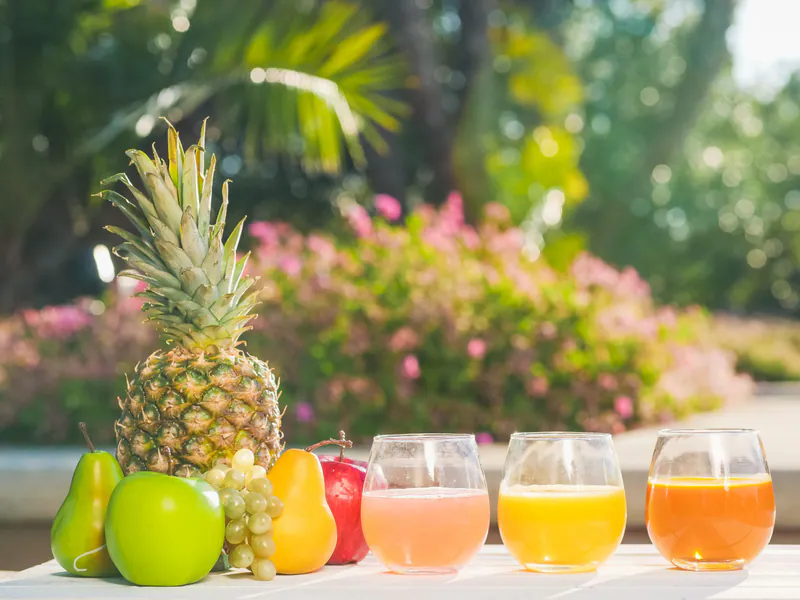
Mixed fruit juice
International · 15 min · 105 kcal · Vegan
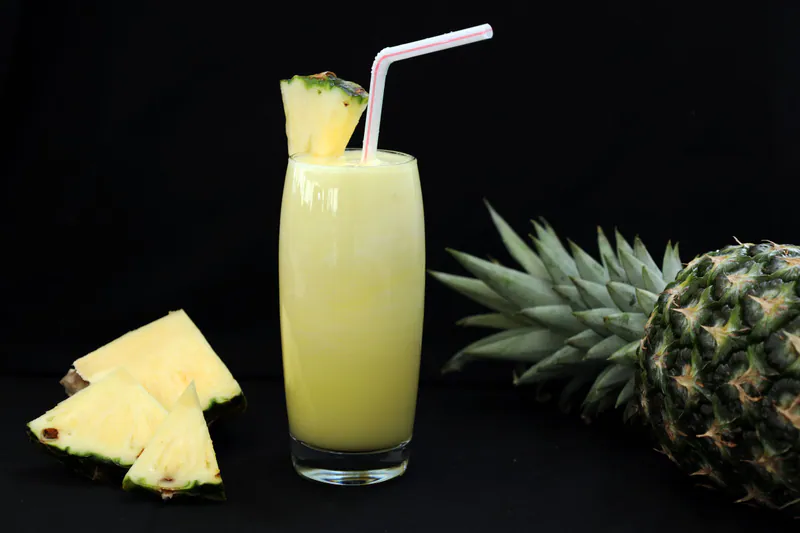
Fresh pineapple juice
International · 12 min · 105 kcal · Vegan
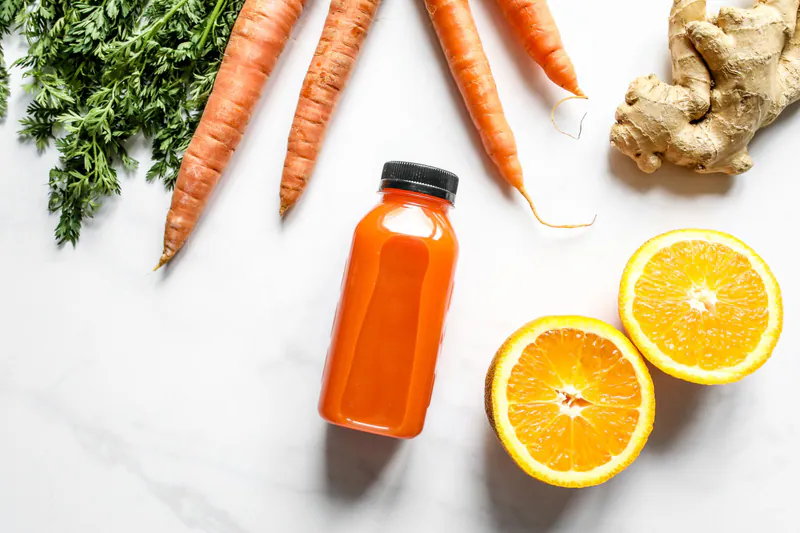
Orange, Carrot and Ginger Juice
International · 10 min · 177 kcal · Vegan
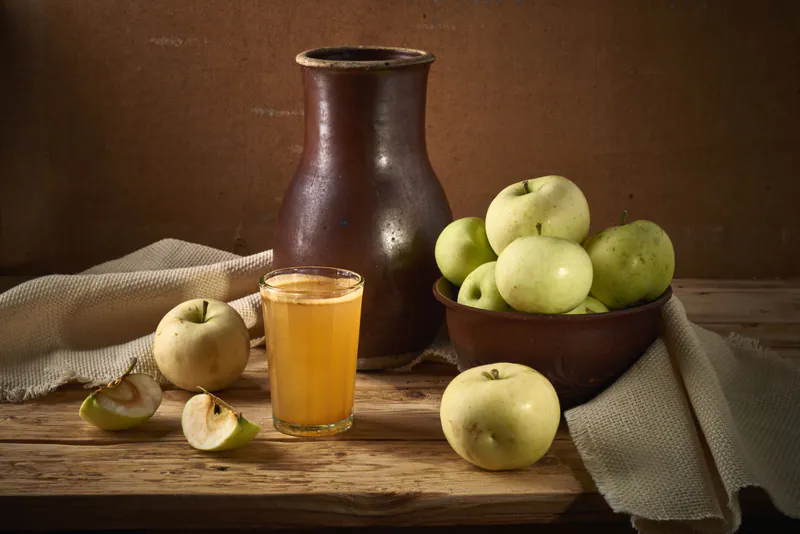
Fresh pressed apple juice
International · 10 min · 112 kcal · Vegan