
Sūpu karē (Sapporo soup curry)
Non-vegetarian
スープカレー · sūpu karē
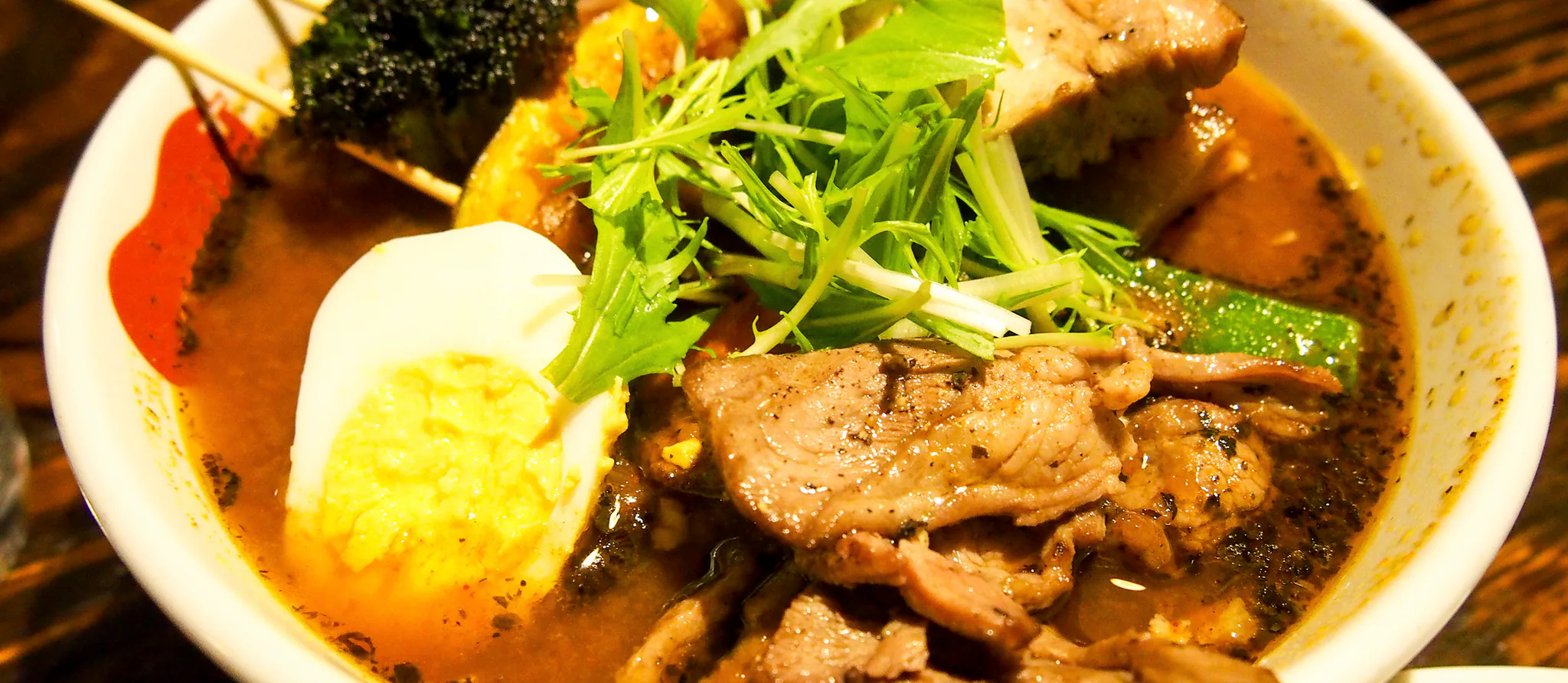
A thin, deeply spiced curry broth poured over a whole tender chicken leg and big pieces of fried vegetables, served with rice on the side to spoon into the soup. Sapporo's own curry style, very different from thick Japanese curry roux.
Sūpu karē (Sapporo soup curry) is a Japanese soup, ready in about 1 hour 40 minutes and made with chicken pieces, skin-on, curry powder and chicken stock. It serves 4 and is rated intermediate to cook.
- Prep
- 25 min
- Cook
- 1 h 15 min
- Total
- 1 h 40 min
- Serves
- 4
- Level
- Intermediate
- Calories
- 1287
Main ingredients
Ingredients
For the chicken
For the soup
For the vegetables
To serve
Method
Chicken
3 minStep 1
Rub the chicken legs (opens in a new tab) with the salt and garam masala (opens in a new tab) and leave while you start the soup.
- 3 min
Soup
1 h 5 minStep 2
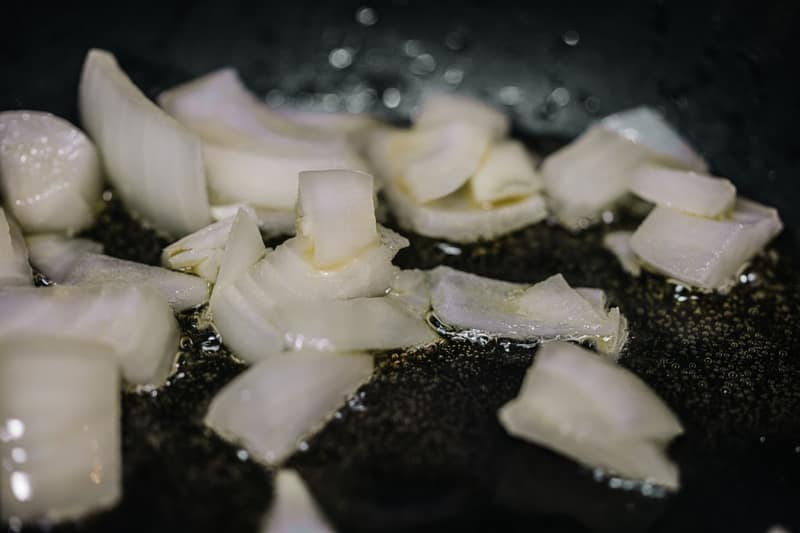
Heat 2 tbsp oil in a large pot and fry the cumin seeds (opens in a new tab), cardamom (opens in a new tab), cinnamon and bay leaves (opens in a new tab) for 30 seconds. Add the onions (opens in a new tab) and cook, stirring often, until deep golden-brown, about 15 minutes. Add the garlic (opens in a new tab), ginger and chilli and cook for 2 minutes, then the curry powder (opens in a new tab) for 1 minute.
- 20 min
- medium heat
- Stockpot / large pot (opens in a new tab)
Well-browned onions give the broth its depth and slight sweetness.
How it looks · Photo: Magda Ehlers on Pexels Step 3
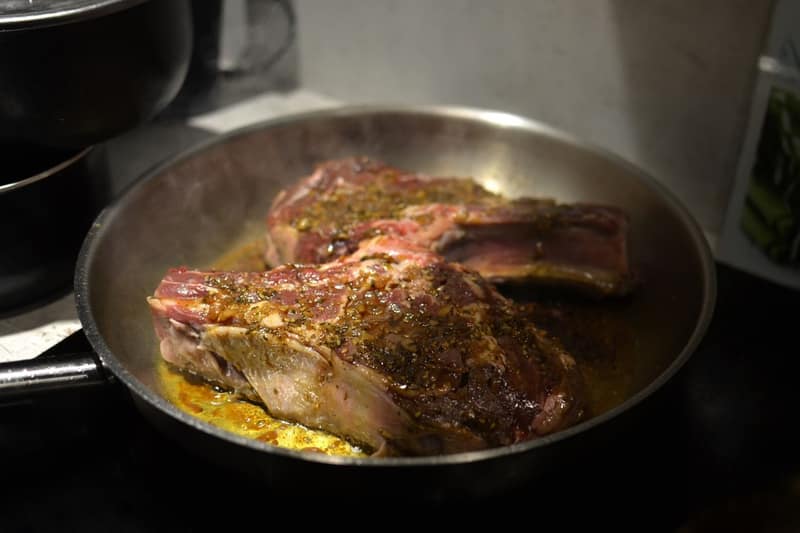
Add the tomatoes and cook down for 3 minutes, then pour in the stock with the soy sauce (opens in a new tab), sugar (opens in a new tab) and salt. Brown the chicken legs (opens in a new tab) skin side down in a dry frying pan until golden, then add them to the pot. Simmer gently, partly covered, for 40–45 minutes until the chicken is very tender.
- 45 min
- medium-low heat
- Frying pan / skillet (opens in a new tab)
Food safety: Cook chicken until the juices run clear and the thickest part reaches 74 °C.
How it looks · Photo: Skylar Kang on Pexels
Vegetables
27 minStep 4
Meanwhile parboil the potatoes (opens in a new tab) and carrot (opens in a new tab) for 8 minutes and drain. Fry them in 4 tbsp oil with the pumpkin (opens in a new tab), red pepper (opens in a new tab), eggplant (opens in a new tab) and okra (opens in a new tab) in batches until browned and just tender, 5–8 minutes per batch. Keep warm.
- 25 min
- medium-high heat
- Saucepan (opens in a new tab)
- Frying pan / skillet (opens in a new tab)
- Tongs (opens in a new tab)
Frying, not boiling, the vegetables is the Sapporo way: each piece keeps its own flavour.
Step 5
Remove the whole spices if you like and stir in the coconut milk (opens in a new tab), if using. Taste the broth; it should be thin, savoury and well spiced.
- 2 min
To serve
5 minStep 6
Place a chicken leg (opens in a new tab) in each deep bowl, arrange the vegetables around it and ladle over the hot soup. Add a halved soft-boiled egg (opens in a new tab) and serve with a separate plate of rice and a lemon (opens in a new tab) wedge.
- 5 min
At a glance
1 · Chicken in a pan
 Chicken pieces, skin-on
 Salt
 Garam masala
then heat
2 · Soup in a pot
 Neutral vegetable oil
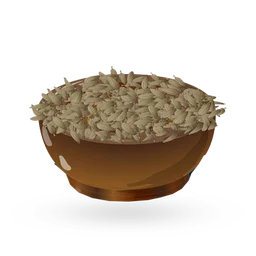 Cumin seeds
 Cardamom
 Cinnamon stick
 Bay leaves
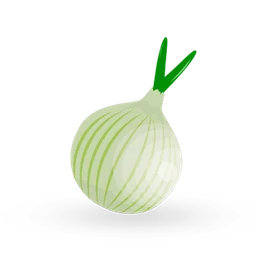 Onion
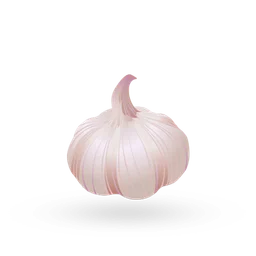 Garlic
 Fresh ginger
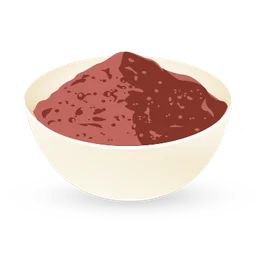 Curry powder
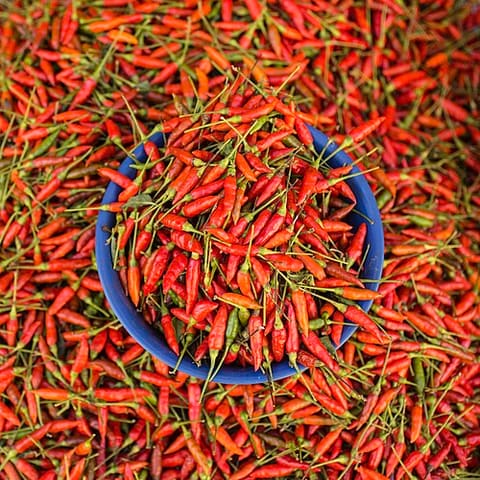 Fresh red chilli
 Canned tomatoes
 Chicken stock
 Soy sauce
 Sugar
- Salt
 Coconut milk
then parboil
3 · Vegetables in a pan
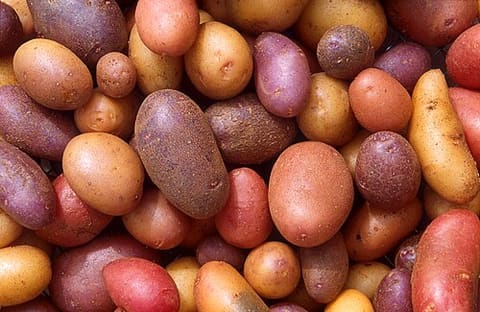 Potato
 Carrot
 Pumpkin
 Red bell pepper
 Eggplant
 Okra
- Neutral vegetable oil
then place
4 · To serve in a bowl
 Short-grain rice
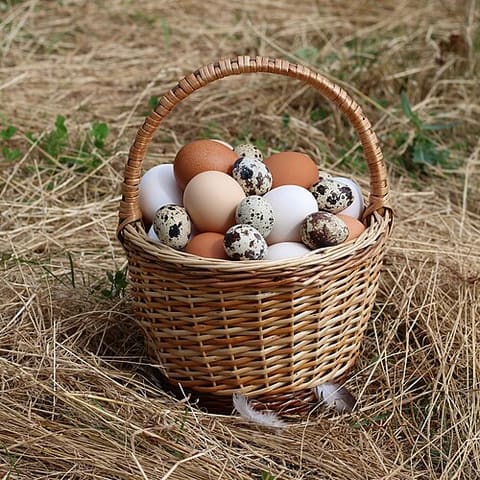 Egg
 Lemon
About this dish
- Origin
- Sapporo, Hokkaido, Japan · Well documentedGrew out of a spicy soup served at Sapporo cafés in the 1970s and became a nationwide boom in the early 2000s; Sapporo now has hundreds of soup curry restaurants.More food from Japan
Japan - Dish
- Lunch · Dinner · Soups · Curries · Main courses
- Cooking method
- Simmered, Pan-fried, Boiled
- Taste
- aromatic / warmly spiced, spicy (chilli heat), savoury, umami
- Diet
- Dairy-free · No nut ingredients · High-proteinWithout the optional extras: Egg-freeWorked out from the ingredients. How labels work
All labels
Non-vegetarian · Dairy-free · No nut ingredients · Alcohol-free · Pork-free · Beef-free · High-protein - Good for
- One-pot
- Cook more with
- Chicken pieces, skin-on · Curry powder · Chicken stock · Garam masala · Cumin seeds · Cardamom
- Techniques
- Pan-frying · Boiling · Simmering
Allergens
- Contains, can be adapted: Eggsfrom egg
- Contains: Wheatfrom soy sauce
- Contains: Glutenfrom soy sauce
- Contains: Soyfrom soy sauce
- May contain: Mustardfrom curry powder
- May contain: Celeryfrom curry powder, chicken stock
Based on typical versions of these ingredients and not verified allergen-free. Brands differ and cross-contact happens, so always check labels. For severe allergies, follow your clinician’s advice.
Nutrition
1287 kcal per serving
Estimated1 serving ≈ 1046 g · recipe makes 4
Where the energy comes from
- Protein 20%
- Carbohydrate 35%
- Fat 45%
| Nutrient | Per serving | Per 100 g* |
|---|---|---|
| Energy | 1287 kcal | 123 kcal |
| Protein | 65.4 g | 6.3 g |
| Carbohydrate | 113 g | 10.8 g |
| Net carbohydrate | — | — |
| Sugars | — | — |
| Added sugars | 1 g | 0.1 g |
| Fibre | — | — |
| Fat | 63.6 g | 6.1 g |
| Saturated fat | 13.6 g | 1.3 g |
| Trans fat | — | — |
| Cholesterol | 197 mg | 19 mg |
| Sodium | 2089 mg | 200 mg |
| Salt equivalent | 5.2 g | 0.5 g |
Vitamins & minerals per serving
- Potassium
- 2047 mg
- Calcium
- 170 mg
- Iron
- 7.2 mg
- Magnesium
- 166 mg
- Vitamin A (RAE)
- —
- Vitamin C
- 86 mg
- Vitamin D
- 0.5 µg
- Vitamin B12
- 0.8 µg
- Folate (DFE)
- 117 µg
How these numbers were made
- Calculated from USDA FoodData Central (SR Legacy) per-100 g values and the listed quantities.
- *Per 100 g of combined raw ingredients; the cooked dish may weigh more or less.
- Optional ingredients are not included: fresh red chilli, coconut milk, egg, lemon.
- Garam masala: Curry powder (FDC 170924) used as a stand-in; both are ground blends of similar dried spices used in teaspoon amounts.
- “—” means the value isn’t known for enough of the ingredients; it is never zero by default.
- Values are estimates for guidance, not for medical dosing. U.S. Department of Agriculture, Agricultural Research Service. FoodData Central, 2019. fdc.nal.usda.gov.
Good to know
Tips
- Eat the Sapporo way: take a spoonful of rice and dip it into the soup, rather than pouring the soup over the rice.
- Add a sprinkle of extra curry powder or chilli oil at the table to raise the heat.
Common mistakes
- Thickening the soup with roux; soup curry should stay brothy.
Serve with
- Serve with yellow turmeric rice, a lassi or a cold beer.
- Popular extra toppings: fried broccoli, lotus root, burdock chips, pork belly or seafood.
Food safety
- Cook chicken until the juices run clear and the thickest part reaches 74 °C.
Storage
- Keep the soup with the chicken for up to 3 days in the fridge; the vegetables are best fried fresh.
Reheating
- Simmer until the chicken is piping hot; refresh vegetables in a hot pan or oven.
Variations
- Seafood soup curry: A broth based on shrimp and fish stock, served with prawns, scallops and mussels.
- Pork soup curry: Braised pork belly or spare ribs replace the chicken leg.
Original editorial recipe · FriendsPantry editorial · source: TasteAtlas (dish facts) · Not yet independently reviewed · Added
Recipe DNA
How this dish is built
Built from the recipe’s own sections. Each band’s width is its share of the dish by weight. Choose a component to see what it does.
What the dish is built around
For the chicken
- Chicken pieces, skin-on, 4 whole bone-in chicken legs1 kg · 1000 g
- Salt1 tsp · 6 g
- Garam masala1 tsp · 2.1 g
Masalas in this recipe
Make the masala first, then come back to finish the dish.
Dry spice blend
Everyday curry powder (British-style)
This recipe uses 3 tbsp (19 g for 4 servings).
Dry spice blend
Punjabi garam masala
This recipe uses 1 tsp (2.1 g for 4 servings).
Also: Bengali garam masala, Kerala (Malabar) garam masala, Mughlai (shahi) garam masala
Reviews & corrections
Reviews come from signed-in cooks and appear after a moderator checks them. We never show made-up ratings.
You might also like
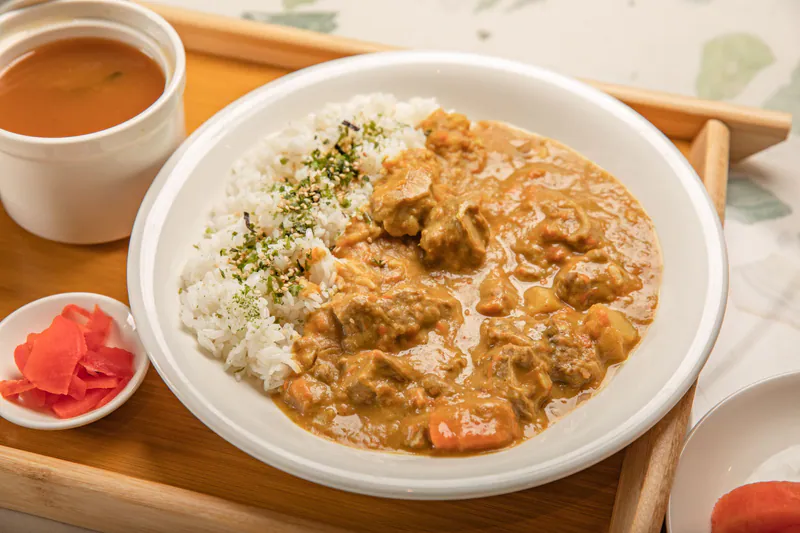
Japanese curry rice
 Japanese · 1 h 5 min · 748 kcal
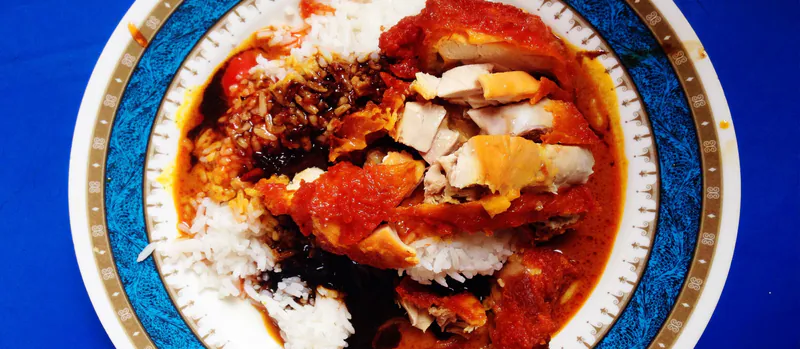
Nasi kandar (Penang rice with mixed curries)
 Malaysian · 1 h 30 min · 1526 kcal
Paneer butter masala
 Punjabi · 45 min · 437 kcal · Vegetarian
Chicken rezala
 Bangladeshi · 1 h 45 min · 662 kcal