
Pappardelle alla lepre (pappardelle with hare ragù)
Non-vegetarian
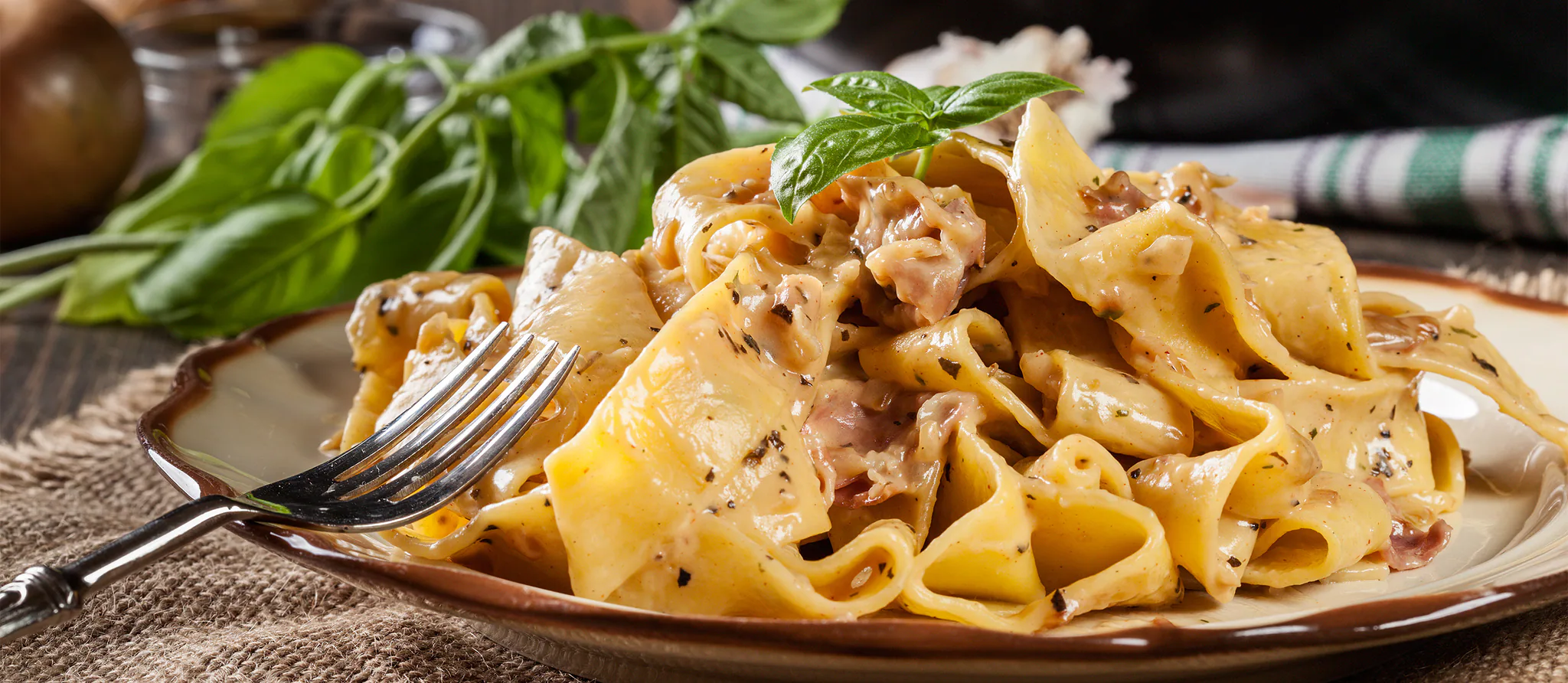
Pappardelle alla lepre
Wide egg-pasta ribbons tossed in a dark, slow-braised ragù of hare that has been marinated in red wine with herbs, then cooked with soffritto, tomato and stock until it falls from the bone. A Tuscan autumn and hunting-season classic.
Pappardelle alla lepre (pappardelle with hare ragù) is an Italian pasta dish from Italy, ready in about 3 hours 40 minutes and made with hare, canned tomatoes and dried pasta. It serves 4 and is rated advanced to cook.
- Prep
- 40 min
- Cook
- 3 h
- Total
- 3 h 40 min
- Serves
- 4
- Level
- Advanced
- Calories
- 1127
Plus 12–24 hours marinating the hare.
Main ingredients

Ingredients
For the marinade
For the ragù
To serve
Method
Marinade
10 minStep 1
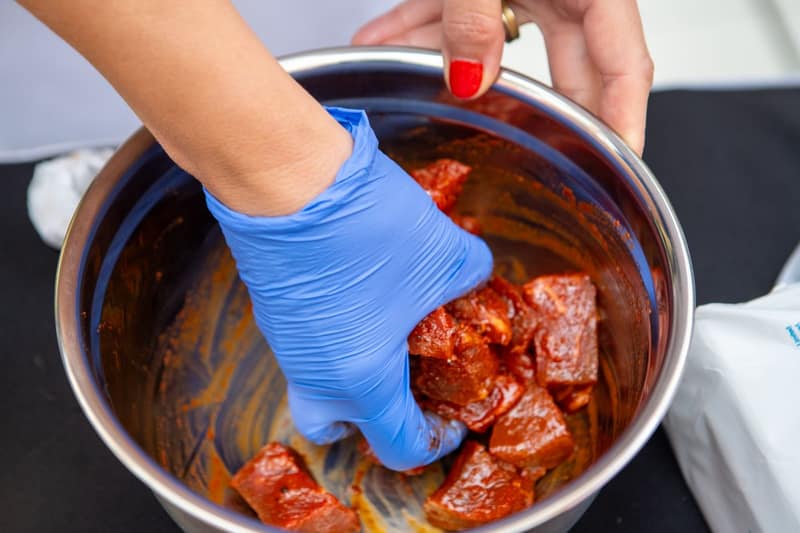
Put the hare (opens in a new tab) pieces in a bowl with the wine, vinegar, bay leaves (opens in a new tab), juniper (opens in a new tab), rosemary (opens in a new tab) and crushed garlic (opens in a new tab). Cover and marinate in the fridge for 12–24 hours, turning once or twice.
Food safety: Wash hands, boards and knives after handling raw meat, and keep it apart from salad and other ready-to-eat food.
How it looks · Photo: Ip Photographer on Pexels
Ragù
3 h 14 minStep 2
Lift the hare (opens in a new tab) out, discard the marinade and pat the pieces very dry. Heat half the oil in a heavy casserole and brown the hare well on all sides over medium-high heat. Set aside.
- 12 min
- medium-high heat
- Dutch oven / casserole pot (opens in a new tab)
Step 3
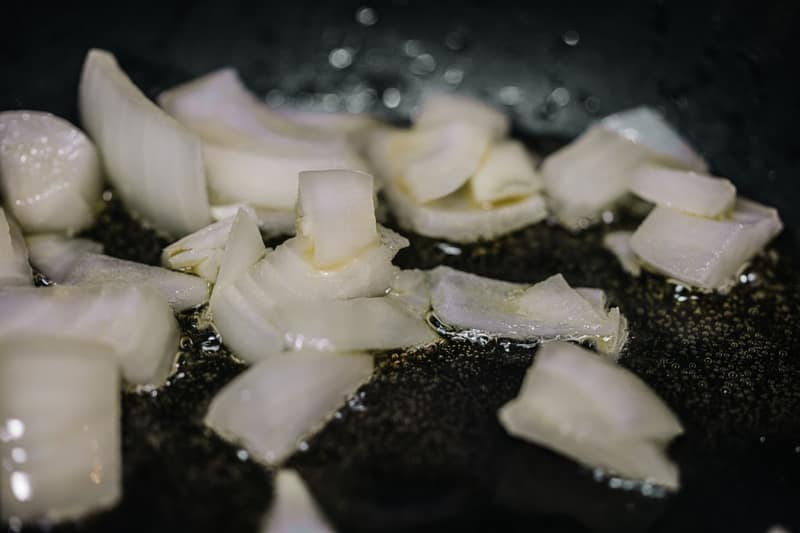
Add the rest of the oil and the pancetta (opens in a new tab), then the onion (opens in a new tab), carrot (opens in a new tab), celery (opens in a new tab) and chopped garlic (opens in a new tab). Cook gently for 10–12 minutes until soft and golden.
- 12 min
- medium-low heat
- Wooden spoon (opens in a new tab)
How it looks · Photo: Magda Ehlers on Pexels Step 4
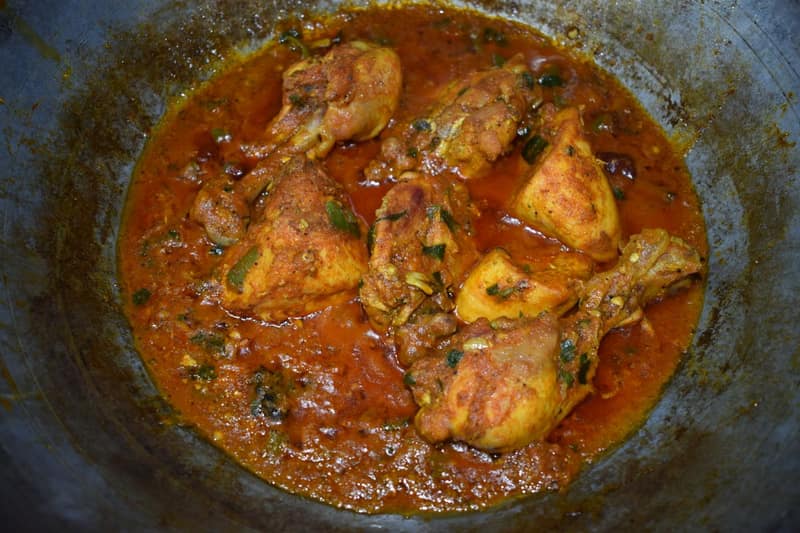
Return the hare (opens in a new tab), pour in the 150 ml wine and let it bubble away. Stir in the tomato paste (opens in a new tab), tomatoes, bay leaf (opens in a new tab), half the hot stock, salt and pepper (opens in a new tab). Cover and simmer very gently for 2–2½ hours, adding more stock as needed, until the meat falls from the bones.
- 150 min
- low heat
- Dutch oven / casserole pot (opens in a new tab)
Step 5
Lift out the hare (opens in a new tab), cool slightly and strip all the meat from the bones, discarding the bones carefully (hare has many small ones). Shred or chop the meat and return it to the sauce. Simmer uncovered for 10–15 minutes until thick and glossy. Taste for salt.
- 20 min
- low heat
Many Tuscan cooks also chop the hare's liver and heart into the sauce for depth.
How it looks · Photo: Bachir Mamud on Pexels
To serve
10 minStep 6
Cook the pappardelle in plenty of well-salted boiling water until al dente. Drain, keeping a cup of the water, and toss in the pot with the ragù and butter (opens in a new tab), loosening with a splash of pasta (opens in a new tab) water. Serve with Parmesan (opens in a new tab), if you like.
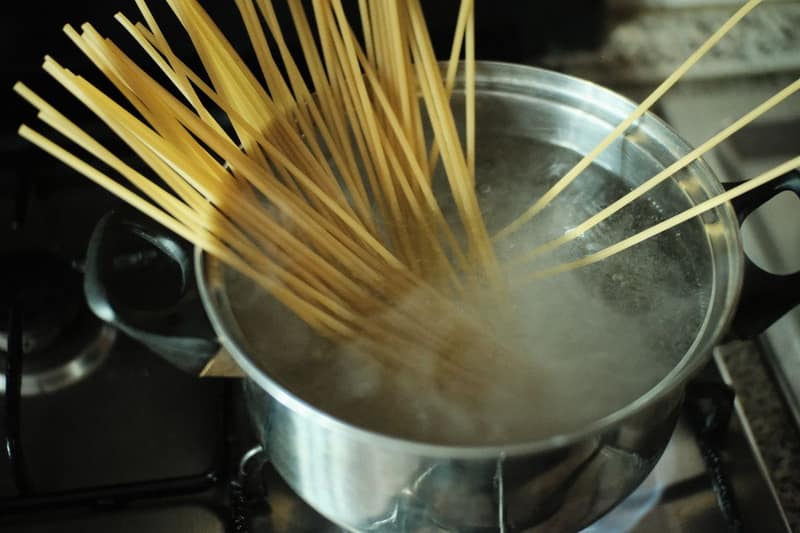
How it looks · Photo: Gianpiero Ferraro on Pexels
At a glance
1 · Marinade in a bowl
- Hare
 Dry red wine
 Wine vinegar
 Bay leaves
 Juniper berries
 Rosemary (fresh)
 Garlic
then lift
2 · Ragù in a pan
 Olive oil
 Pancetta
 Onion
 Carrot
 Celery
- Garlic
- Dry red wine
 Tomato paste
 Canned tomatoes
 Beef stock
- Bay leaves
 Salt
 Black pepper
then cook
3 · To serve in a pot
 Dried pasta
 Butter
 Parmesan
About this dish
- Origin
- Tuscany, Italy · Well documentedOne of Tuscany's oldest pasta dishes; its old name 'sulla lepre' (on the hare) and a mention in Boccaccio's circle are often cited. Wild boar (cinghiale) is the other great Tuscan game sauce for pappardelle.More food from Italy
Italy - Dish
- Lunch · Dinner · Pasta · Main courses
- Cooking method
- Marinated / cured, Braised, Boiled
- Taste
- rich, savoury, earthy, aromatic / warmly spiced
- Diet
- No nut ingredients · High-proteinWithout the optional extras: Pork-freeWith the listed swaps: Beef-freeWorked out from the ingredients. How labels work
All labels
Non-vegetarian · Egg-free · No nut ingredients · No added sugar · High-protein - Good for
- Make-ahead · Festive & celebration
- Cook more with
- Canned tomatoes · Dried pasta · Dry red wine · Wine vinegar · Bay leaves · Juniper berries
- Techniques
- Boiling · Simmering · Braising · Marinating · Curing
Allergens
- Contains: Milkfrom butter, parmesan
- May contain: Eggsfrom dried pasta
- Contains: Wheatfrom dried pasta
- Contains: Glutenfrom dried pasta
- Contains: Celeryfrom celery, beef stock
- Contains: Sulphitesfrom dry red wine, wine vinegar
Based on typical versions of these ingredients and not verified allergen-free. Brands differ and cross-contact happens, so always check labels. For severe allergies, follow your clinician’s advice.
Nutrition
1127 kcal per serving
Estimated1 serving ≈ 848 g · recipe makes 4
Where the energy comes from
- Protein 31%
- Carbohydrate 36%
- Fat 33%
| Nutrient | Per serving | Per 100 g* |
|---|---|---|
| Energy | 1127 kcal | 133 kcal |
| Protein | 77.6 g | 9.1 g |
| Carbohydrate | 88.8 g | 10.5 g |
| Net carbohydrate | 83.3 g | 9.8 g |
| Sugars | — | — |
| Added sugars | 0 g | 0 g |
| Fibre | 5.6 g | 0.7 g |
| Fat | 36.1 g | 4.3 g |
| Saturated fat | 9.8 g | 1.2 g |
| Trans fat | — | — |
| Cholesterol | 182 mg | 21 mg |
| Sodium | 1128 mg | 133 mg |
| Salt equivalent | 2.8 g | 0.3 g |
Vitamins & minerals per serving
- Potassium
- 1969 mg
- Calcium
- 129 mg
- Iron
- 10 mg
- Magnesium
- 154 mg
- Vitamin A (RAE)
- 176 µg
- Vitamin C
- 12 mg
- Vitamin D
- —
- Vitamin B12
- 21.5 µg
- Folate (DFE)
- 437 µg
How these numbers were made
- Calculated from USDA FoodData Central (SR Legacy) per-100 g values and the listed quantities.
- *Per 100 g of combined raw ingredients; the cooked dish may weigh more or less.
- Optional ingredients are not included: pancetta, parmesan.
- Not counted (tiny amounts or “to taste”): juniper berries.
- Hare: Raw rabbit (FDC 172521) used as a stand-in; wild hare is darker, leaner and more strongly flavoured. No hare entry is in the imported FDC set.
- “—” means the value isn’t known for enough of the ingredients; it is never zero by default.
- Values are estimates for guidance, not for medical dosing. U.S. Department of Agriculture, Agricultural Research Service. FoodData Central, 2019. fdc.nal.usda.gov.
Good to know
Tips
- The ragù is better made a day ahead; reheat gently before tossing with the pasta.
- Ask your butcher or game dealer to joint the hare for you.
Common mistakes
- Boiling the sauce hard, which toughens the lean hare meat.
- Leaving small bones in the sauce — sort through the meat carefully.
Serve with
- Serve with the same Tuscan red used in the sauce.
Food safety
- Game meat should be cooked until tender and steaming hot right through; refrigerate leftovers within 2 hours.
Storage
- The ragù keeps 3 days refrigerated or 3 months frozen.
Reheating
- Reheat gently with a splash of stock until piping hot.
Variations
- Pappardelle al cinghiale: Wild boar instead of hare, braised the same way.
- Lepre in bianco: A tomato-free version braised only with wine, herbs and stock.
Original editorial recipe · FriendsPantry editorial · source: TasteAtlas (dish facts) · Not yet independently reviewed · Added
Sauces, chutneys & dips for this dish
Recipe DNA
How this dish is built
Built from the recipe’s own sections. Each band’s width is its share of the dish by weight. Choose a component to see what it does.
Seasons and tenderises before cooking
For the marinade
- Hare, 1 hare, jointed (or 4 hare legs)1.2 kg · 1200 g
- Dry red wine500 ml · 495 g
- Wine vinegar2 tbsp · 30 g
- Bay leaves2 leaf · 0.4 g
- Juniper berries, lightly crushed6 piece · 0.4 g
- Rosemary (fresh)1 sprig · 1 g
- Garlic, lightly crushed2 clove · 8 g
Reviews & corrections
Reviews come from signed-in cooks and appear after a moderator checks them. We never show made-up ratings.
You might also like
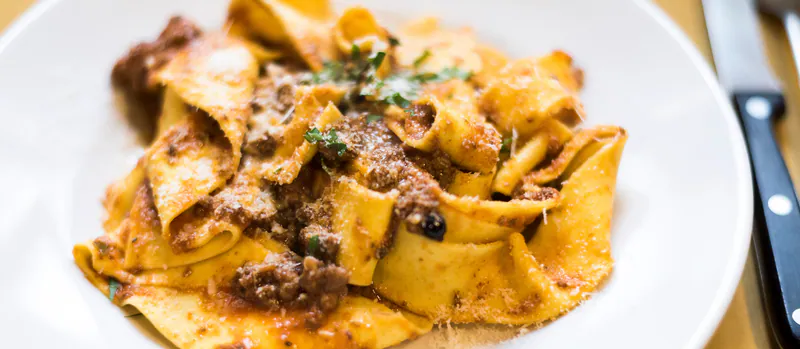
Pappardelle al cinghiale (pappardelle with wild boar ragù)
 Italian · 15 h 50 min · 786 kcal
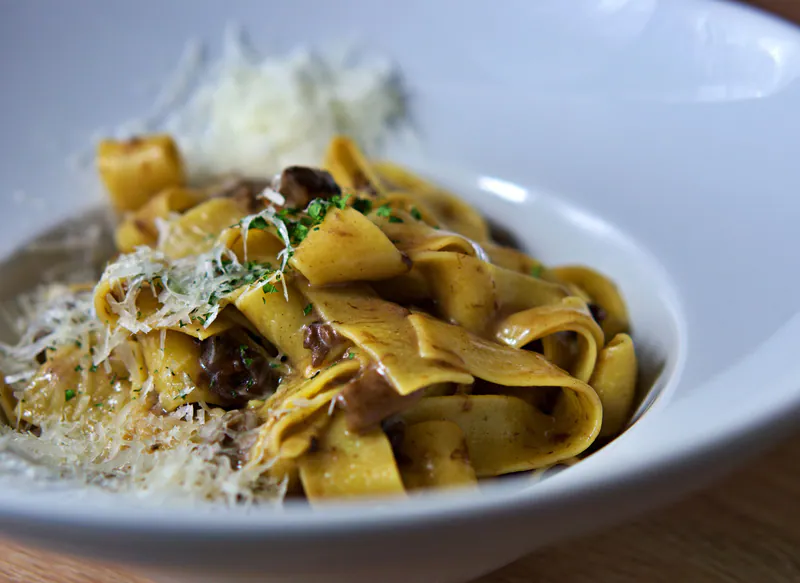
Pappardelle ai funghi (pappardelle with mushrooms)
Italian · 45 min · 600 kcal · Vegetarian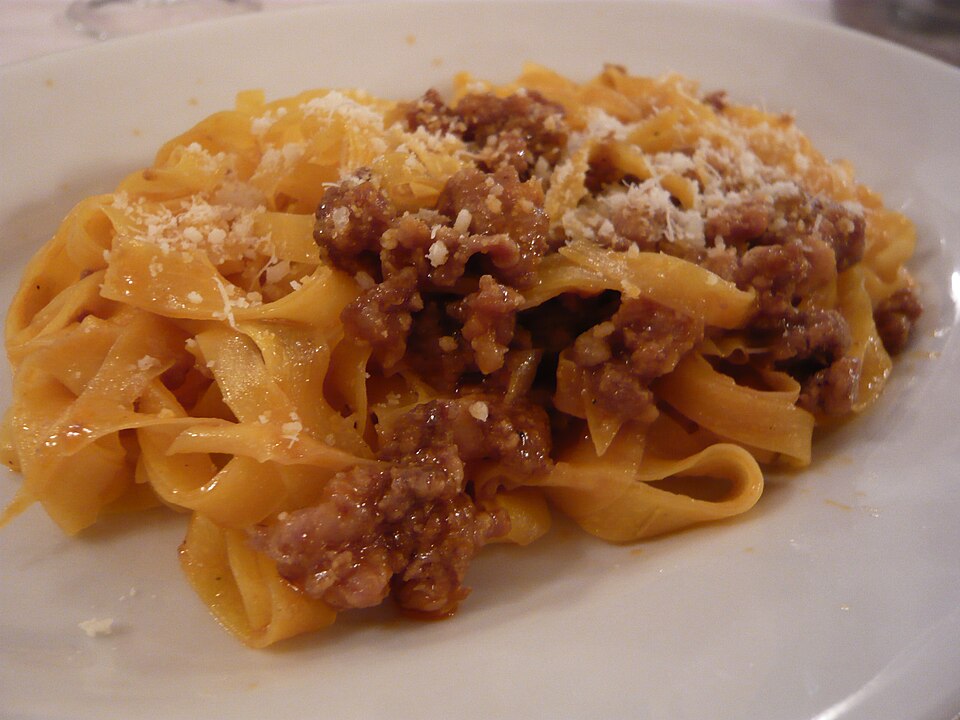
Ragù alla bolognese with tagliatelle
Italian · 3 h · 630 kcal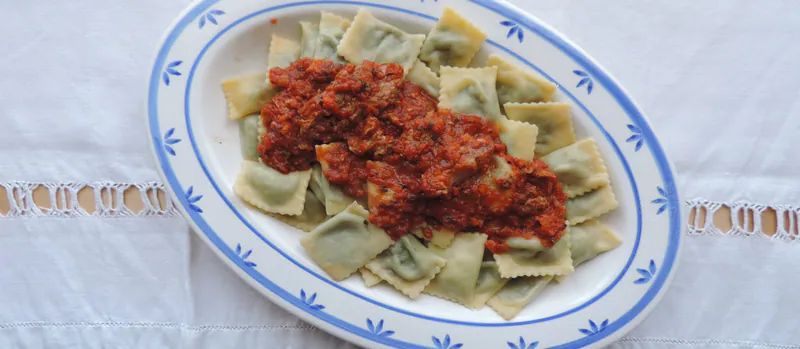
Ravioli alla genovese (Genoese ravioli with tocco meat sauce)
Italian · 5 h 20 min · 752 kcal